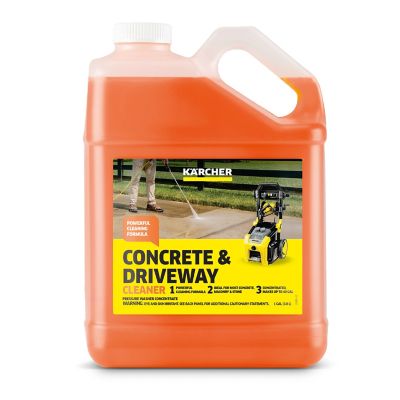
A driveway takes on more than tire tracks. A pickup parked beside the garage can leave an oily spot, a mower can drop grease near the shed, and boots coming back from the barn can carry dirt across the parking pad. Driveway cleaners help tackle that buildup on compatible surfaces, with formulas intended for everything from routine washing to stubborn automotive stains. The right match depends on both the mess and the material underneath it. Concrete is porous, so oil can settle below the surface instead of staying where a broom or hose can reach it. Asphalt contains a petroleum-based binder and needs a cleaner labeled for that surface, since some solvents can soften or damage it. Paver driveways bring their own considerations, including surface color, protective treatments and sand-filled joints. Natural stone can react differently from manufactured paving, particularly when acidic ingredients are involved. For cement-based parking areas and approaches,
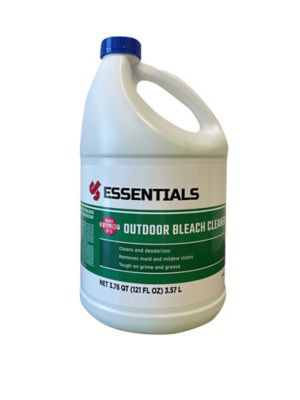
Concrete Cleaners offer another way to narrow the search by surface and cleaning purpose. General-purpose driveway washes typically address everyday dirt and grime, while degreasing formulas focus on oily residue from vehicles and equipment. Rust marks, tire discoloration and mineral deposits may call for a different formulation altogether; one cleaner does not necessarily handle every stain. Sealed, stained or stamped concrete also deserves attention because the finish may have different care requirements than bare concrete. A cleaner that suits an unfinished slab may not suit a coating applied over it. Product labels help distinguish between surface cleaning, stain treatment and formulas that can affect an existing sealer. That distinction matters whether the goal is tidying the space outside a farmhouse, cleaning a shared parking area or getting an equipment apron back in shape. A cleaner matched to the driveway material and the kind of buildup offers a more sensible starting point than simply reaching for the strongest formula.
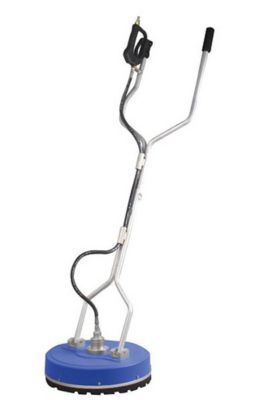
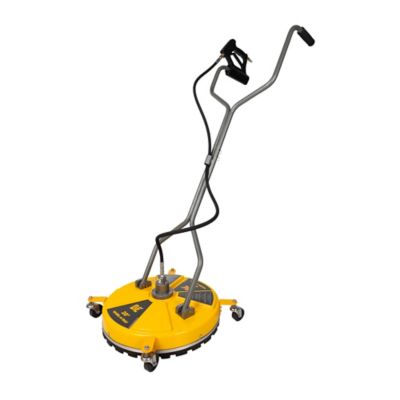
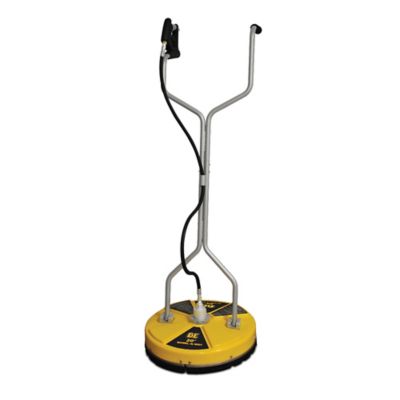
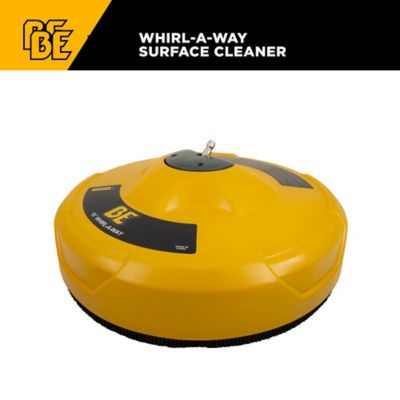
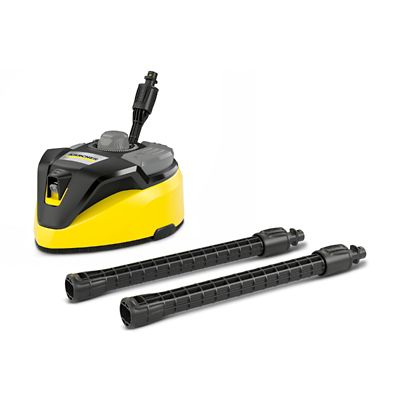
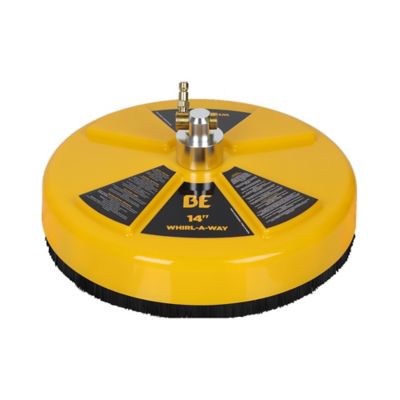
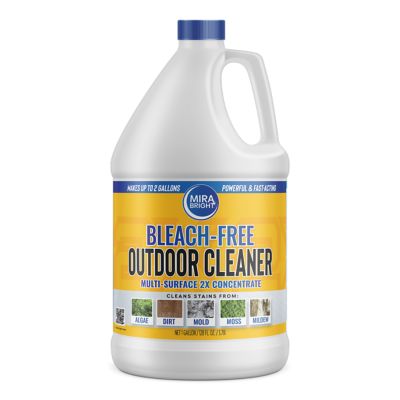
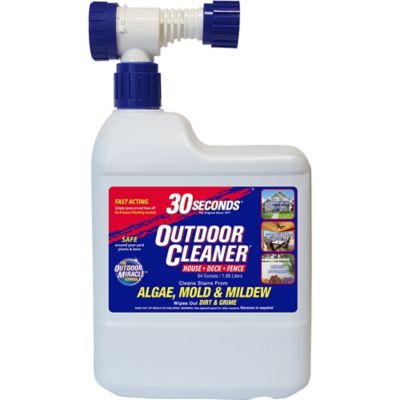
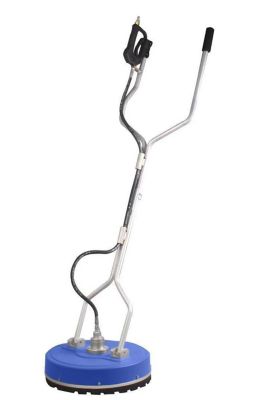
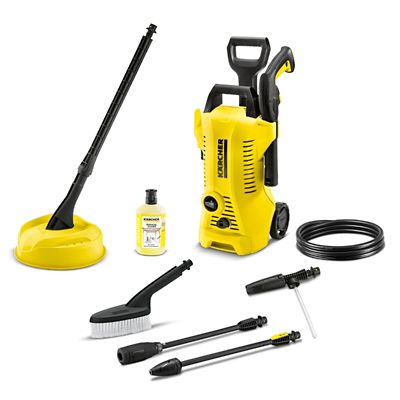
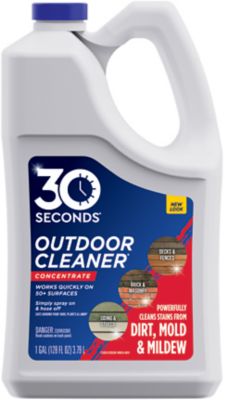
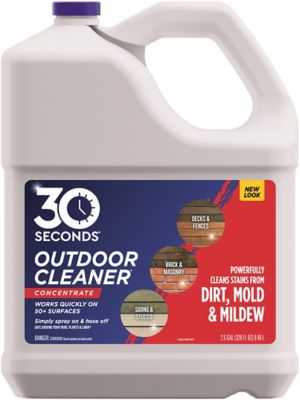
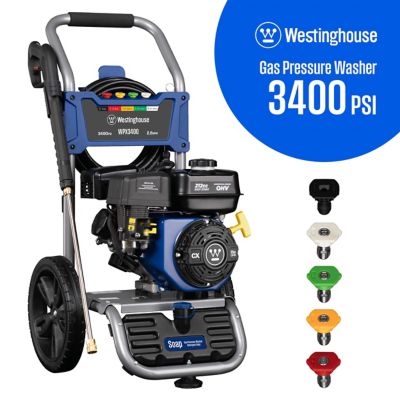
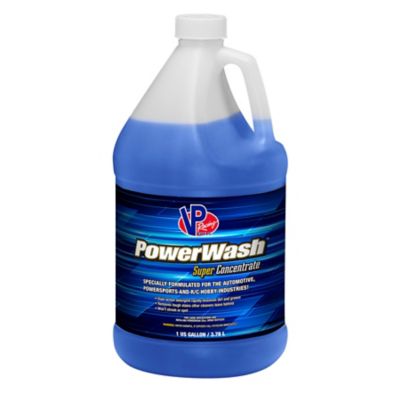
Driveway cleaners come in several forms, and the way a formula is applied can matter as much as the cleaning ingredients. Ready-to-apply liquids keep measuring to a minimum, while concentrates allow dilution according to the label for different cleaning tasks. Powdered or absorbent treatments may suit certain oil spots, depending on the surface and the product’s stated purpose. Coverage figures are helpful for comparing a narrow parking strip with a broad driveway, although roughness, porosity and the amount of buildup can affect how far a container goes. A heavily marked area beside a work truck may need more attention than a lightly soiled walkway adjoining the drive. Some formulas are intended for a brush-and-rinse application; others are labeled for compatible pressure-washing equipment. Those application methods are not interchangeable across every cleaner or machine. Pressure-washer detergent systems have their own requirements, and a cleaner meant for direct application may not belong in a detergent tank. Likewise, a chemical’s suitability for concrete does not mean every pressure setting is suitable for that concrete. Excessive pressure can etch a slab, damage a coating or disturb the joints between pavers. For folks who maintain several paved areas around a property, a formula labeled for more than one surface can simplify routine care, provided each surface meets the stated requirements. Working time is another useful detail: some cleaners need time in contact with a stain, while others have different handling requirements. Clear dilution, application and rinsing directions make it easier to understand what a cleaning job involves before committing to a container. Packaging matters, too, especially when a cleaner will be carried between the garage, shop and equipment parking area. A secure closure, readable label and manageable container size support careful handling without turning a straightforward cleanup into an awkward chore. Storage requirements deserve the same attention as application directions, particularly in a building that also holds animal feed, tools or household supplies.
Good driveway care is about clearing away grime without trading it for a damaged finish or a problem farther down the lane. Cleaning strength alone does not tell the whole story. A formula’s stated surface compatibility, rinsing needs and handling precautions are all part of deciding whether it fits the property. Around a house with pets, a working barn or a busy shop entrance, keeping people and animals away from a treatment area for the label-specified period is an important consideration. Nearby grass, planting beds, drains and water sources also affect how a cleaning area should be managed. Words on a package should never replace the actual directions for protecting adjacent areas or containing wash water. Cleaner runoff can carry oil and other contaminants lifted from the driveway, even when the cleaning formula itself has particular environmental claims. Protective gloves and eye protection may be required, and different cleaning chemicals should never be mixed unless the manufacturer explicitly directs it. A small test in an out-of-the-way spot can help reveal changes in color or finish before a larger section is treated. Expectations matter as well: an older oil stain may lighten without disappearing, and discoloration below the surface can require more than routine washing. Cleaning cannot repair crumbling pavement, fill a crack or restore a failing sealer. What it can do is help separate removable buildup from wear that needs another kind of attention. For homeowners keeping the approach to the house tidy, property caretakers managing shared spaces and folks maintaining a place to park tractors or trailers, that practical distinction saves frustration. Routine attention to fresh drips and tracked-in grime can also keep individual messes from spreading across a larger area. Driveway cleaners fit into that ongoing care alongside sweeping, equipment maintenance and surface repairs, helping keep the hard-working space between the road, house and outbuildings easier to look after.