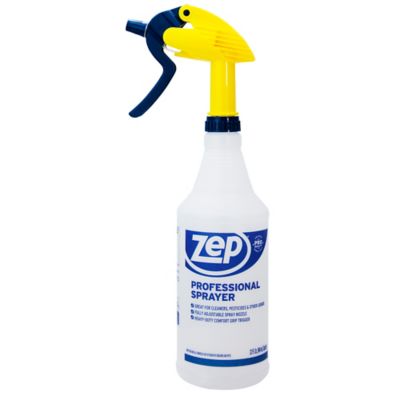
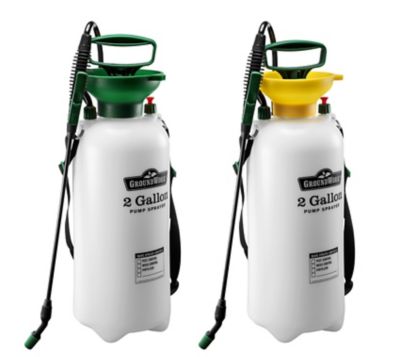
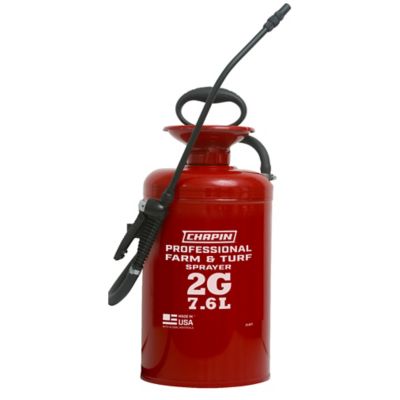
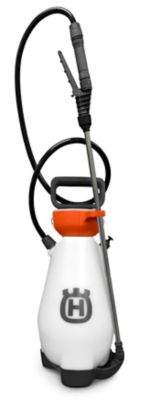
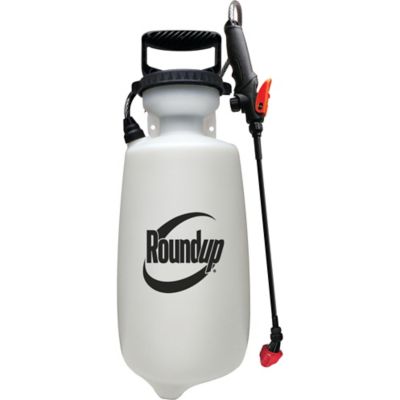
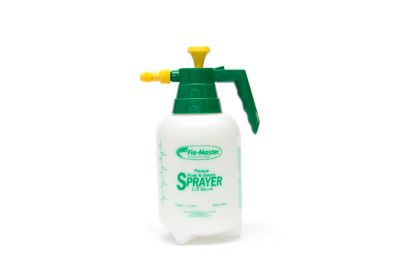
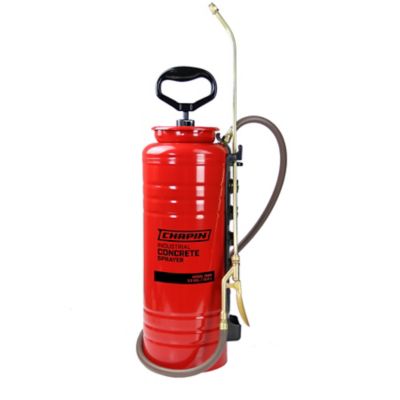
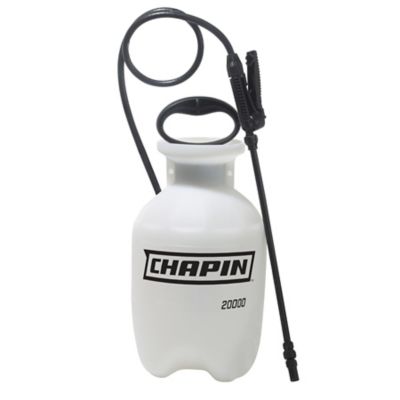
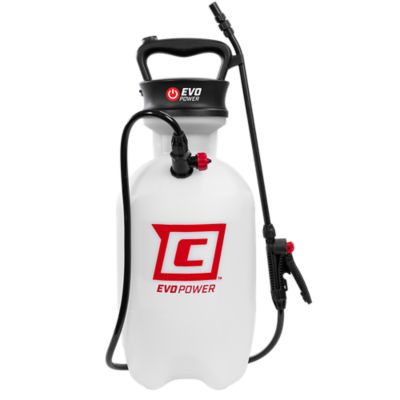
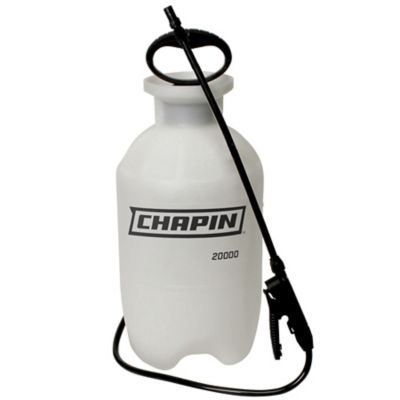
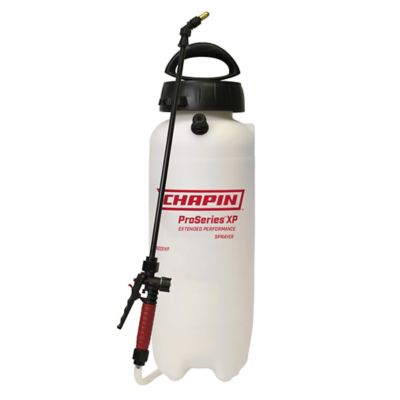
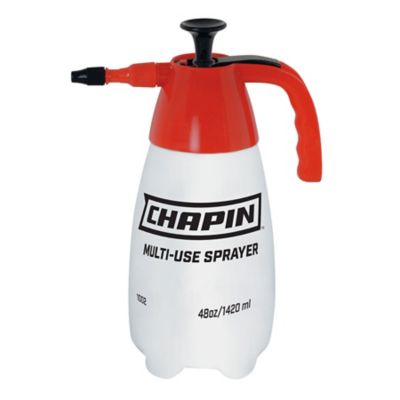
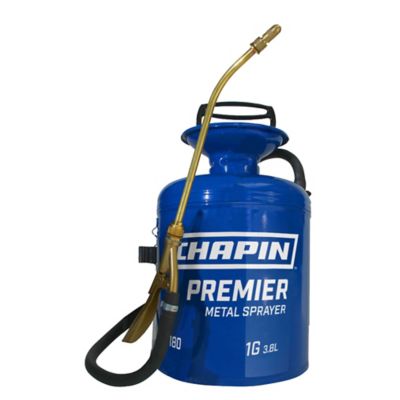
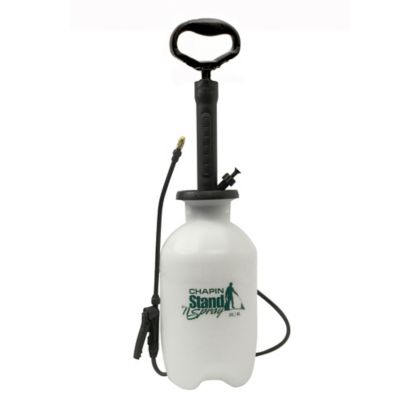
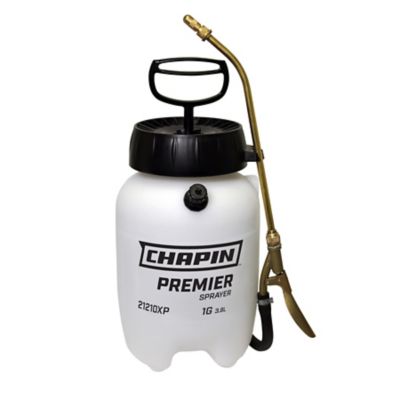
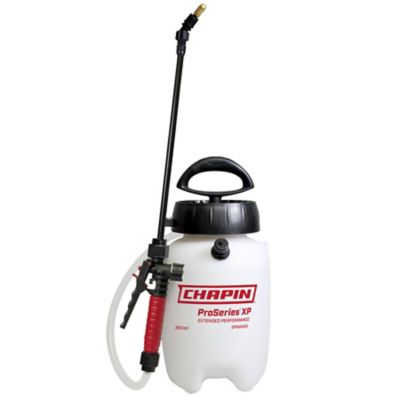
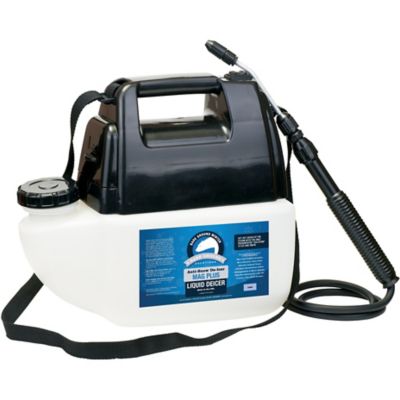
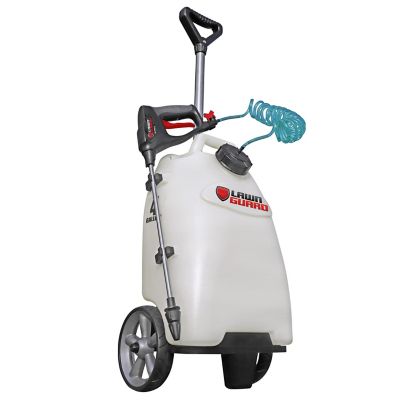
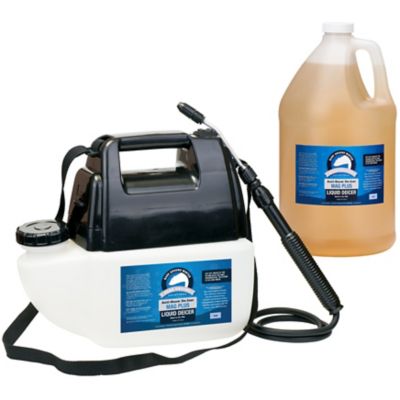
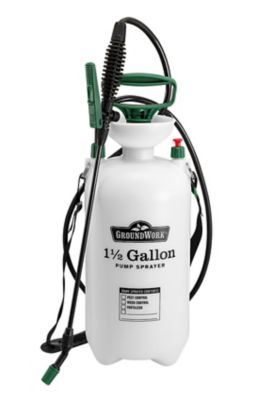
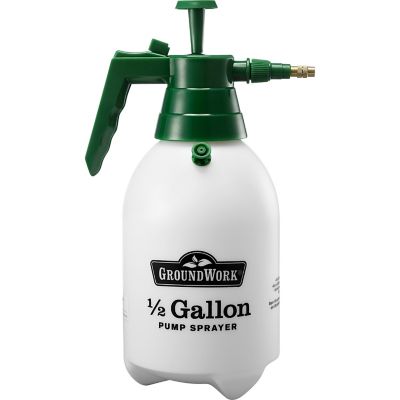
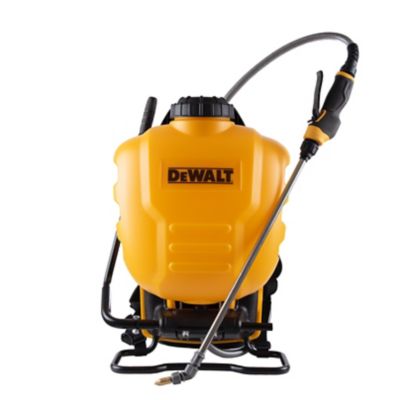
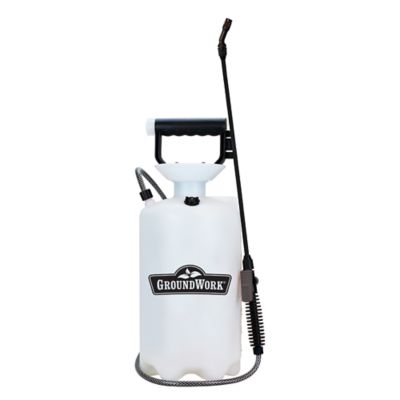
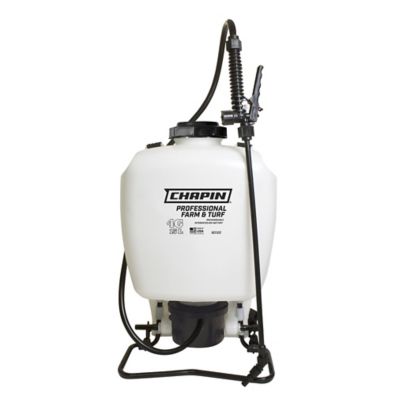
Hand sprayers are portable tools that dispense water or compatible liquid solutions through a nozzle, making them handy for smaller watering, plant-care and cleaning jobs around the house, garden and property. Their main appeal is control: a manageable container, a reachable trigger and a spray pattern that suits the task without hauling out a larger spraying rig. Trigger-style sprayers deliver liquid with each squeeze and work well for brief, close-up tasks. Pump-up hand sprayers build pressure with a manual plunger, then release liquid through a trigger-controlled nozzle or short wand. Battery-powered handheld designs run a small pump to move liquid, cutting down on repeated pumping during longer stretches of work. Each style has its place, whether the job involves watering a tray of seedlings, applying a labeled treatment to a few weeds along a fence or handling a cleaning solution approved for the sprayer. A small bottle can be easy to maneuver between pots on a bench, while a larger handheld tank can cover more ground between refills. The right size depends as much on the weight in your hand as the amount of liquid the job takes. Water alone weighs about eight pounds per gallon, so extra capacity brings extra carrying weight before the tank and sprayer parts enter the picture. For a few houseplants or a short run of containers, a compact sprayer can be a better fit than a tank that spends most of its time partly filled. For scattered jobs around the place, a pump-up model with a carrying handle and wand can make it easier to move from one spot to the next. Gardeners, homeowners and folks tending a small acreage may all find a place for a hand sprayer, but the intended liquid matters more than the setting. Watering, weed control and cleaning call for different compatibility checks, even when the containers look much alike.
Tank construction, seals and nozzle materials help determine which hand sprayers suit a particular task. Molded plastic tanks keep carrying weight down, and translucent walls can make the fill level easier to see. Marked measurements help when preparing the amount of solution a job calls for, though the treatment label remains the source for mixing directions and application rates. An easy-to-read scale is especially useful when a small batch is all that is needed. A wide opening gives liquid a clearer path into the tank and leaves more room for rinsing afterward. A stable base helps keep the container upright during filling, while a handle with enough clearance for a gloved hand can make carrying less awkward. Plastic, brass and stainless steel may appear in nozzles, wands or fittings, but no single material makes a sprayer suitable for every chemical. The whole liquid path matters, including the tank, tubing, valve and seals. Compatibility information is particularly important for cleaners, solvents and other liquids that can damage parts not intended for them. Spray pattern deserves the same attention as tank size. Some nozzles adjust between a fine mist and a more concentrated stream; others provide a set pattern for a particular purpose. A mist can spread water across foliage or a small planting area, while a directed stream places liquid into a narrower space. Garden-treatment labels may call for specific application methods, so an adjustable tip does not replace those directions. Wand length also changes how a sprayer feels in daily work. A short wand keeps the nozzle near the hand for close tasks, while a longer one can reach toward the base of plants without as much bending. Comfortable triggers, balanced handles and smooth pump action can make a noticeable difference when working down a row of containers or treating scattered spots beside a gate. A trigger lock may ease hand strain on models equipped with one, but the operator still needs control over where the spray lands.
Care and storage have a lot to do with how a hand sprayer performs from one job to the next. Residue can collect in a nozzle, intake filter or valve, leading to an uneven pattern, a weak spray or a trigger that does not close cleanly. A tank opening that allows thorough rinsing and a nozzle that comes apart for cleaning can make routine upkeep less of a chore. Sprayer instructions and the liquid’s label should govern rinsing, pressure release, storage and disposal; leftover treatment solution and rinse water should never go wherever it happens to be convenient. Pump-up tanks also need pressure released as directed before opening or servicing. Keeping a separate, clearly labeled sprayer for weed treatments helps prevent residue from reaching valued plants during a later watering or feeding task. The same separation makes sense between garden chemicals and household cleaning solutions. A bottle that looks clean is not necessarily free of material left behind in its seals or tubing. For frequent chores, access to replacement seals, nozzles or other service parts can matter as much as the original tank design. Worn seals may show up as lost pressure or leaks, while a damaged tip can change the spray pattern enough to affect application. Battery-powered designs add their own considerations, including charging arrangements, controls and cleaning precautions around electrical components. Regardless of the power source, the best fit is a sprayer that matches the liquid, the working area and the person carrying it. Someone tending a few porch pots has different needs from someone walking a long fence line to treat individual weeds. Hand sprayers sit within the broader family of
Home And Garden Sprayers, with an emphasis on manageable size and control for smaller tasks. A comfortable grip, suitable capacity, compatible materials and straightforward care help make these tools a practical part of the everyday chore lineup. Protective equipment and application precautions still come from the liquid’s label, whether the task takes five minutes beside the shed or a longer stretch around the garden.