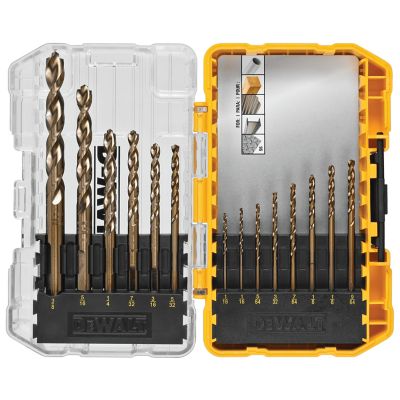
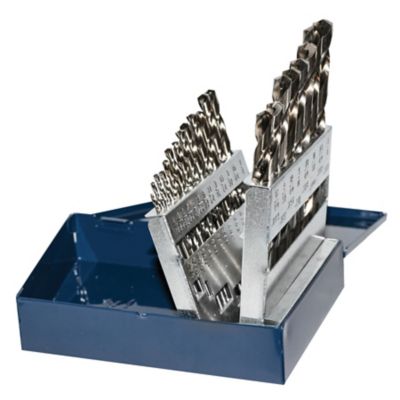
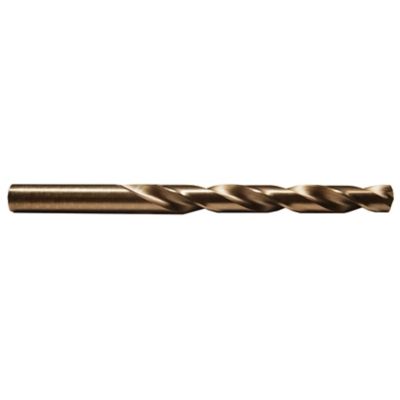
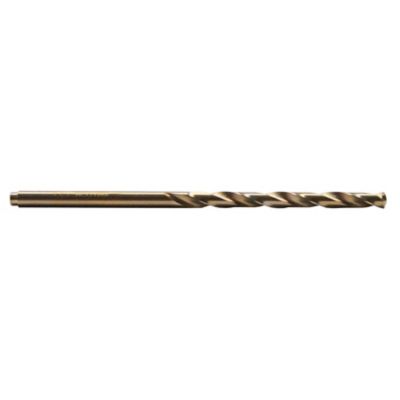
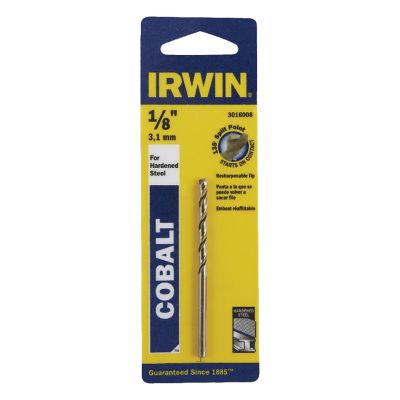
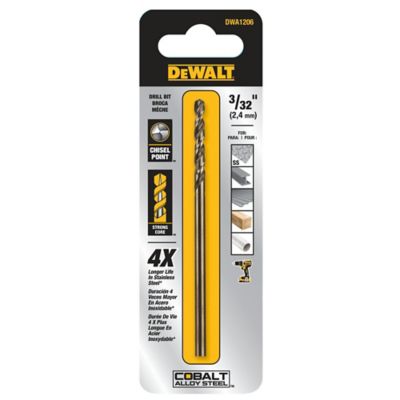
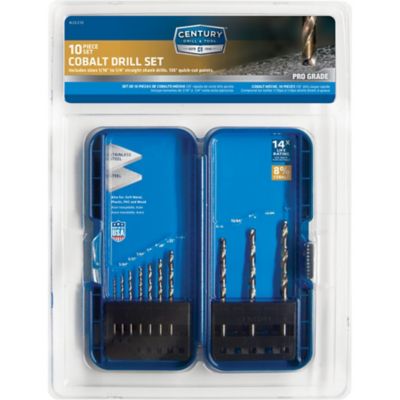
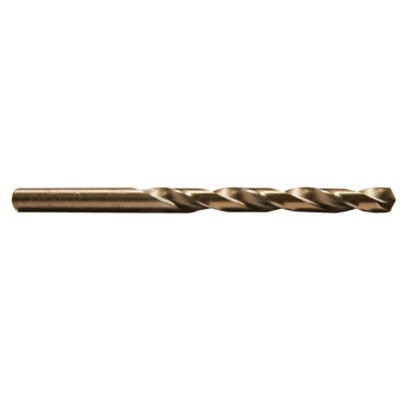
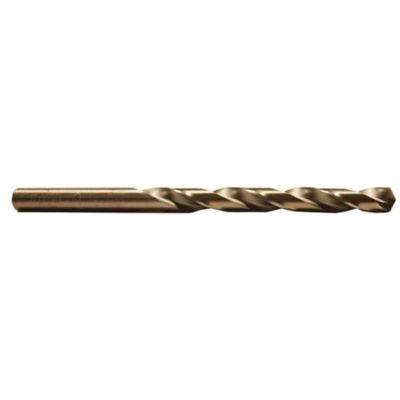
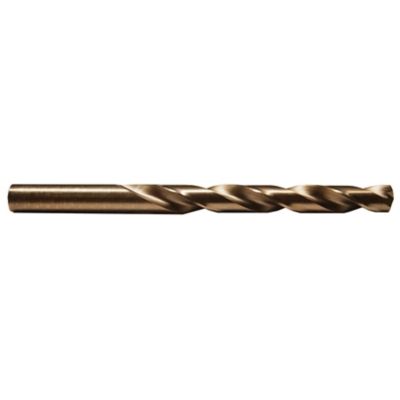
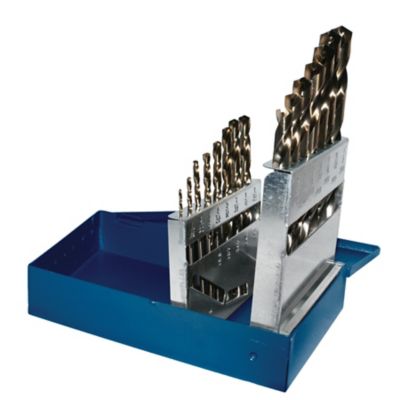
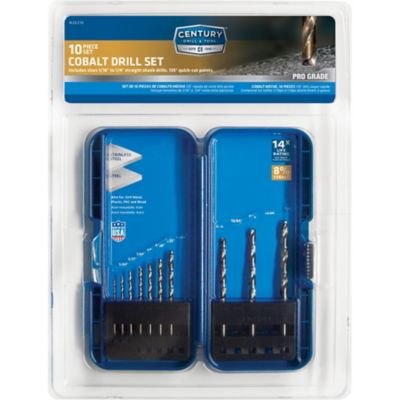
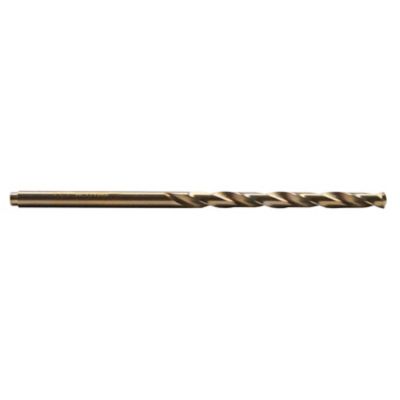
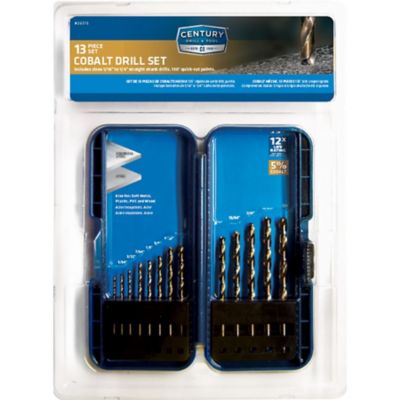
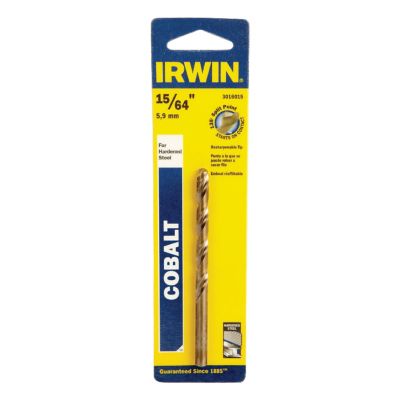
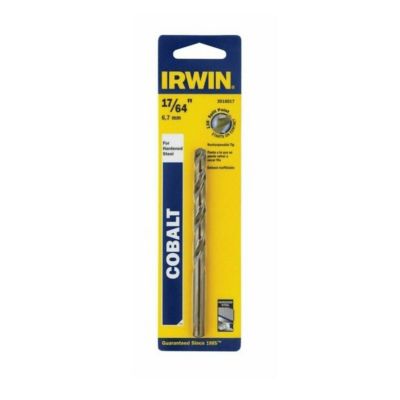
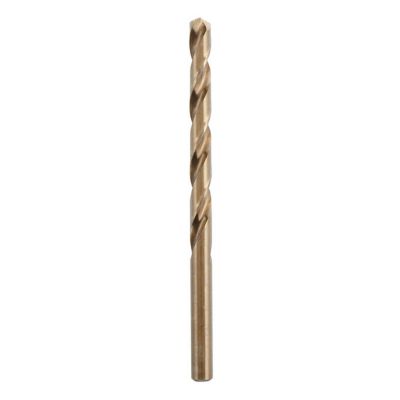
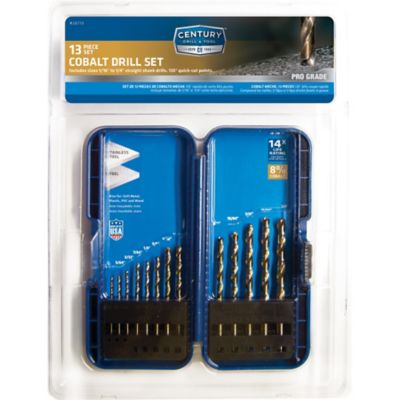
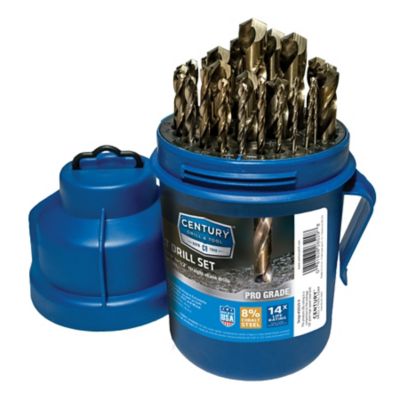
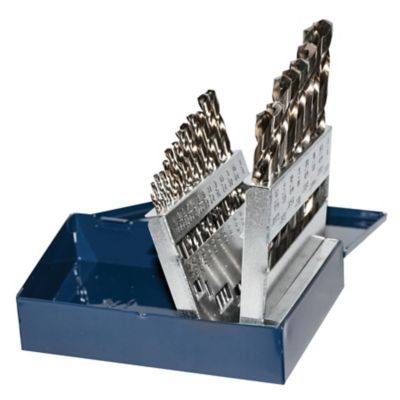
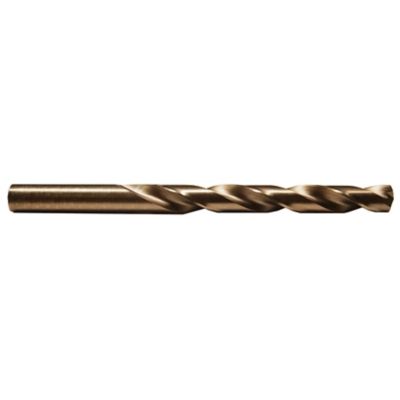
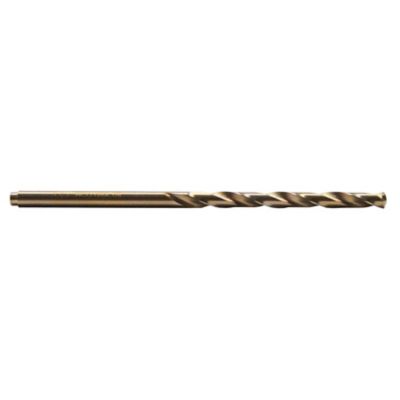
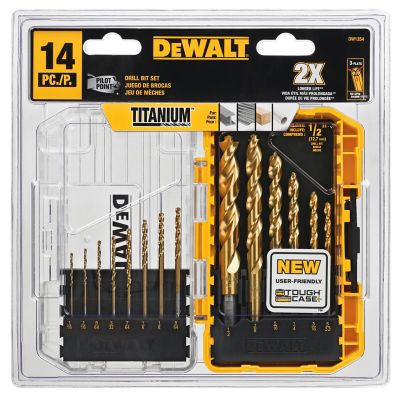
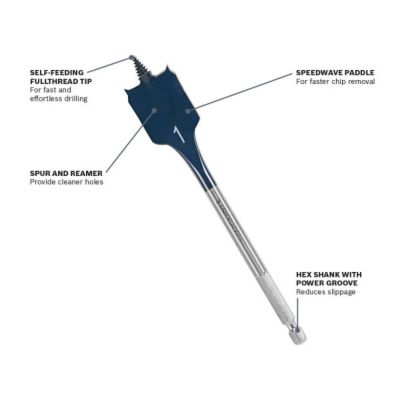
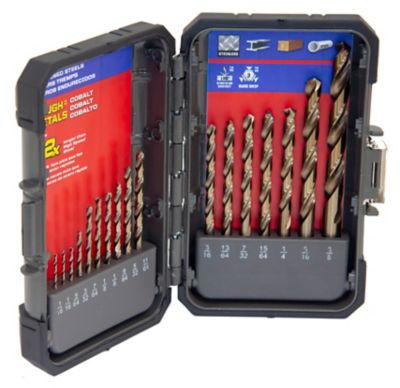
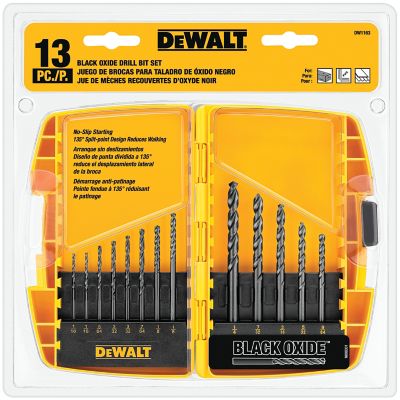
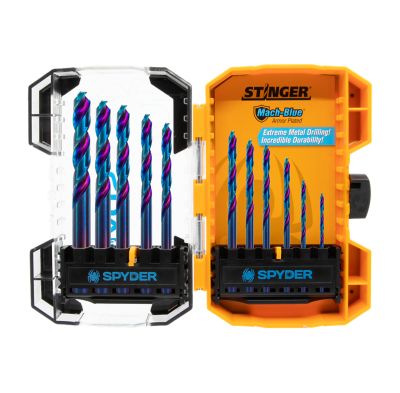
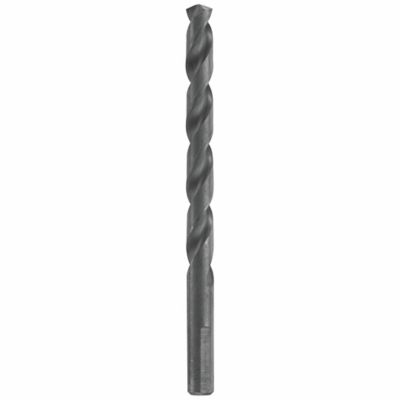
Drill bits for stainless steel sinks are made for the careful, controlled work that comes with adding a faucet, soap dispenser, sprayer, filtered-water tap or other sink accessory. Stainless steel may look thin and easy to cut, but its tough surface can quickly dull an ordinary bit, especially when heat and friction build up. For this type of project, look for cobalt or AlTiN-coated high-speed steel (HSS) bits, with step drill bits being a handy choice for enlarging a hole to a common faucet opening. A step bit lets you start with a small opening and gradually move through larger diameters, which can be useful when fitting accessories with different mounting requirements. Many sink faucets use an opening around 1-3/8 inches, but the correct size depends on the faucet or accessory, the mounting hardware and the sink manufacturer’s specifications. Check those measurements before drilling, and make sure the chosen location leaves room beneath the sink for the shank, retaining nut, water lines and any tools needed for tightening. A cobalt twist bit can help create a pilot hole when starting from a solid section of metal, while a step bit can then enlarge that opening neatly. Standard black oxide or general-purpose carbon steel bits may seem convenient, but they can overheat, lose their edge and struggle against stainless steel. Choosing a bit designed for hard metal gives homeowners, maintenance workers, plumbers and do-it-yourselfers better control during a sink installation or repair.
Preparation makes a noticeable difference when drilling stainless steel. First, confirm that the hole location will not interfere with the sink basin, supports, backsplash, cabinet frame or plumbing below. Cover the surrounding area with a sturdy cloth or painter’s tape to help protect the finish and catch small metal shavings, then mark the center of the opening. A center punch and light hammer tap create a small dimple that helps keep the bit from skating across the smooth surface. Use a power drill in its lowest speed setting, apply firm and even pressure, and let the cutting edge do the work instead of forcing the tool at high speed. Stainless steel can work-harden when it gets too hot or when a bit rubs without cutting, leaving a hardened spot that is much harder to penetrate. Cutting oil, three-in-one oil or another suitable metal-cutting lubricant helps reduce heat and friction; apply it as needed throughout the drilling process, especially when making a larger opening. Keep the drill aligned as straight as possible, and pause when necessary to let the metal and bit cool. A step bit should be advanced one stage at a time, checking the hole size against the accessory rather than rushing past the needed diameter. For a thicker sink deck or a location with limited access, take extra care to maintain a steady grip and avoid twisting the drill as the bit breaks through. Eye protection, work gloves suitable for handling sharp metal and a clean work area are important parts of the job. Keep loose clothing, cords and hands away from the rotating bit, and disconnect or protect nearby plumbing and electrical components before beginning.
After the opening reaches the required size, inspect the edge carefully. Drilling can leave a thin lip or sharp burr on both sides of the stainless steel, so smooth the edge with a metal file, deburring tool or fine-grit sandpaper. Wipe away the oil and metal dust before setting the faucet or accessory in place, and follow the installation instructions for the gasket, sealant and mounting hardware. A clean, properly sized hole helps the accessory sit flat and reduces the chance of movement or leaks around the base. These bits are useful for more than a single kitchen upgrade: they can help with a utility sink in a mudroom, a laundry-room basin, an outdoor wash station or a replacement sink where the available accessory openings do not match the existing setup. They also make a practical addition to a tool box for a new homeowner, hands-on family member or anyone who handles property maintenance, though the job is best suited to someone comfortable measuring, securing work and using a drill safely. For projects involving a porcelain, ceramic or tiled surface rather than stainless steel, choose a bit made for that material, such as the options found in
Drill Bits for Ceramic Tiles. Whether preparing a sink during a kitchen refresh, replacing worn hardware during the cooler months or keeping a farm and household maintenance kit ready, the right bit, lubricant and steady technique can help produce a clean opening without unnecessary damage to the sink.