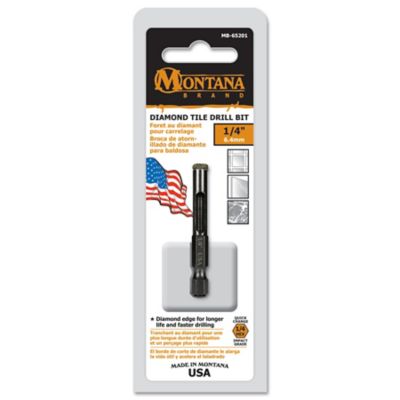
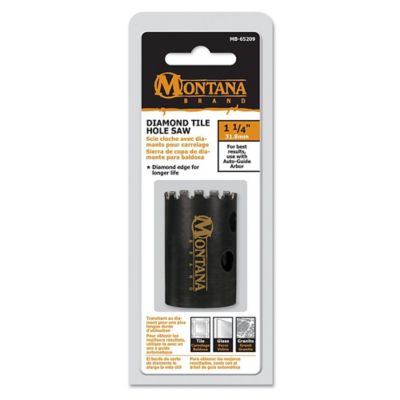
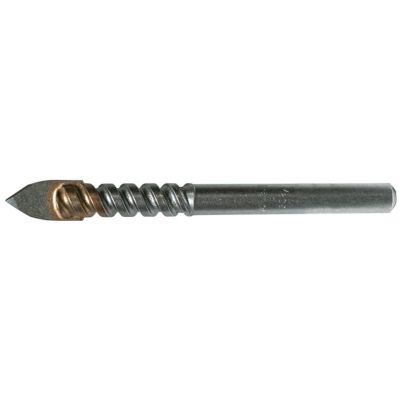
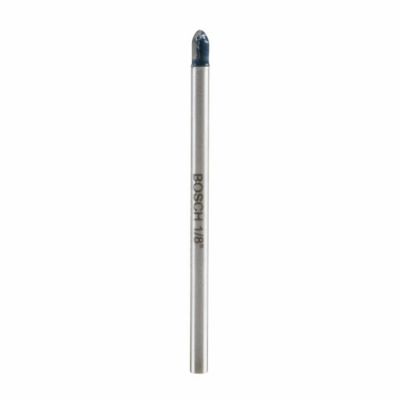
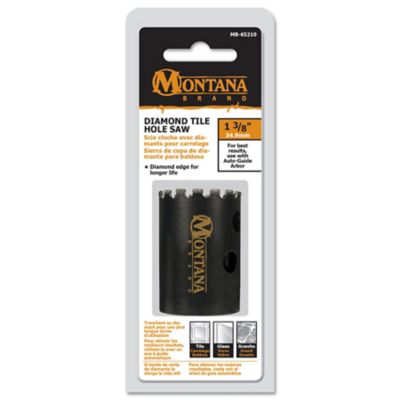
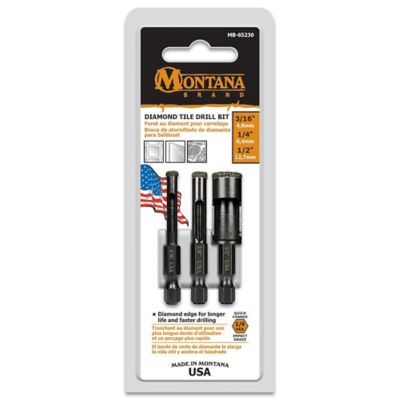
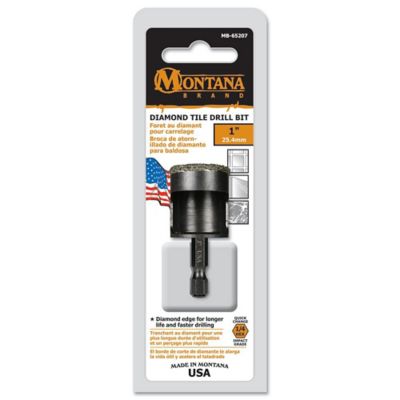
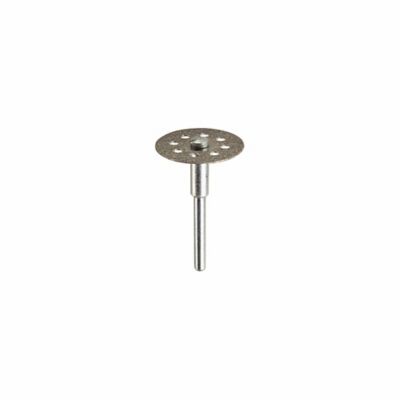
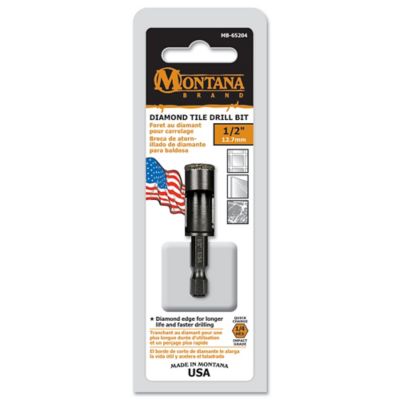
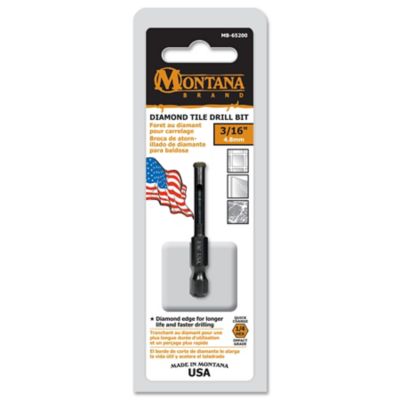
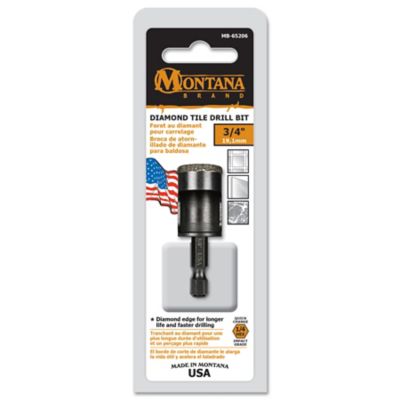
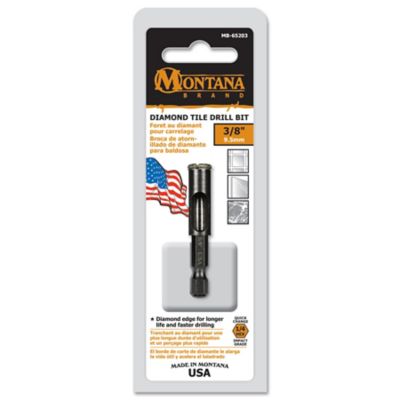
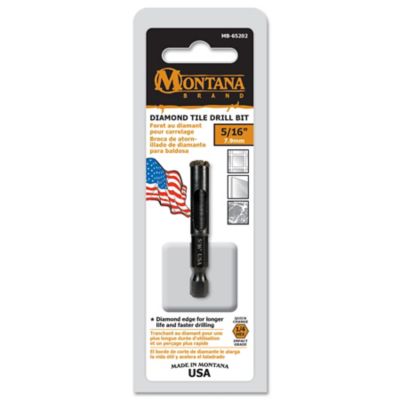
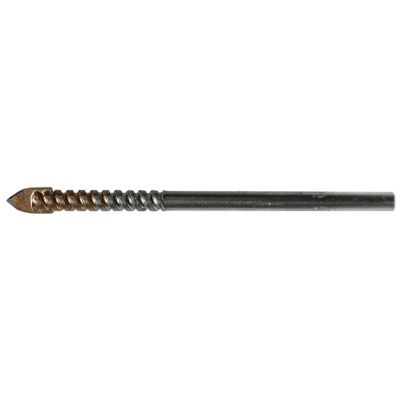
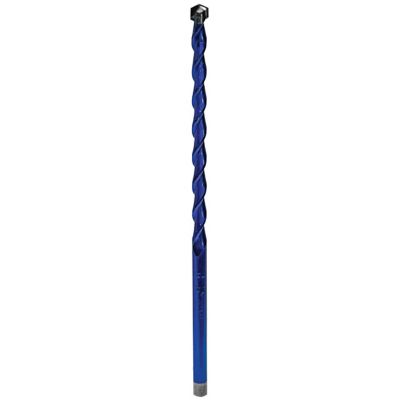
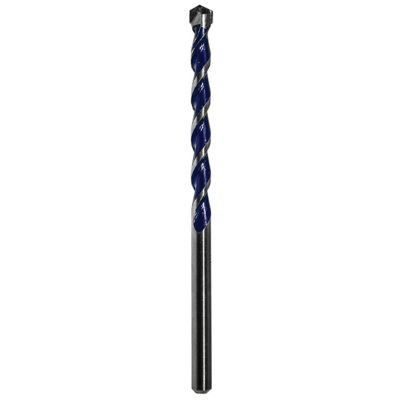
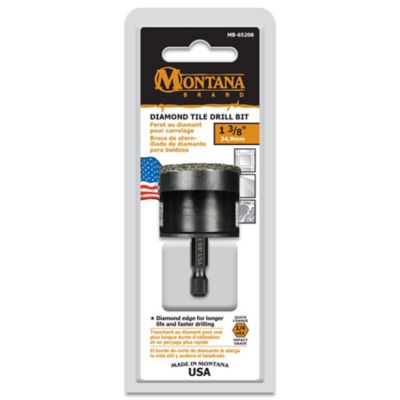
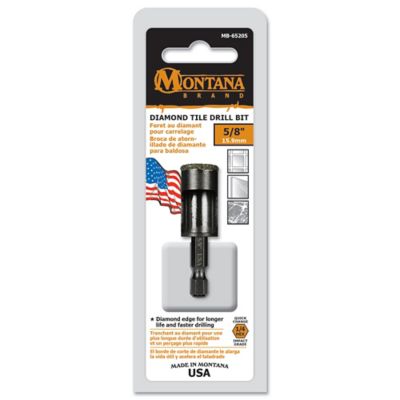
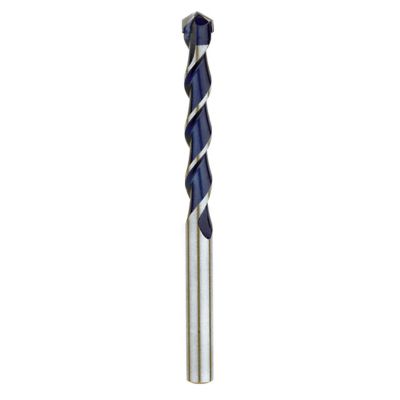
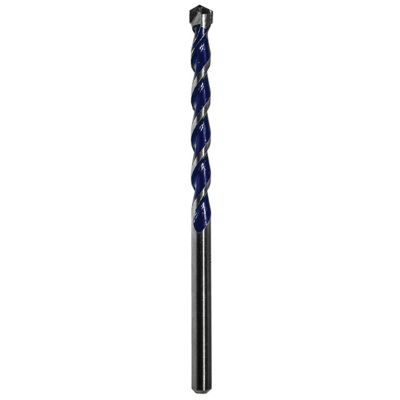
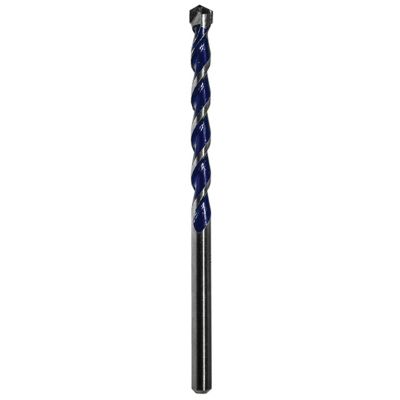
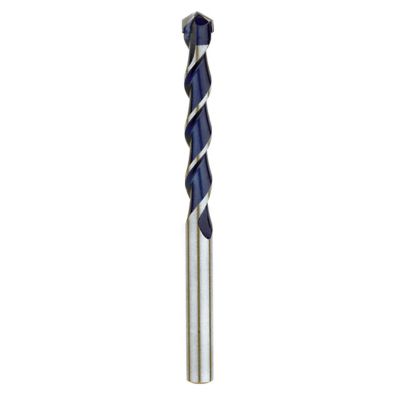
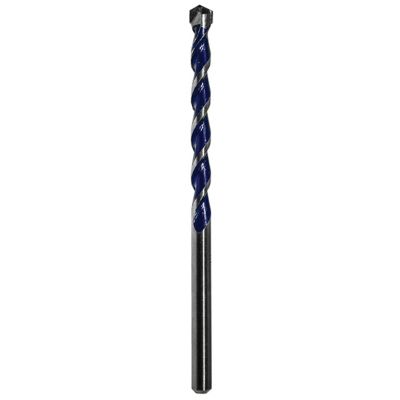
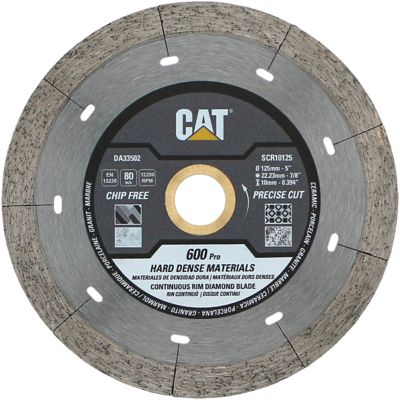
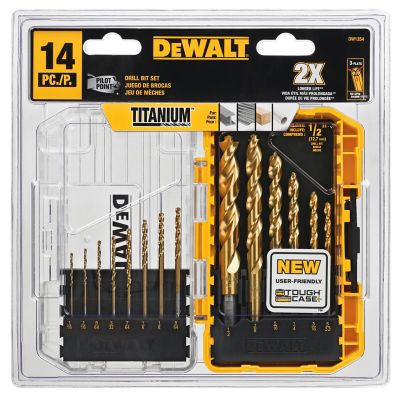
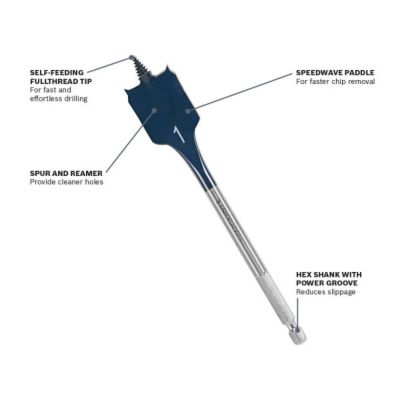
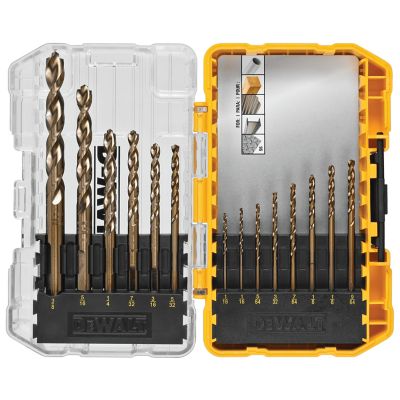
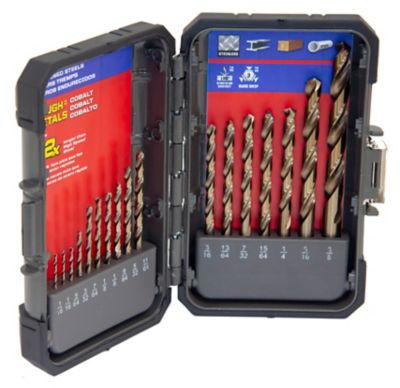
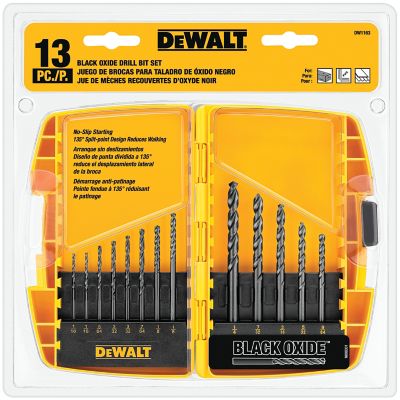
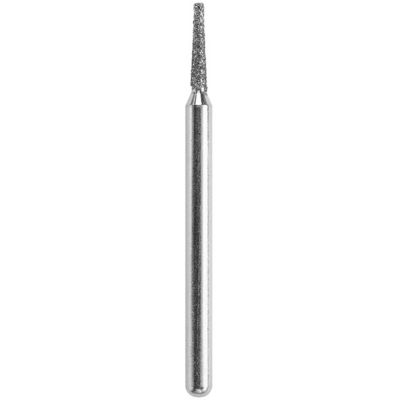
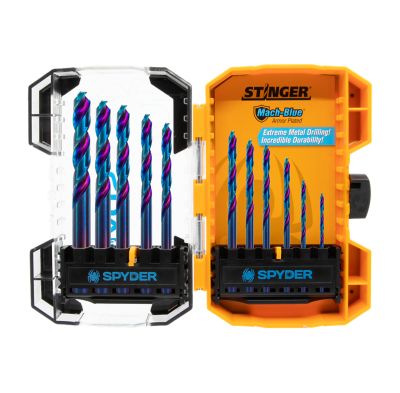
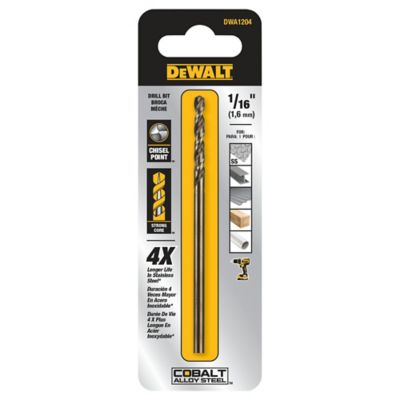
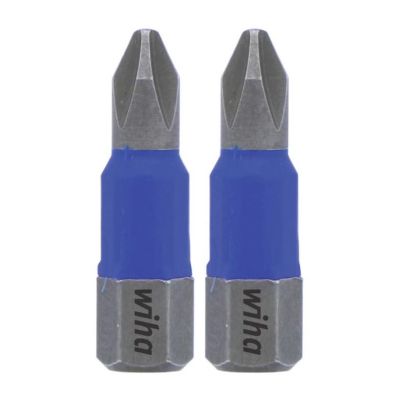
Drill bits for porcelain tiles are made for one of those jobs where the right tool makes all the difference. Porcelain has a dense, hard surface that holds up well to water, mud, daily wear and busy household traffic, but that same toughness can make drilling a regular hole difficult. A general-purpose twist bit may skate across the glazed finish, heat up quickly or leave a chipped, rough opening. Specialized tile bits use diamond grit, carbide tips or other hardened cutting surfaces to grind through porcelain with better control. They can be useful for setting towel bars, grab bars, shelves, shower fixtures, cabinet hardware, plumbing trim, electrical boxes and other fittings in tiled walls or floors. They also make a practical addition to a contractor’s tool box, a remodeling kit or a home maintenance drawer, especially for someone tackling bathroom updates, kitchen repairs or rental property work. When shopping, start with the hole diameter required by the anchor, fastener or fitting rather than choosing a bit by appearance alone. Small holes for screws and wall anchors typically call for a pointed carbide-tipped bit, while wider openings for pipework or plumbing hardware are commonly made with diamond hole saws or diamond core bits. Check the package for the bit’s size range, cutting depth and recommended materials, since a bit intended for ceramic tile may not have the strength needed for thick, dense porcelain. It is also worth checking the shank style and size against the drill you plan to use. A standard round shank fits many household drills, while hex shanks can make changing bits easier and may suit compact drivers. For additional drilling work around the shop or farm, browse
Drill Bits for Impact Drills, keeping in mind that porcelain tile work generally calls for rotary action without hammering.
A steady setup helps protect both the tile and the person doing the work. Before drilling, mark the center of the hole with a pencil, wax marker or a small piece of masking tape. The tape can give the bit a little extra grip on a slick glazed surface and helps make the mark easier to see. Confirm what is behind the tile before starting, including plumbing lines, wiring, wood framing, drywall, cement board and waterproofing layers. If the hole is near an edge, corner or grout joint, take extra care; porcelain is strongest when it is supported and may be more likely to crack when a hole is too close to a vulnerable spot. Set the drill to rotary mode and turn off hammer action. Begin at a slow speed with gentle pressure, allowing the diamond or carbide cutting edge to wear away the tile instead of forcing it through. On a larger hole, holding the bit slightly tilted at first can help it score a small arc in the glaze. Once the bit has established a track, bring the drill upright and continue straight. A simple guide, such as a commercially made drilling guide or a scrap board with a hole cut to size, can help keep a larger bit from wandering. For wet-rated diamond bits, a light stream or frequent dabbing of clean water can carry away dust and reduce heat. Keep water away from the drill motor, cords and electrical connections, and follow the bit manufacturer’s instructions on whether wet or dry use is allowed. Dry diamond bits are convenient for small jobs and overhead work, but they still need brief pauses so the cutting surface can cool. If the bit becomes excessively hot, the glaze starts discoloring or progress slows sharply, stop and let everything cool before continuing. Wear eye protection, keep loose clothing and hair away from the rotating tool, and use respiratory protection where dry cutting creates fine dust. After the bit passes through the porcelain, ease up on pressure as it reaches the backing material so the hole does not chip on the way out.
Choosing the right drill bit for porcelain tiles also means matching the tool to the job’s location and the person using it. A homeowner installing a bathroom shelf may only need one small, precise hole, while a tile setter or remodeler may prefer a range of diamond sizes for faucets, drains, shower controls and conduit. A property owner preparing a rental for new tenants can keep several common sizes on hand for quick repairs, and a maintenance worker may value bits that can handle repeated holes without losing their cutting edge. These bits can make a thoughtful gift for someone who enjoys weekend renovation projects, builds custom kennels or wash stations, or regularly works on kitchens, mudrooms and utility rooms. They are especially handy during the cooler months, when indoor repairs and finishing projects often move to the front of the list. Look for clear size markings, a sturdy construction and instructions that explain suitable materials, drilling speed and cooling requirements. Consider whether the job calls for a single hole or a set of sizes, whether access is straight on or awkward, and whether the bit will be used on wall tile, floor tile or thick porcelain slabs. A quality bit should be treated as a precision cutting tool rather than a standard disposable drill accessory. Store it clean and dry, protect the cutting edge from knocks, and remove tile dust after use. With a properly sized bit, a supported work surface, low rotary speed and a light, patient touch, porcelain tile can be drilled cleanly for the hardware that keeps a home, shop or outbuilding working the way it should.