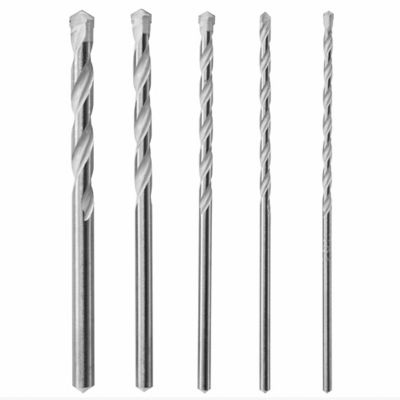
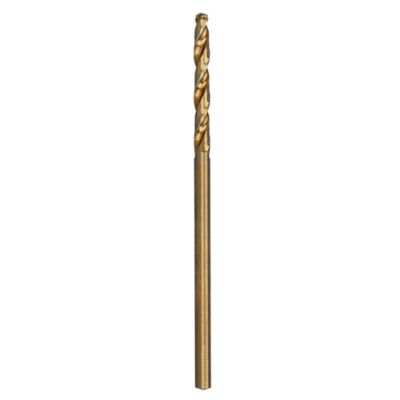
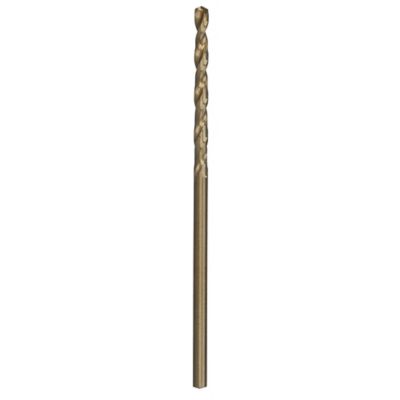
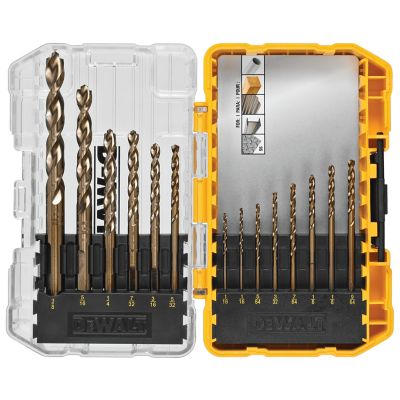
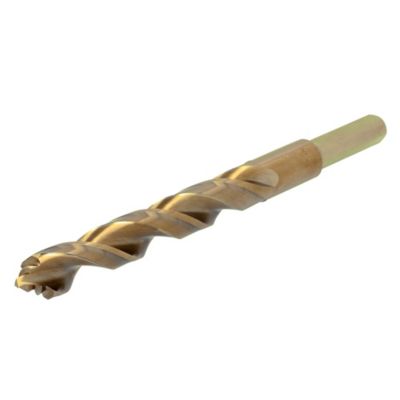
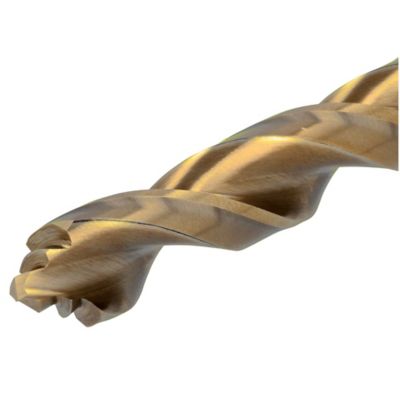
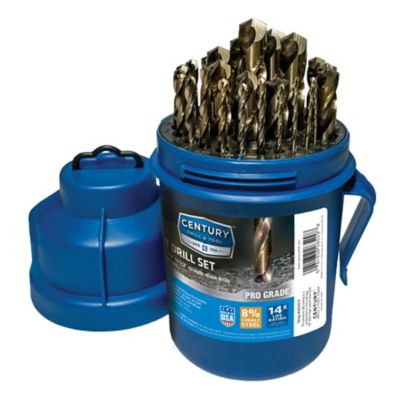
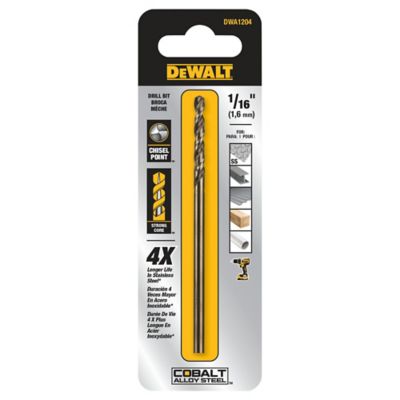
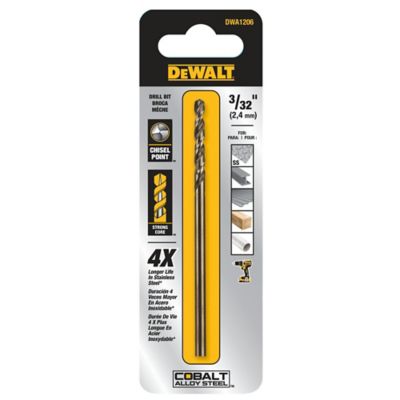
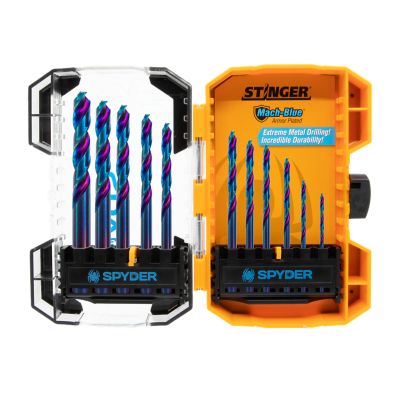
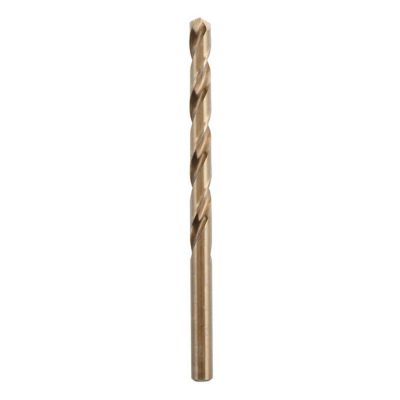
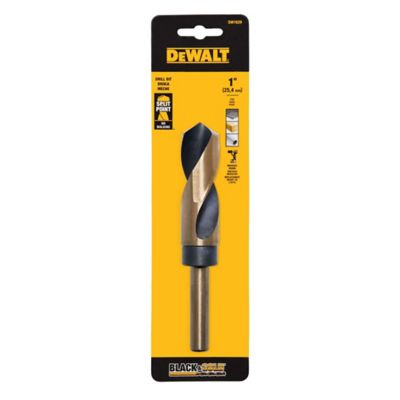
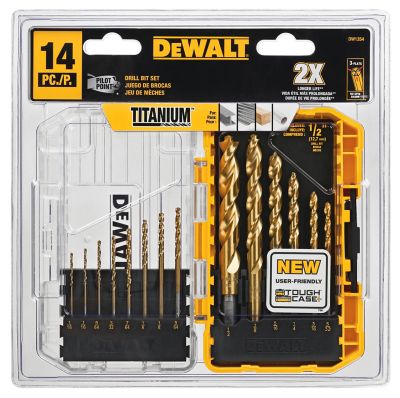
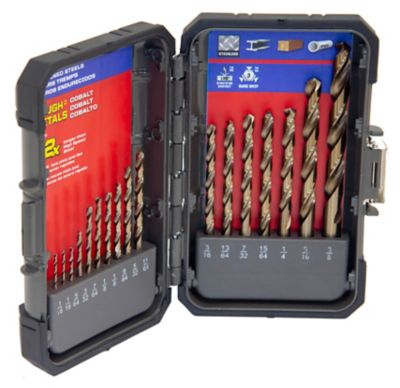
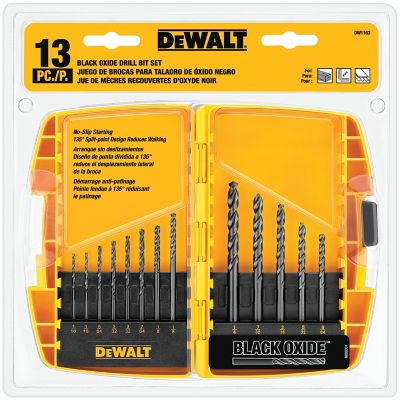
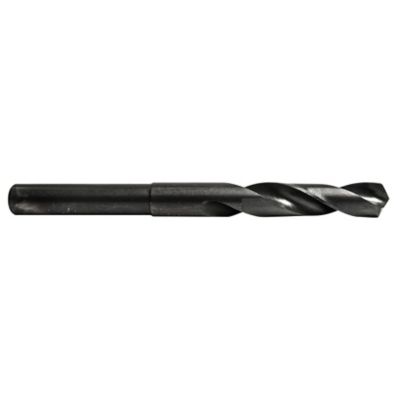
Drill bits for metal studs are made to cut steel rather than push through it like a wood bit. High-speed steel twist bits are a practical choice for many light-gauge steel studs, while cobalt-alloy high-speed steel bits offer greater heat resistance for tougher steel and repeated drilling. Titanium-nitride-coated HSS bits are another option, with a hard surface coating that helps reduce friction at the cutting edge. That coating is not the same thing as a solid titanium bit, and it does not replace the need for a sharp edge and the right drilling speed. For thin sheet steel, step drill bits can also be a good fit, especially when a project calls for enlarging a round hole without the grabbing that can happen with a large twist bit. The right choice depends on the stud thickness, hole diameter, and amount of drilling ahead. Steel framing in a workshop partition may call for a different bit than heavier framing around a commercial doorway, even when both look much the same behind the wall covering. A lower gauge number generally indicates thicker steel, though the actual material thickness listed for the framing is the better reference. Galvanized studs also have a protective zinc coating, but the bit still needs to cut the steel underneath. For a handful of small holes, a sharp HSS bit may be enough; for repeated holes in heavier material, cobalt-alloy construction may make more sense. Neither material makes a dull bit cut well, and neither prevents damage from excessive pressure. The broader family of
Metal Drill Bits includes different cutting shapes, lengths, and shank styles, so matching the bit to the framing and the drill matters as much as choosing its material. Whether the job involves a utility-room partition, shop shelving, or brackets on a steel-framed wall, a bit suited to the metal helps make a clean opening without unnecessary tearing or distortion.
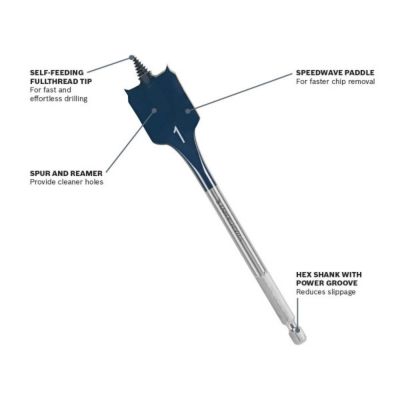
Size and fit deserve a close look when choosing drill bits for steel studs. The marked diameter describes the hole the bit is intended to cut, not the size of screw it automatically matches. A pilot hole, a clearance hole, and an opening for an anchor can require different diameters, even within the same project. Fastener instructions are the right reference for that match, particularly with thin steel, where an oversized hole can leave too little material for screw threads to grip. Some self-drilling screws are designed to make their own hole within a stated range of steel thicknesses, so a separate pilot hole is not always part of the fastening system. Twist bits offer individual diameters for small holes, while step bits provide several hole sizes on one cutting body. With a step bit, the length of each step limits the material thickness it can cut at that diameter; it is not automatically a substitute for a twist bit in thicker steel. Split-point tips can help reduce wandering at the start, especially on a smooth stud face, while shorter bits generally flex less when the work allows close access. Longer bits offer reach but need more room and steady alignment. Shank shape matters, too. Round shanks fit a compatible drill chuck, and hex shanks can offer a firmer grip, but a hex shank alone does not mean a bit is rated for impact operation. Chuck capacity and the bit maker’s tool recommendations should line up before the job starts. Variable-speed rotary drilling gives better control than hammer action on thin steel framing. Suitable speed depends on bit diameter, material, and the manufacturer’s recommendations rather than one RPM setting for every hole. Larger diameters generally call for slower speeds, and steady cutting pressure helps the edges remove metal instead of rubbing against it. A small pilot hole can help with some larger twist bits, while certain split-point and step-bit designs can start without one.
The job beyond the hole matters just as much as the bit itself. Metal stud walls may carry drywall, shelving, cabinets, or equipment brackets, but a clean opening does not establish how much weight the wall can support. Heavy loads can require backing, reinforcement, or a fastening system intended for steel framing. The framing design and fastener specifications determine that connection, not the bit’s coating or the neatness of the hole. Open framing also presents different concerns from a finished wall, where wiring, piping, or another service may sit out of sight. Existing factory-punched openings can provide routes for services without additional drilling, and new openings should follow the framing manufacturer’s requirements and applicable building rules. Holes through a stud web and alterations to its flanges are not interchangeable. Where wiring passes through steel, suitable bushings or grommets help protect insulation from sharp edges. These details are especially relevant in a farm office, garage workspace, or utility building where shelving and service lines may share the same wall. On the tool side, sharp edges and sensible care help a bit stay useful across more jobs. Cutting fluid suitable for the metal and application can reduce friction, although the bit maker’s recommendations should govern its use. A loose piece of stud needs secure support, since a catching bit can spin the work or bend thin steel. Eye protection matters around the small, sharp chips that drilling leaves behind, and loose clothing needs to stay clear of rotating tools. After the work, removing chips and residue and storing bits dry helps limit rust and keeps cutting edges from knocking against other tools. Proper sharpening can restore suitable HSS and cobalt-alloy bits, though sharpening a coated bit removes coating at the reground edge. Bent shanks, chipped tips, and heavily worn edges are signs that a bit needs attention before another hole. Matching material, diameter, reach, and tool compatibility keeps the selection grounded in the work, whether that means occasional repairs or regular steel-framing jobs.