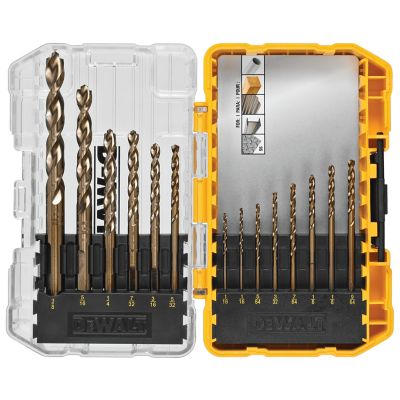
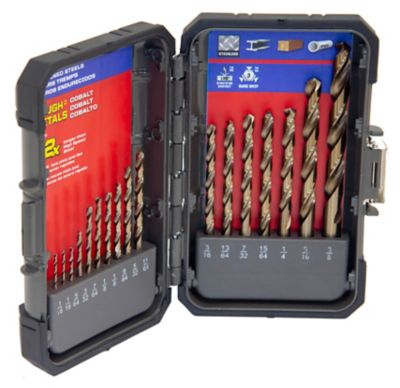
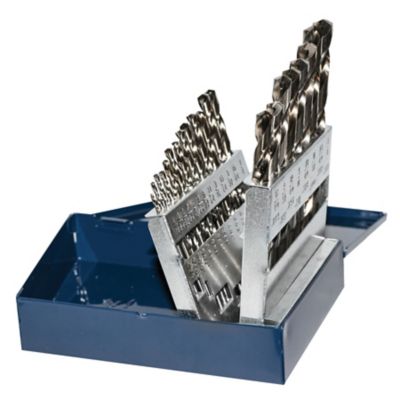
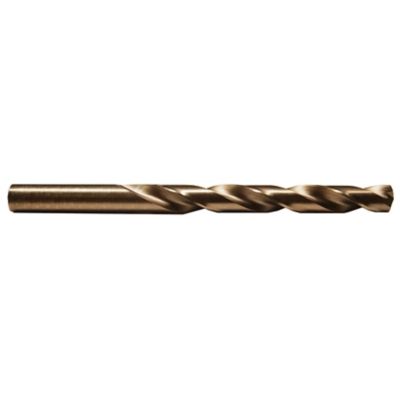
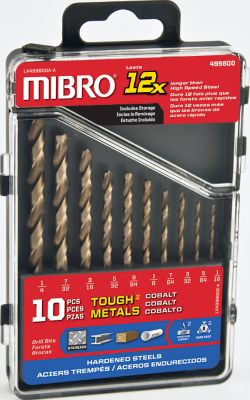
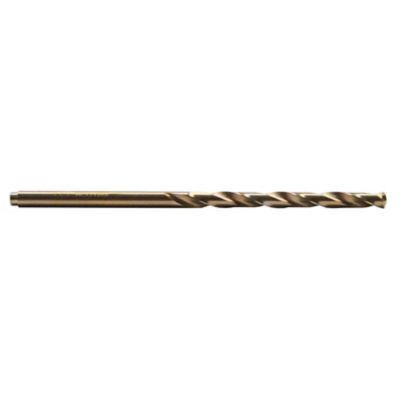
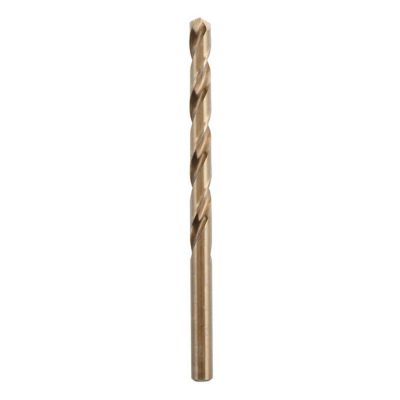
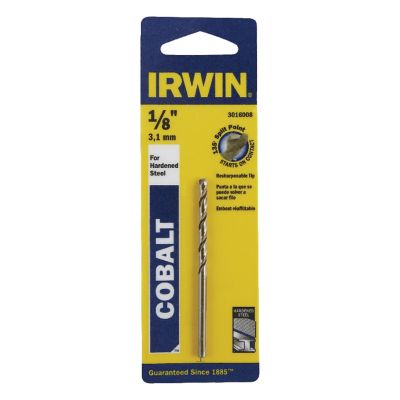
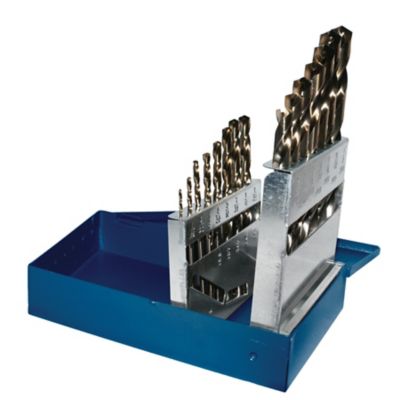
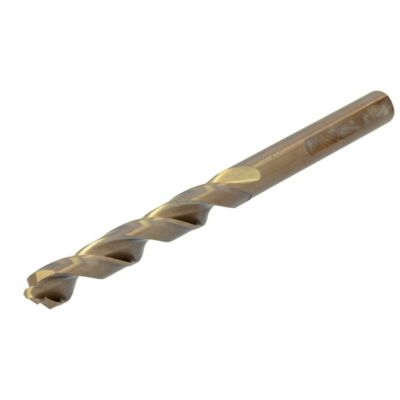
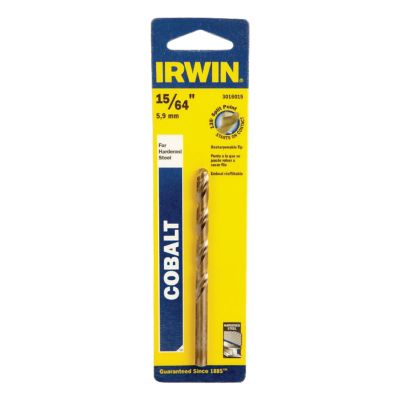
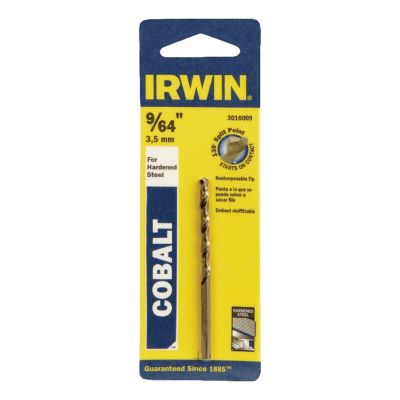
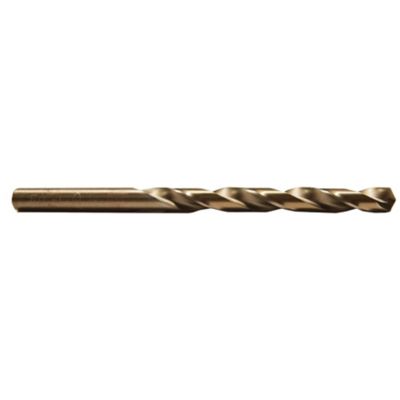
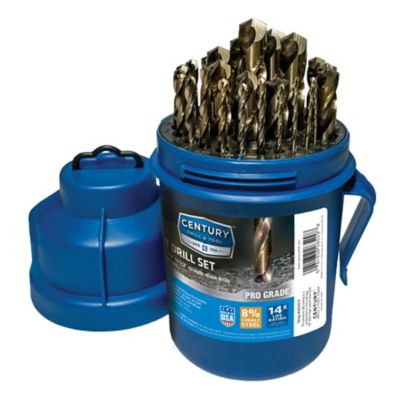
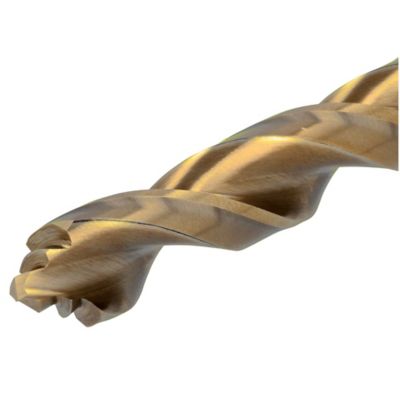
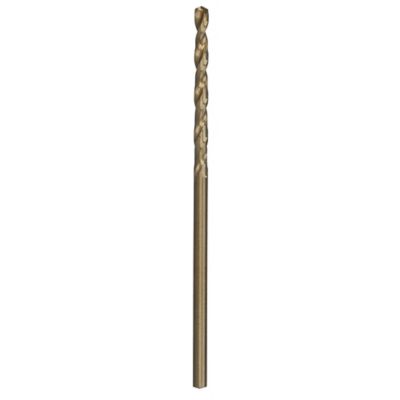
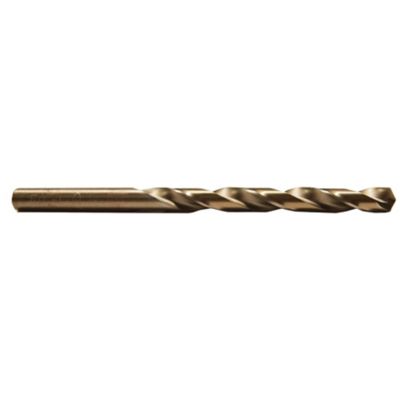
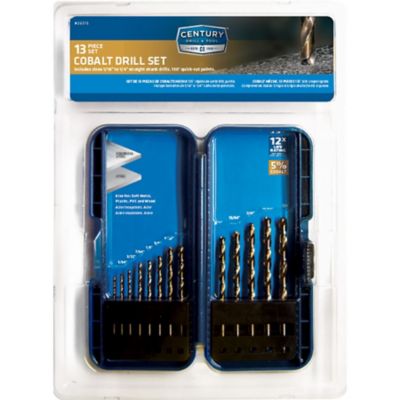
Cobalt drill bits for stainless steel combine high-speed steel with cobalt to help their cutting edges hold their hardness under the heat and friction of drilling tough metal. That heat resistance makes them a practical choice for stainless brackets, sheet metal, tubing and plate, where an ordinary bit can lose its edge before the hole is finished. The cobalt is part of the steel alloy throughout the bit, not just a surface coating, so properly sharpening the cutting edges does not remove that benefit. Common cobalt-bearing high-speed steel grades contain about 5% or 8% cobalt, with higher-cobalt alloys generally offering greater heat resistance. The right choice still depends on the stainless alloy, material thickness and drilling setup rather than cobalt content alone. Stainless steel can work-harden when a cutting edge rubs instead of making a chip, leaving a tougher spot that is harder to drill. A sharp cobalt bit, suitable cutting speed and steady feed pressure help address that challenge. For folks maintaining equipment around a farm, fitting hardware in a shop or building a stainless work surface, these bits fill a different role than general-purpose bits intended mainly for wood or softer metals. They make sense for fabricators, mechanics, maintenance crews and hands-on property owners who regularly run into stainless fasteners, mounting plates or metal enclosures. A clean mounting hole in a stainless bracket matters when a bolt needs to sit square and the finished assembly needs to line up without forcing it. Cobalt bits can also cut many other metals, though suitability varies with the alloy and its hardness. They are not a catchall answer for every hardened steel or specialty material. Matching the cutting tool to the job helps protect both the bit and the part, especially when replacing a damaged panel or remaking a bracket would mean extra work. For repeated stainless drilling, edge retention and control matter just as much as getting through the first hole.
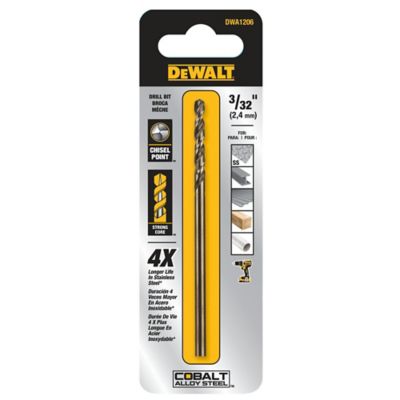
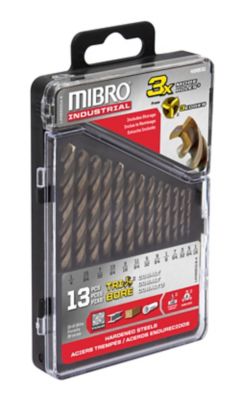
Size, point design and shank fit all deserve a close look when comparing cobalt drill bits for stainless steel. The diameter needs to match the finished hole, including the clearance a bolt or other fitting requires; the nominal fastener size does not always equal the hole size. Fractional-inch sizes suit many common shop tasks, while metric or numbered sizes may matter for equipment repairs and holes that will later be tapped. A set with closely spaced sizes supports a range of jobs, while individual sizes make sense for repeated holes in the same hardware pattern. Cutting length matters, too. A longer bit can reach farther, but extra length also allows more flex, so a shorter suitable bit often offers better control when access permits. Many cobalt bits have a 135-degree split point that helps the tip start with less wandering and reduces the pressure needed to begin cutting. Point geometry varies, however, and thin sheet can still require careful support to keep the bit from grabbing as it breaks through. Round, hex and reduced shanks have different fit considerations, so chuck capacity and the drill manufacturer's requirements should match the bit. A larger cutting diameter does not necessarily mean a larger shank, and a shank that fits the chuck does not mean the drill has enough torque for the cut. A drill press provides steady alignment for suitable parts, while a handheld drill offers access when the work cannot come to the bench. Either setup benefits from a securely held workpiece. Stainless generally calls for lower rotational speeds than softer metals, with speed adjusted for bit diameter, alloy and the tool maker's recommendations. Larger bits ordinarily need slower speeds than smaller ones. Steady chip formation is a better sign than a bit spinning fast and polishing the surface. Cutting fluid intended for the metal and application helps reduce friction and manage heat, giving the cutting edges a better chance to keep working through the hole instead of wearing down against it.
Care and handling have a lot to do with how long cobalt drill bits keep cutting well. Their hardness and heat resistance do not make them immune to damage; cobalt-bearing high-speed steel can be more brittle than conventional high-speed steel, particularly when the bit is bent or pushed sideways. Straight alignment, firm workholding and a setup that limits chatter help protect the tip and flutes. A stainless strap clamped flat on a drill-press table presents a different challenge from a curved tube or a thin sink basin, so workpiece shape matters as much as thickness. For plumbing projects,
Drill Bits For Stainless Steel Sinks brings attention to another application where hole diameter, material support and the finished edge deserve care. Small mounting holes and larger faucet openings may call for different cutting-tool styles; a standard twist bit is not the right shape for every opening. Whatever the project, sharp chips and burrs are part of drilling stainless, making eye protection, secure clamping and suitable deburring tools important companions. Gloves, loose sleeves and loose jewelry should stay away from rotating machinery. After drilling, clearing chips with the tool stopped helps prevent cuts and keeps metal fragments out of the storage case. Clean, dry bits stored in separate slots are less likely to rust or knock against one another, and protected cutting edges are easier to inspect before the next job. A bit that begins squealing, rubbing or demanding noticeably more pressure may need attention rather than more force. Proper resharpening can restore a serviceable edge when enough sound material remains, but maintaining the point angle and cutting geometry takes the right equipment and skill. Thoughtful selection and care make cobalt bits a useful part of a metalworking kit, whether the next task is mounting a stainless guard, repairing a worktable or fitting hardware that needs a clean, consistent hole.