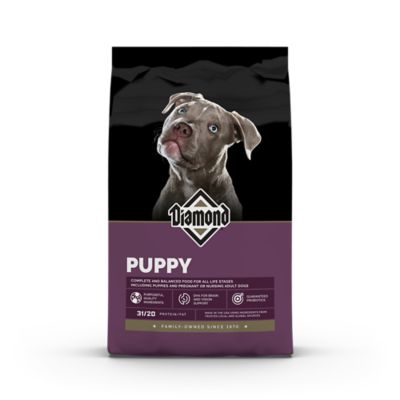
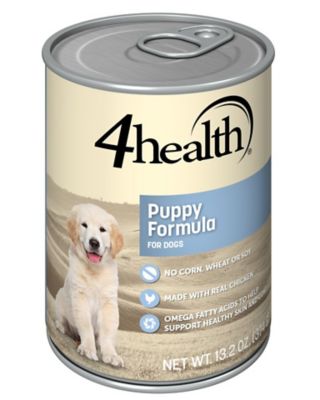
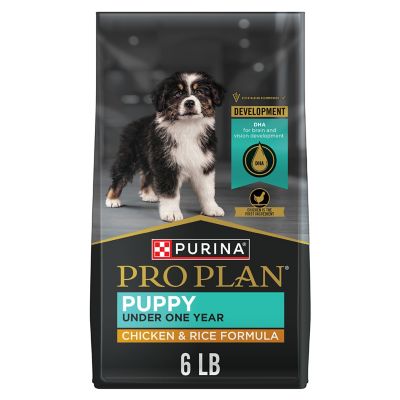
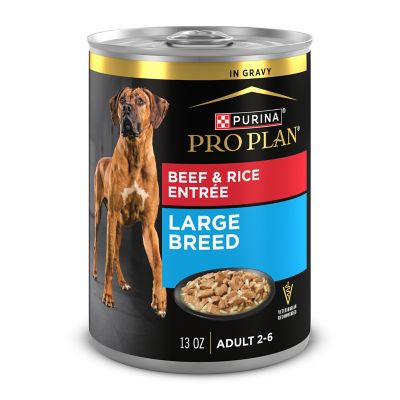
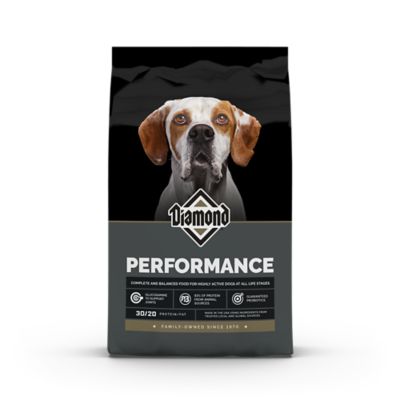
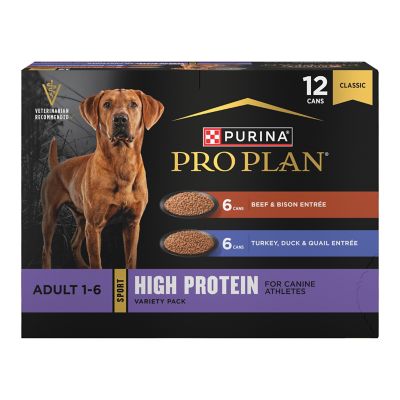
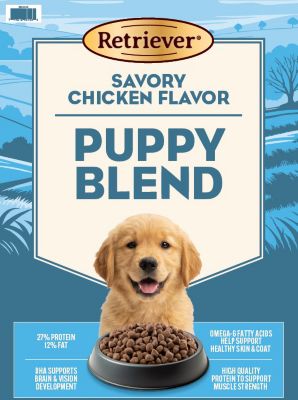
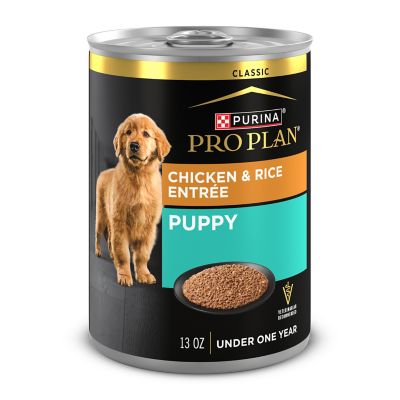
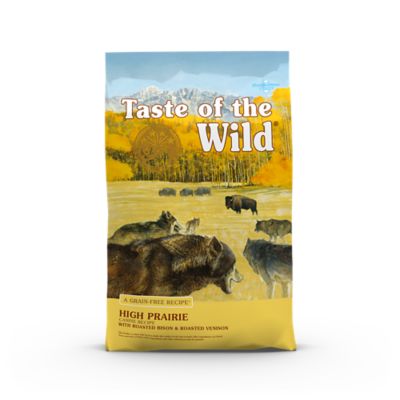
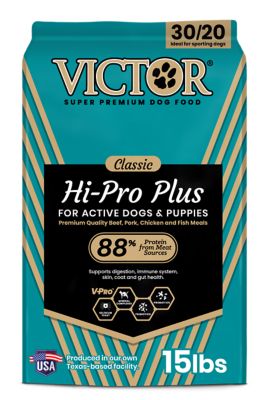
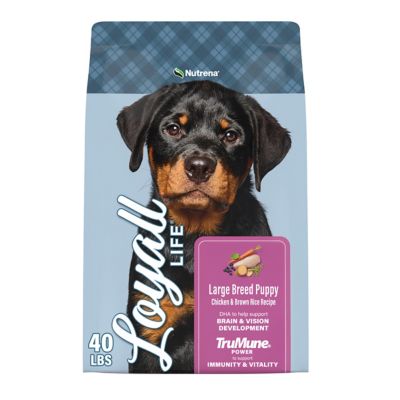
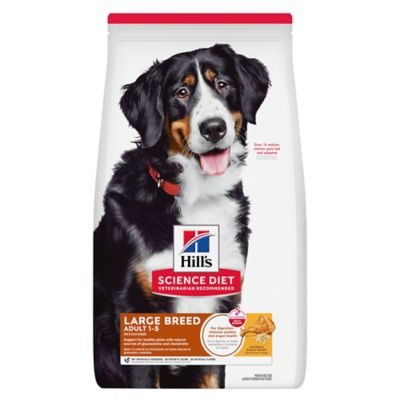
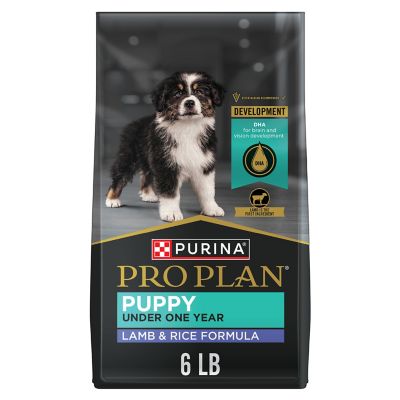
Dog food for nursing dogs needs to deliver concentrated calories and complete, balanced nutrition for the demanding job of producing milk. Foods formulated for growth and reproduction, including suitable puppy foods and all-life-stages recipes, can provide the energy, protein, fat, vitamins, and minerals a nursing mother needs. The nutritional adequacy statement matters more than a picture of puppies on the bag: it should indicate that the food meets AAFCO nutrient profiles for growth and reproduction or is substantiated through appropriate feeding tests. An adult-maintenance formula alone is not intended to meet the higher nutritional demands of lactation. For a mother settled beside a busy litter in a whelping box, meals help support both her own body condition and the milk her puppies depend on. Protein supplies amino acids for maintaining body tissues, while fat provides a concentrated source of energy. A nutrient-dense recipe can help her take in more nourishment without requiring an unmanageably large volume of food. That matters when trips to the food bowl are squeezed between feeding, cleaning, and resting with the pups. Energy needs vary with the mother’s size, body condition, stage of lactation, and number of puppies. A small dog raising several pups may face a very different feeding demand from a larger dog nursing a small litter, so a single cup amount does not fit every mother. Milk production generally places its greatest demands on her several weeks after birth, and the amount she needs may change as the puppies grow. Package feeding information provides a starting point, while a veterinarian can help match daily intake to the individual dog. For breeders, foster families, rescue caretakers, and households raising a litter, the best fit is a food with the right life-stage statement, enough calories, and a form the mother readily eats.
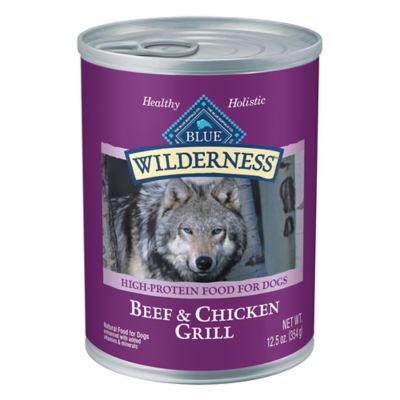
Dry food, wet food, and combinations of the two offer different ways to meet those needs. Dry kibble makes measured meals straightforward and can deliver substantial calories in a relatively small serving, though calorie content varies considerably among recipes. Wet food brings a softer texture, added moisture, and an aroma that may appeal to a mother who is less interested in her usual bowl. Its higher water content also means the amount needed to supply the same calories can look quite different from a serving of kibble. Comparing kilocalories per cup, can, or other stated serving helps put those differences in perspective. When dry and wet foods share the menu, both contribute to the daily calorie total, and both need to fit the overall feeding plan. Kibble size and texture are practical considerations, too, especially for a small mother or a dog with dental concerns. Ingredients such as poultry, meat, fish, eggs, grains, and other carbohydrate sources can each play a role in a balanced formula; the ingredient list alone does not establish whether the finished food supports reproduction. Digestibility and the dog’s response to the recipe matter alongside the label. A familiar food that agrees with her stomach can make feeding simpler during a demanding stretch, while an abrupt switch may bring loose stools or an unsettled appetite. DHA is another nutrient shoppers may notice. This omega-3 fatty acid supports normal brain and eye development in growing puppies and appears in some formulas intended for growth and reproduction. When comparing
dog food with DHA, the life-stage adequacy statement still comes first; DHA on its own does not make a recipe appropriate for a nursing mother. A complete formula also supplies calcium and phosphorus in a planned balance. Adding calcium, vitamin powders, or other supplements without veterinary direction can upset that balance rather than improve the meal.
Everyday feeding arrangements can make the right food easier for a nursing dog to eat consistently. A quiet feeding spot near, but separate from, the puppies gives her room to eat without little feet crowding the bowl. Some mothers do well with several meals spread through the day, while others may need more frequent access to food under a veterinarian’s feeding plan. The goal is enough nourishment to support milk production without overlooking changes in her weight or comfort. A mother can look busy and attentive while still losing more body condition than expected, so her appetite, appearance, and the puppies’ growth all provide useful information. Fresh drinking water belongs within easy reach at all times; wet food contributes moisture but does not replace the water needed during lactation. Food handling matters just as much beside the whelping area as it does in the kitchen. Dry food keeps best in its original bag, tightly closed and protected from moisture, with the bag placed inside a clean, food-safe container if extra protection is needed. Keeping the packaging also preserves the feeding directions, lot number, and best-by date. Open wet food needs refrigeration according to its label, and uneaten portions should not sit out for extended periods. Clean bowls and washed measuring scoops help keep feeding spaces tidy when bedding, towels, and puppy supplies are already taking up room. Treats and table scraps should not crowd out the complete food that supplies the mother’s essential nutrients. As puppies begin eating more solid food and nursing less, the mother’s calorie needs gradually decline, making a planned transition back toward her regular feeding routine important. Poor appetite, pronounced weight loss, vomiting, weakness, or puppies that are not gaining as expected call for veterinary attention rather than another food change alone. A suitable nursing-dog food supports the work of raising a litter, with consistent meals, sensible storage, and individual veterinary advice helping it serve that purpose.