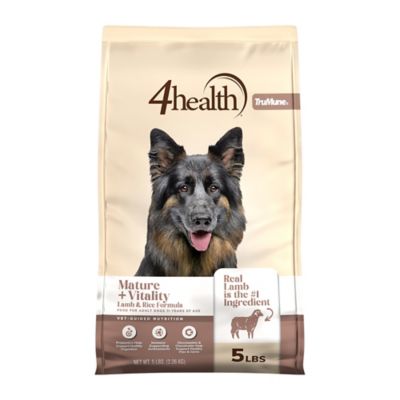
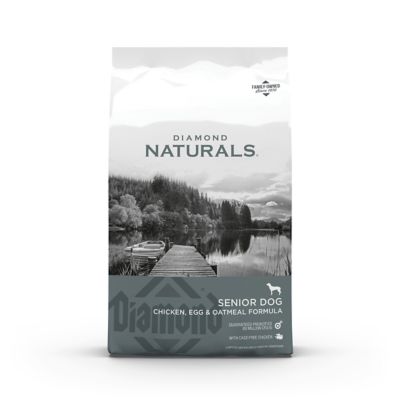
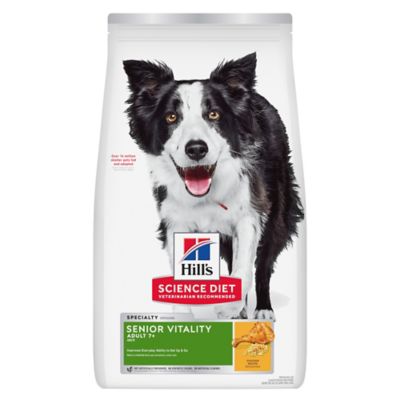
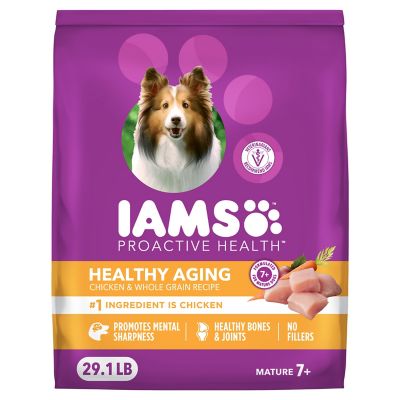
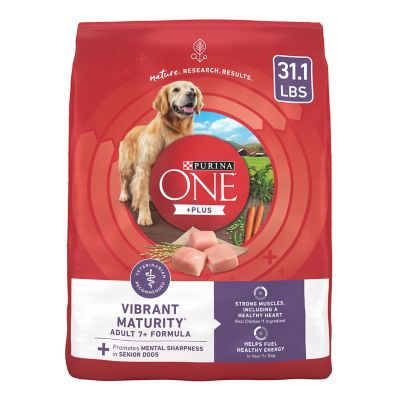
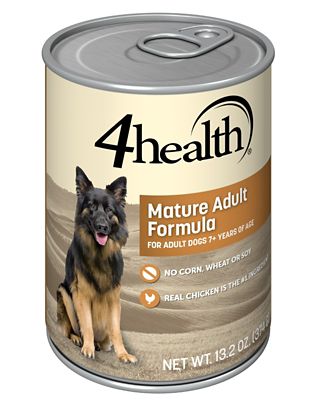
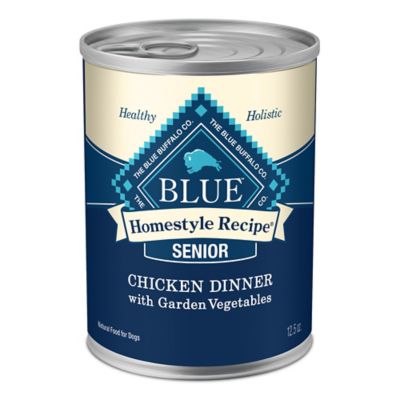
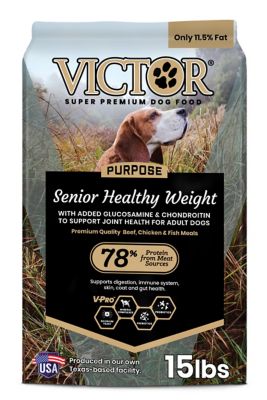
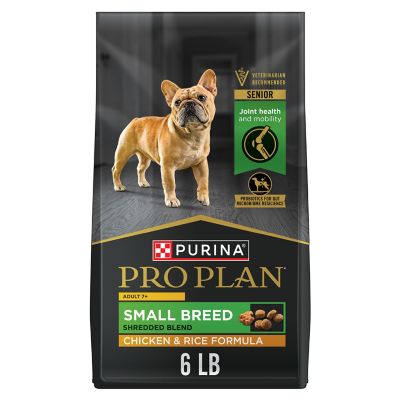
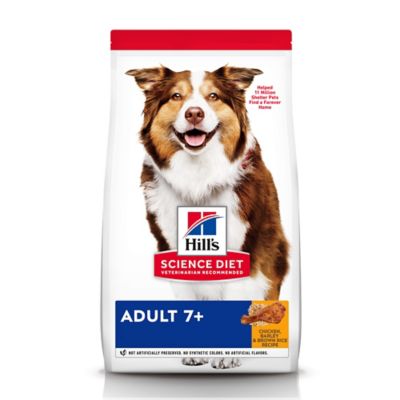
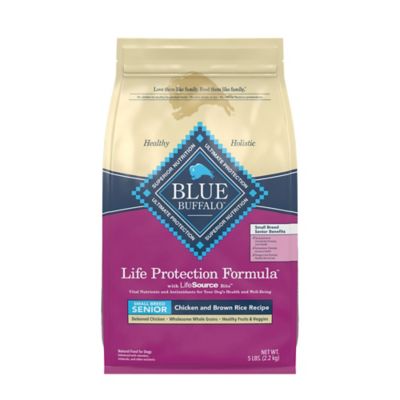
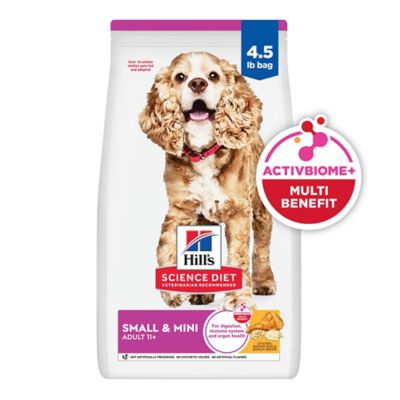
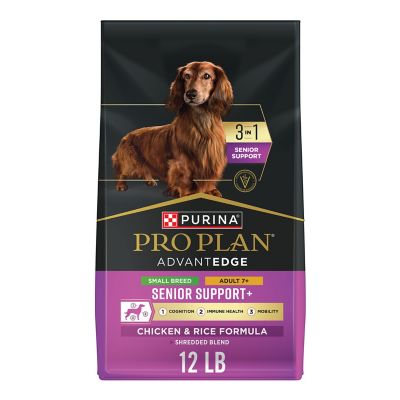
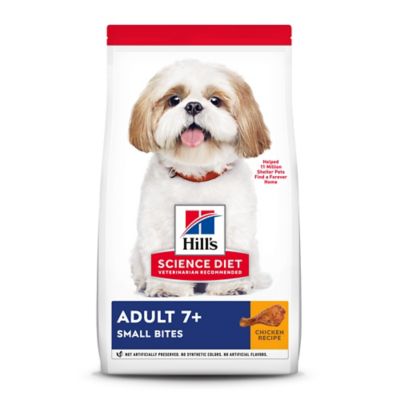
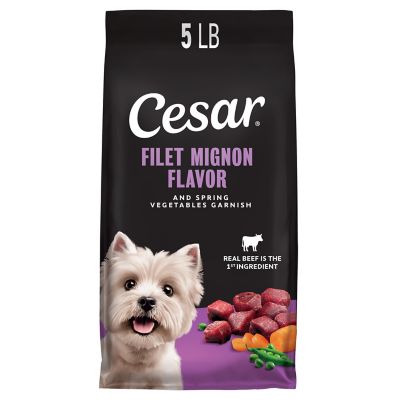
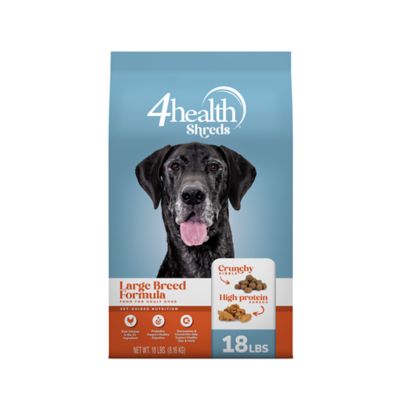
Senior dog food fits a stage of life when a familiar companion may still love a walk along the fence line but spend a little more time resting afterward. The right food helps meet changing nutritional needs without assuming every older dog needs the same recipe. Some seniors put on weight as their activity slows, while others struggle to keep weight and muscle on. A good fit provides complete and balanced nutrition, enough protein to help maintain lean muscle, and a calorie level that matches the dog’s body condition and daily routine. There is no single birthday when every dog becomes a senior; larger breeds generally reach that stage earlier than smaller breeds, and health matters as much as age. Senior labeling also does not represent a separate, standardized life-stage nutrient profile, so the nutritional adequacy statement remains important. For a healthy older dog, look for food identified as complete and balanced for adult maintenance rather than a product intended only for intermittent or supplemental feeding. Recipes marketed for seniors may offer adjusted calories, added fiber, omega-3 fatty acids, or ingredients associated with joint support, but those features vary from one formula to another. An older farm companion that still covers plenty of ground may need a different calorie intake than a small house dog whose longest outing is a trip to the mailbox. During the cooler months, shorter walks and more time indoors can change that balance again. Feeding amounts on the package provide a starting point, with adjustments based on weight trends, body condition, treats, and veterinary advice. A dog’s ribs should generally be easy to feel beneath a light covering of fat, with a visible waist when viewed from above, though coat and build can make changes harder to spot. Keeping an eye on how a collar fits, how easily a dog gets up, and whether meals are being finished helps put the numbers on the bag into everyday context.
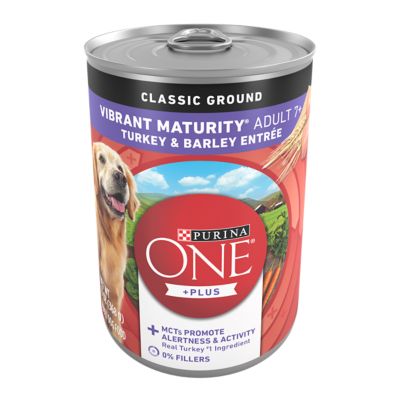
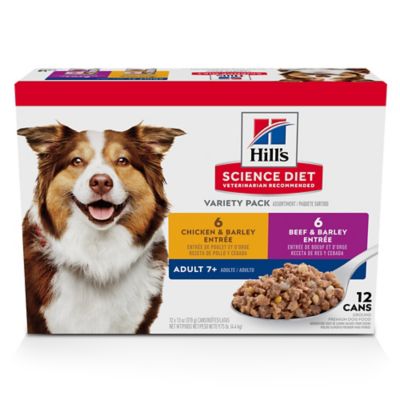
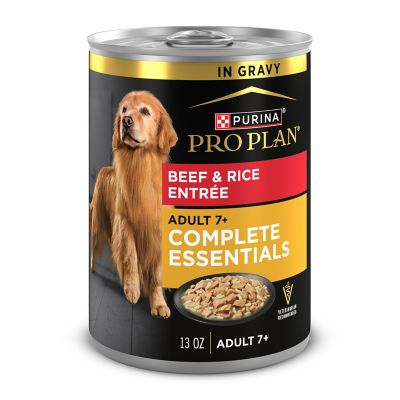
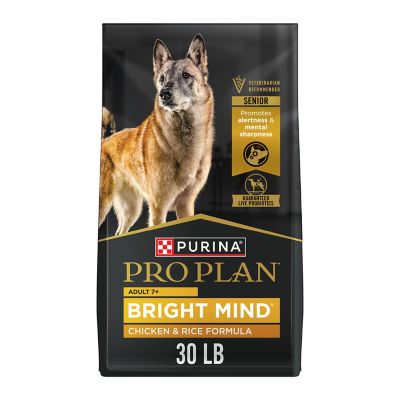
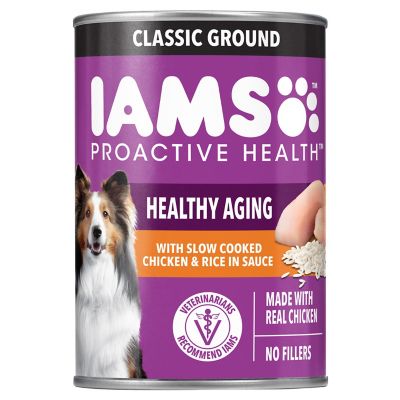
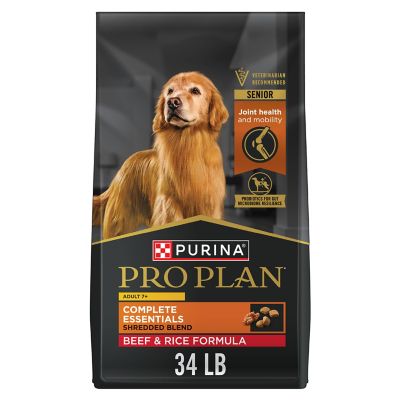
Dry senior dog food, wet senior dog food, and combinations of the two offer different textures and ways to serve a meal. Dry kibble is easy to measure and fits neatly into a steady morning-and-evening routine. Kibble size and shape matter, especially for a little dog with a small mouth or an older dog that has trouble picking up larger pieces. Wet food supplies more moisture and a softer texture, which can make eating easier for some dogs with missing teeth or difficulty chewing. It is not a substitute for dental care, though; dropping food, chewing on one side, or suddenly avoiding hard textures calls for a veterinary check rather than just a softer dinner. Adding a little warm water to suitable dry food can soften the pieces and bring out their smell, with leftovers handled promptly according to package guidance. For dogs that do better with mixed feeding, both parts of the meal count toward the day’s calories. A cup of kibble and a serving of canned food are not interchangeable measures, so compare kilocalories per cup, can, or other listed portion. Protein sources, fat levels, fiber content, and digestibility all help determine how a formula fits an individual dog. Adequate protein supports muscle maintenance, and age alone is not a reason to restrict it. Dogs with certain medical conditions may need a carefully managed nutrient balance instead. Lower-calorie formulas can suit seniors prone to weight gain, while dogs losing weight may need more energy or an evaluation for an underlying problem. Fiber can support stool consistency and digestive regularity, but more is not always better for every stomach. Omega-3 fatty acids, including EPA and DHA from fish-derived sources, may support joint health, while other dietary fats help maintain skin and coat condition. Some recipes include glucosamine and chondroitin, but their presence does not mean a food will relieve arthritis pain. Nutrient amounts and the overall diet matter more than a single ingredient called out on the front of a bag. A simple ingredient list also cannot establish whether a food is nutritionally complete or the right match for a dog’s health.
Choosing food for an older dog often comes down to making everyday meals easier to eat, easier to portion, and a better match for the dog standing beside the feed bin. A sensitive stomach, a fading appetite, extra pounds, or a veterinarian-diagnosed condition can each point toward different nutritional needs. A food described for senior dogs is not automatically a therapeutic diet, and ordinary maintenance formulas should not take the place of prescribed nutrition for kidney disease or other conditions. Sudden weight loss, increased thirst, persistent vomiting, or a lasting change in appetite deserves a veterinary visit rather than repeated food changes. For otherwise healthy dogs moving to a new recipe, a gradual transition over about seven to ten days often helps limit digestive upset; dogs with sensitive digestion may need a slower change. Mixing increasing amounts of the new food with decreasing amounts of the previous food keeps the transition straightforward. Consistent portions and regular meal times also make changes in appetite easier to notice, particularly in a household where more than one person handles feeding. Treats and table scraps count, too, and keeping extras to a small share of daily calories leaves room for balanced meals. Proper storage helps protect food between servings: keep dry food in its original bag inside a clean, tightly closed container, away from damp floors, pests, and temperature extremes. Retaining the bag also keeps the feeding directions, lot number, and date information close at hand. Refrigerate opened wet food promptly and follow its label for storage times, while washing bowls regularly and keeping fresh drinking water within easy reach. For a closer look at how nutritional needs and food formats compare,
Best Dog Food for Senior Dogs offers more background for weighing the options. Whether a senior dog still tags along for evening chores or prefers a sunny spot near the door, food that fits their health, appetite, and activity helps keep mealtime a comfortable part of the day.