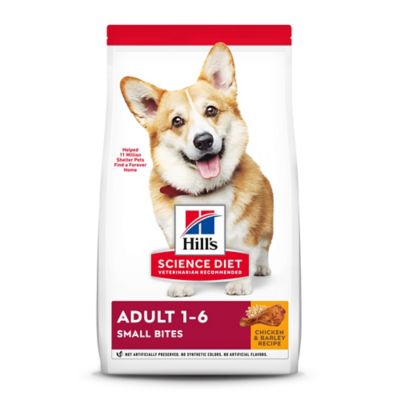
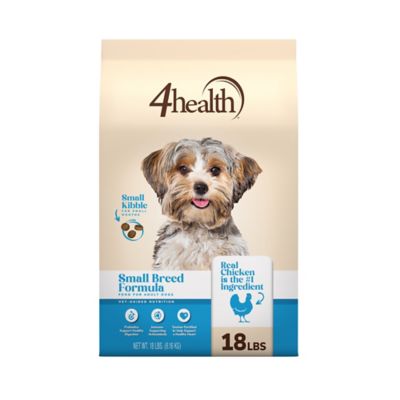
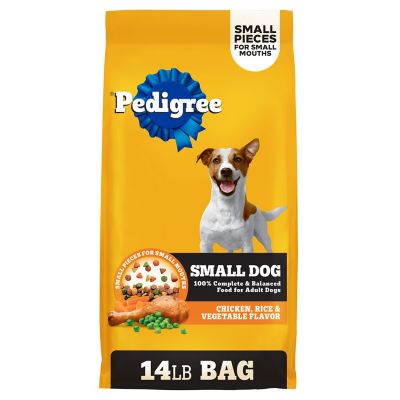
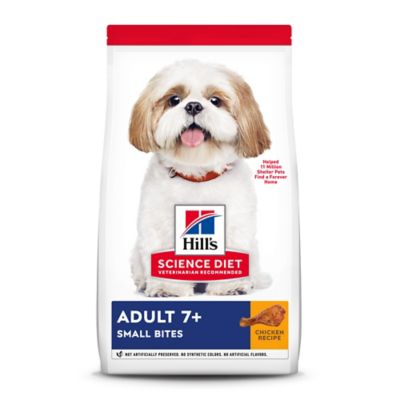
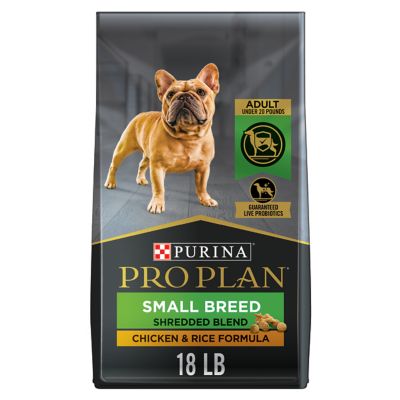
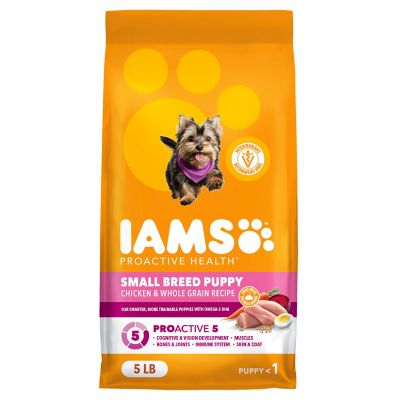
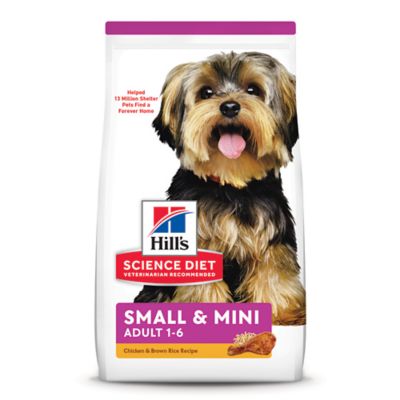
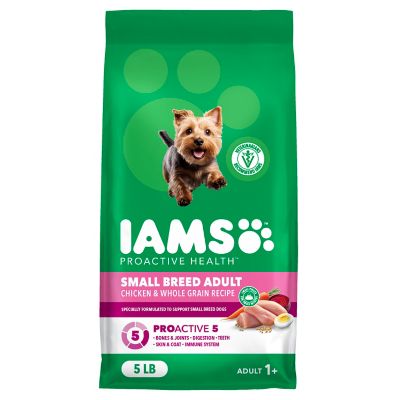
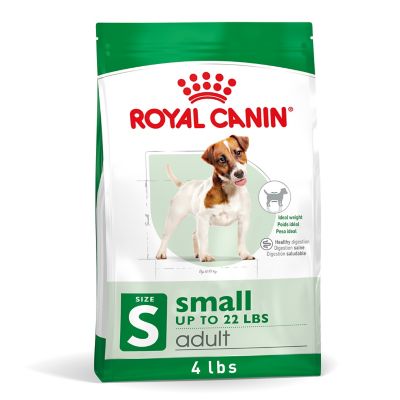
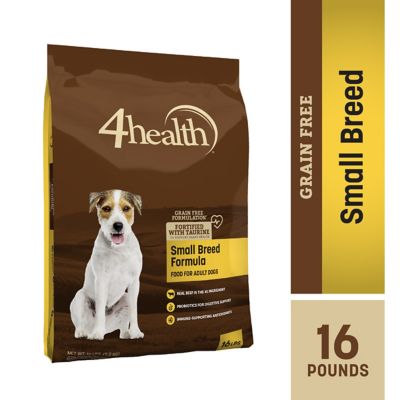
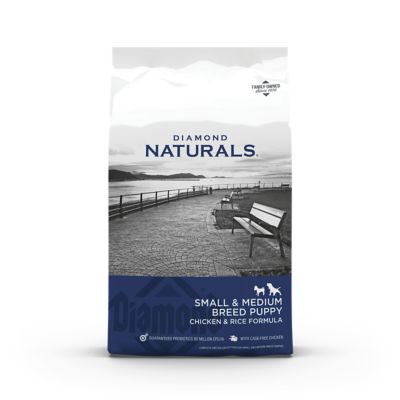
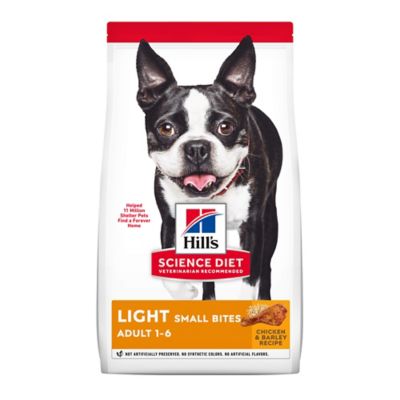
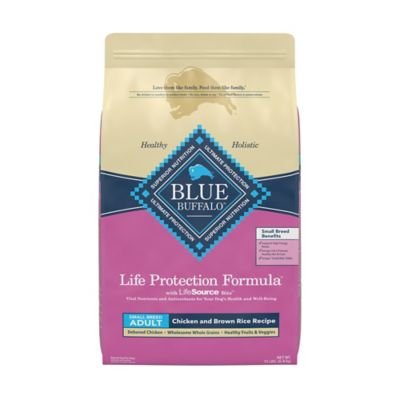
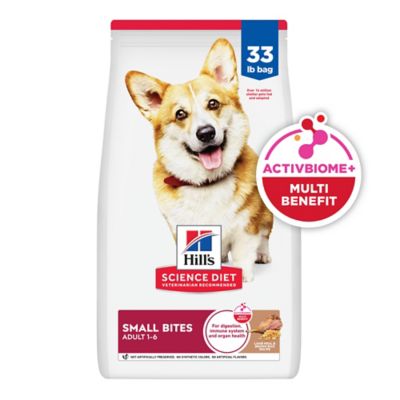
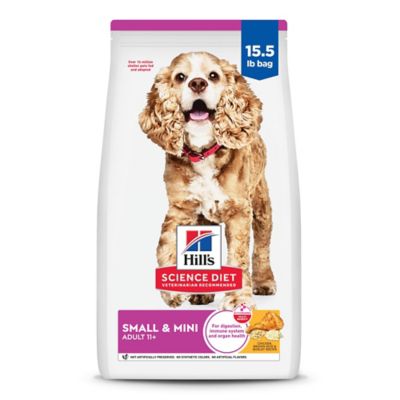
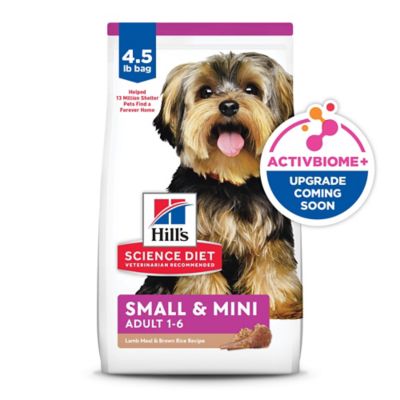
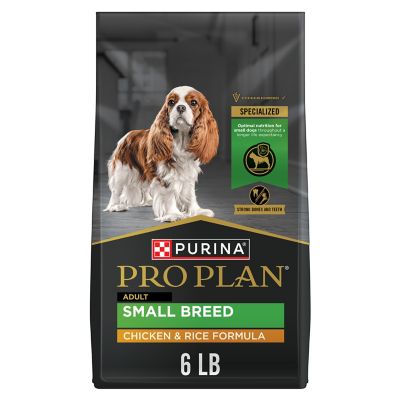
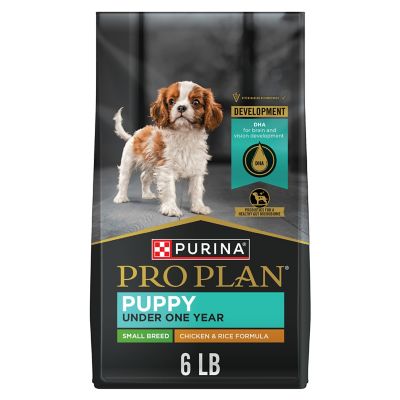
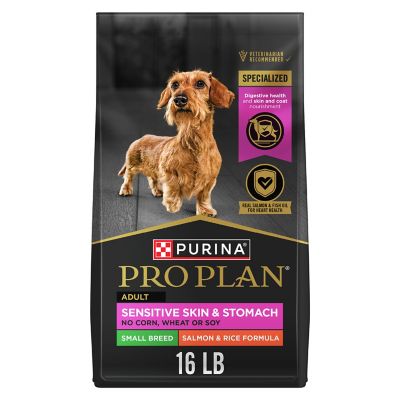
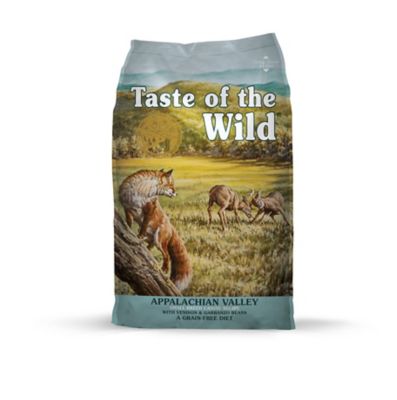
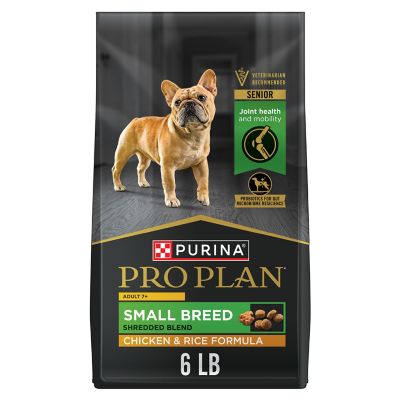
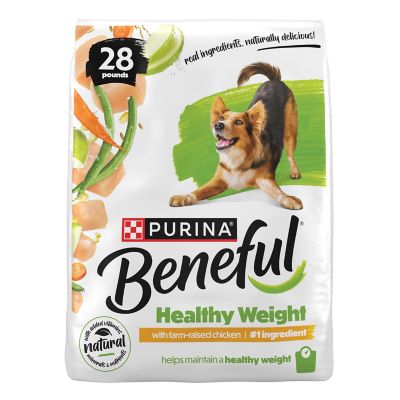
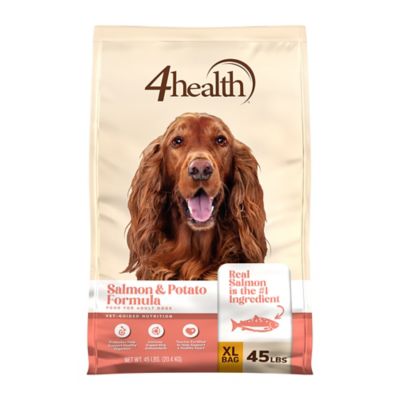
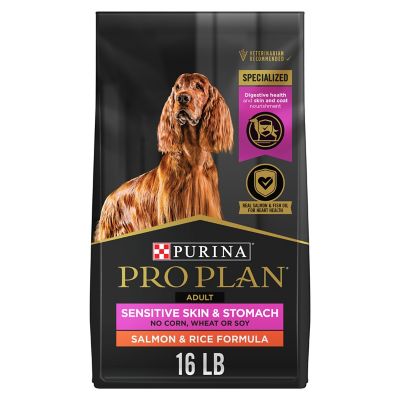
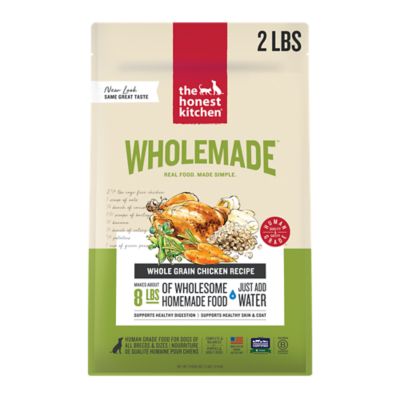
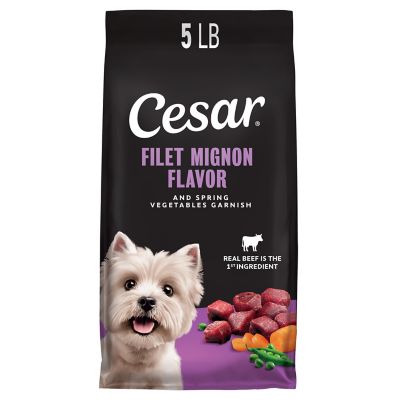
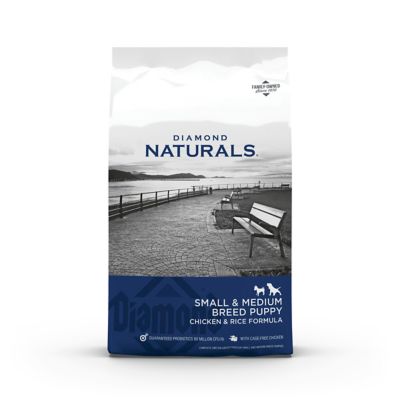
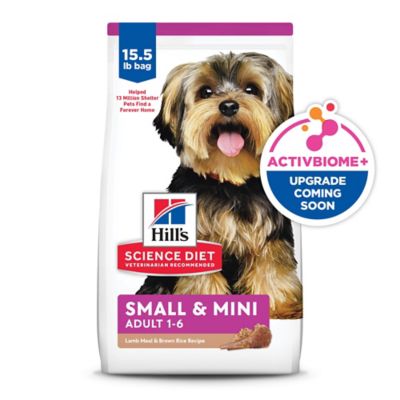
Dog food for small dogs pairs balanced nutrition with portions and textures that suit smaller bodies and mouths. Small-breed recipes often have bite-sized kibble and more calories per cup than some foods for larger dogs, helping meet the higher energy needs many little dogs have per pound of body weight. That matters whether a dog spends the day following chores around the homestead or keeping watch from a favorite spot by the window. A small stomach has only so much room, so the food in the bowl needs to match the dog’s age, activity, and body condition without making every meal oversized. Smaller kibble can be easier for little jaws to pick up and chew, while wet food offers a softer texture and more moisture. Neither format is automatically the better choice; a complete and balanced recipe that a dog eats comfortably is the starting point. Puppy food supports growth, adult maintenance food supports fully grown dogs, and senior-focused recipes may address changing calorie needs or preferences as dogs get older. The nutritional adequacy statement on the package identifies whether a food is complete and balanced for a particular life stage or intended only for intermittent or supplemental feeding. Foods labeled for all life stages meet requirements that include growth, but their calorie content may call for smaller portions in less active adult dogs. Toy-breed puppies, in particular, have limited energy reserves and may need several small meals on a schedule recommended by their veterinarian. An adult small dog usually settles into a more regular daily feeding routine. Size labels offer a helpful starting point, but a lean, busy terrier and a quiet lap dog of the same weight may need different amounts. The best fit comes down to the whole dog, not just the number on the scale or the picture on the bag.
Dry dog food, wet dog food, and combinations of the two bring different benefits to a small dog’s bowl. Dry kibble is straightforward to measure and store, and its concentrated calories can suit dogs that do well with compact meals. Canned foods and soft textures can appeal to dogs that prefer a stronger aroma or find crunchy food uncomfortable. Small kibble alone does not solve dental pain, and ordinary dry food should not take the place of brushing or veterinary dental care. A dog that suddenly drops food, chews on one side, or turns away from a familiar meal needs attention rather than just a different texture. Across food formats, protein supplies amino acids that help maintain muscles, fat provides energy and essential fatty acids, and vitamins and minerals support normal body functions. Fiber content and ingredient digestibility can also affect stool consistency and how comfortably a dog handles a recipe. Chicken, beef, fish, and other protein sources can all fit into balanced diets; the right choice depends on tolerance and the complete formula rather than one ingredient alone. For dogs with recurring digestive upset or itchy skin, a veterinarian can help sort out the cause before repeated food changes make the picture harder to read. Grain-free food is not automatically a better match for a sensitive stomach, and suspected food allergies call for a more focused approach than simply switching flavors. Weight-management formulas may help some small dogs feel satisfied with fewer calories, while other dogs need an energy-rich recipe to maintain condition. Comparing calories per cup, can, or tray makes those differences clearer. A little extra food can add up quickly in a small body, especially for a dog that spends more time snoozing indoors during cooler weather. Feeding amounts on the package are a starting point, with adjustments based on body condition and veterinary advice. Ribs should generally be easy to feel beneath a light covering, with a visible waist when viewed from above.
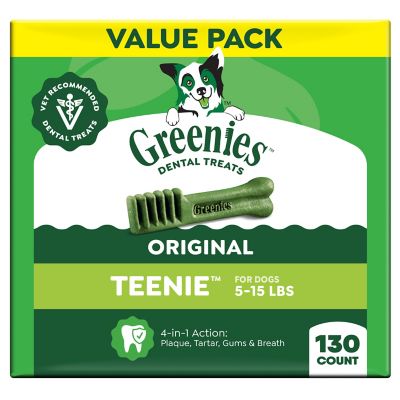
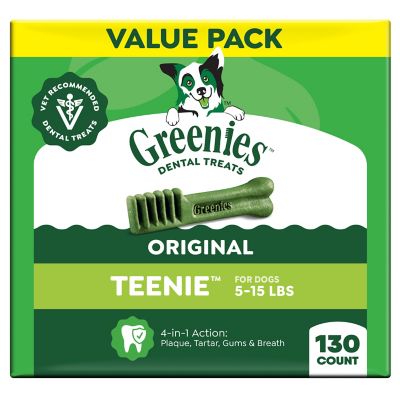
Everyday practicality matters, too, especially when feeding happens between morning chores, school drop-off, and the last trip outside before bed. A measured meal helps keep portions consistent when more than one person fills the bowl. A kitchen scale can make small servings easier to repeat, and the calorie statement is especially helpful when mixing wet and dry food. Adding wet food means reducing the dry portion enough to keep the total meal in line with the dog’s needs, rather than treating the addition as calorie-free. Complete and balanced foods can serve as the main meal, while toppers labeled for supplemental feeding belong in smaller amounts. Treats count toward the daily total as well and generally should provide no more than 10 percent of daily calories. For rewards between meals,
Soft Dog Treats for Small Dogs offer another texture to consider, with pieces sized for small mouths and portions kept modest. Food freshness deserves the same attention as serving size. Dry food keeps best in its original bag, tightly closed in a cool, dry place; the bag can sit inside a clean, lidded container to help protect it from moisture and pests. Keeping the packaging also preserves the lot number, feeding directions, and best-by date. Opened wet food belongs in the refrigerator, covered and handled according to the package directions, and food left in the bowl should not sit out beyond the manufacturer’s guidance. Bowls and scoops need regular washing, and fresh drinking water belongs within easy reach. When a different recipe joins the routine, a gradual transition over about a week, or longer for some sensitive dogs, can help limit digestive upset. Consistent meals, sensible storage, and a food matched to life stage make feeding less of a guessing game. From the little dog riding along on errands to the older companion curled up beside muddy boots, the goal stays simple: comfortable meals and balanced daily nutrition that fit the way that dog lives.