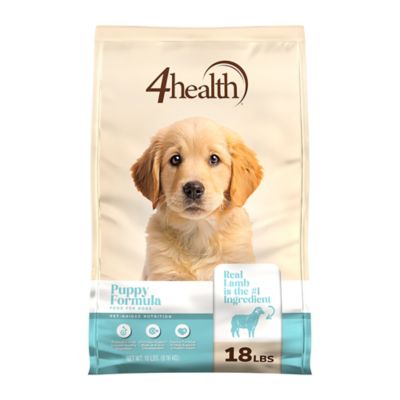
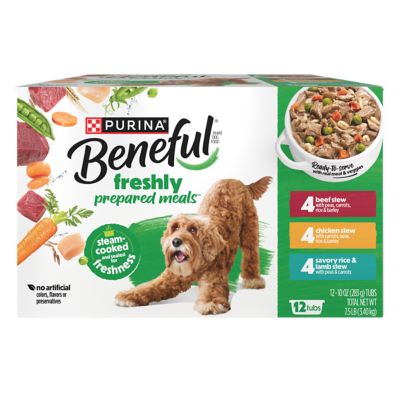
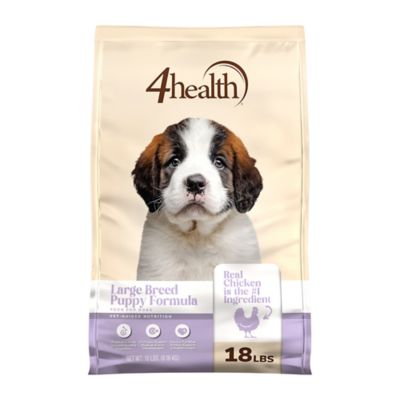
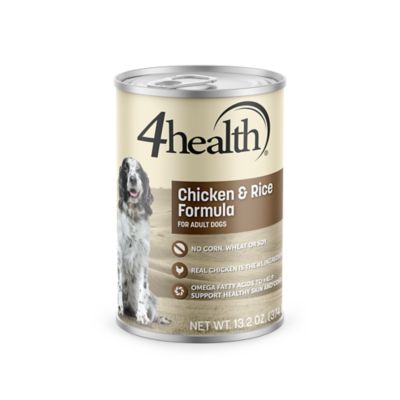
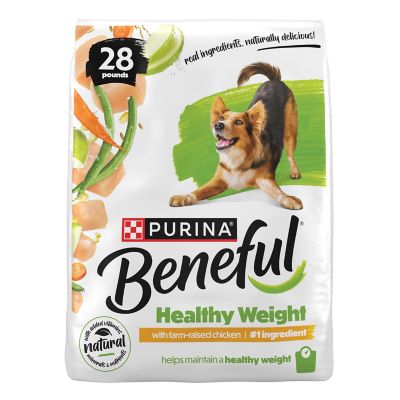
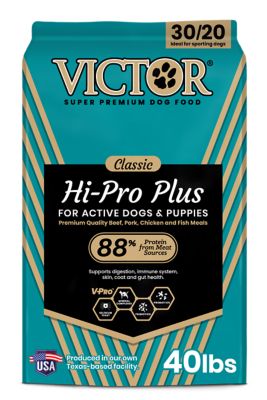
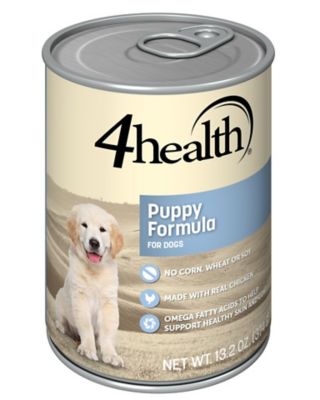
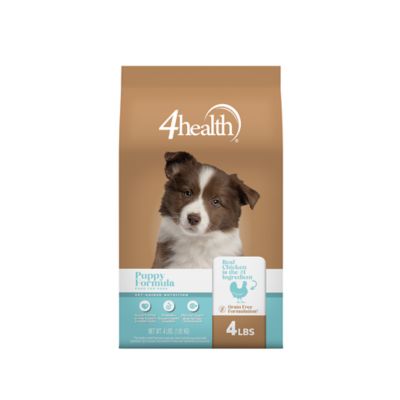
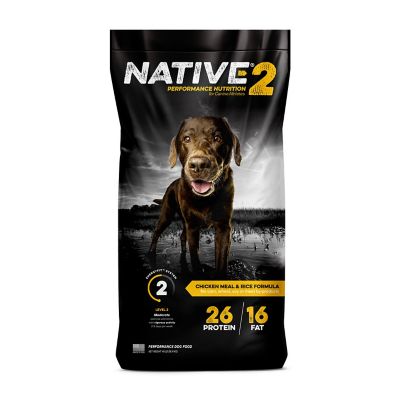
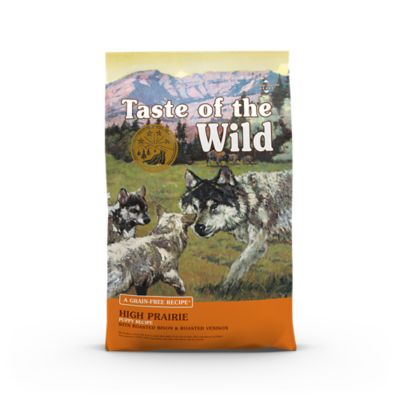
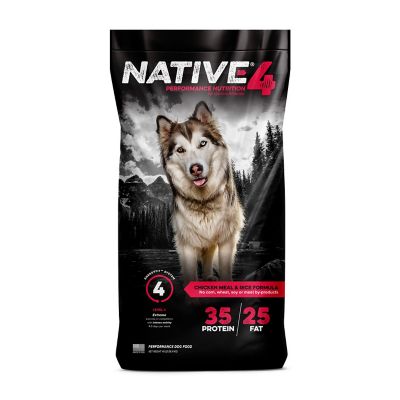
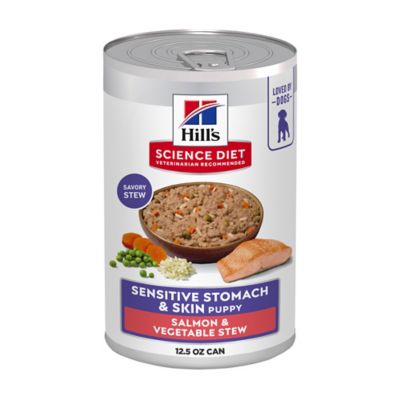
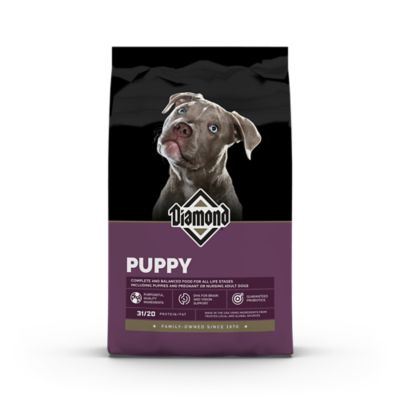
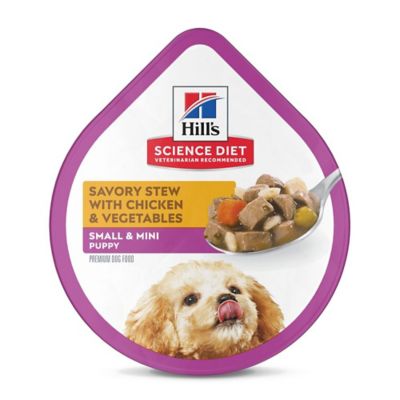
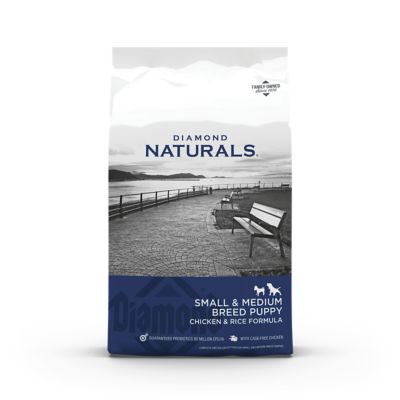
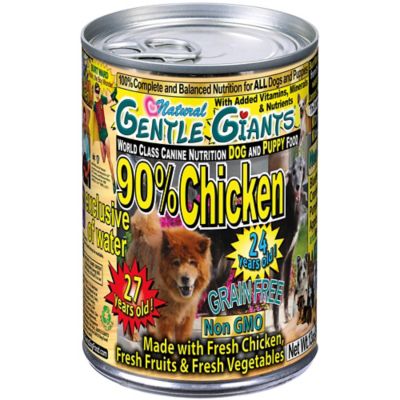
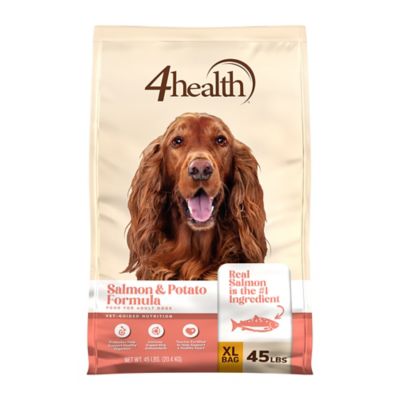
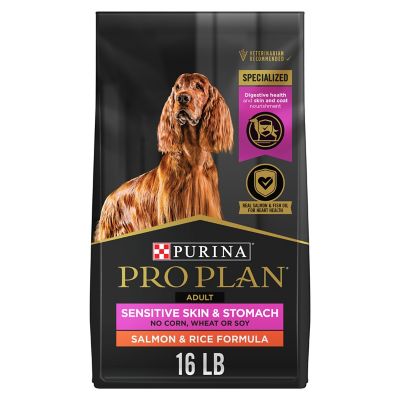
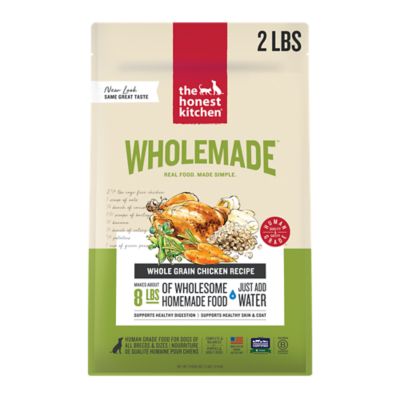
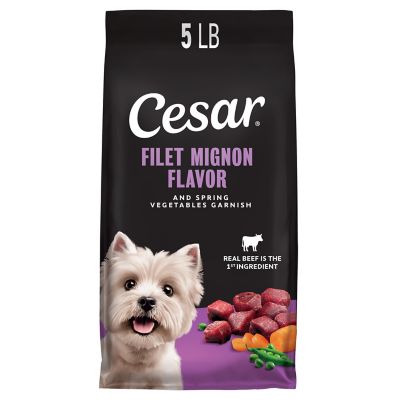
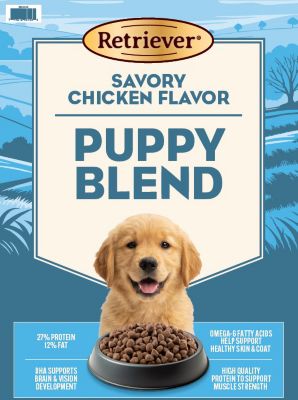
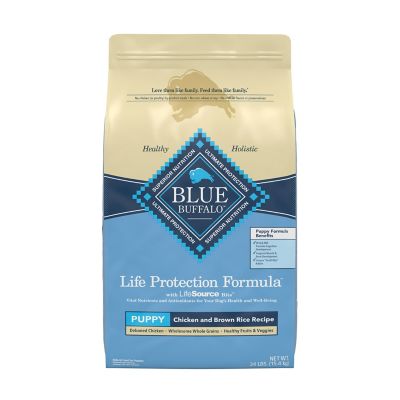
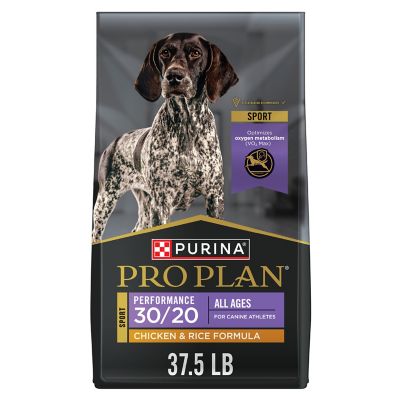
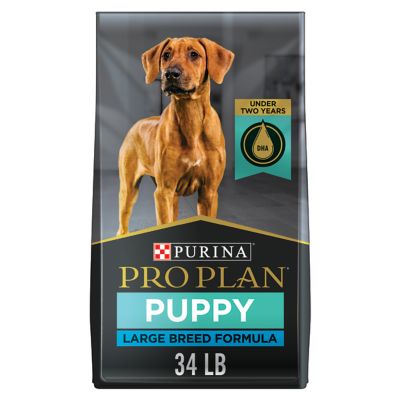
Dog food for pregnant dogs supports more than a full belly. It helps nourish an expectant mother while supplying the energy and nutrients her growing puppies need. For families with a farm dog, a working companion, or a house dog expecting a litter, the best starting point is a complete and balanced food whose nutritional adequacy statement covers gestation and lactation or all life stages. Many puppy foods can fit those needs, but the life-stage statement matters more than a picture of a puppy on the bag. Adult maintenance food alone may not provide the nutrition needed throughout pregnancy and nursing. Suitable formulas bring together digestible protein, fat, carbohydrates, vitamins, and minerals in a balance that supports reproduction. Protein supplies amino acids for tissue development and helps maintain the mother’s muscles, while fat provides concentrated energy and essential fatty acids. Calorie density is especially important as pregnancy progresses: a food with more calories per cup or can can deliver needed nourishment without requiring an expectant mother to eat an oversized meal. Still, richer food is not automatically the right fit for every dog. Her size, body condition, activity level, stage of pregnancy, and expected litter all influence her needs. A lean dog that spends part of the day making rounds around the property may need a different feeding plan than a less active companion carrying a small litter. A veterinarian can help match those needs to an appropriate formula and portion size. When comparing foods, look beyond the ingredient list to the nutritional adequacy statement, calorie content, and feeding directions. Protein and fat percentages also need context, since the moisture in canned food makes direct comparisons with dry kibble misleading. Comparing nutrients on a dry-matter basis gives a more useful picture. There is no single protein percentage or scoop size that makes every food suitable for every pregnant dog; the complete nutritional profile and the dog’s condition belong at the center of the choice.
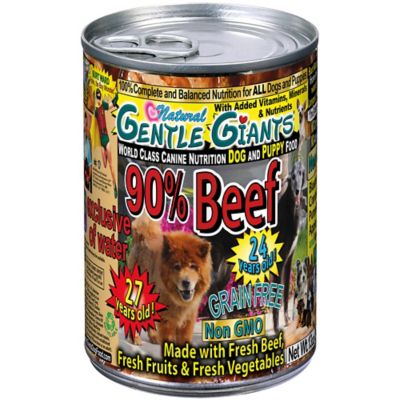
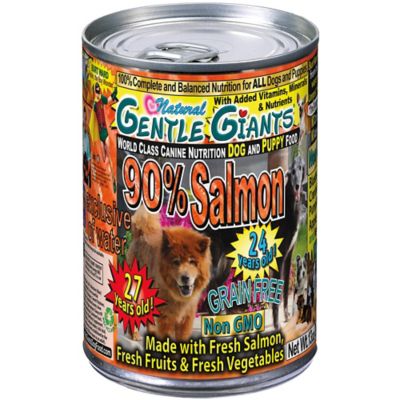
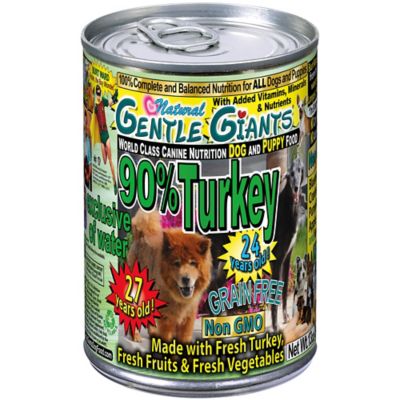
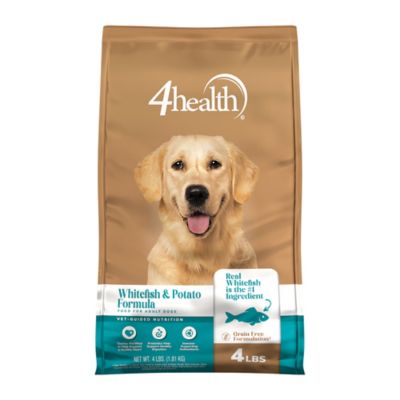
Dry food, wet food, and combinations of the two offer different ways to meet those needs at the feeding bowl. Dry kibble makes measured meals straightforward and stores neatly in a feed room or pantry when kept cool, dry, and protected from pests. Kibble size and texture should suit the dog’s mouth and chewing habits, whether she is a small companion or a broad-muzzled farm dog. Wet food contributes moisture and often has an aroma and softer texture that appeal to dogs with changing appetites. Its calorie content varies, though, so a can should not be treated as a cup-for-cup replacement for kibble. A combination can work when both foods suit pregnancy and their calories are counted together. Familiar protein sources and a formula that agrees with the dog’s digestion can make mealtimes easier, particularly for an expectant mother with a history of stomach upset. An ingredient list can help identify those protein sources, but it does not tell the whole story about digestibility or nutritional balance. For dogs with a diagnosed food sensitivity, the choice needs to account for both that condition and reproductive needs rather than relying on a broad label claim. Essential fatty acids deserve attention as well. DHA is an omega-3 fatty acid involved in developing puppies’ brains and eyes, making
Dog Food With DHA a relevant category to consider alongside a food’s complete nutritional profile. DHA does not replace the need for balanced pregnancy nutrition, and its presence alone does not establish that a formula suits gestation or nursing. Calcium and phosphorus also need to be supplied in the proper balance. Adding calcium, vitamins, or other supplements to a complete and balanced food without veterinary direction can upset that balance and create health risks. Treats and meal toppers count toward daily intake, too; keeping them limited helps leave room for the food that supplies the mother’s essential nutrients.
The practical value of a pregnancy-appropriate dog food becomes especially clear as the litter grows and the mother’s appetite changes. During the early part of pregnancy, many dogs do not need a substantial increase in calories, and extra portions too soon can lead to excess weight gain. Later on, energy needs generally rise while growing puppies leave less room for large meals. A nutrient-dense formula that works in several smaller servings can fit that situation better than a large bowl offered all at once. Picture an expectant dog settling onto her bed near the kitchen after a short walk: a manageable meal may be more appealing than a heaping dish she cannot comfortably finish. Feeding directions provide a starting point, not a fixed rule for every litter. Measuring portions consistently and watching body condition help a veterinarian assess whether the plan needs adjustment. Changes between formulas are generally easier on digestion when made gradually, unless a veterinarian recommends otherwise. Food planning should also account for nursing, when calorie and water needs can climb well above pregnancy levels, particularly with a larger litter. A formula appropriate for both gestation and lactation can provide continuity through that demanding stretch, with portions adjusted to the mother’s needs. Fresh drinking water should always be within easy reach, especially near the quiet area where she rests and nurses. Day-to-day food care matters just as much as the choice of formula. Keep dry food in its original bag inside a clean, tightly closed container, follow package storage directions, and retain the lot information. Refrigerate opened wet food as directed, wash bowls regularly, and clear away uneaten moist food promptly. A shed that swings between damp mornings and warm afternoons is a poorer storage spot than a consistently cool, dry space indoors. Through cooler weather, quieter days, and the busy weeks around a new litter, the goal stays steady: food that suits the mother’s life stage, agrees with her digestion, and supplies balanced nourishment in portions she can comfortably eat. Persistent appetite loss, vomiting, or an unexpected change in condition calls for veterinary attention rather than another switch at the food bowl.