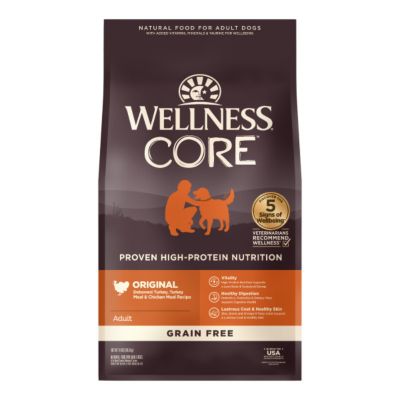
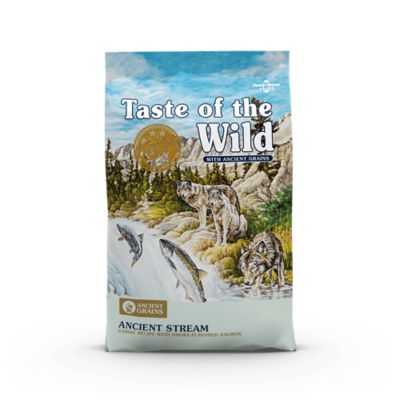
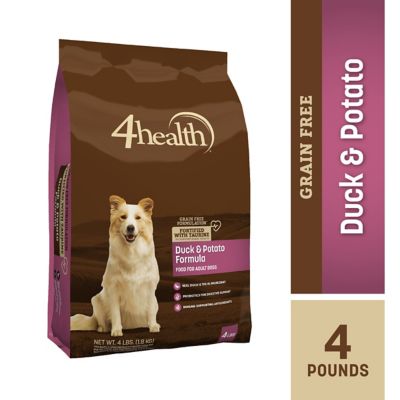
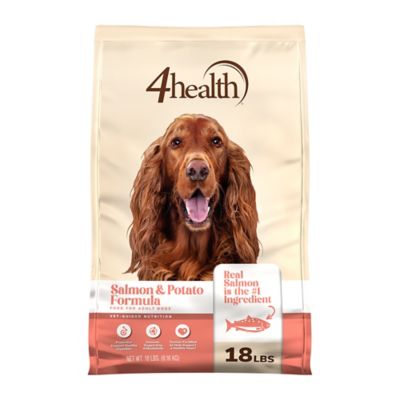
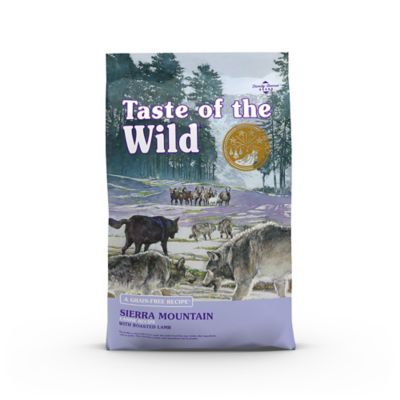
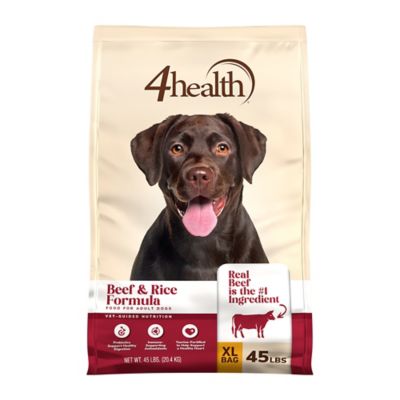
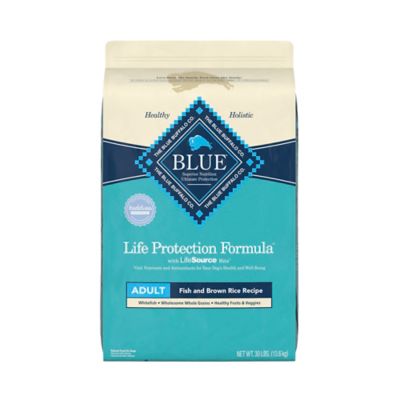
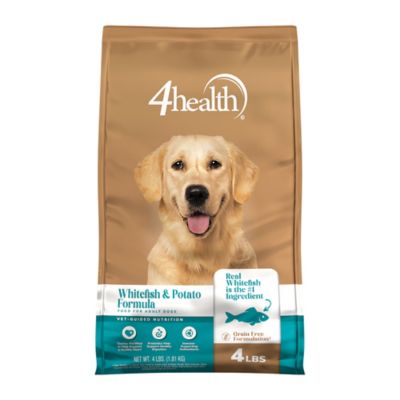
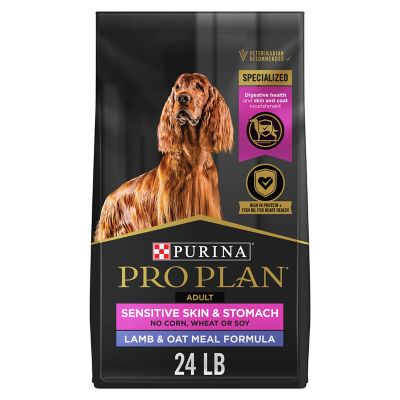
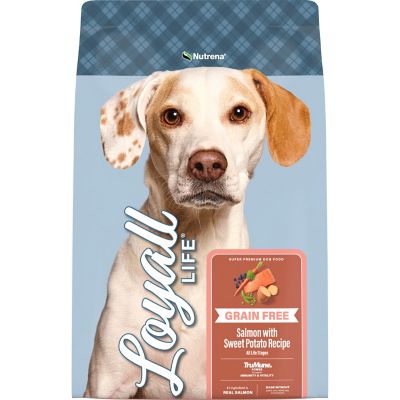
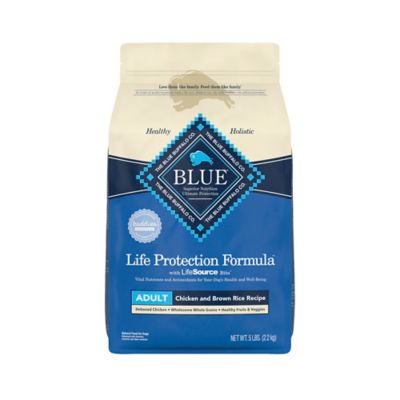
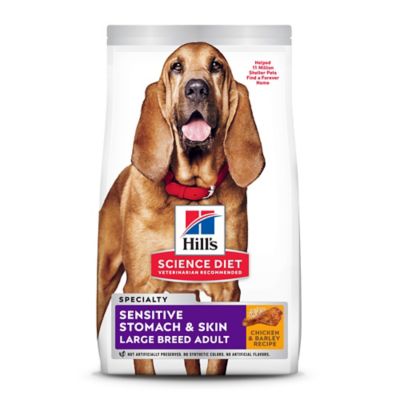
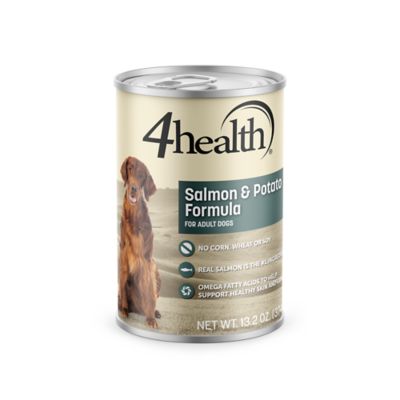
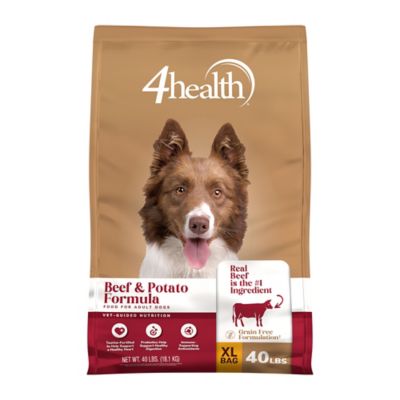
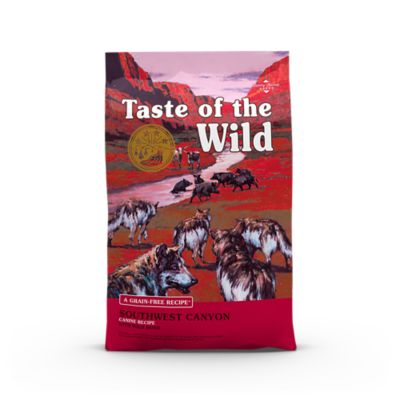
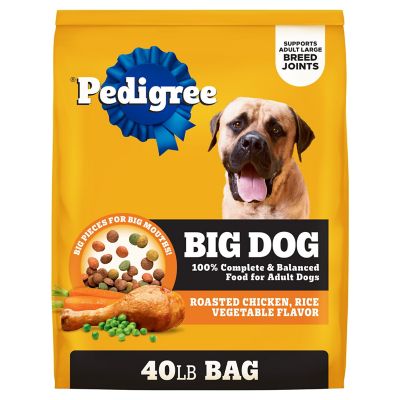
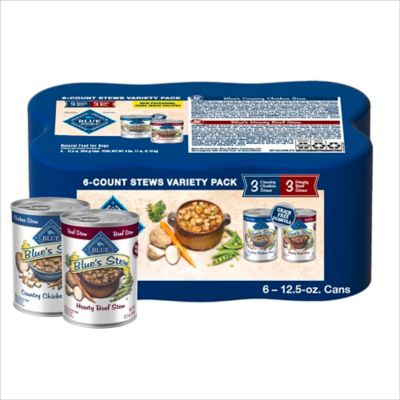
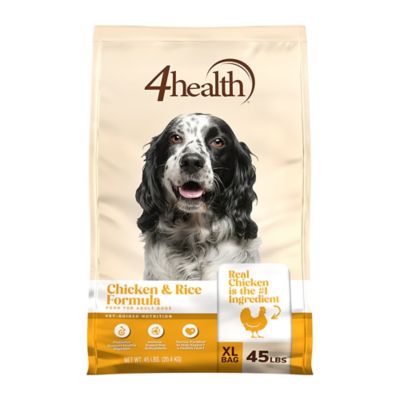
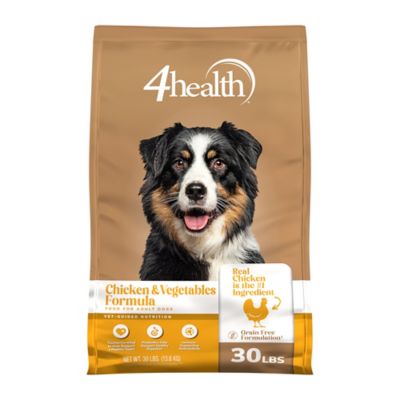
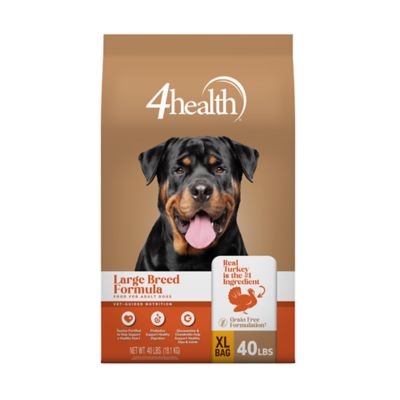
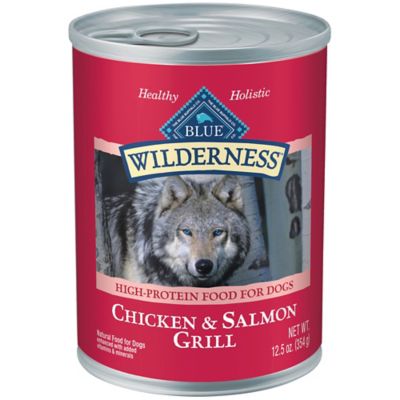
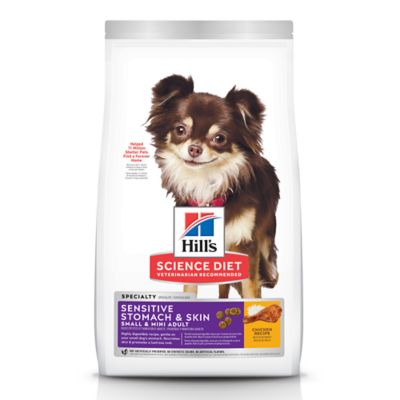
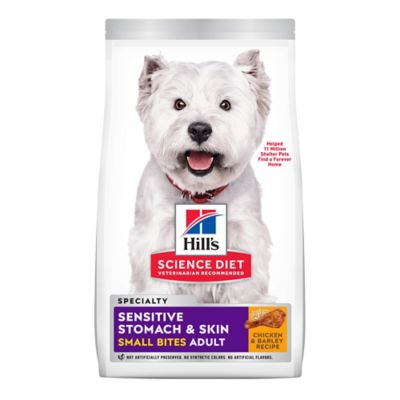
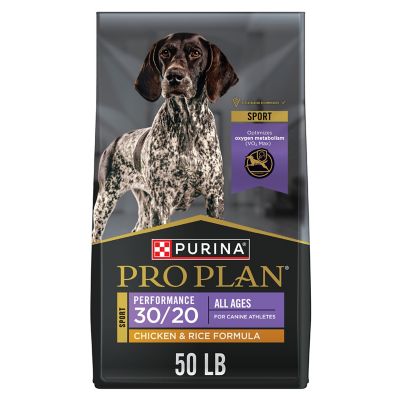
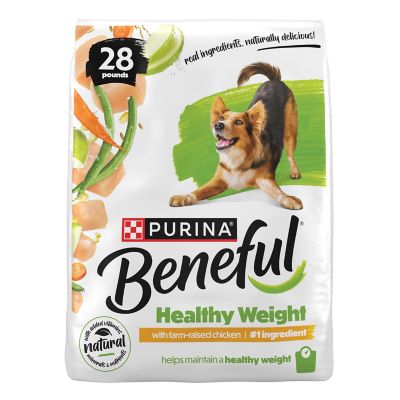
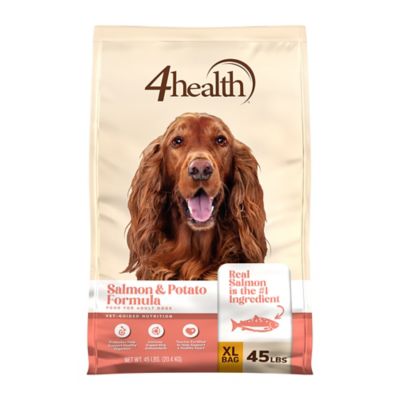
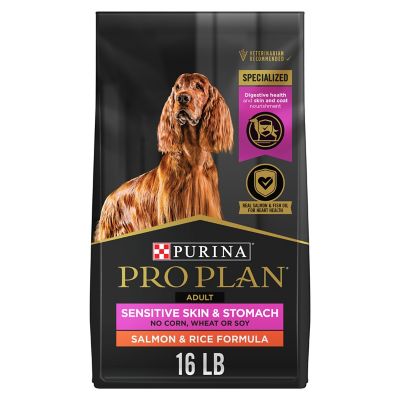
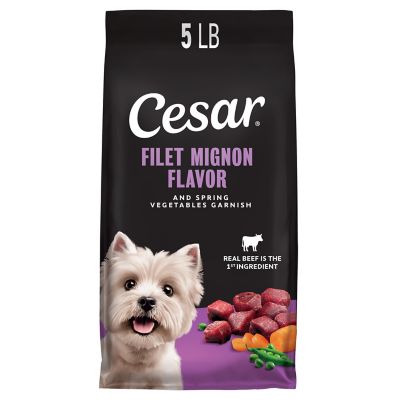
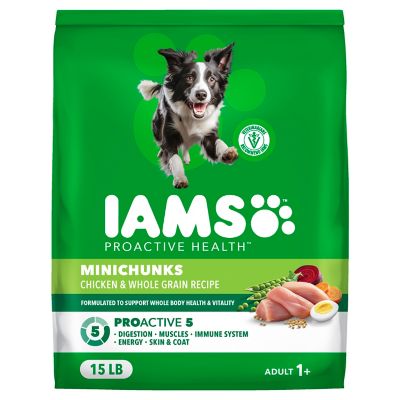
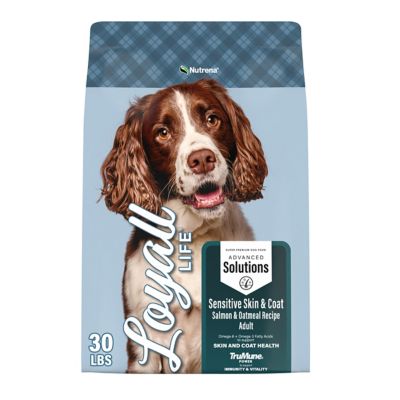
When you’re living out here where the air is crisp and the fields stretch for miles, your dogs are more than just pets—they’re family, work partners, and loyal companions through every season. For folks with dogs that struggle with allergies, finding the best dog food for allergies can make all the difference in your pup’s comfort and health. Allergic reactions in dogs often show up as itchy skin, hot spots, ear troubles, or digestive issues, especially this time of year when winter’s dry air can make skin problems worse. That’s why so many rural families rely on specialized dog food options that feature hydrolyzed proteins or novel ingredients like duck, venison, or salmon—proteins your dog probably hasn’t had before, which can help avoid those common triggers like beef, chicken, wheat, or corn. Limited-ingredient diets are a go-to for folks who want to keep things simple and avoid sneaky allergens, and these recipes often include added Omega-3 and Omega-6 fatty acids to help repair the skin barrier and soothe inflammation. If your dog’s been dealing with recurring yeast infections, you’ll want to look for the best dog food for allergies and yeast infections, which typically means a formula that’s low in sugars and starches, in addition to being free from the usual suspects that set off allergic flare-ups.
Shopping for allergy-friendly dog food isn’t just about reading labels—it’s about knowing your dog’s story. Maybe you’ve got a rescue pup who’s been scratching since the day you brought her home, or a hunting dog whose ears just never seem to clear up. You might be looking for the best dry dog food for skin allergies and yeast infections because you’re tired of late-night vet visits and want something that’ll finally bring your dog some relief. Or maybe you’re a grandparent picking up a bag of affordable dog food for allergies as a thoughtful gift for your grandkid’s new pup—because you know nothing says “welcome to the family” like a dog that feels good from the inside out. For many rural families, it’s also about value: you want the best dog food for allergic dog needs, but you don’t want to break the bank, especially when you’re feeding a big pack or running a farm. Thankfully, there are plenty of options that balance quality with affordability, so you can keep your dogs healthy without skimping on what matters.
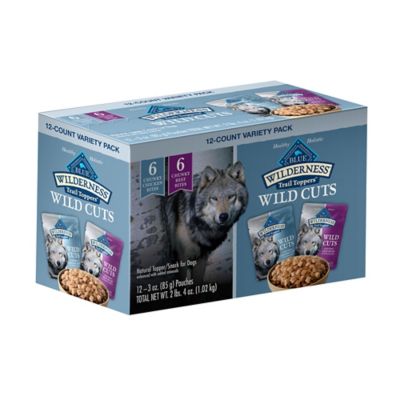
No matter if you’re dealing with a picky eater or a dog that’ll gobble up anything, switching to a new allergy-friendly food takes a little patience. Experts recommend a slow transition—mixing the new food in with the old over the course of a week or two—to help avoid tummy troubles and make sure your dog takes to the new taste. During this time, it’s important to stick to the plan: no table scraps, and treats should match the protein source in your main dog food to prevent accidental reactions. If you’re still hunting for that perfect match for your sensitive pup, or if you’ve got a dog who’s just plain finicky, you might want to check out our tips for
Dog Food For Picky Eaters for even more ideas. At the end of the day, finding the right dog food for allergies is about giving your dog the chance to thrive—so they can keep chasing after barn cats, greeting you at the fence line, and curling up by the wood stove when the February winds howl outside.