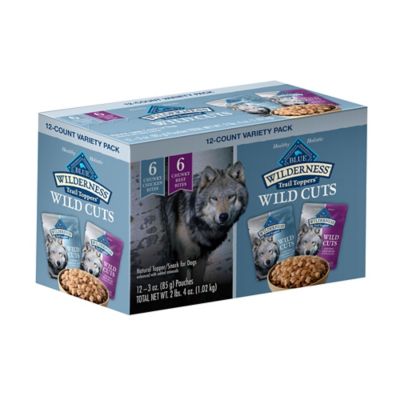
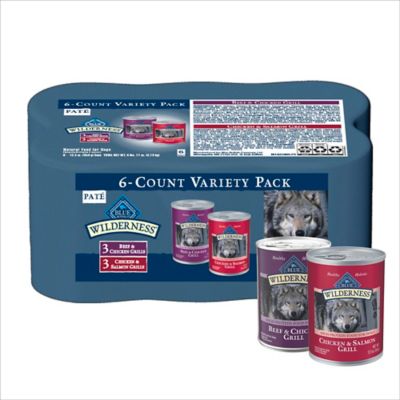
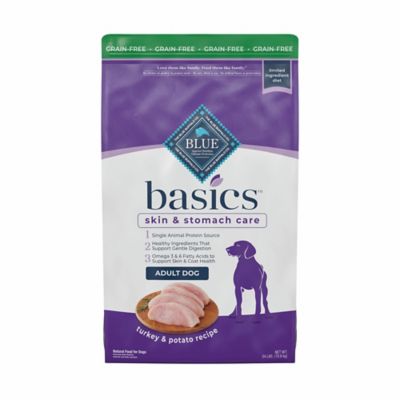
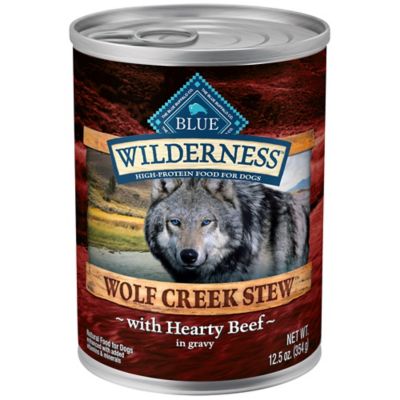
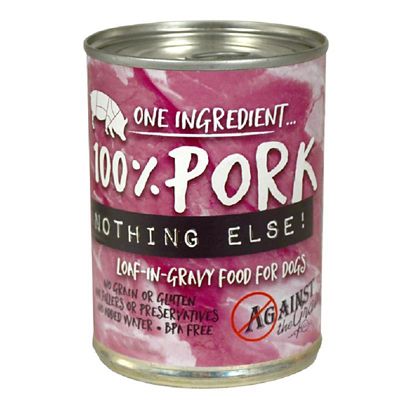
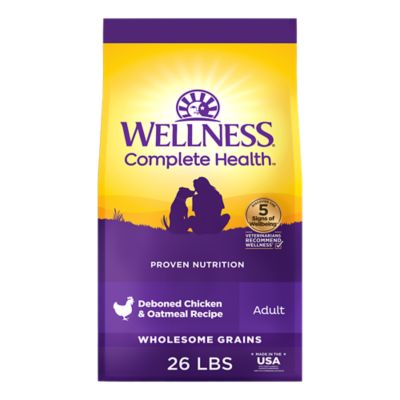
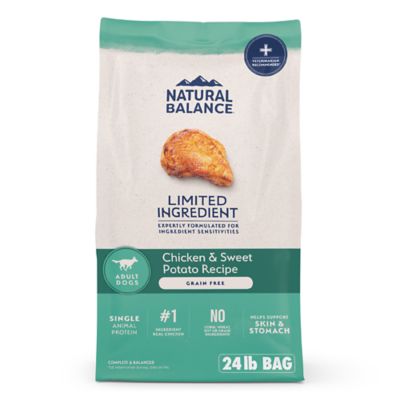
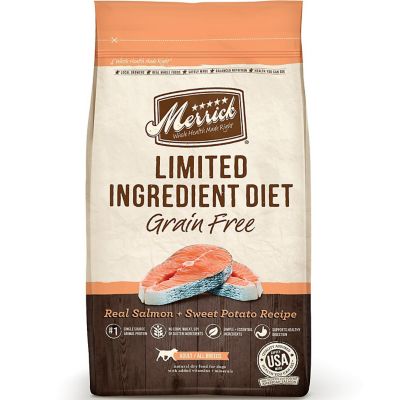
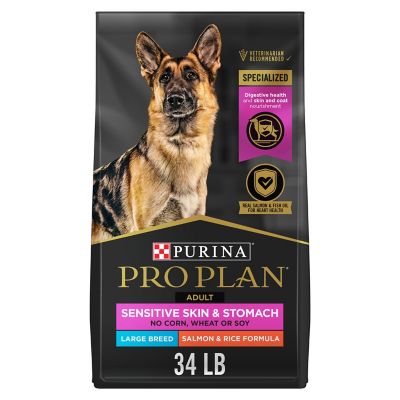
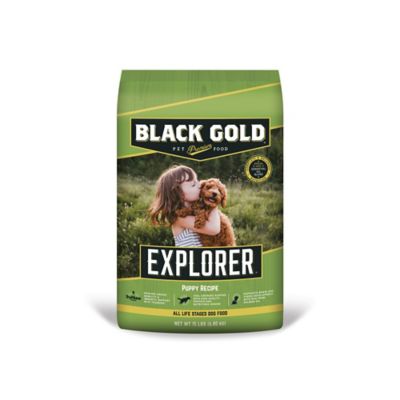
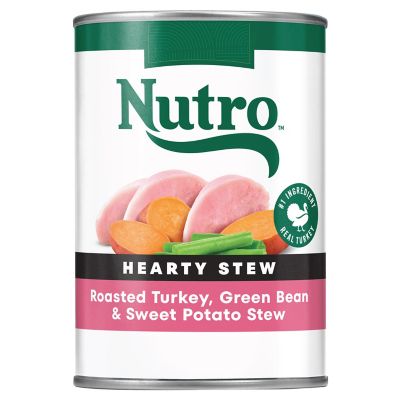
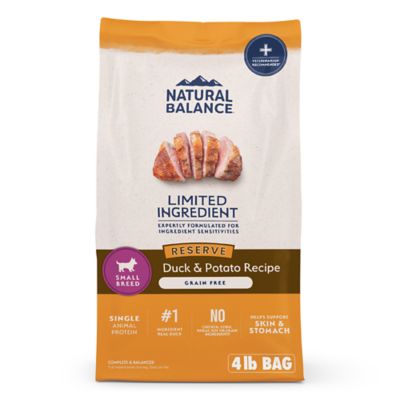
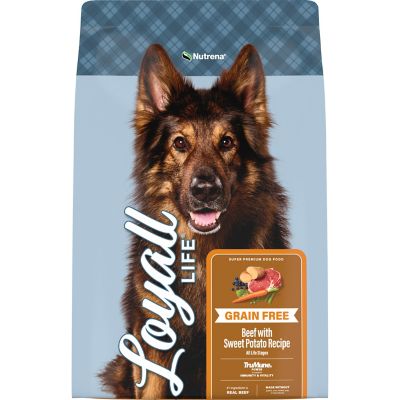
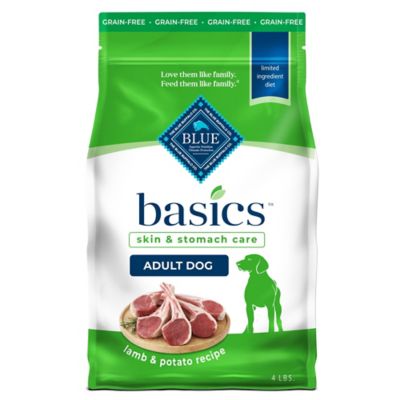
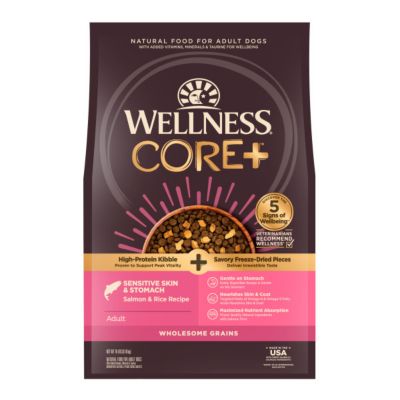
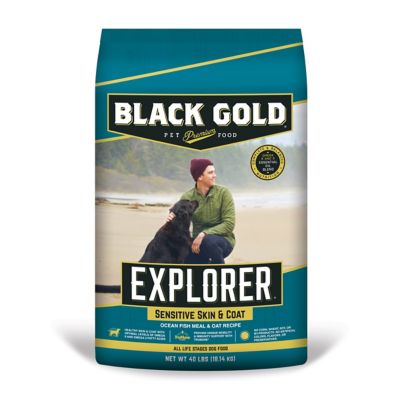
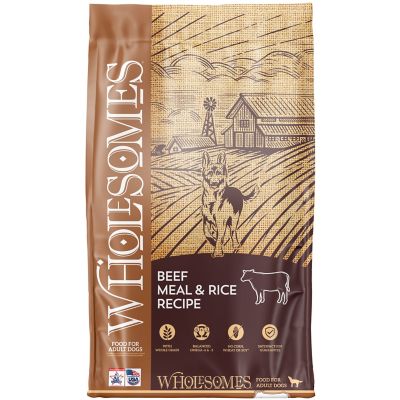
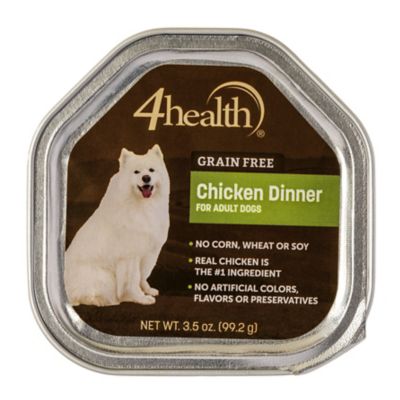
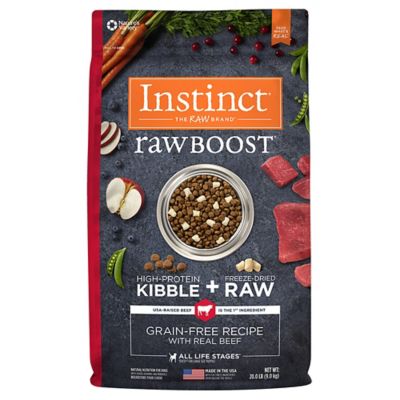
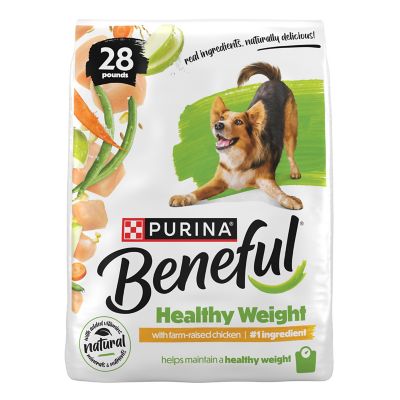
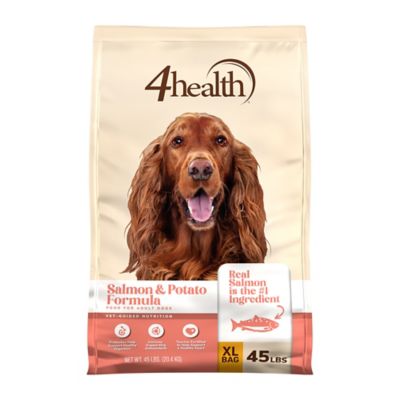
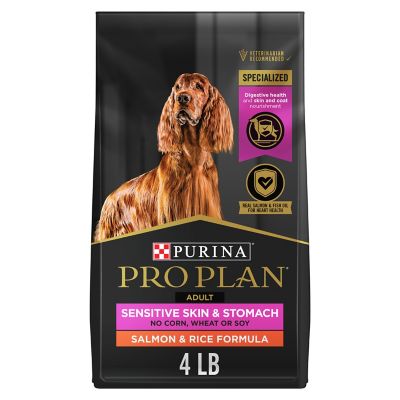
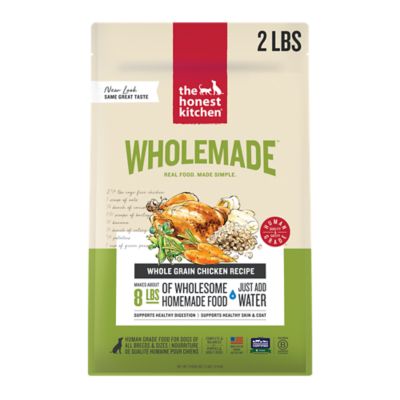
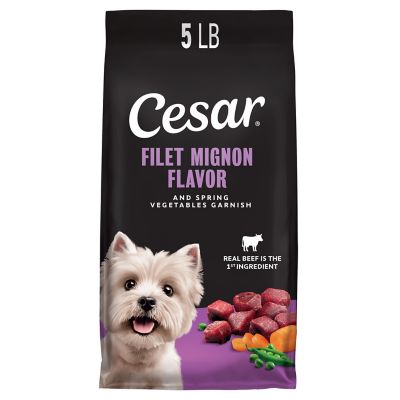
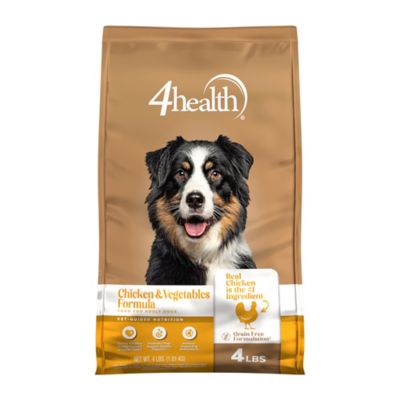
Dog food without soy is formulated without soy ingredients such as soybean meal, soy flour and soy protein isolate. It can be a practical choice for dogs with a confirmed soy allergy or for households following a veterinarian’s recommendation to leave soy out of the food bowl. When soy is the ingredient causing a reaction, avoiding it may help manage digestive upset or skin irritation. That does not mean every dog with gas, itching or loose stools needs a soy-free diet, since those signs can have several causes. Soy supplies protein and other nutrients in some dog foods, and many dogs tolerate it well. The point is finding food that suits the dog eating it, whether that dog spends the day tagging along for chores or keeping watch from the couch. Soy-free recipes can come in dry kibble and wet food formats, with different protein sources, textures and nutritional profiles. A recipe without soy is not automatically grain-free, and a grain-free recipe is not automatically free of soy. Likewise, leaving soy out does not necessarily mean a food contains no corn, wheat, peas or other ingredients a household may be trying to avoid. The complete ingredient list gives a clearer picture than a short phrase on the front of a bag. For strict soy avoidance, ingredients such as soybean oil and soy lecithin also deserve a closer look, with a veterinarian helping determine what matters for a particular dog. An ingredient list alone cannot establish whether food has had cross-contact with soy during manufacturing. When that distinction matters medically, information from the manufacturer and advice from the veterinarian are important parts of the decision. The best fit is a food that meets the dog’s nutritional needs while addressing the actual reason for avoiding soy, rather than simply removing an ingredient without considering the rest of the recipe.
A soy-free label is only one part of what goes into a daily meal. Dogs still need an appropriate balance of protein, fat, vitamins and minerals, along with calories that match their life stage and activity. Food intended as a complete daily diet should carry a nutritional adequacy statement identifying the life stage it supports, such as growth or adult maintenance. Puppies, especially those expected to become large dogs, have different nutritional needs from full-grown companions. A puppy following boots around the barn and an older dog settling in beside the kitchen table should not necessarily eat the same food or portion. For puppies expected to weigh 70 pounds or more as adults, the adequacy statement should specifically address growth of large-size dogs. Adult dogs also vary considerably: a working dog covering ground all day may need a different calorie intake from a less-active companion of the same size. Feeding amounts on the package provide a starting point, while body condition, weight trends and veterinary advice help determine the right portion. Kibble size and texture can affect how comfortably a dog handles a meal, particularly for small mouths or dogs with dental concerns. Wet food offers a softer texture and contributes moisture, while dry food is easy to measure into daily portions. Either format still needs to suit the dog’s health and nutritional requirements. When wet and dry foods share the bowl, both count toward the day’s calories. Treats, chews and table scraps count, too, and can introduce soy even when the main food contains none. In a home with several dogs, separate meals make it easier to match portions to each dog and keep a soy-restricted dog out of another bowl. A marked scoop or kitchen scale can help everyone feeding the dogs stay consistent, so a generous second helping does not quietly become part of the routine.
Ingredient-focused shopping works best when the whole feeding routine supports the choice. Limited-ingredient food may make a recipe easier to review, but that description does not automatically mean soy-free or suitable for a food-allergy trial. A dog can also react to ingredients other than soy, including animal proteins, so switching to a different protein source without a clear reason may not solve the trouble. For a dog with recurring ear problems, persistent scratching or ongoing digestive upset, veterinary evaluation matters more than repeated food changes. A veterinarian may recommend a carefully controlled elimination diet, which is different from simply choosing an everyday recipe without soy. During a prescribed trial, flavored medications, supplements and treats can affect the results, so each belongs in the conversation. For dogs making an ordinary food change rather than following a medical feeding plan, a gradual transition over about seven to ten days often helps the digestive system adjust; some dogs need a slower pace. Consistent meals make it easier to notice changes in appetite, stool or comfort. Proper storage matters as well. Dry food belongs in a cool, dry place, ideally in its original bag inside a clean, closed container, with the lot information kept handy. Opened wet food needs refrigeration and handling according to its package directions. Bowls and scoops need regular washing, and fresh drinking water should always be within reach. Related categories such as
Dog Food With No Filler offer another way to explore ingredient preferences, but “no filler” is not a standardized nutritional designation or a substitute for reading the label. Ingredients should be considered for what they contribute to the complete diet, not just whether their names sound familiar. For everyday feeding, the useful combination is straightforward: no soy when that is needed, nutrition suited to the dog, portions that support a healthy body condition and a routine the household can keep steady.