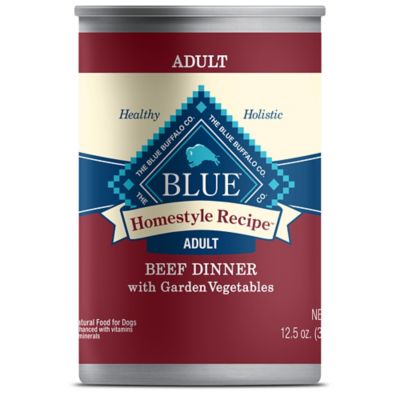
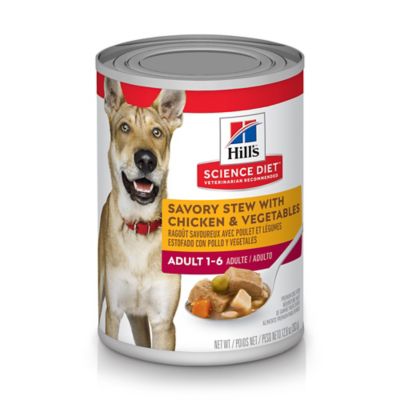
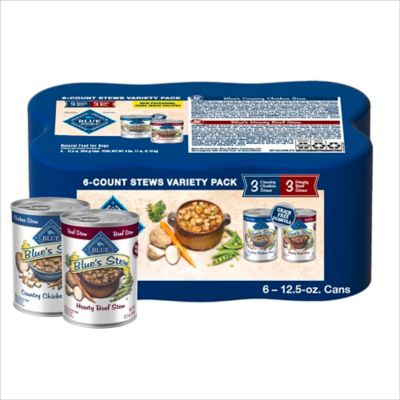
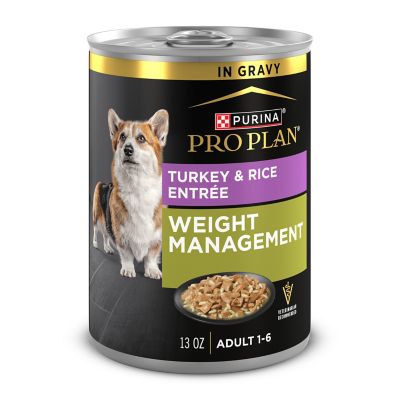
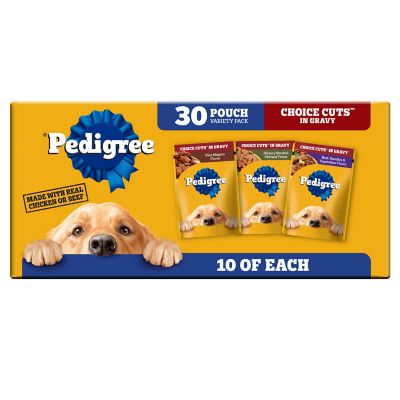
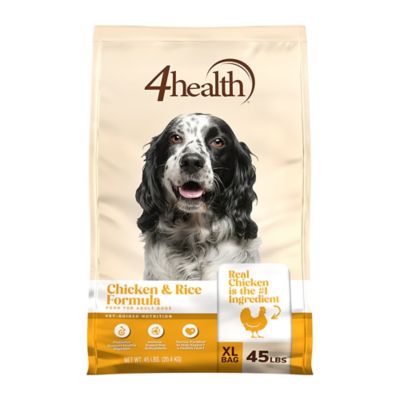
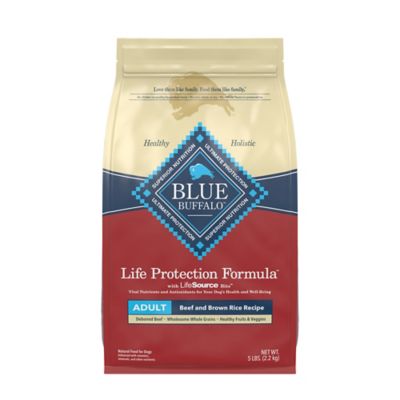
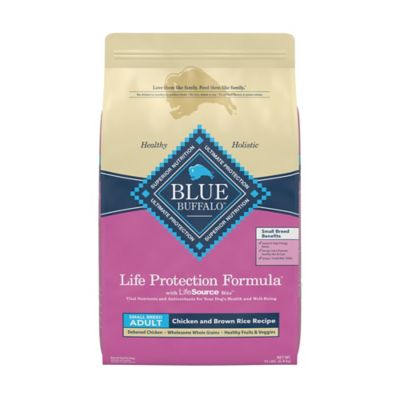
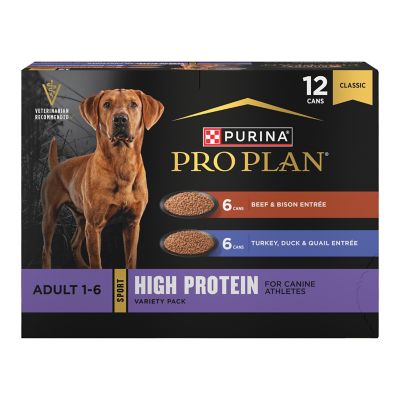
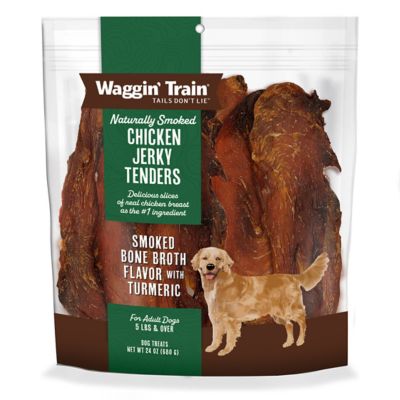
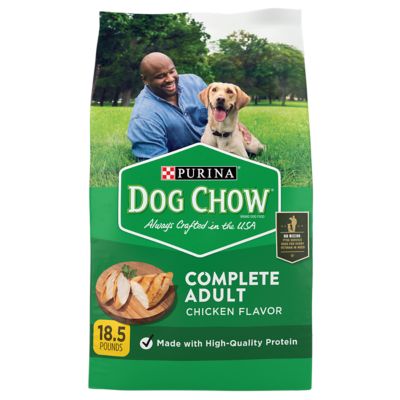
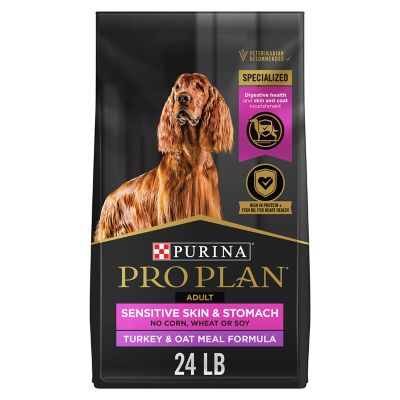
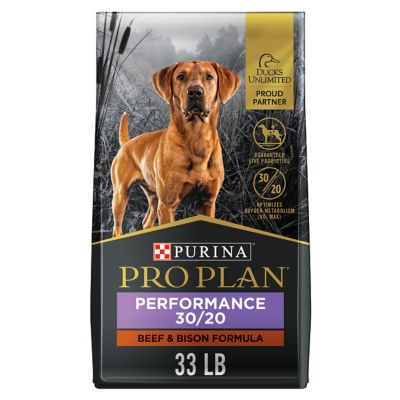
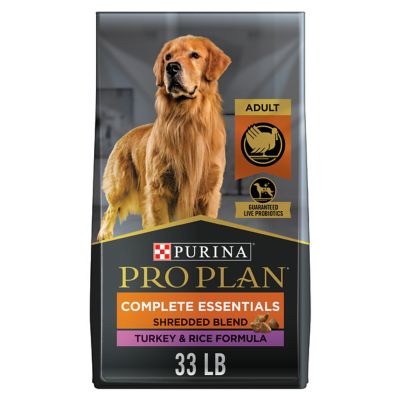
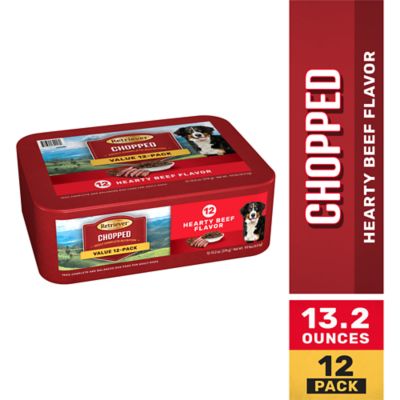
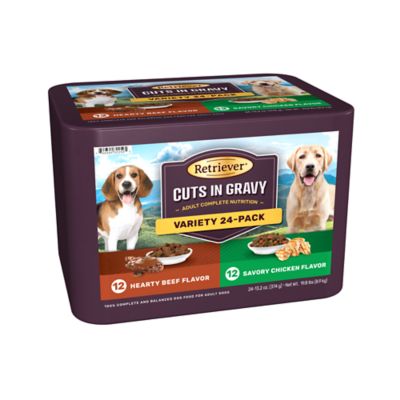
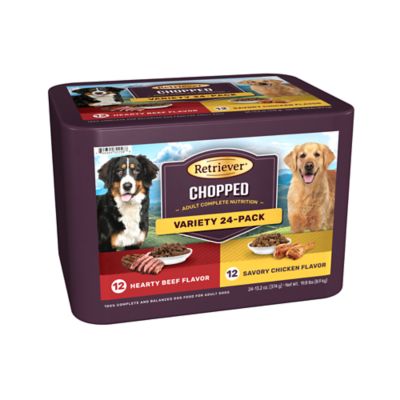
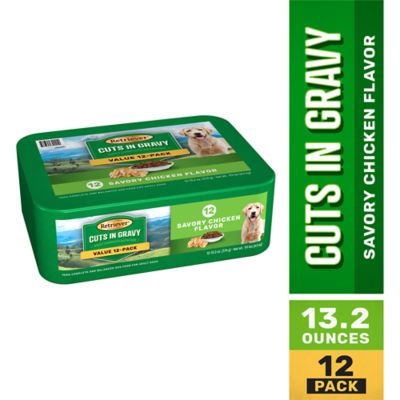
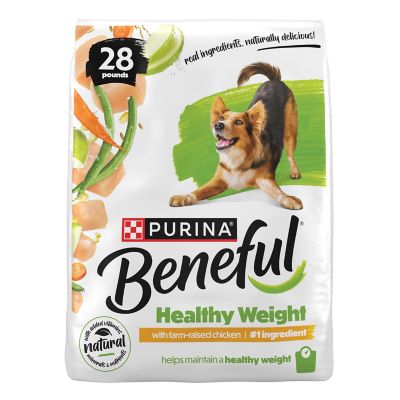
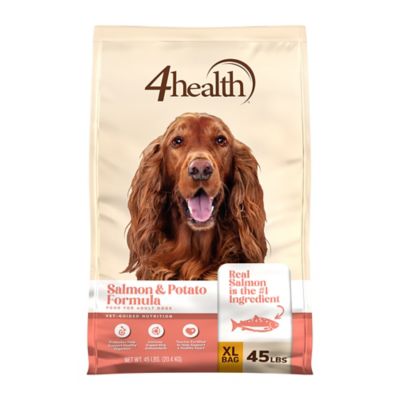
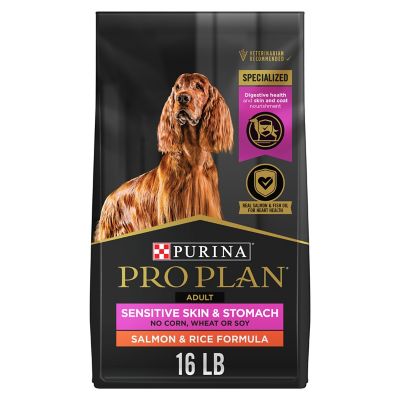
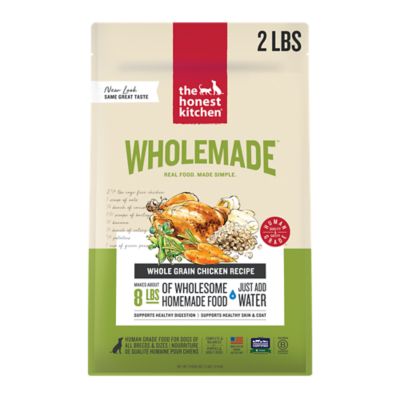
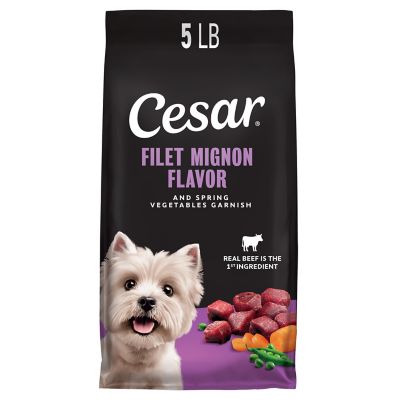
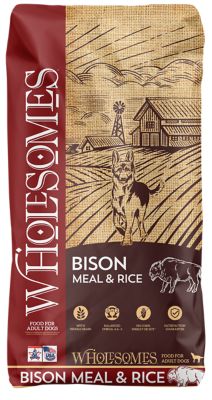
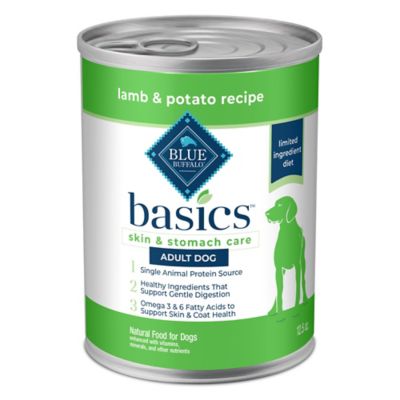
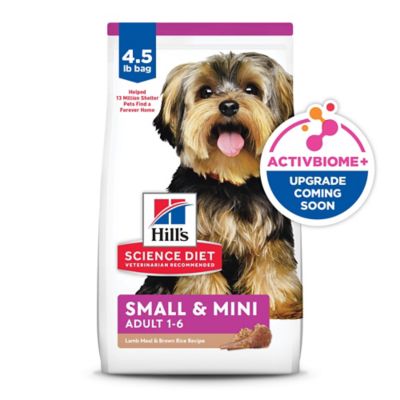
Dog food for picky eaters pairs appealing flavor, aroma, and texture with the complete and balanced nutrition a dog needs for everyday life. For a dog that sniffs the bowl and walks away, the difference may be a softer bite, a meatier smell, or a familiar recipe served a little differently. Dry kibble, canned food, and gently cooked meals offer different eating experiences, while food toppers can add interest to a regular meal. No single format suits every finicky dog, and a strong appetite for one recipe does not mean another dog will take to it. Some dogs favor the crunch of small kibble; others prefer tender pieces in gravy or a smooth pâté that is easy to lap up. Recipes featuring chicken, beef, fish, or organ meats such as liver can bring different savory aromas to the bowl, though ingredient names alone do not tell the whole nutritional story. A food labeled complete and balanced for the appropriate life stage is the foundation, whether the dog spends the day riding along for chores or keeping a favorite spot beside the couch warm. Puppies need nutrition for growth, adult dogs need food suited to maintenance, and larger-breed puppies have particular growth requirements worth checking on the label. Activity level, body condition, and health matter just as much as enthusiasm at suppertime. A hardworking farm companion and a small house dog may both be choosy, but their calorie needs can look quite different. During the cooler months, a dog spending more time outdoors may need a feeding adjustment, while one taking shorter walks may not. Feeding amounts on the package provide a starting point, with portions adjusted to help maintain a healthy weight. The best fit is a food a dog enjoys consistently that also supports its nutritional needs—not simply the richest-smelling meal or the bowl with the most extras.
Texture often explains why a picky eater accepts one type of dog food and leaves another behind. Dry dog food offers straightforward measuring and storage, but kibble size and shape can affect how comfortably a dog picks up each bite. A little dog may manage smaller pieces more easily, while an older dog with mouth discomfort may struggle with hard food regardless of flavor. Soft food can make eating easier, but a change in chewing habits deserves attention rather than just a switch in texture. Wet dog food brings moisture and a noticeable aroma, with options ranging from finely ground recipes to chunks or shreds in sauce. For dogs that lick away gravy and leave the solids, a more uniform texture may be a better match. Gently cooked meals offer another soft-textured option, though storage requirements and whether the food is a complete diet vary by recipe. Freeze-dried foods and toppers can add concentrated flavor or a different texture, but the label should make clear whether they are intended as a full meal or a supplement. Freeze-drying does not cook raw ingredients or eliminate every germ, so raw formats call for careful handling and a conversation with a veterinarian, especially in households with people or pets more vulnerable to infection. Meal mixers, crumbled toppers, and a spoonful of wet food can help make familiar kibble more inviting without replacing the entire meal. A little warm water may soften dry food and bring out its smell; follow package directions and serve it promptly. Any broth added to a dog's food should be suitable for dogs and free of onion and garlic. Extras still contribute calories, and treats and nutritionally incomplete toppers generally should account for no more than 10 percent of daily calories. For a dog eating a prescribed diet, even small additions need veterinary approval. Richer food is not always the answer for a sensitive stomach, and repeated recipe changes can make it harder to tell which ingredients and textures actually agree with a dog.
The practical side of feeding matters, too, especially when an open bag sits near the back door or meals happen between morning chores and the evening walk. Food that smells appealing when first opened needs proper storage to keep that appeal. Dry food belongs in a cool, dry location, preferably inside its original bag within a clean, tightly closed container, with the lot information and feeding directions kept handy. Bag size should fit the household's feeding pace so food does not linger open longer than the package recommends. Canned and gently cooked foods have different refrigeration requirements after opening, and leftovers should be handled according to their labels. A clean bowl, a quiet feeding spot, and a consistent routine can make a difference for a dog distracted by another pet or the bustle around the kitchen. Stainless steel bowls are easy to wash, and a stable base helps keep supper from sliding across the floor. Food left sitting out can lose its appeal, particularly when moistened, so serving manageable portions also helps reduce waste. When changing foods, a gradual transition over about a week, or longer when a veterinarian recommends it, gives the digestive system time to adjust. Keeping table scraps and between-meal treats in check can also make appetite at regular meals easier to judge. A dog holding out for bites from the dinner table is different from a dog that suddenly refuses a familiar supper. New or persistent appetite changes, weight loss, vomiting, unusual tiredness, or trouble chewing warrant veterinary advice; puppies and dogs with medical conditions need especially prompt attention when they stop eating. Food selection should support care, not cover up signs that something is wrong. In a household with both dogs and cats, separate meals help each animal get the nutrition intended for its species. The
Foods for Picky Cats page covers the feline side of a fussy feeding routine. For dogs, a well-matched recipe, sensible portions, and fresh servings give an appealing meal a better chance of becoming an everyday favorite.