Dog fence systems for 5-acre properties help define a dog’s roaming area around the house, barn and open ground, but acreage alone does not tell the whole story. The right setup depends on the shape of the property, the space the dog can safely access and whether the boundary needs to be a physical barrier or an electronic signal. Five acres equals 217,800 square feet. If that land forms a square, its outside perimeter measures about 1,870 linear feet; a long, narrow parcel of the same acreage has a longer perimeter. That difference matters when comparing wire lengths, fence rolls and coverage ratings. A system rated for five acres may also need additional compatible components to reach that full area. Keeping a dog within a smaller section around the house can leave room for equipment traffic, livestock pens and a driveway without including every corner of the property. For a boundary that follows the lay of the land,
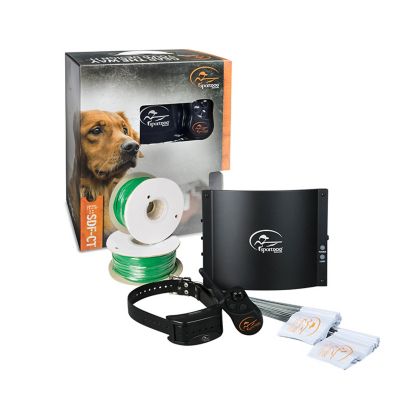
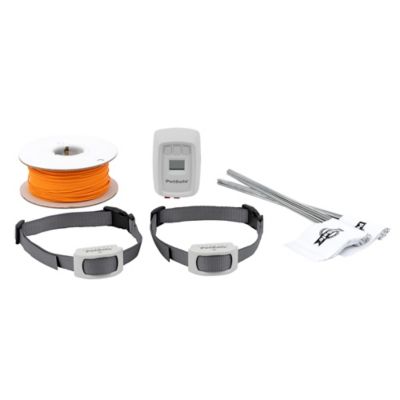
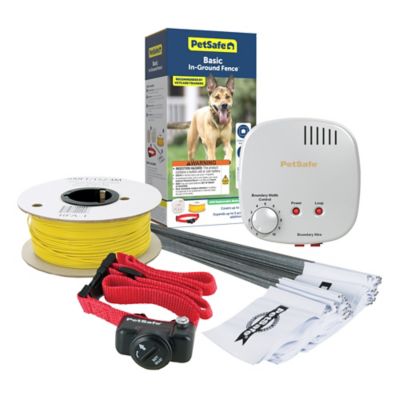
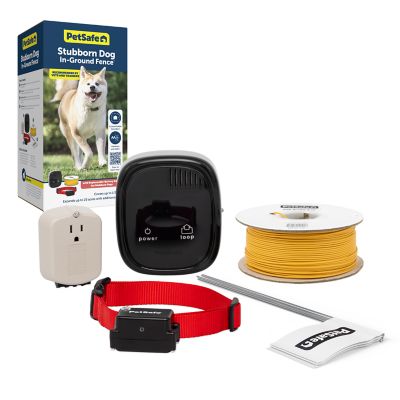
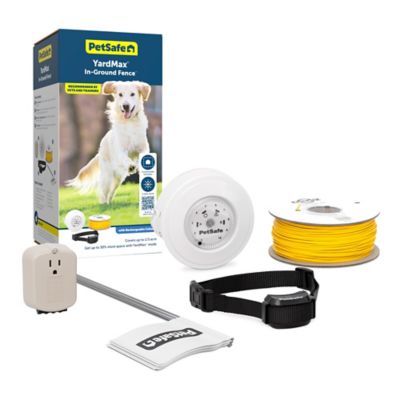
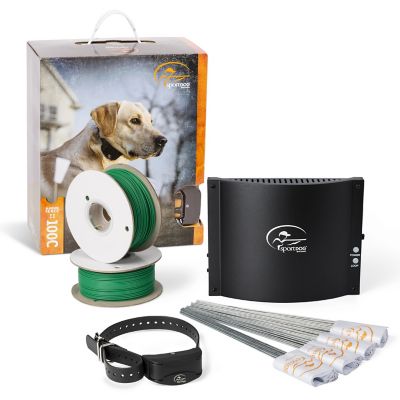
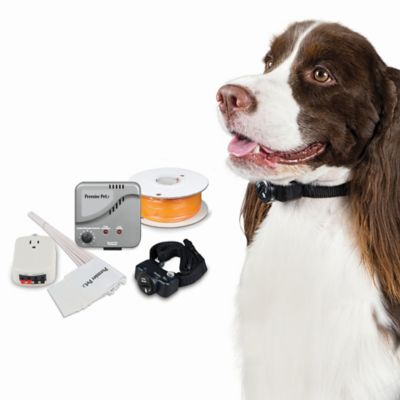
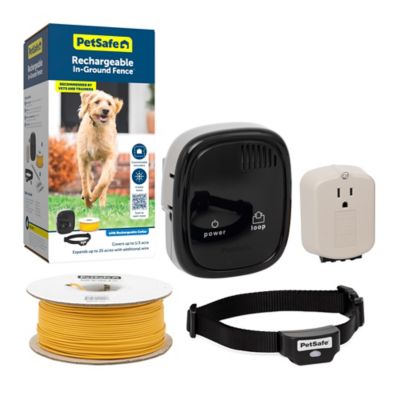
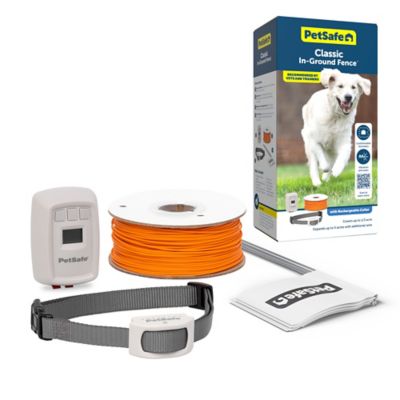
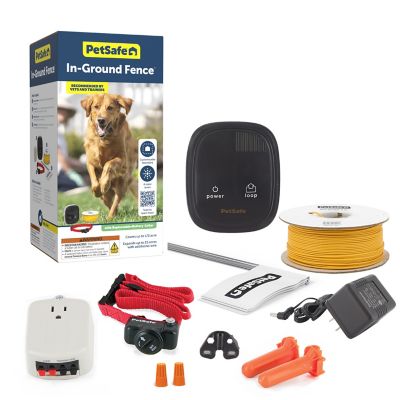
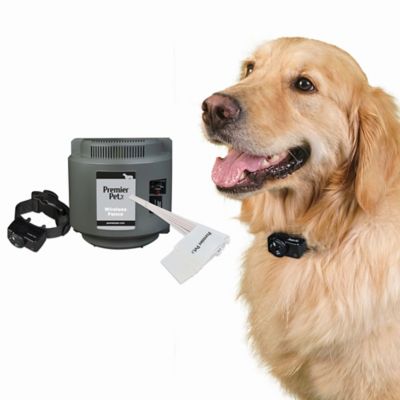
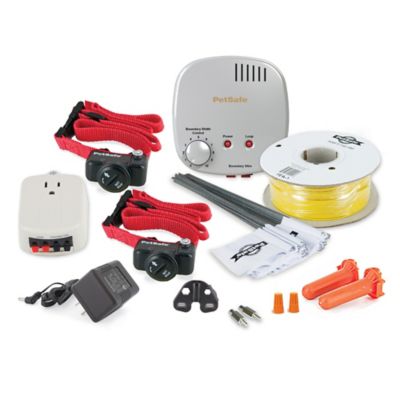
In-Ground Dog Fence Systems use a wire loop connected to a transmitter, along with a compatible receiver collar. The wire establishes the boundary rather than acting as a physical barrier. Depending on the system, the collar provides a warning tone, vibration or static correction as the dog approaches that boundary. Wired layouts can follow irregular property lines and, where supported, create exclusion areas around places such as a garden or pond. Wire length, compatible wire gauge, insulation and waterproof splice connections all affect the finished installation. The total layout also needs to account for the connection to the transmitter and any additional loops required by the manufacturer. A complete setup involves more than enough wire to circle the pasture: it also needs a suitable transmitter location, a power source and room for a boundary zone that stays comfortably inside roads, neighboring land and other hazards.
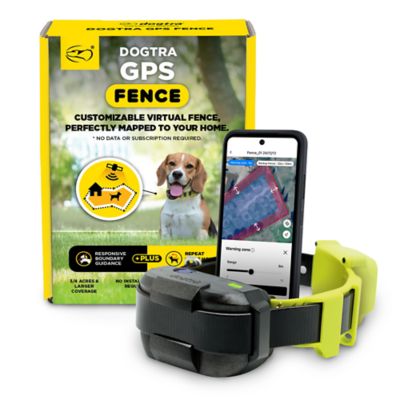
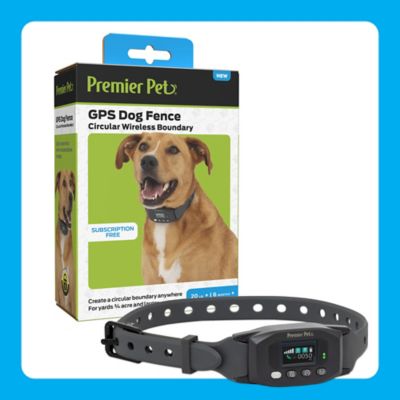
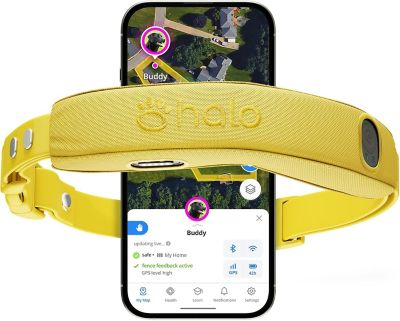
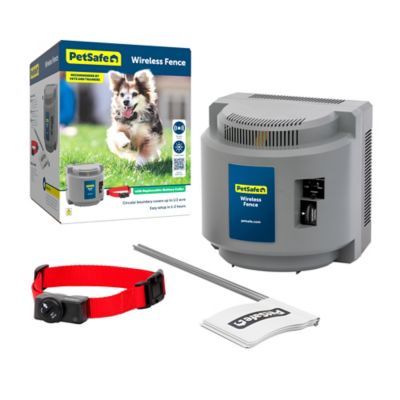
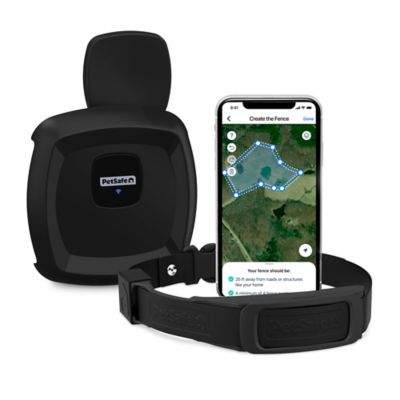
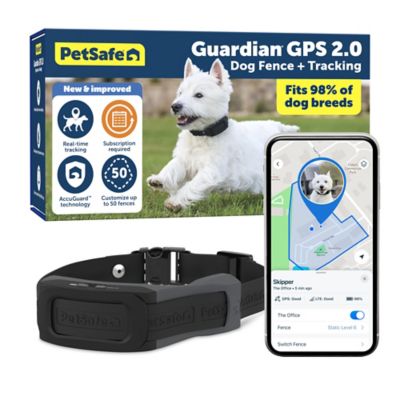
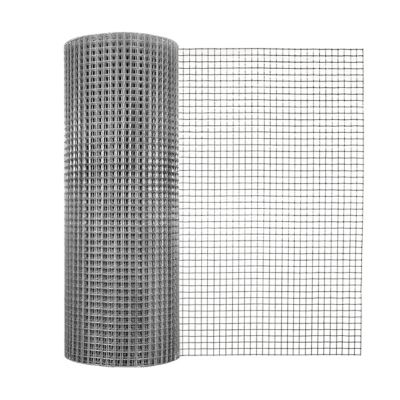
GPS dog fence systems offer another approach for acreage, establishing a virtual boundary through a compatible collar and mapping tools rather than a buried wire. That can suit open ground where trenching would interfere with established paths or where the desired roaming area does not follow existing fence lines. Coverage claims still need a close look. Minimum enclosure size, boundary setbacks, supported shapes and the collar’s positioning performance matter just as much as the maximum acreage rating. Dense tree cover, buildings and some terrain can affect satellite reception, so an open pasture and a wooded hollow may present very different conditions. Cellular service, internet access and satellite positioning have different roles, and the requirements vary by system; a mobile app connection does not necessarily explain how the boundary operates. Collar charging needs also deserve attention when a dog spends long stretches outside with the family. Transmitter-based wireless fences are a separate category from GPS systems. Many create a circular coverage area around a central unit, which may not fit a narrow parcel or a house sitting close to the road. Physical dog fencing, meanwhile, provides a visible obstacle without depending on a receiver collar. Welded wire, woven wire and other suitable fence materials differ in opening size, rigidity and installation requirements. Galvanized or coated steel can help resist corrosion, while properly supported posts and firmly secured mesh help maintain the fence line. Fence height and spacing need to match the dog: a small dog may slip through an opening that contains a larger one, while an athletic dog may climb or jump a fence that works for a quieter companion. Secure gates, latches and ground-level gaps matter as much as the long stretches between posts. Unlike electronic boundaries, a physical fence can also limit entry by other animals, depending on its construction.
The dog’s size, temperament and everyday habits belong at the center of any acreage-fence decision. A calm dog that stays near the porch has different containment needs from a determined digger or a hound that follows a scent toward the back field. Electronic fences do not physically stop a dog from crossing the boundary, and they do not keep wandering dogs, wildlife or people from entering. A dog with a strong chase response or a history of escaping may need a physical enclosure and closer supervision rather than an electronic boundary alone. For collar-based systems, the manufacturer’s minimum age, weight and neck-size requirements help establish whether a system is suitable. A receiver should fit as directed without restricting normal movement, and contact points need the right placement without excessive pressure. Regular skin checks and the recommended wear schedule help prevent irritation. Multiple-dog households also need confirmation that each receiver works with the same system and that settings can suit each dog individually. Boundary flags and calm, reward-based training help a dog connect the warning area with a clear place to turn back; simply fitting a collar does not teach the limits of five acres. Day-to-day care varies with the fence type. Wired systems benefit from protected connections, working fault indicators where included and attention to areas disturbed by digging, mowing or driveway work. Buried-wire installation also calls for utility locating before digging, with separate attention to private lines that a public locating service may not mark. GPS systems need charging and boundary checks as directed, while physical fences need checks for loose fasteners, leaning posts, lifted mesh and gate gaps. Collar cleaning and charging-port care should follow the stated water-resistance limits rather than assumptions based on a rugged-looking housing. On a working property, the most practical dog fence system fits the dog’s behavior and the household’s routine, with clear separation from tractors, livestock handling areas and busy entrances. That fit matters more than enclosing all five acres just because the coverage rating allows it.