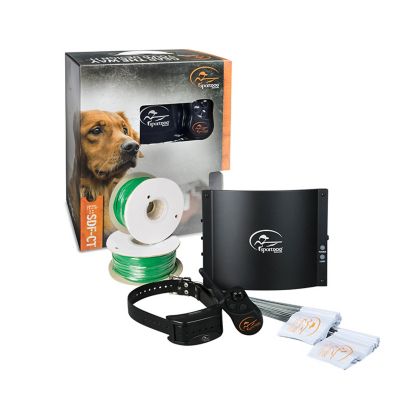
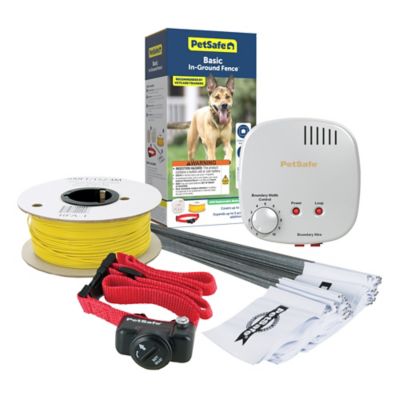
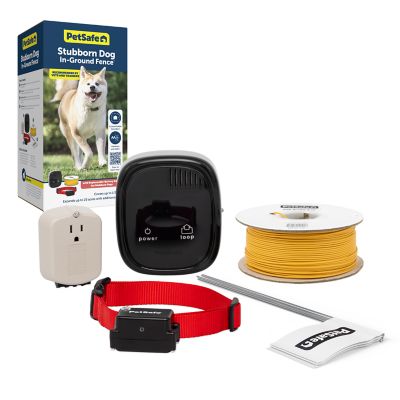
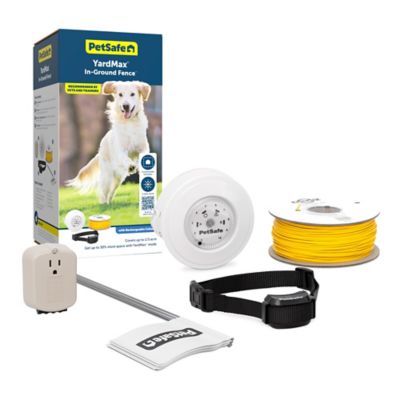
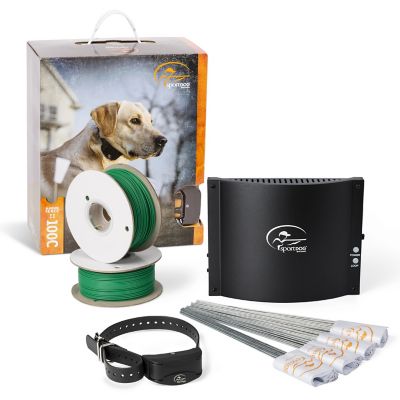
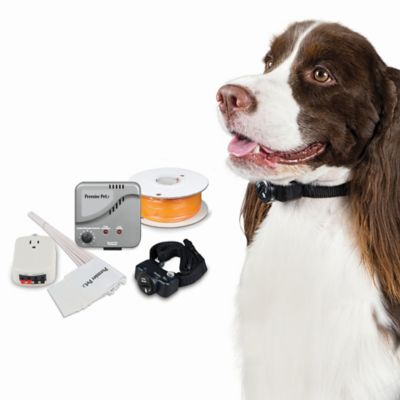
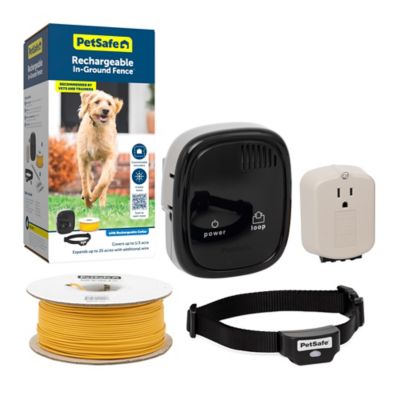
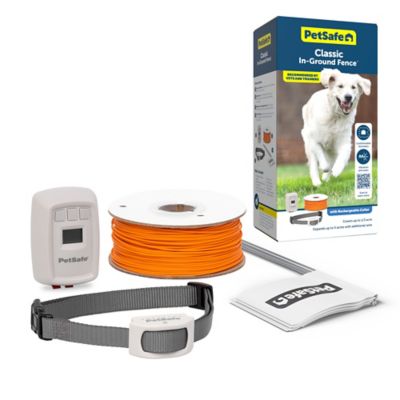
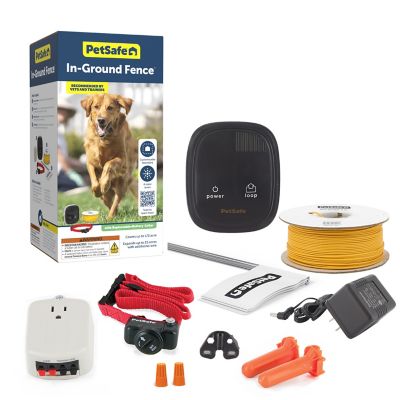
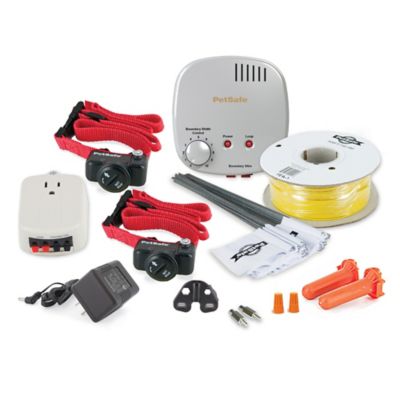
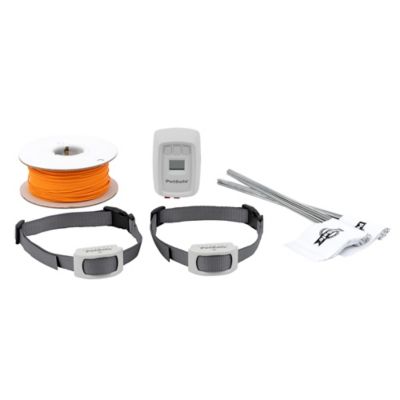
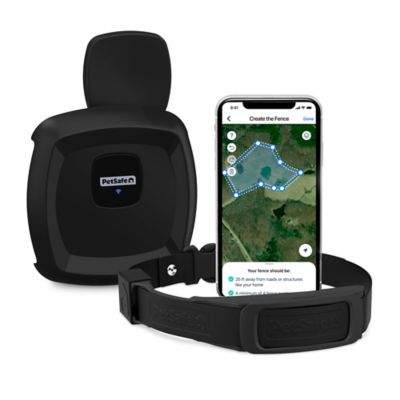
In-ground dog fence systems create an electronic boundary with a buried perimeter wire, a transmitter and a compatible receiver collar. The transmitter sends a radio signal through the wire, and the collar responds when a dog approaches the boundary zone. Depending on the system, that response can include a warning tone, vibration and adjustable static correction. The wire marks a training boundary rather than forming a physical barrier, so the setup works alongside consistent training and supervision, not in place of them. For households with a broad backyard, an irregular lot or a stretch of open ground beside the house, a buried-wire layout can define an exercise area without adding fence panels across the view. The boundary can follow more than a simple circle, making this approach worth considering for yards with corners, outbuildings or planting beds. Some layouts can also create off-limits areas within the larger perimeter, provided the wiring arrangement follows the system’s requirements. Compatible twisted-wire sections can cancel the boundary signal along designated connecting runs, allowing a dog to cross those sections without activating the receiver. The details depend on the equipment and layout; twisting any two wires together does not automatically create a crossing. Coverage deserves a closer look than an acreage figure alone. The length of the perimeter, the shape of the yard and any interior exclusion areas all affect how much wire a setup needs. A long, narrow property may take more wire than a compact yard with the same acreage. The receiver’s warning zone also takes up space inside the intended boundary, which matters near a porch, walkway or narrow side yard. These systems generally establish their boundary through the wire signal rather than GPS positioning or a Wi-Fi connection, though individual features and power requirements vary. They are intended for eligible household dogs, not as a substitute for livestock fencing or a barrier that keeps traffic, wildlife or unfamiliar animals away.
The main components deserve equal attention because each has a different job around the property. Boundary wire needs insulation intended for underground placement, while conductor material, wire gauge and connection methods affect handling and long-term upkeep. Thicker wire may offer more resistance to accidental breakage, but compatibility with the transmitter still matters. Splices and connectors intended for direct burial help protect underground connections from moisture; ordinary exposed connections are not a substitute. A transmitter generally needs an appropriate sheltered location and access to the power source specified by its manufacturer. Boundary-width adjustment and wire-break alerts are useful features to compare, especially where a long run stretches around a yard that is not visible from one spot. Receiver collars bring a separate set of considerations. Neck-size range, receiver weight, contact-point design and the dog’s minimum age and weight requirements all matter more than whether the strap simply buckles. A small dog may need a lighter receiver, while a dog with a thick coat may need a different contact-point option supported by that system. Proper fit allows the receiver to work as intended without an overly tight strap or prolonged pressure against the skin. Water-resistance ratings also deserve attention for dogs that splash through puddles or head straight for a water trough; resistance to splashing and suitability for swimming are not necessarily the same thing. Rechargeable receivers and receivers with replaceable batteries have different care routines, and battery-status indicators can make those routines easier to manage. In homes with several dogs, each dog needs a compatible receiver and individual training. Support for multiple collars does not mean every collar works with every transmitter, even when the equipment looks similar. Adjustable settings can help account for differences between dogs, but a stronger correction is not automatically a better fit. Temperament, hearing, health and response to training all belong in the decision, with veterinary or qualified behavior advice especially helpful for a fearful, reactive or medically vulnerable dog.
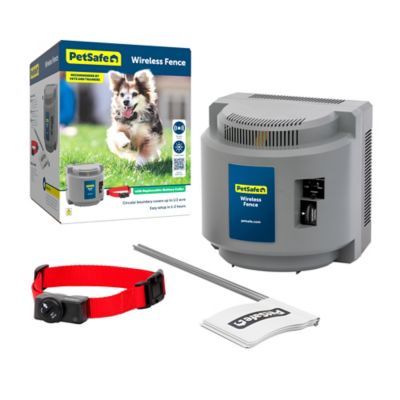
An in-ground dog fence fits best into a household routine that leaves room for boundary training and regular equipment checks. Training flags provide a visible reference while a dog learns where the warning begins, and short, reward-based sessions help connect that boundary with turning back toward the yard. A dog that happily follows a person around the garden may respond differently when a squirrel darts toward the road, so calm practice alone does not establish how the dog will react to every distraction. Training time varies by dog and system, and the manufacturer’s training plan sets the starting point rather than a guaranteed finish date. These systems cannot physically stop a determined dog from crossing the wire, and they do not prevent another animal or a person from entering the yard. Supervised outdoor time remains important, particularly near roads, neighboring animals or other hazards. For properties that need a physical separation, gates and conventional fencing serve a different purpose. Installation planning also affects everyday convenience. Underground utility marking through 811 belongs in the planning process before digging, along with consideration for irrigation lines, driveway crossings, garden work and future changes to the property. A saved boundary map can help prevent accidental cuts when someone plants a shrub or repairs a water line. Ongoing care includes checking collar fit and skin contact, following receiver wear limits, maintaining batteries and confirming that the transmitter and boundary signal are working as intended. Wire-break indicators can help flag a problem, but they do not replace routine checks. An outage, depleted receiver battery or damaged wire can interrupt operation unless the system has a suitable backup feature. For a boundary without buried perimeter wire, a
Wireless Pet Fence System offers another approach, with coverage shape and placement requirements that depend on its technology. Buried-wire systems appeal to households that want more control over the boundary’s route and are prepared for installation, training and upkeep. The best fit comes down to the dog, the ground and the attention the setup will receive after installation.