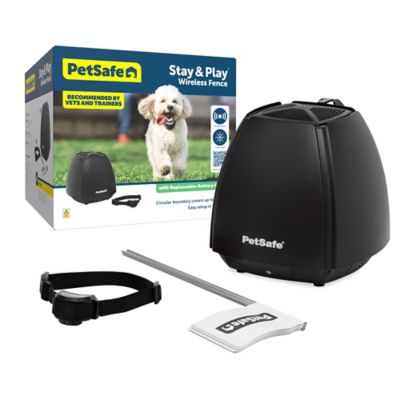
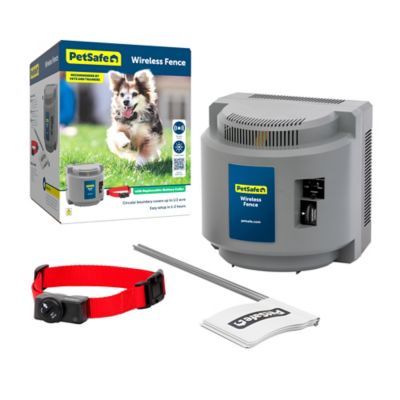
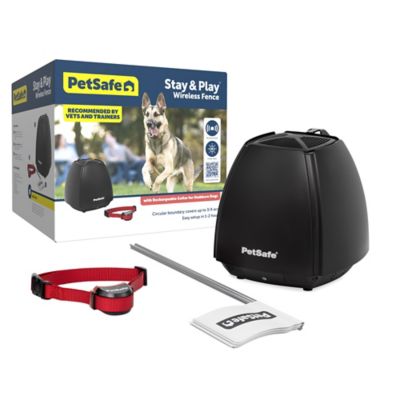
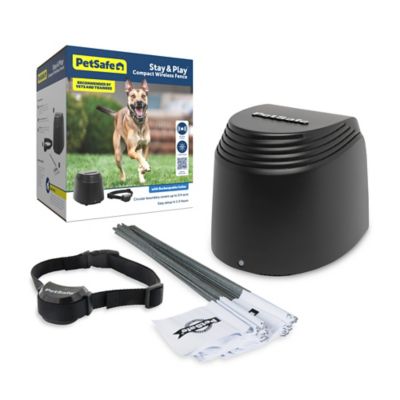
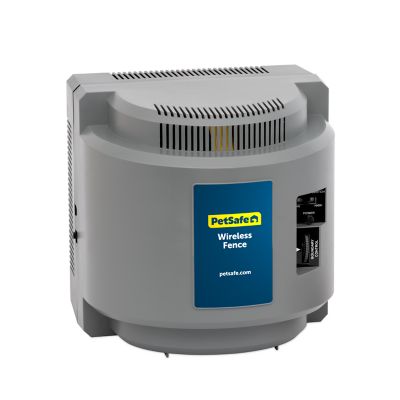
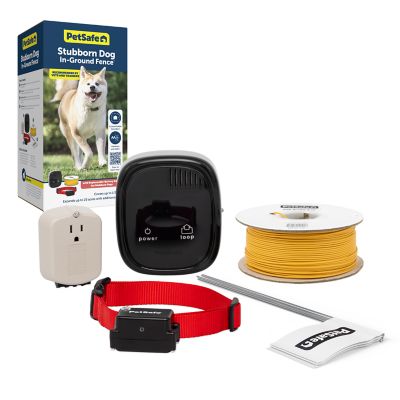
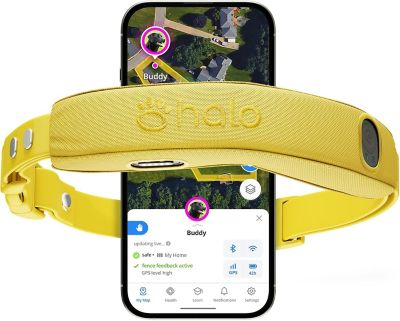
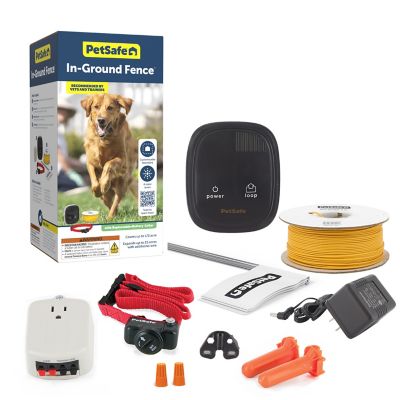
A wireless pet fence system pairs a receiver collar with a boundary established through radio signals or GPS positioning, helping a trained pet recognize the limits of an outdoor area without a buried perimeter wire. For a dog that likes to follow every interesting scent beyond the back porch, that boundary can support a familiar place to stretch, sniff and spend time with the family. Unlike a physical fence, it does not create a barrier that blocks movement, and its effectiveness depends on proper setup, collar fit, training and supervision. Different wireless systems establish their boundaries in different ways. Transmitter-based systems typically create a circular coverage area around a central base, making the location of that base an important part of the fit for a property. The circle may work well around an open yard but may not follow a narrow side lot, an angled driveway or the edge of a garden. Systems that rely on satellite positioning offer another approach;
GPS Dog Fences can provide boundary options suited to some larger outdoor spaces, depending on their design and minimum area requirements. The full acreage listed for a system does not tell the whole story. The usable space inside the warning zone matters, especially where a house, barn or equipment shed takes up part of the yard. Trees, structures, slopes and metal surfaces can affect performance differently across technologies, so the layout deserves as much attention as the coverage figure. A transmitter-based boundary needs a suitable base location and power source, while a GPS-based boundary needs the satellite reception specified by the manufacturer. A clear section of yard away from a road, livestock pen or busy farm lane gives a dog more room to respond before reaching a hazard. Wireless containment is best considered a training-supported boundary, not a substitute for a gate where a physical barrier is necessary.
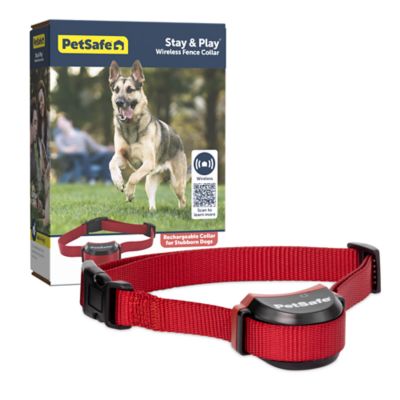
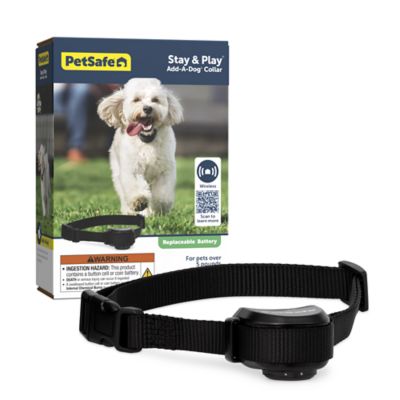
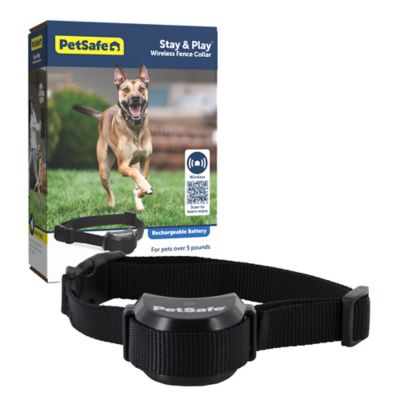
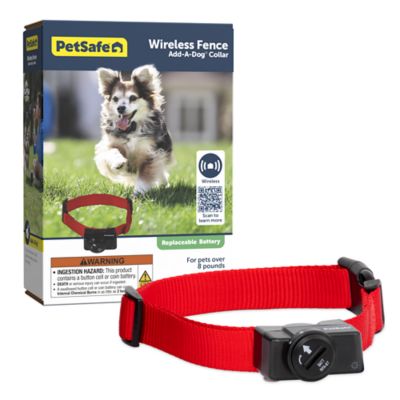
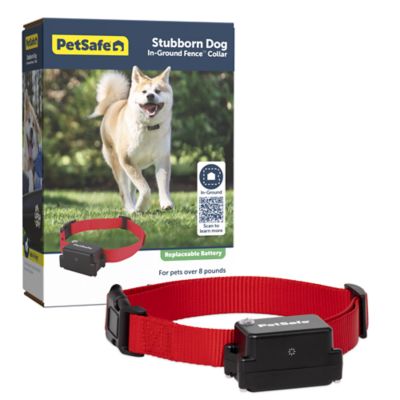
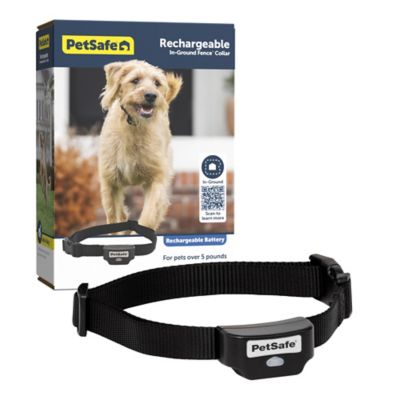
The receiver collar is the part a pet wears, so its size, weight and fit deserve close attention. Minimum age and weight requirements vary, and a collar that sits comfortably on a broad-necked farm dog may be too heavy or too large for a smaller companion. Neck measurements help narrow the choices, but the receiver housing and adjustment range matter, too. Most systems in this category are intended for dogs; a dog collar should not be assumed suitable for cats or other animals. Common construction details include adjustable nylon straps, molded receiver housings and metal contact points on models that deliver static correction. Coat thickness can affect contact, and any alternate contact points need to match the manufacturer's directions rather than simply reaching farther through the fur. A snug fit should maintain the required contact without pinching, rubbing or restricting normal movement. Smooth edges, secure buckles and a strap that stays in adjustment help with everyday comfort, particularly for a dog that spends plenty of time nosing through grass or resting under the porch. Water-resistance ratings also matter for pets that splash through a stock-tank overflow or take an unexpected dip, although water resistance and permission for swimming are not the same thing. Alert and correction options vary by system, with tone, vibration or adjustable static settings appearing in different combinations. Those features need to suit the individual dog's temperament and training needs, not just its size. A timid dog and an eager squirrel chaser may respond very differently to the same warning. Dogs with health concerns, skin sensitivity, hearing limitations or anxiety may need guidance from a veterinarian or a qualified trainer before wearing a containment collar. In a household with more than one dog, receiver compatibility, separate settings and individual training needs all matter. Sharing a boundary does not mean every dog will learn it at the same pace.
Everyday ownership involves more than setting a boundary and fastening a collar. Clear operating indicators, manageable charging routines and straightforward controls can make a system easier to keep working as intended around chores, feeding time and trips in and out of the house. Rechargeable receivers need regular charging, while battery-powered models need the specified replacement batteries and routine checks. Some systems depend on household electricity, and others may include backup power or additional connectivity requirements. GPS positioning and cellular service serve different functions, so an app connection, tracking feature or subscription requirement should be considered separately from the boundary itself. Portability also varies. A movable transmitter or a receiver that supports additional locations does not remove the need to check the new area and teach the dog where its limits lie. At home, boundary flags and short, supervised practice sessions can help make an otherwise invisible line understandable. A familiar route through a gate or doorway also helps distinguish an invited walk from wandering out alone. Routine care keeps attention on the parts that touch the dog and the components that carry the signal: straps need cleaning according to their material, charging contacts need to stay free of buildup, and housings, buckles and contact points need regular inspection. The neck should be checked for irritation, with collar removal and wear-time limits following the manufacturer's instructions. Leads should attach to a separate collar or harness unless the receiver's instructions specifically permit otherwise. Even with careful upkeep and training, a wireless boundary cannot stop another animal from entering the yard, prevent a person from approaching or guarantee that an excited dog will stay inside. Physical fencing, a kennel or a leash may still be necessary near traffic, livestock or other hazards. The best match is a system whose boundary shape, collar design and daily upkeep fit both the property and the pet, with enough room for ordinary yard time and enough oversight to keep that routine sensible.