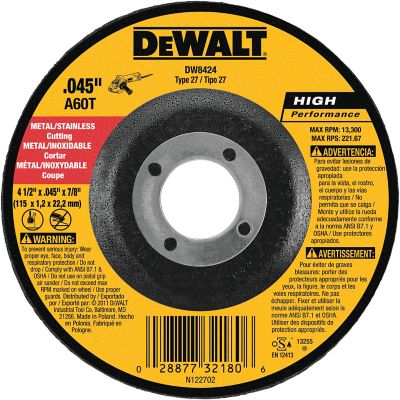
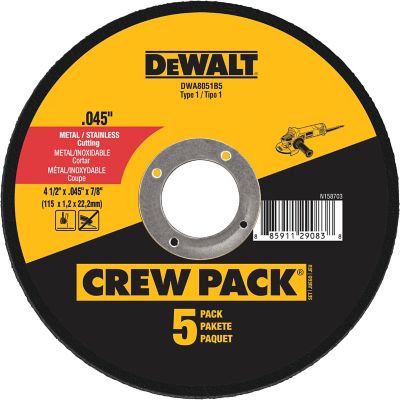
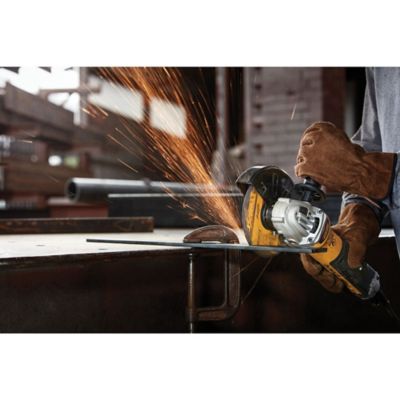
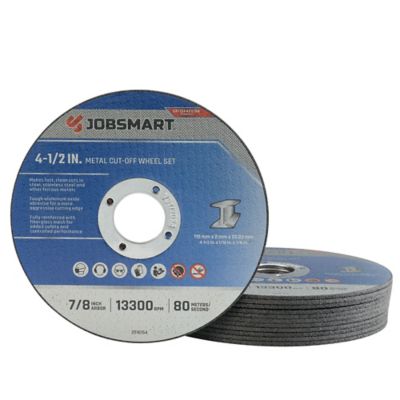
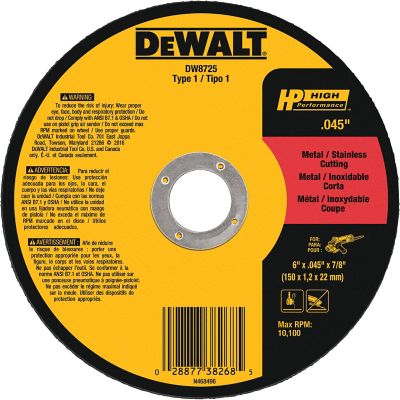
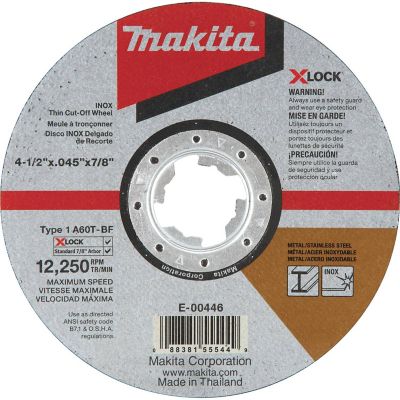
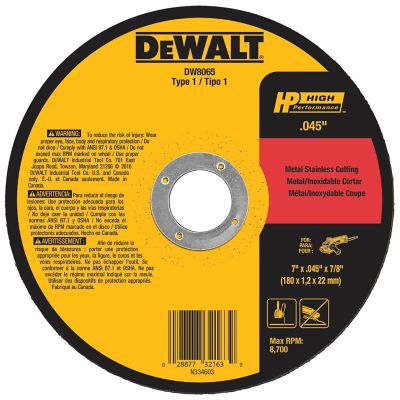
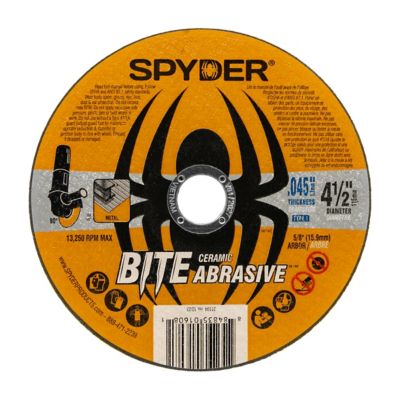
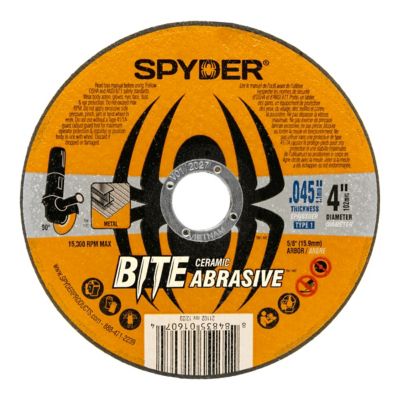
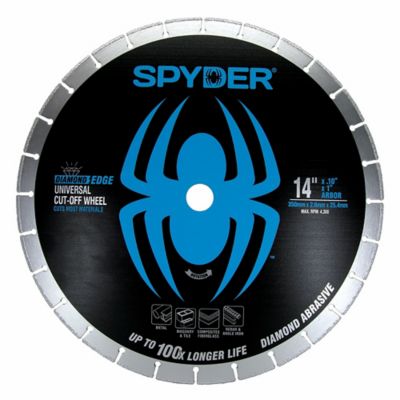
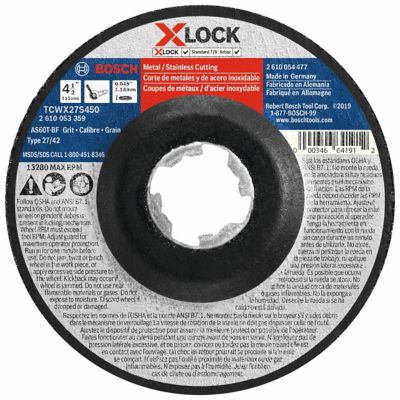
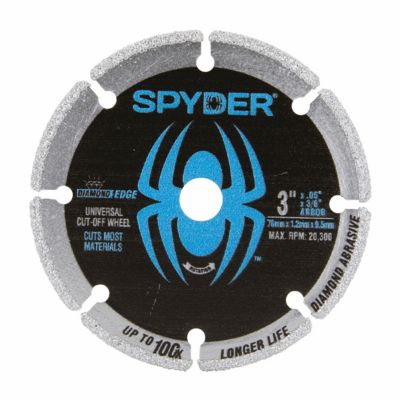
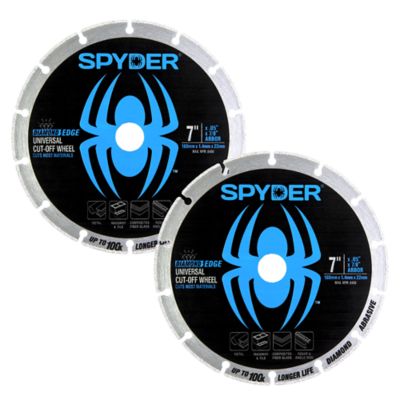
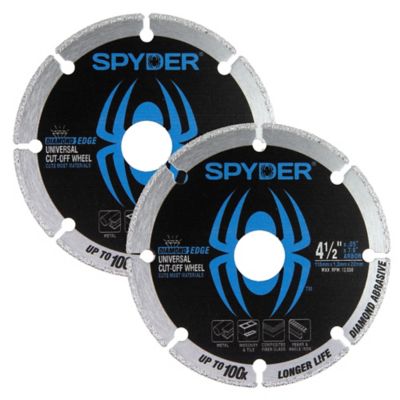
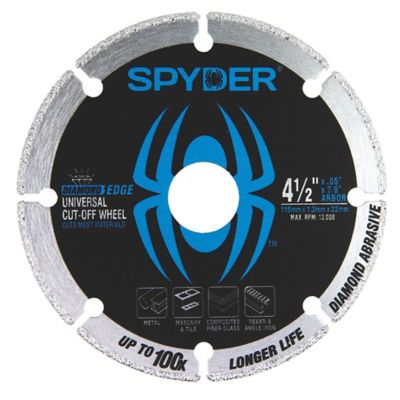
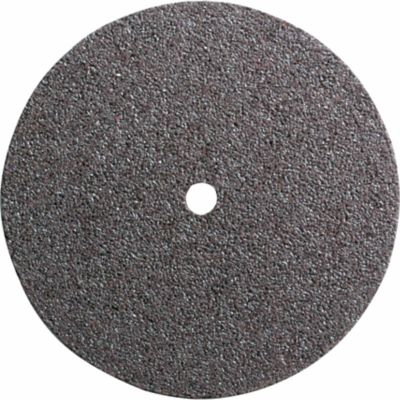
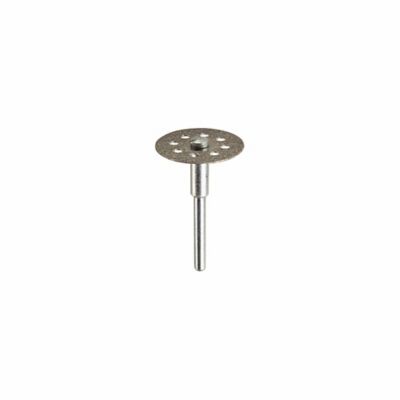
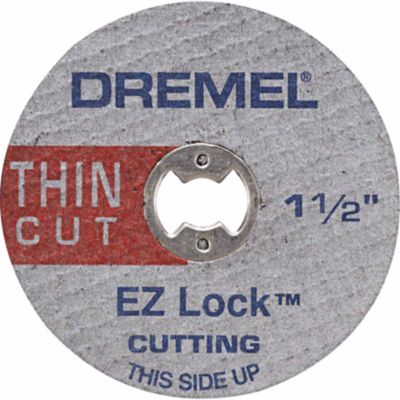
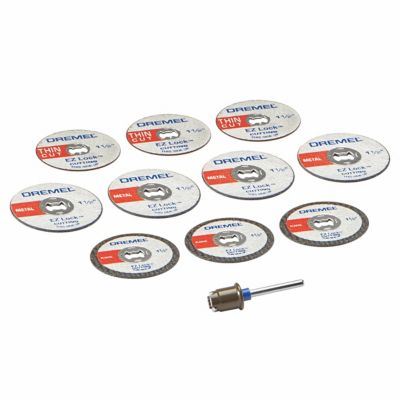
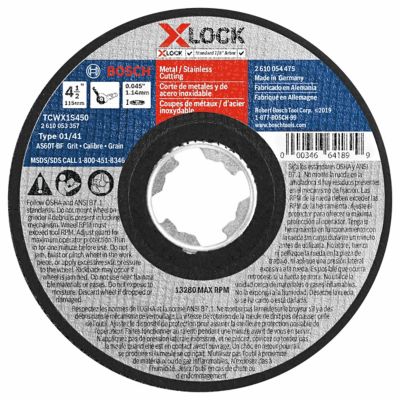
Cutting wheels for stainless steel bring controlled cutting power to jobs that call for trimming tube, shortening threaded rod, or sizing sheet metal for a shop project. Stainless turns up all around a working property, from wash-station frames and equipment brackets to exhaust tubing and repair parts. Its resistance to corrosion makes it useful in these settings, but it also calls for an abrasive wheel matched to the metal. Stainless does not move heat away from a cut as readily as plain carbon steel, so concentrated friction can leave discoloration, distort thin sections, and add cleanup work. A stainless-rated cut-off wheel is designed for this material, with abrasive grain, bonding, and reinforcement working together as the edge wears. Aluminum oxide, zirconia alumina, and ceramic alumina are common abrasive options, though the wheel’s stated material compatibility matters more than the grain name alone. Grain blends and bond formulations affect cutting speed, pressure requirements, and service life. Fiberglass reinforcement helps support many bonded abrasive wheels, but it does not make them suitable for twisting or sideways pressure. Thin wheels, often around 0.040 to 0.045 inches thick, remove a narrow strip of metal and can help limit resistance during the cut. That narrow cut, called the kerf, matters when trimming small tubing or preserving material alongside a marked line. Thicker wheels may suit other cutting demands, but thickness alone does not establish strength, tool compatibility, or suitability for stainless. The right balance depends on the workpiece, the tool, and the wheel manufacturer’s specifications. For a farm repair shop, fabrication bench, or garage, these details can mean less time dressing an edge before fitting parts together. A wheel suited to thin sheet may behave differently on solid bar, making the intended material shape and thickness important considerations alongside the stainless rating.
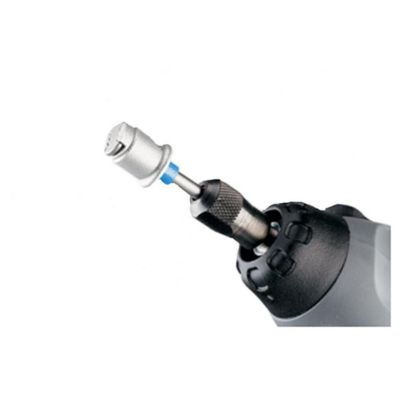
Tool fit is just as important as abrasive choice. Common angle grinder cutting wheel diameters include 4-1/2 inches and 5 inches, and a 7/8-inch arbor hole is common, but neither measurement should be assumed from the grinder’s appearance. Wheel diameter, center opening, mounting hardware, and guard configuration all need to match the tool’s instructions. Smaller cut-off wheels serve certain rotary tools and die grinders, often with a specified mandrel or mounting system. Their compact size can help around tight fabrication work, but it does not make them interchangeable with angle grinder wheels. Flat Type 1 wheels and depressed-center Type 27 wheels have different profiles, and the tool must support the selected wheel type with the appropriate cutting guard and flanges. Speed ratings deserve a close look, too: the wheel’s maximum rated RPM must meet or exceed the tool’s maximum operating speed. A larger diameter or a familiar arbor size does not cancel out an unsuitable speed rating. On a practical level, a bracket made from thin stainless sheet calls for different access and support than a length of round tubing clamped on a bench. Wheel reach, guard clearance, and room to maintain a straight cutting path all affect the fit for the job. Firm workholding helps keep the metal steady, while support that prevents the cut from closing reduces the chance of pinching the wheel. A thin cut-off wheel belongs in the cut, not against the broad face of the metal for grinding, unless its labeling specifically permits that operation. Eye protection with a face shield, hearing protection, and the manufacturer-specified guard are part of the setup. Sparks also put nearby fuel, dry grass, and other combustible material out of bounds. These considerations matter whether the work is a single repair behind the barn or a run of matching parts at the shop bench.
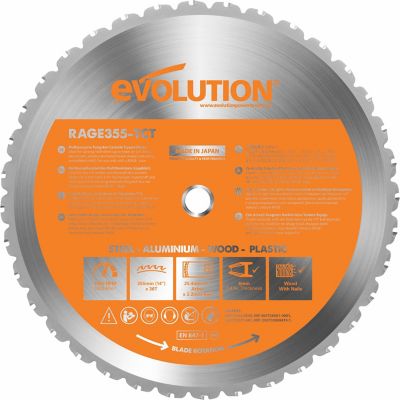
Keeping stainless work separate from carbon steel work helps protect the finished surface. Iron particles transferred from a wheel or another shop abrasive can become embedded in stainless and later show up as rust staining. A wheel marked for stainless or INOX identifies an intended application, while statements about low iron, sulfur, and chlorine content provide more specific information about its formulation. Those claims should come from the label or technical specifications rather than from the wheel’s color or appearance. Reserving stainless cutting wheels for stainless work, along with keeping work surfaces and finishing tools free of carbon steel debris, helps reduce cross-contamination. Cutting feel matters as well: steady, controlled pressure lets the abrasive work without forcing the disc, while twisting or binding places stress on a wheel built for a straight cutting path. No abrasive wheel promises a burr-free or discoloration-free edge on every piece of metal. Wall thickness, access, feed pressure, and the condition of the wheel all influence the result. Freshly cut tubing and sheet can have sharp edges that need a separate, stainless-compatible deburring or finishing tool before handling or assembly. Wheel care begins before mounting. Flat storage in a dry, protected place helps prevent damage from moisture, impacts, or heavy objects, and inspection can reveal cracks, chips, or other reasons to discard a wheel. Worn wheels lose diameter and cutting reach; a wheel that no longer reaches the work safely is not a reason to remove the guard. Hardened replacement wheels for tubing cutters belong to a different system, scoring the tube with a compatible cutter rather than removing metal with an abrasive disc. For saw-based work,
Metal Cutting Blades are another category to consider, with blade material and tooth design matched to the saw and stainless workpiece. Matching the cutting accessory to both the machine and the metal keeps the job grounded in the right equipment from the start.