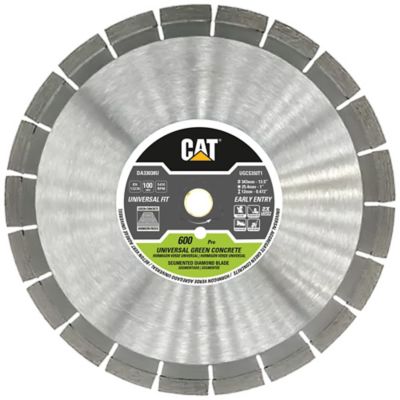
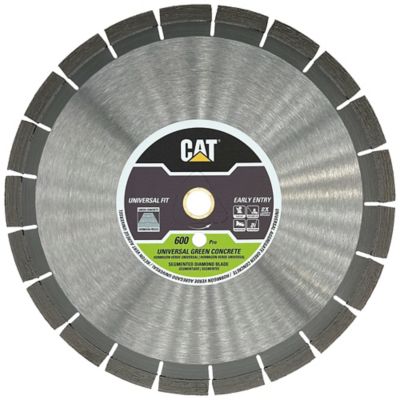
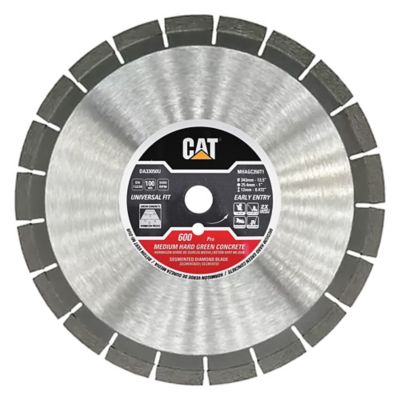
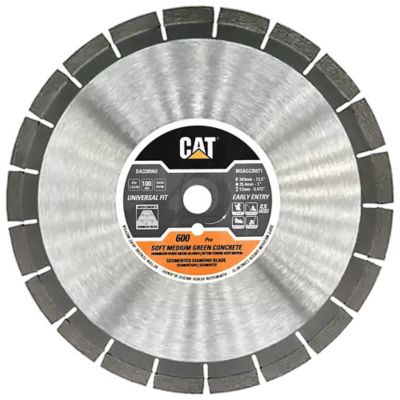
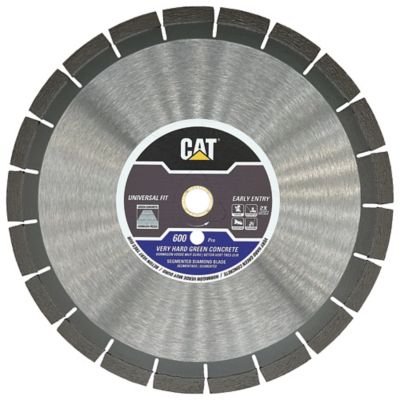
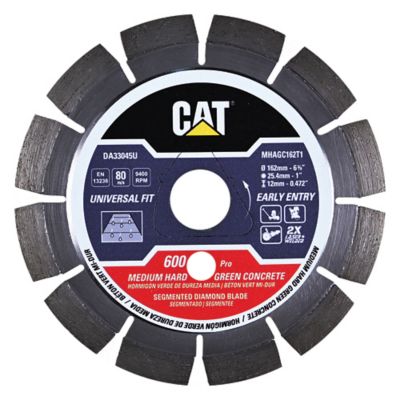
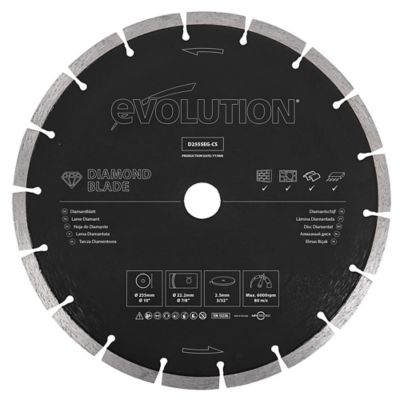
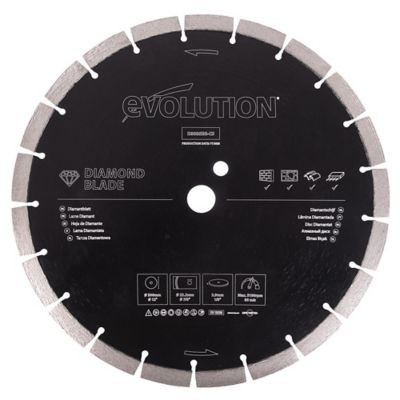
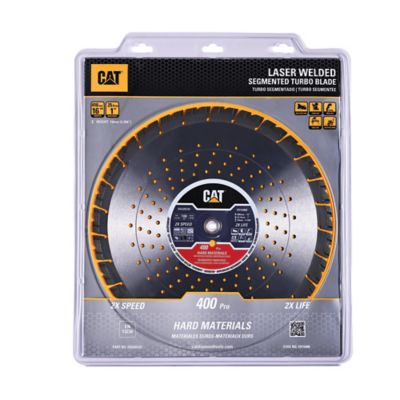
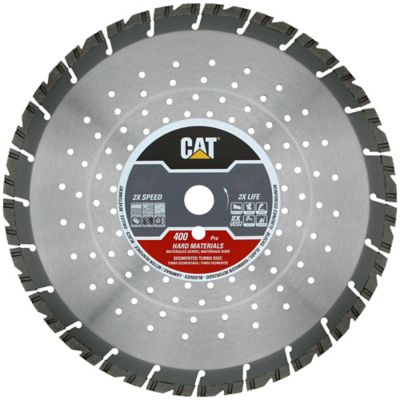
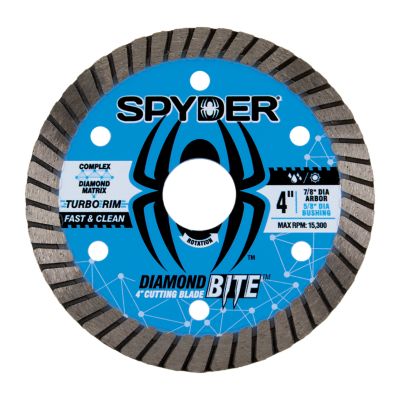
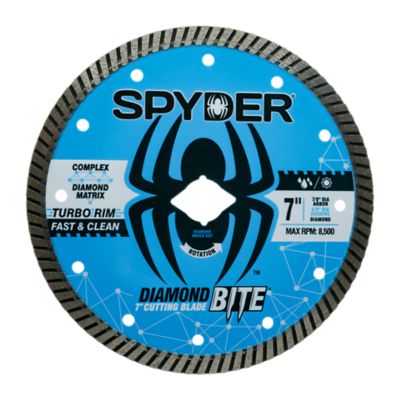
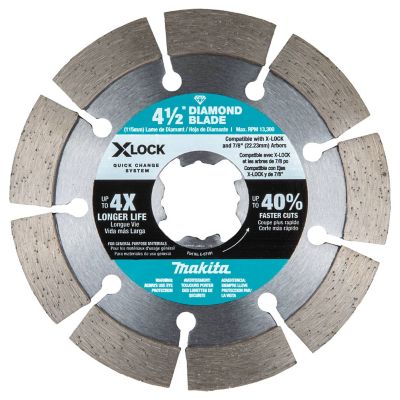
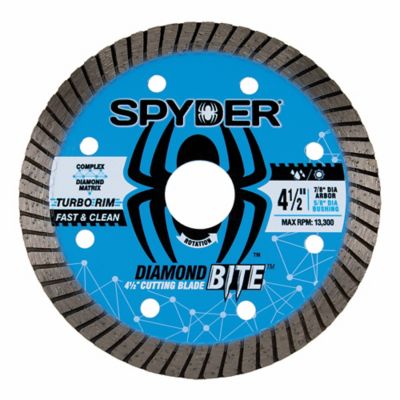
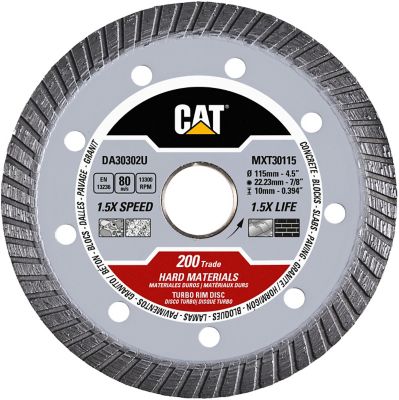
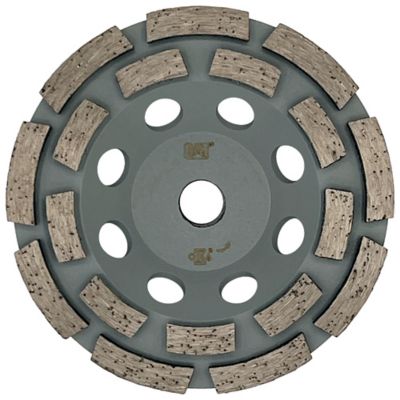
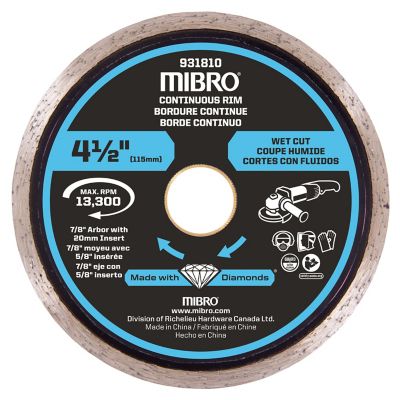
Diamond blades for concrete cutting use industrial diamond particles held in a metal bond along the cutting edge of a steel core. Rather than slicing with teeth like a wood-cutting blade, that edge grinds through concrete as the blade turns. As the bond wears, fresh diamond particles become exposed, helping the blade keep cutting through cement paste and aggregate. That construction makes these blades a practical fit for concrete work around driveways, sidewalks, barn entrances, shop floors, and equipment pads. Contractors, property owners, and maintenance crews may need them for trimming a slab edge, sizing concrete pavers, or making cuts ahead of a repair. The concrete itself has a big say in blade selection. Cured concrete, green concrete, reinforced concrete, and masonry do not all place the same demands on a cutting edge, and a blade’s material rating matters more than its appearance. Aggregate hardness and abrasiveness affect how quickly the bond wears and how freely the blade cuts. A harder bond generally resists wear in more abrasive material, while a softer bond can help expose fresh diamonds when cutting harder aggregate. Manufacturer recommendations remain the best reference for matching that balance to the job. Edge design matters, too. Segmented rims have gaps between cutting sections that help clear debris and manage heat, making them common choices for demanding concrete work. Turbo-style rims have a patterned edge intended to balance cutting speed and finish. Continuous-rim designs offer an uninterrupted cutting edge, though many are intended for tile or other materials rather than general concrete work. The right choice starts with the listed application, not simply the rim style. A rough cut across an apron ahead of demolition places different demands on a blade than a visible edge alongside a walkway. Cutting speed, edge chipping, and blade life all deserve consideration when matching a blade to the work.
Fit is just as important as the cutting edge. Diamond blades for concrete cutting need to match the saw’s approved blade diameter, arbor size, operating speed, and intended cutting method. A blade that looks close in size is not necessarily a safe match, and a larger diameter is not a shortcut to more cutting depth. The saw’s guard, mounting hardware, power, and design determine which blade sizes it can accept. Blade diameter also does not equal usable cutting depth because the arbor, flanges, and guard occupy part of that space. For a thick slab or a deeper repair cut, the whole saw-and-blade combination needs to suit the work. The blade’s maximum speed rating must meet or exceed the saw’s operating speed, and its direction arrow needs to match the saw’s rotation. These details matter whether the equipment is a handheld concrete saw, a walk-behind saw, or another tool approved for the task. The same fit checks apply when comparing
diamond blades for circular saws, particularly where a smaller tool’s power and cutting depth limit the job. Wet-cutting and dry-cutting ratings also need a close look. Water can cool a compatible blade and help control dust, but wet cutting requires equipment designed for water delivery and that operating method. A wet-only blade is not a dry-cutting option, and a dry-cutting rating does not mean unlimited cutting without cooling intervals. The blade and saw instructions establish those limits. Reinforcement adds another consideration. Some blades are rated for concrete containing rebar, while others are not intended to encounter embedded steel. A concrete-cutting rating alone does not establish suitability for every reinforced slab or metal-cutting task. Kerf width can also affect the match: a narrower cut removes less material, but blade thickness still needs to suit the equipment and application. Those compatibility details help separate a blade suited to light trimming from one intended for heavier slab work.
Blade life depends on more than the number of diamond segments around the rim. Concrete composition, cutting depth, feed pressure, cooling, and saw condition all influence wear. Even a well-matched blade can struggle when it is forced through a cut faster than the tool can handle or twisted sideways to change direction. Diamond blades are intended to cut along their rim, not serve as side-grinding wheels unless specifically rated for that work. On a long cut across a shop approach or along a livestock walkway, steady support and a clear cutting path matter as much as the blade’s specifications. A slowing cut, excessive vibration, an uneven wear pattern, or a glazed cutting edge can point to a mismatch, mounting trouble, or operating conditions that need attention. More pressure is not the answer to every sluggish cut. Inspection and care help protect both the blade and the equipment between jobs. Cracks in the steel core, missing segments, distortion, and damage around the arbor hole are reasons to take a blade out of service. Clean mounting surfaces and the correct flanges help the blade seat properly, while storage that protects the rim from knocks keeps it from rattling against loose tools in a truck bed or shop drawer. Any cleaning or blade conditioning should follow the manufacturer’s directions rather than an improvised method. Concrete work also brings dust, noise, and flying debris into the picture. Respirable crystalline silica can be present in concrete dust, making an appropriate dust-control setup essential. Depending on the equipment and task, that may involve a compatible water-delivery system or a shroud and dust extractor rated for the application, along with respiratory protection where required. Eye protection, hearing protection, and the saw’s required guarding belong in the setup as well. Before cutting an existing slab, identifying concealed utilities and understanding whether reinforcement or structural elements could be affected helps keep a straightforward repair from becoming a bigger problem. A blade matched to the material, equipment, and cutting conditions gives concrete work a sound starting point, whether the task is a short repair cut at the barn or repeated cuts across a larger jobsite.