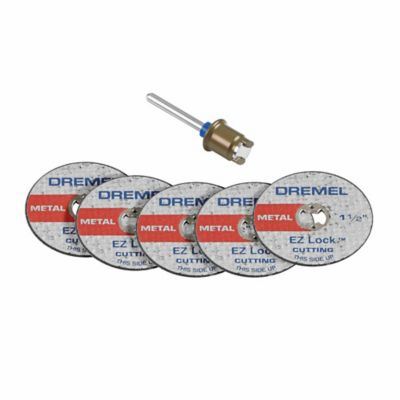
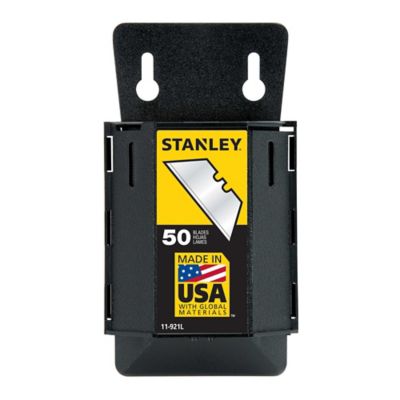
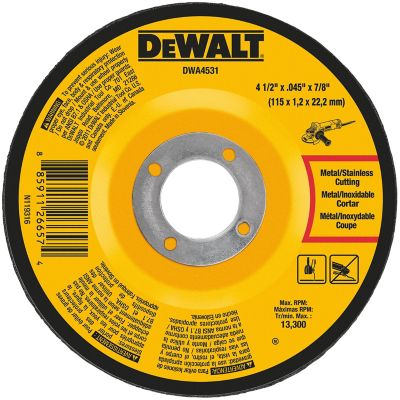
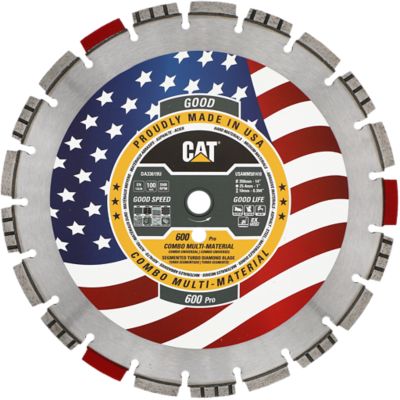
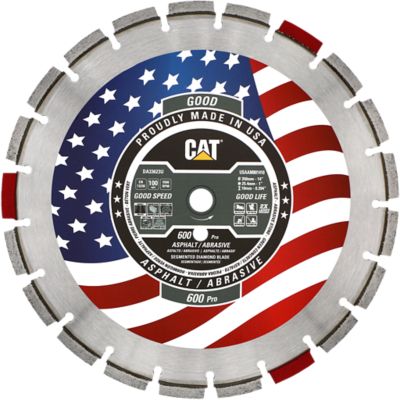
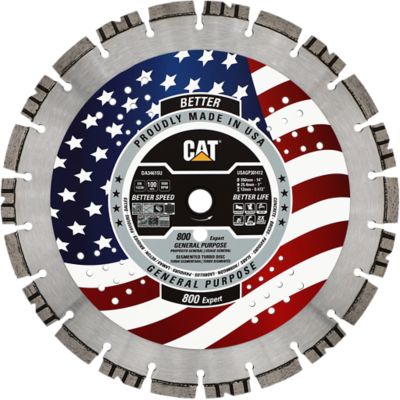
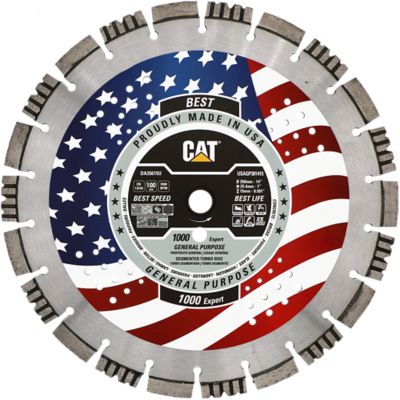
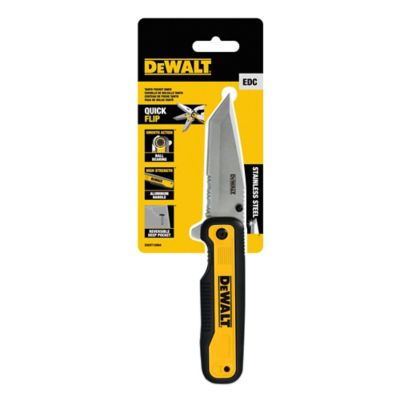
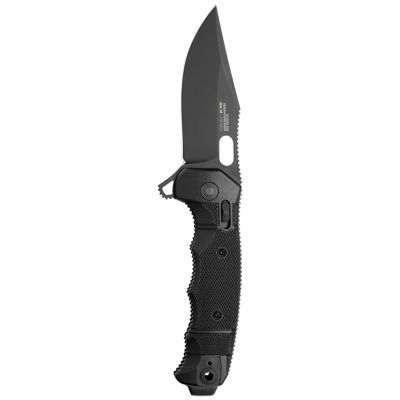
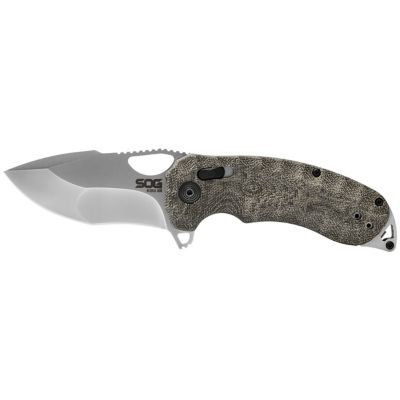
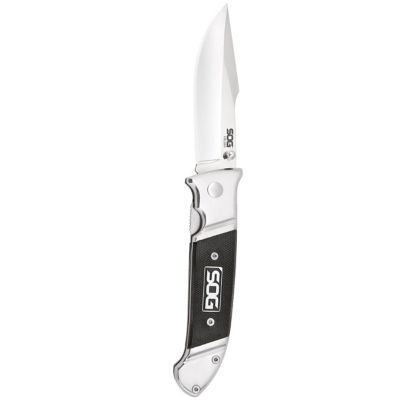
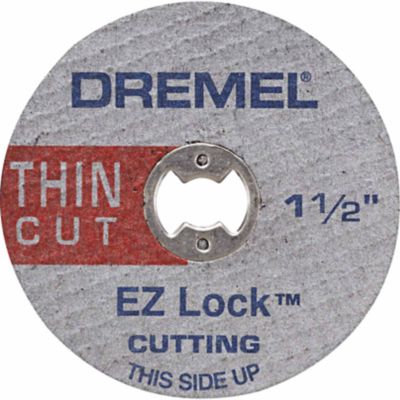
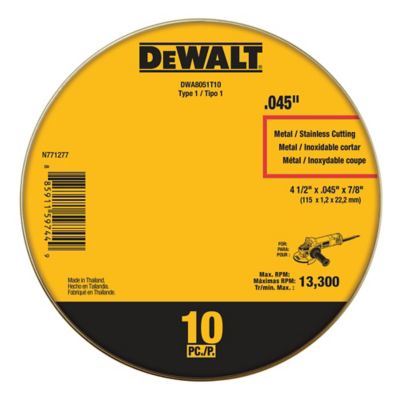
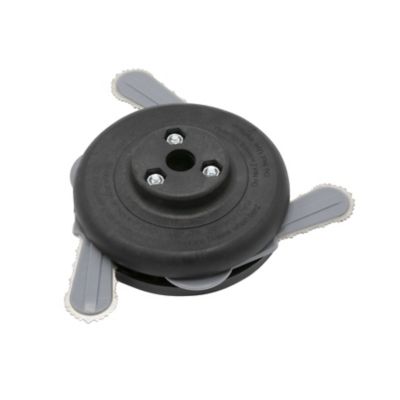
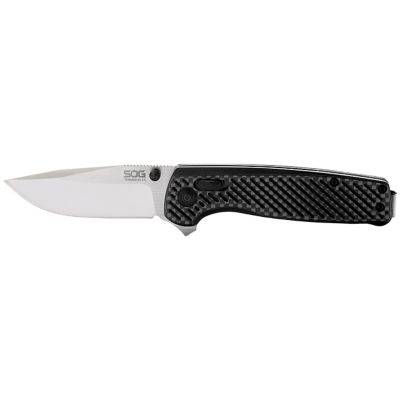
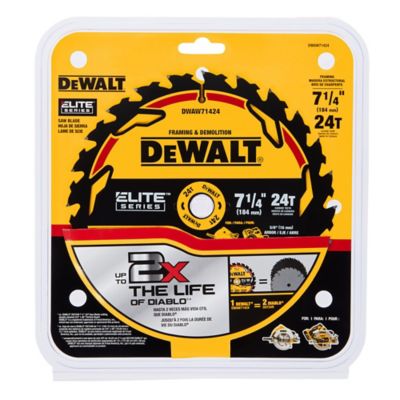
Cutting blades are replaceable cutting edges for saws, utility knives and other tools, with designs suited to wood, metal, plastic, masonry and everyday packaging. The right match depends on three things: the tool, the material and the kind of cut the job calls for. A blade that tears through framing lumber may leave a rough edge on plywood, while a fine-tooth metal blade can struggle to clear sawdust from a thick board. Around a farm shop, garage or jobsite, those differences matter whether the task is trimming a gate brace, shortening a length of pipe or opening feed deliveries. Circular saw blades have round bodies and cutting teeth or specialized rims, with different designs for straight cuts in lumber, sheet goods and other specified materials. Reciprocating saw blades have long, narrow bodies that move back and forth, making them well suited to demolition, rough trimming and reaching into tight spaces. Jigsaw blades offer another option for curves, cutouts and smaller workpieces, while utility knife blades handle tasks such as slicing cardboard, scoring drywall and trimming certain sheet materials. Dedicated cutting wheels and specialty blades serve applications that require a different edge or mounting arrangement. These categories are not interchangeable just because two blades look similar. Diameter, arbor size, blade length, thickness and shank style all affect fit, and the tool manufacturer’s specifications establish which attachments belong on a particular machine. Corded and cordless tools alike need blades that match their mounting system and operating limits. For rotating blades and wheels, the attachment’s maximum speed rating must meet or exceed the tool’s operating speed. A proper fit also allows the guard to work as intended. For folks who move between fence repairs, workshop projects and general property upkeep, keeping blade types organized by tool and material makes it easier to reach for the right cutting edge without interrupting the job.
Blade construction helps determine edge life, flexibility and performance under load. High-carbon steel blades generally provide flexibility for cutting wood and some plastics, though their edges can wear faster against hard materials. High-speed steel offers greater resistance to heat and wear, while bi-metal construction combines a hardened cutting edge with a more flexible backing. That balance makes bi-metal blades a practical choice for many reciprocating saw tasks involving wood or metal, provided the blade is labeled for the material. Carbide-tipped and carbide-tooth designs bring additional wear resistance to specified applications, including some abrasive building materials and demanding wood or metal cuts.
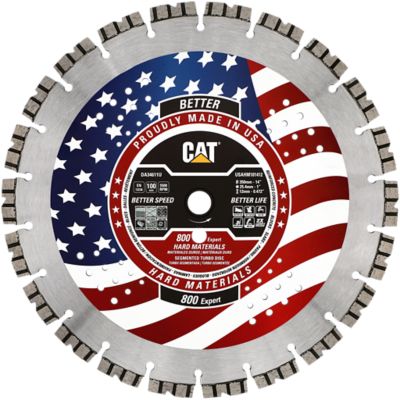
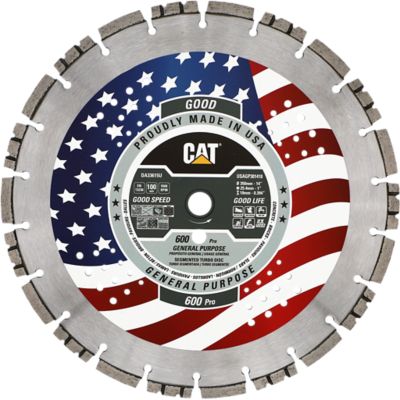
Tungsten Carbide Blades offer a closer look at this blade material, though the intended application still depends on the individual blade’s design and labeling. Diamond cutting edges are commonly associated with masonry and tile, with blade construction determining which materials and wet or dry cutting methods are appropriate. Tooth count matters, too, but it tells only part of the story. On circular blades of the same diameter and intended application, fewer teeth generally favor faster cutting and more chip clearance, while more teeth generally favor a finer finish. Tooth shape, hook angle and the material being cut also influence the result. Reciprocating and jigsaw blades often list teeth per inch, or TPI; the right spacing helps keep enough teeth engaged without packing the spaces between them with debris. Thin-wall metal tubing calls for a different tooth pattern than a thick wooden post. Kerf, the width of the cut, affects material loss and cutting resistance. A thinner kerf can reduce the load on a compatible saw, while blade-body stiffness helps resist deflection. Those details show up in everyday work: a shelf edge that needs less sanding, a pipe cut that needs less cleanup or a rough cut through lumber that keeps moving without excessive pressure. A blade rated for nail-embedded wood is the better match when hidden fasteners are part of a repair, rather than a standard wood-only blade.
Intended use also shapes blade length, body profile and replacement needs. A reciprocating saw blade needs enough working length to remain engaged through the material throughout the stroke, but unnecessary length can add flex and make handling less controlled. Narrow jigsaw blades can follow tighter curves, while wider bodies generally provide more support for straighter cuts. Utility knife blades come in different profiles and mounting styles, so matching the blade to the knife matters as much as choosing an edge for the task. Hook profiles can help with certain flooring and roofing materials, while straight edges suit many scoring and trimming jobs when the material and knife instructions allow. For maintenance crews, tradespeople, ranchers and homeowners with a busy workbench, a thoughtful blade assortment reflects actual work rather than simply covering every shape. Someone who mostly cuts lumber has different needs from someone repairing steel brackets or breaking down cardboard cartons. Care and storage have a direct effect on how well those edges hold up. Resin buildup, packed debris and corrosion can interfere with cutting, so cleaning methods should follow the blade manufacturer’s recommendations. Dry, protected storage helps prevent rust and keeps teeth from knocking against loose tools. Sleeves, cases and divided compartments also keep sharp edges from becoming a hazard in a toolbox. Chipped teeth, bent bodies, cracks and damaged mounting areas are reasons to take a blade out of service; a blade that needs excessive pressure or leaves a noticeably rougher cut may also need replacement or professional sharpening, where appropriate. Not every cutting edge is meant to be sharpened, and disposable knife blades call for safe containment during disposal. Disconnecting power or removing the battery before blade changes, securing the workpiece and wearing appropriate eye, hearing and respiratory protection all belong with the task. Masonry dust, metal chips and wood splinters each bring their own concerns. With the right fit and cutting characteristics, blades help turn demanding repairs and routine shop work into cleaner, more controlled jobs.