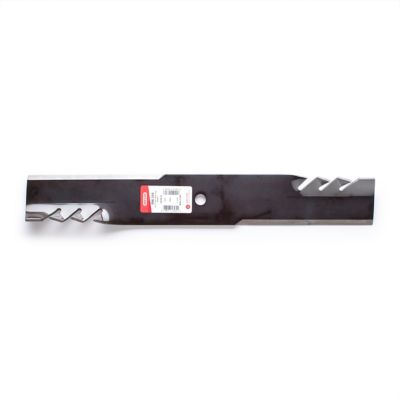
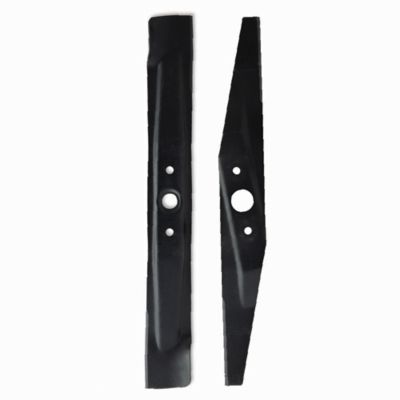
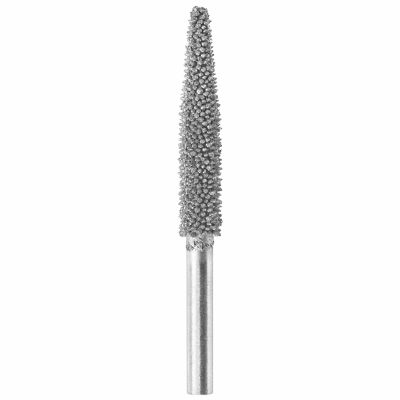
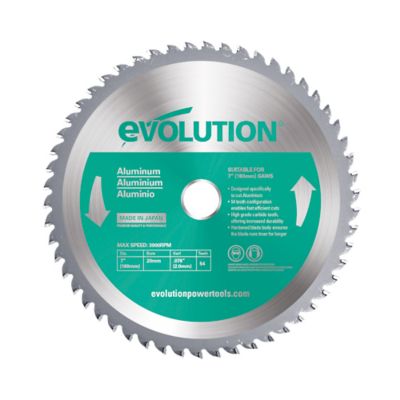
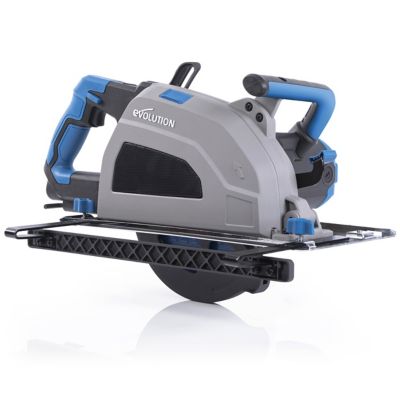
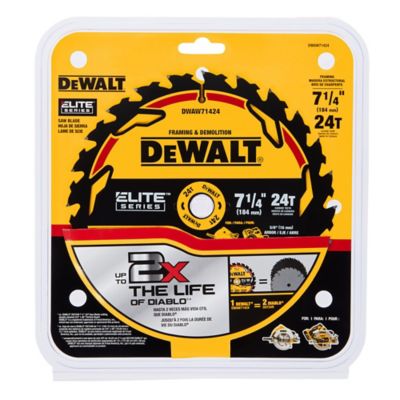
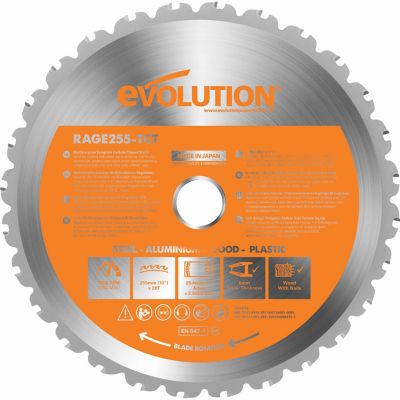
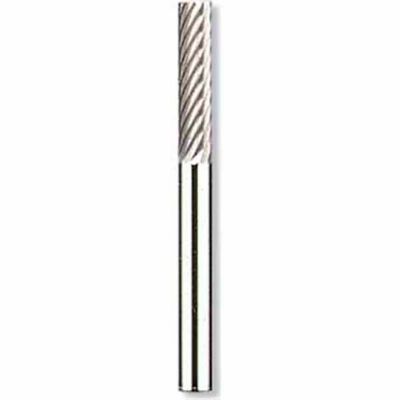
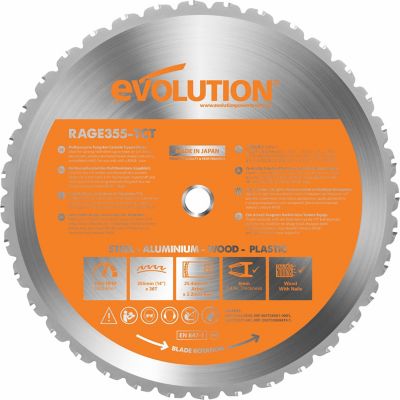
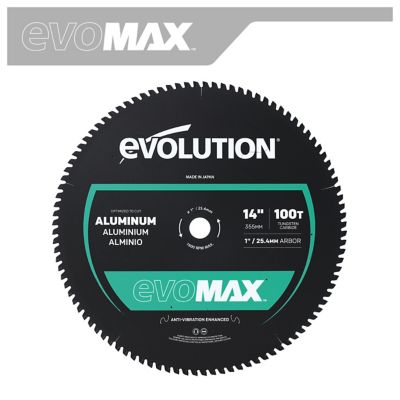
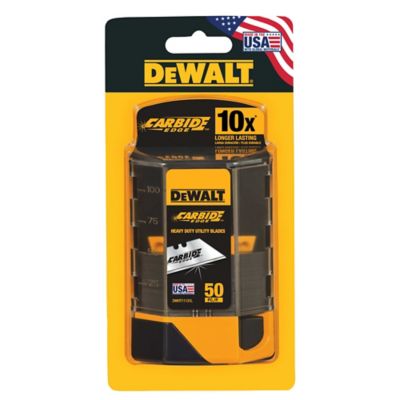
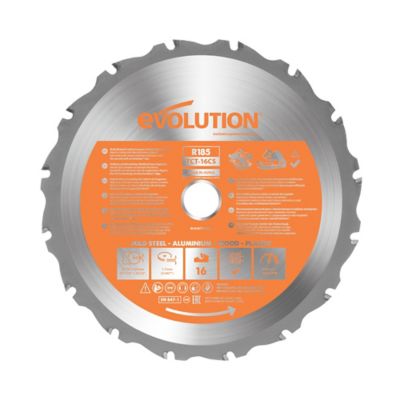
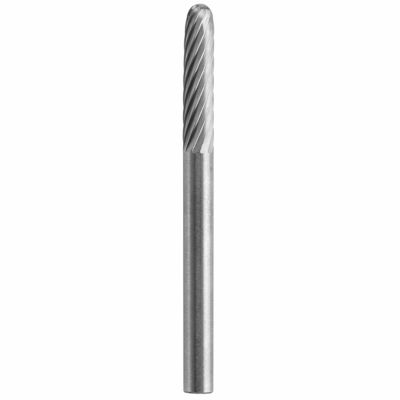
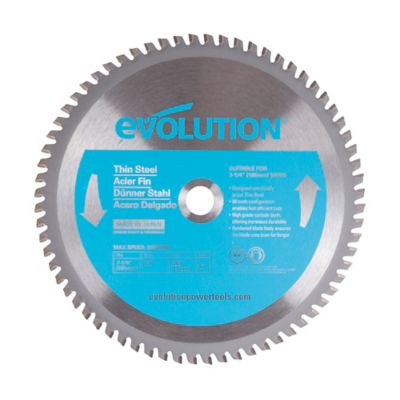
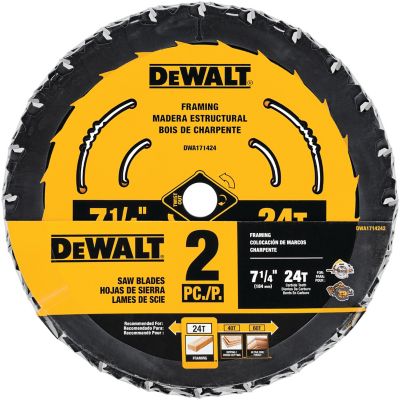
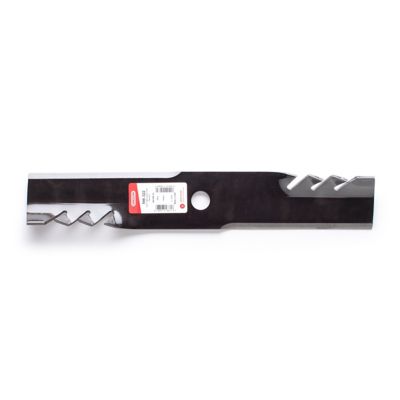
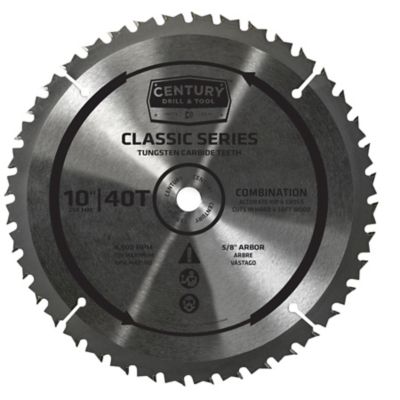
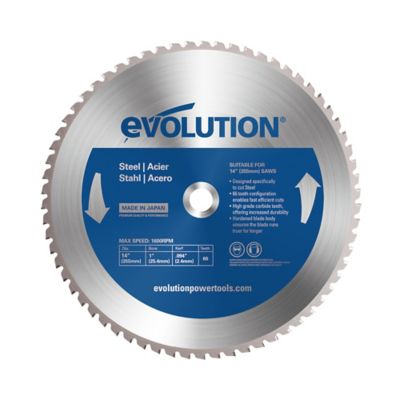
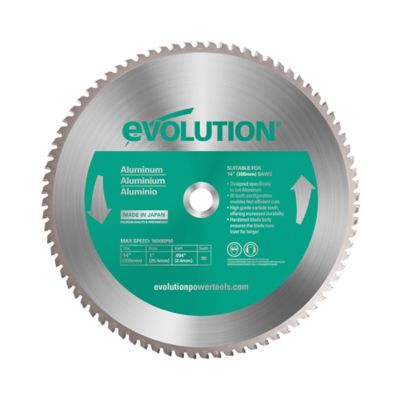
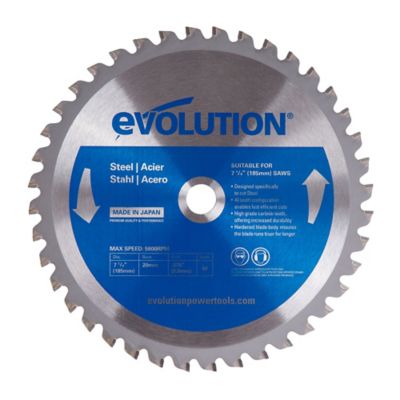
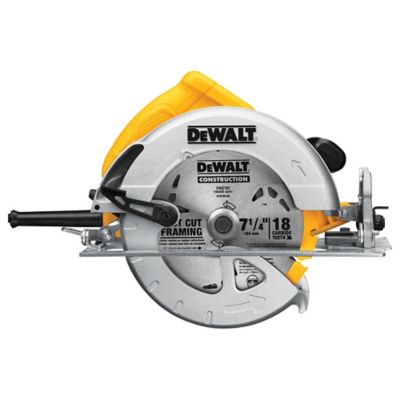
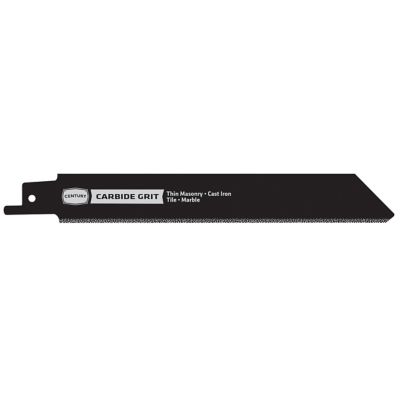
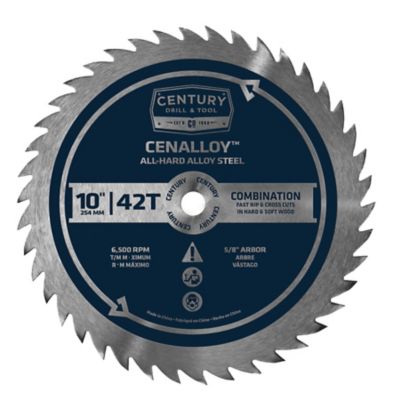
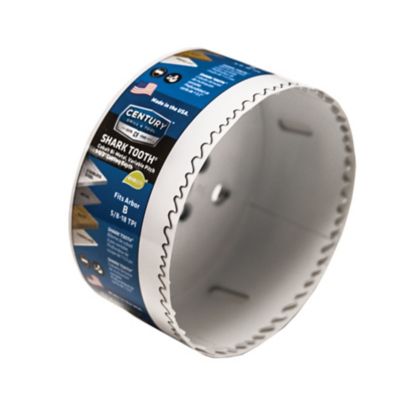
Tungsten carbide blades are made for jobs where a regular steel edge can wear down before the work is done. Tungsten carbide is an extremely hard composite made from tungsten and carbon particles held together with a metal binder, commonly cobalt. That hard cutting material may be used as teeth brazed onto a steel blade body, as a replaceable insert, or in a solid carbide cutting tool, depending on the blade’s design and intended use. The result is excellent resistance to abrasion, wear, and edge deformation. In practical terms, a carbide-tipped saw blade can keep cutting through dense lumber, treated wood, nonferrous metal, plastic, laminate, or composite material for a long stretch of work while a standard blade may grow dull sooner. Farmers, ranchers, builders, fabricators, maintenance crews, woodworkers, and serious do-it-yourselfers often choose tungsten carbide blades when clean cuts, dependable edge life, and less time spent changing blades matter. They can be especially handy around a busy farm shop, where a blade may move from a stack of framing lumber to a sheet of roofing material or a repair project at the edge of a pasture. The right choice still depends on the material and the tool. Check the blade diameter, arbor or mounting style, kerf width, maximum rated speed, tooth count, and the materials approved by the manufacturer before placing it in service. A blade designed for wood is not automatically suited for steel, aluminum, masonry, or hardened material. Tooth shape and spacing also make a difference: fewer, larger teeth generally help with fast, rough cuts and chip removal, while more teeth can produce a smoother finish when the material and tool are matched correctly. For rotary work, carbide cutters and burrs are shaped for grinding, carving, deburring, engraving, and removing material from hard surfaces. Utility and specialty blades may use carbide edges for repeated slicing through abrasive materials. Browse related cutting options such as
Turbo Blades when a different blade style or cutting pattern better fits the job.
When shopping for tungsten carbide blades, start with the task rather than the name of the material alone. A contractor trimming framing lumber needs a different setup than someone cutting galvanized sheet, shaping ceramic tile, cleaning up welds, or sizing plastic pipe. Look for clear application information and make sure the blade is compatible with the saw, grinder, rotary tool, or other equipment you plan to use. A proper fit helps the blade run smoothly and reduces vibration, while an incorrect arbor size or speed rating can create a serious hazard. Consider whether you need a general-purpose blade for a mix of chores or a specialty blade built around one material. For wood, tooth count, grind style, and kerf affect speed, splintering, and finish quality. For metal and other abrasive materials, the blade’s tooth construction, cutting direction, and cooling requirements become more important. Some carbide-tipped blades are intended for nonferrous metals such as aluminum or brass, while others are made for steel or specific industrial cutting applications. Carbide holds an edge well, but it is not indestructible. Unlike softer steel, carbide can chip or crack if the blade is dropped, twisted in a cut, used as a pry bar, or forced sideways. Keep the cut straight, let the tool do the work, and replace a blade that has missing teeth, visible cracks, a damaged body, or unusual vibration. Store cutting tools where teeth and edges will not strike one another, and use a case, rack, or protective cover when practical. Before each project, clear the work area, secure the material, and wear eye and hearing protection along with any additional safety gear called for by the tool manufacturer. During the warmer part of the year, these blades can help keep up with fence repairs, shed construction, deck work, equipment maintenance, and long lists of outdoor projects. As cooler weather settles in, the same edge retention can be useful for firewood preparation, workshop repairs, indoor remodeling, and getting machinery ready for the season ahead.
A tungsten carbide blade can be a practical addition to a toolbox for anyone who spends time making, fixing, or maintaining things. It may suit a professional who needs consistent cuts across a full workday, a rural property owner handling occasional repairs, or a hobbyist who wants a dependable option for the shop. It can also make a thoughtful gift for a woodworker, metalworker, fabricator, mechanic, or handy family member when the blade is selected to match a tool they already own. The most useful gift is one that fits the recipient’s equipment and projects, so checking the saw model, blade size, arbor measurement, and usual cutting materials is worth the extra minute. For everyday work, tungsten carbide’s main advantage is reduced wear and strong edge retention, which can mean fewer interruptions when a project runs from the morning workbench into the afternoon. Picture trimming a run of flooring, cutting several boards for a livestock shelter, or cleaning up a series of metal brackets: a well-matched carbide blade helps maintain a steady cut rather than forcing the operator to stop repeatedly for sharpening or replacement. It is still important to use realistic expectations. Carbide is hard, not a license to cut every material, and a blade’s performance depends on the tool, feed pressure, material condition, and operating speed. Wet, dirty, embedded fasteners, hidden nails, and unexpected knots can change the way a cut behaves. Follow the manufacturer’s instructions for installation, rotation direction, lubrication, cleaning, and sharpening or replacement. Keep spare blades dry and protected, especially in a farm or garage setting where dust, humidity, and loose hardware can take a toll on exposed edges. With the right match and careful handling, tungsten carbide blades offer a durable cutting solution for demanding shop work, property upkeep, construction, and repair projects through changing seasons.