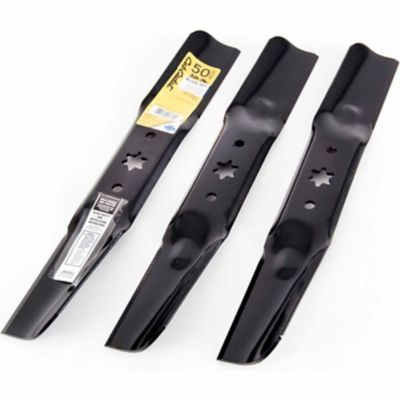
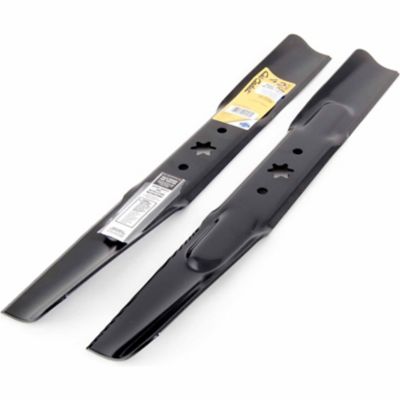
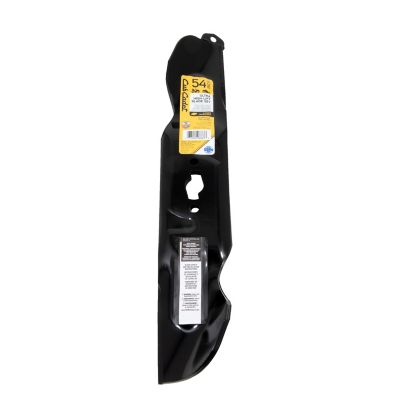
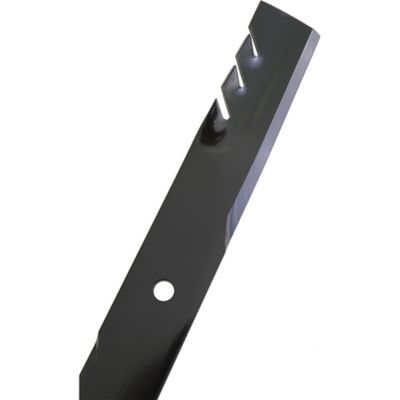
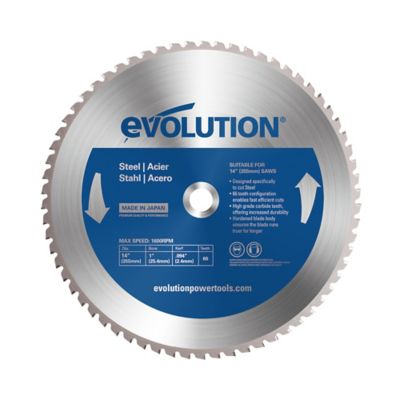
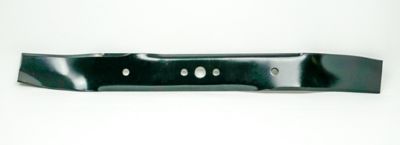
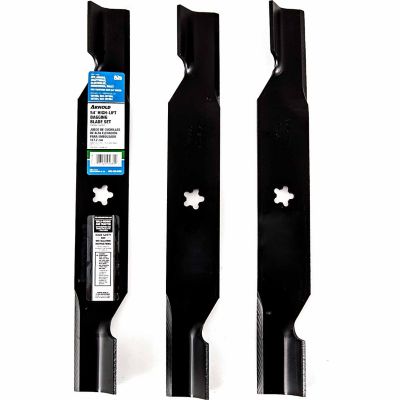
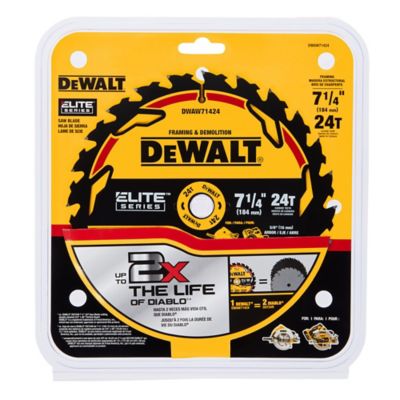
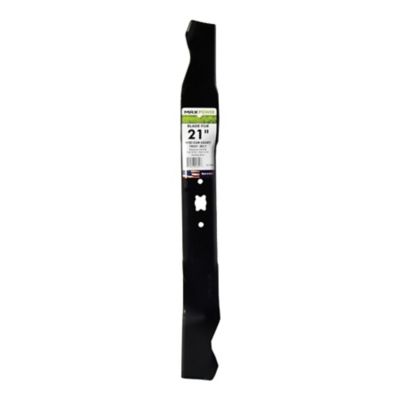
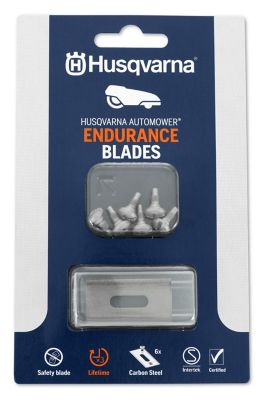
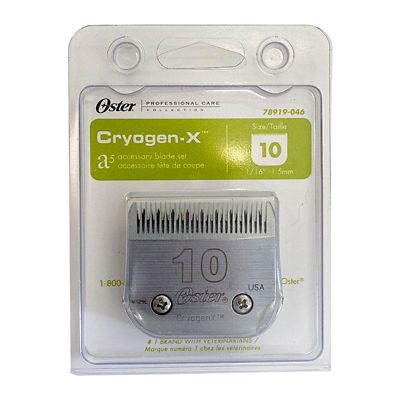
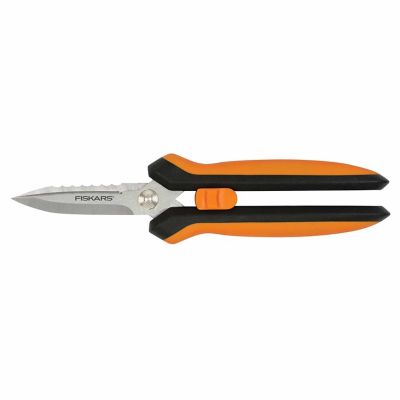
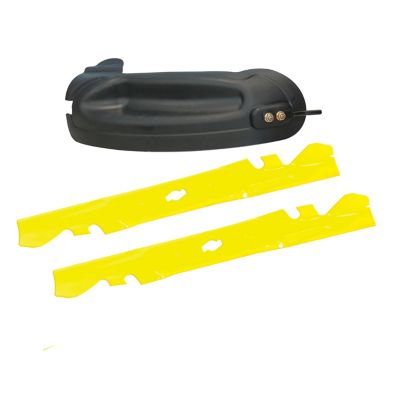
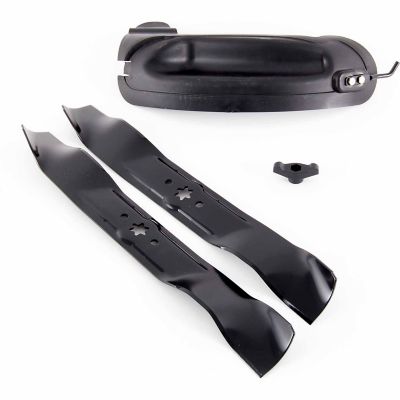
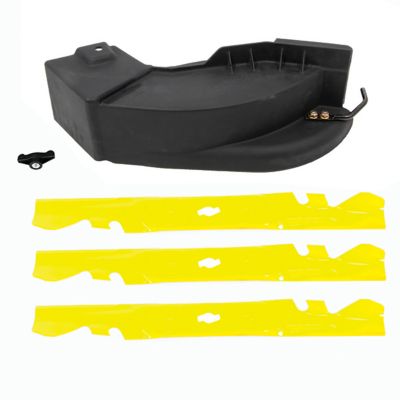
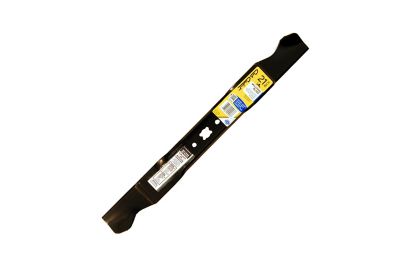
Sharp blades make cutting chores cleaner, easier and more controlled, whether you are trimming grass, opening feed bags, cutting twine, shaping material or handling everyday work around the house, shop and barn. A dull edge tends to slip, snag and tear, which means more pressure from your hands and more wear on whatever you are cutting. In the yard, a mower blade that has lost its edge can leave grass tips ragged and brown instead of giving the lawn a clean cut. In the workshop, a worn utility blade may drag through cardboard, insulation, roofing material or rope rather than making a smooth pass. The right replacement or sharpening tool helps bring dependable performance back to the job. When choosing sharp blades, start with the task and the tool they fit. Check the manufacturer’s model information, blade length, width, thickness, mounting pattern and cutting profile before placing an order, especially for mower blades and other equipment-specific parts. A blade that looks close may not balance correctly or lock into place, and the wrong fit can damage equipment or create a safety hazard. For riding and walk-behind mower owners, measuring the old blade and matching the center-hole style and mounting hardware can save a trip back to the store. You can also browse
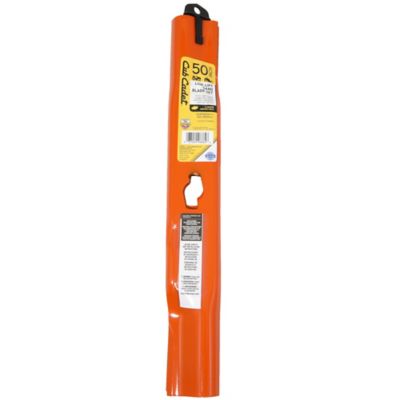
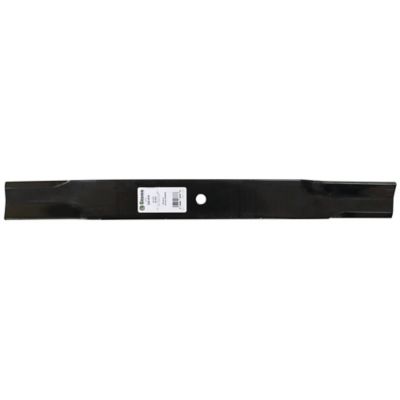
Gravely Blades when looking for mower blade options made for compatible equipment. Utility and craft blades are often selected by edge style, overall size and the material being cut. A standard edge handles many everyday jobs, while a hooked, serrated or specialty edge may be better suited to carpet, roofing, rope or heavy packaging. Keep a few fresh blades on hand in a dry drawer or toolbox so a small chore does not turn into a frustrating stop halfway through the job. Store loose blades in their original sleeve or a protective container, and keep them out of reach of children, pets and anyone who may not realize how sharp they are.
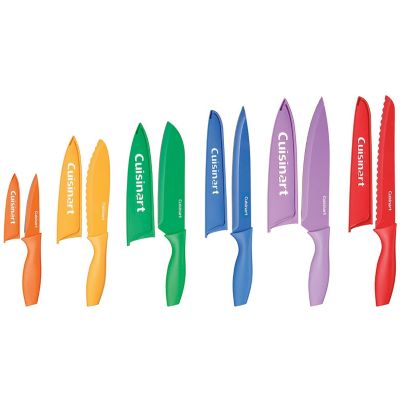
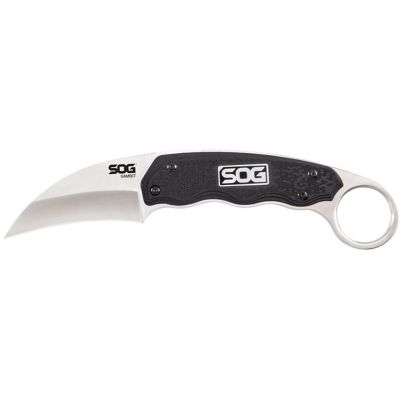
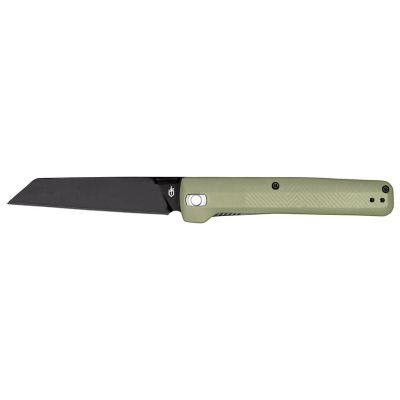
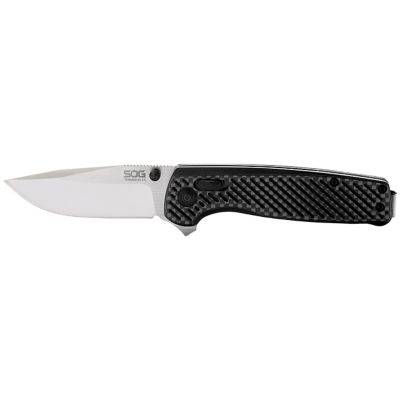
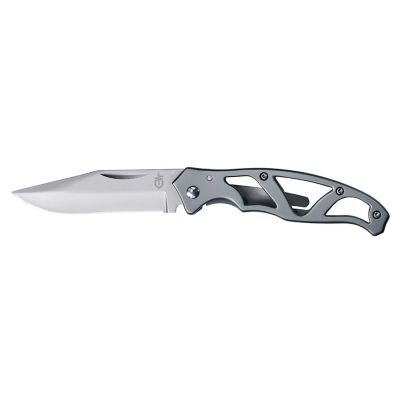
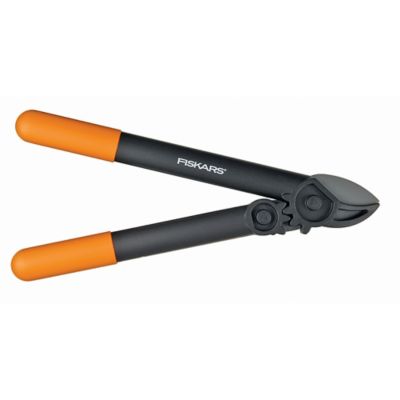
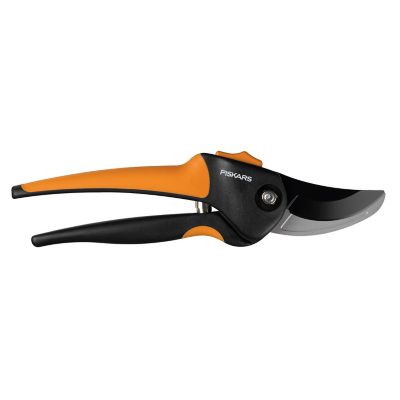
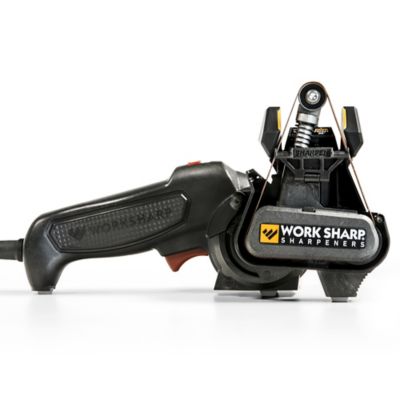
Sharp blades also belong in a well-kept kitchen, hunting camp, tackle box, garden shed and truck tool kit. Cooks use sharp knives for more precise slicing and chopping, while gardeners and outdoor workers rely on sharp edges for pruning, cutting cordage and clearing light growth. A pocketknife, multi-purpose knife or quality sharpening tool can make a practical gift for a homeowner, gardener, camper, hunter or anyone who takes pride in keeping a useful tool ready to work. For kitchen knives and hand tools, regular honing helps realign an edge between sharpenings, while a stone, file or purpose-built sharpener removes metal to restore a worn bevel. Follow the angle established by the manufacturer; many kitchen knives use a narrower bevel in the range of about 15 to 20 degrees per side, while heavy-duty tools generally need a more robust, steeper edge. Consistent, light strokes are better than forcing the blade against an abrasive surface. A properly maintained edge should cut cleanly without excessive pressure, but avoid running a finger along the blade to check it. If you use a paper test, hold the paper securely and keep your fingers away from the cutting path. For mower maintenance, disconnect the spark plug wire or battery according to the equipment instructions, remove the blade only when the machine is secure, and clamp the blade firmly before sharpening. Wear eye protection and cut-resistant gloves, work away from your body, and inspect the blade for cracks, deep nicks, bends or excessive wear. Sharpening cannot make a damaged blade safe, and replacement is the better choice when the metal is compromised. During the warmer part of the year and into the cooler months, changing mowing conditions, fallen leaves, wet grass and heavier outdoor cleanup can put extra demands on cutting edges. Clean blades after use, dry them before storage and apply the appropriate rust protection when recommended. A little attention between jobs keeps tools ready for the next fence repair, garden project, meal or trip down the trail, while helping every cut feel steadier, smoother and less tiring.