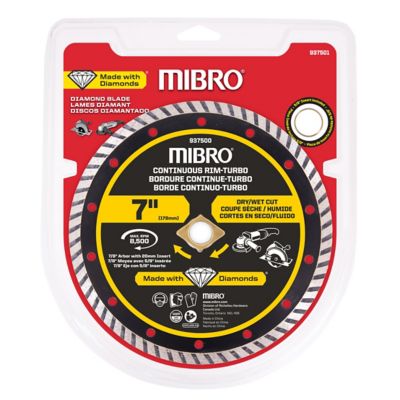
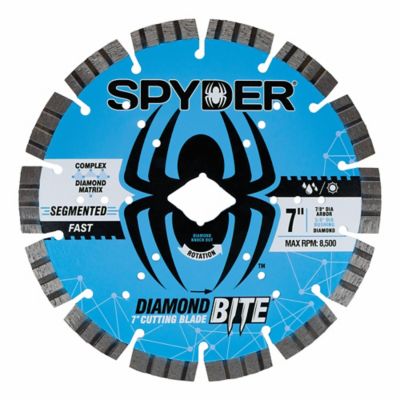
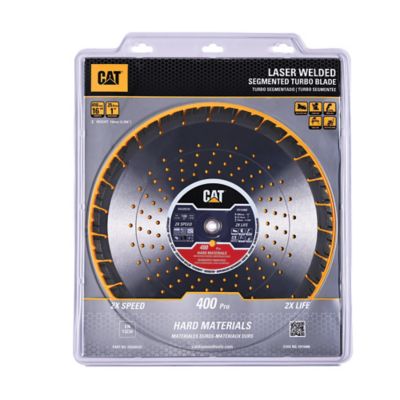
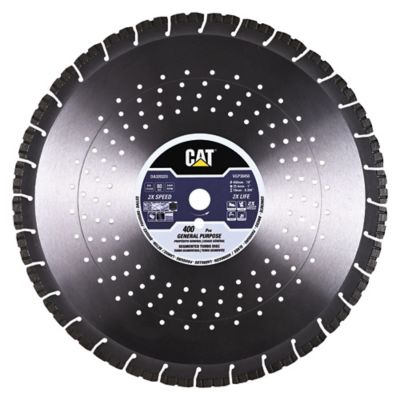
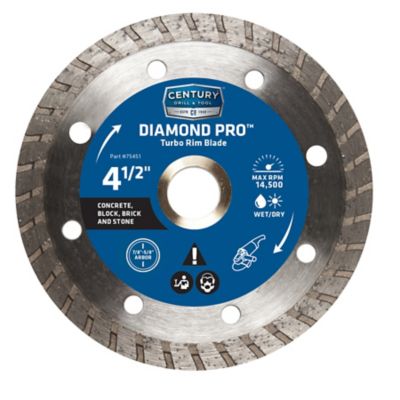
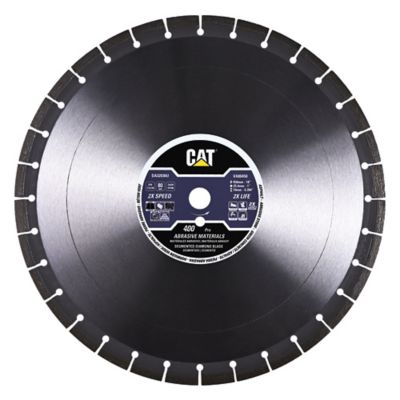
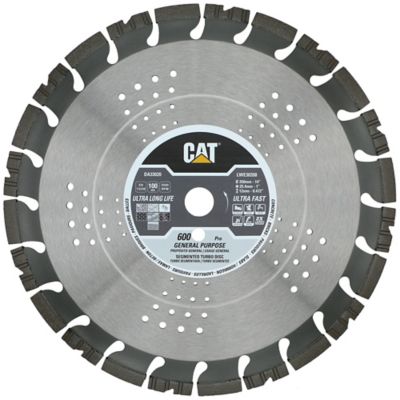
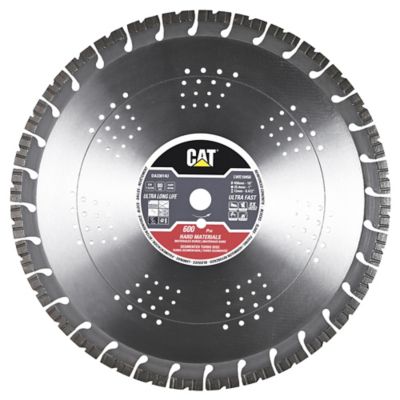
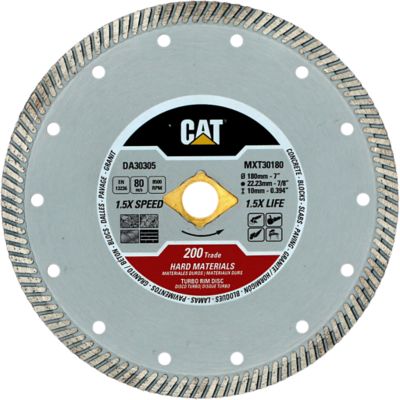
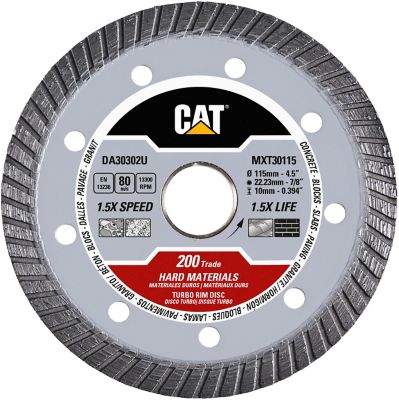
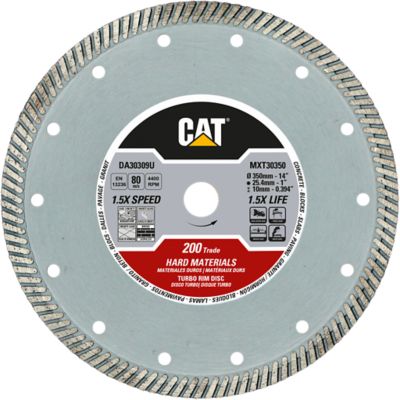
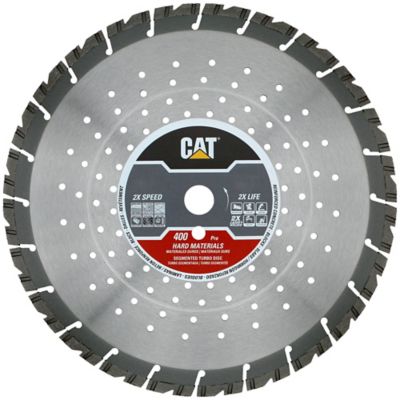
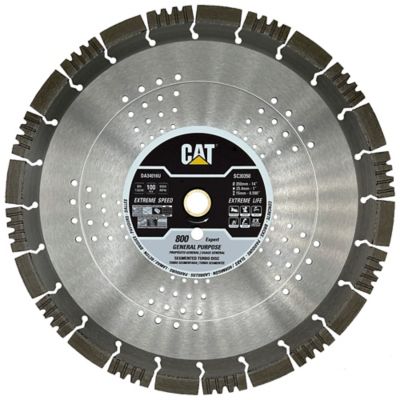
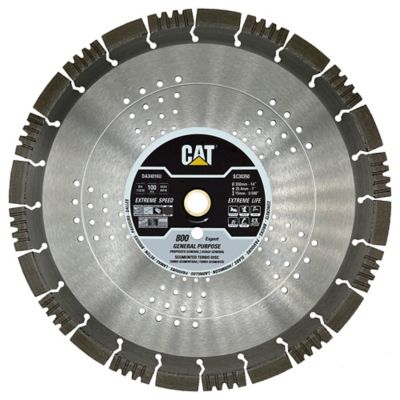
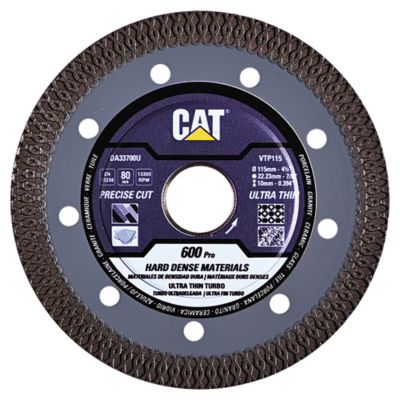
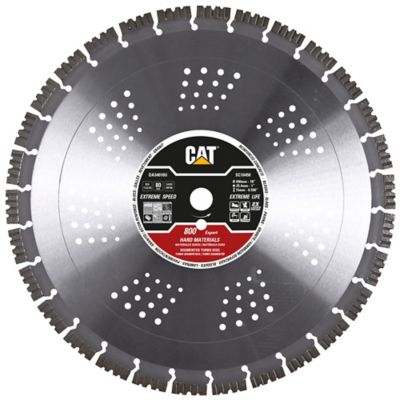
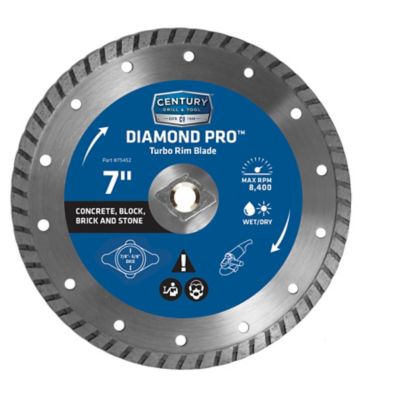
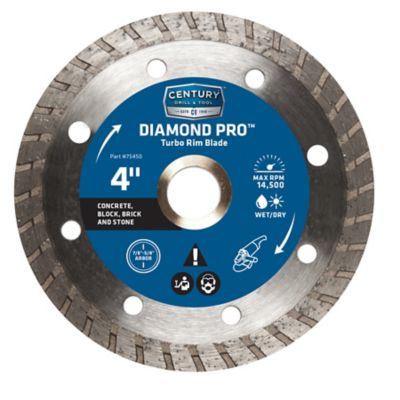
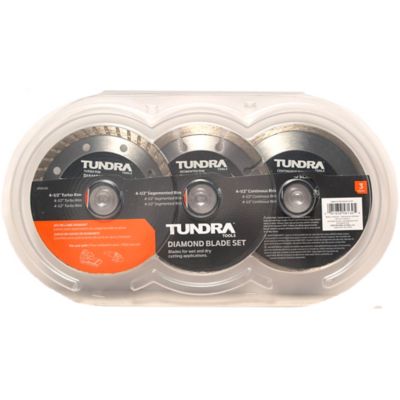
Turbo blades are circular diamond cutting blades with a ridged or serrated rim designed to cut masonry and other hard materials. Common applications include concrete, brick, block, stone, and certain types of tile, depending on the blade’s material rating. The term “turbo” describes the cutting rim’s pattern, not a separate motor or a higher speed setting on the tool. Industrial diamond particles held in a metal bond do the cutting, grinding through the workpiece rather than slicing it with conventional saw teeth. The textured rim helps move cutting debris out of the cut and can balance cutting speed with edge finish. Compared with a broadly segmented masonry blade, a turbo rim often leaves a smoother edge, though results depend on the material, blade construction, tool, and feed pressure. A continuous-rim blade may be a better match when a particularly clean tile edge matters most. Around a farm, acreage, or home workshop, turbo diamond blades fit jobs such as trimming a concrete paver along a walkway, sizing brick for a repair, or cutting block for a small masonry project. Contractors, maintenance crews, and hands-on property owners may reach for this blade style when hard building materials need straight, controlled cuts. A cut that will disappear beneath another course of block has different finish requirements than an exposed stone edge beside a doorway. That distinction matters just as much as how quickly the blade gets through the material. Turbo blades are not all-purpose replacements for woodcutting or metalcutting blades, and two blades with similar-looking rims may have very different applications. Material listings provide a better basis for comparison than rim appearance alone. Concrete, porcelain, granite, and asphalt do not wear a cutting edge the same way, so the blade’s stated application helps narrow the choice before diameter or cutting depth enters the picture.
A turbo blade’s construction brings together a steel core, a diamond-bearing cutting rim, and a bond formulated for particular cutting conditions. As the working edge wears, the bond releases worn diamond particles and exposes fresh cutting points. The right balance between diamond exposure and bond wear supports steady cutting; a mismatch can lead to rapid rim wear or a glazed edge that struggles to make progress. Harder material does not automatically call for a harder bond, which is one reason the manufacturer’s application rating matters more than a guess based on material hardness. Rim height, core thickness, and kerf also affect how a blade handles a job. Kerf is the width of material removed during a cut, and a thinner kerf can help reduce material loss when fitting pieces along a finished edge. That does not make the thinnest blade the right choice for every task, especially where the tool and material call for a different construction. Fit starts with the blade diameter, arbor opening, tool type, and permitted operating speed. A blade must match the tool’s mounting system and have a maximum speed rating at least as high as the tool’s maximum spindle speed. Similar dimensions alone do not establish compatibility between an angle grinder, circular saw, and masonry saw. Guard clearance and the tool’s rated cutting capacity also set practical limits; an oversized blade is not a sound way to gain depth. A thicker paver or block may call for a different tool setup rather than a larger blade on the same machine. For projects involving other materials,
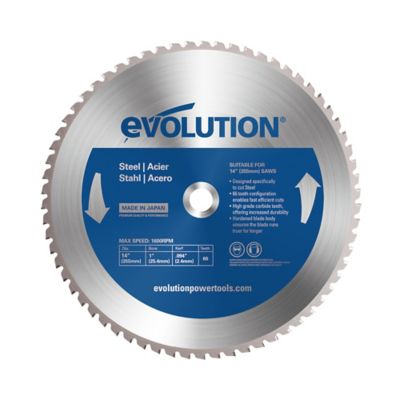
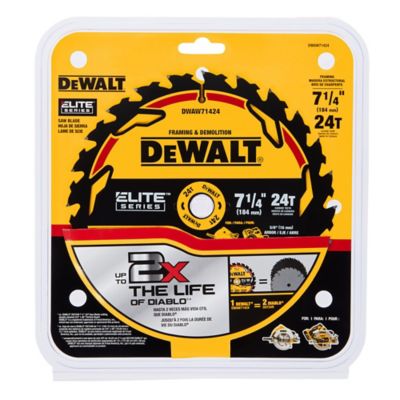
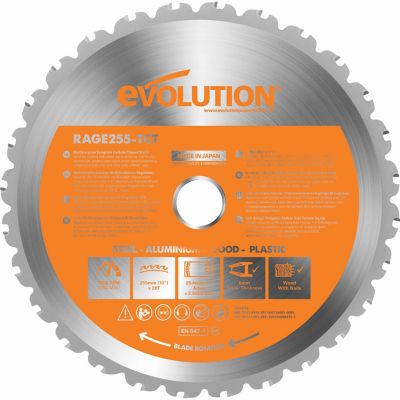
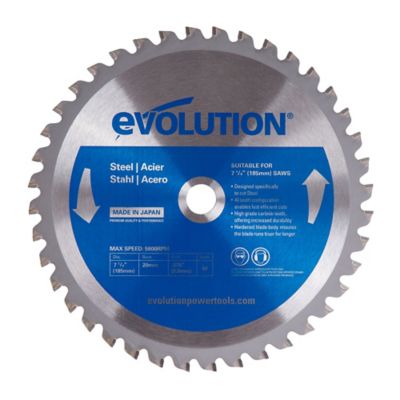
Tungsten Carbide Blades represent a separate blade category, with applications determined by tooth geometry, construction, and tool compatibility. Diamond turbo rims and carbide cutting edges work differently, so the material and machine remain the starting points for either choice. For someone buying blades for a handy family member or a farm shop, those tool details are worth confirming before making a selection.
Wet-cutting and dry-cutting ratings are another important part of matching turbo blades to the work. Water can help control dust and carry heat away from the cutting edge, but wet cutting requires both a blade and equipment approved for that method. Adding water to a power tool that is not intended for wet operation creates a serious hazard. A dry-cutting designation does not mean dust control can be skipped or that a blade can run without pauses under every load. Concrete, brick, and many stone products can release respirable crystalline silica during cutting, making appropriate engineering controls, such as a compatible dust shroud and dust extractor or an approved water-delivery system, part of the job setup. Eye protection, hearing protection, and respiratory protection appropriate to the exposure also matter. On a practical level, good support beneath the workpiece helps keep a paver from rocking and reduces the chance of movement pinching the blade. A steady feed lets the diamonds work without forcing the rim through the material. Twisting a blade inside the cut, pushing sideways to widen a slot, or treating a cutting blade like a grinding wheel can damage the blade and increase the risk of injury. Edge finish often reflects the whole setup, not just the blade: a secure workpiece, suitable tool, and controlled approach all contribute to less chipping at the exit. Blade life likewise depends on material abrasiveness, cutting depth, operating conditions, and care between jobs. Inspection before mounting can reveal cracks, a bent core, rim damage, or an arbor opening that no longer fits properly. A damaged blade belongs out of service, even when some cutting rim remains. Cleaning away residue according to the maker’s directions and storing blades dry, flat or otherwise properly supported, and protected from knocks helps keep them ready for the next repair. Whether the work involves one stubborn corner on a patio paver or repeated cuts for a block project, a well-matched turbo blade brings the material rating, tool fit, cutting method, and desired finish together.