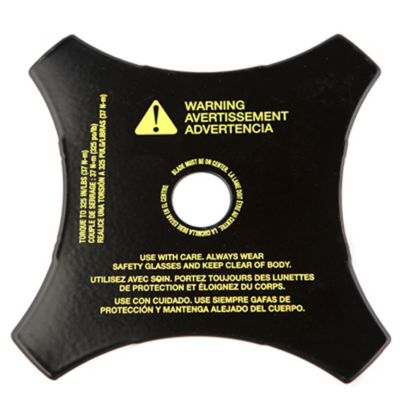
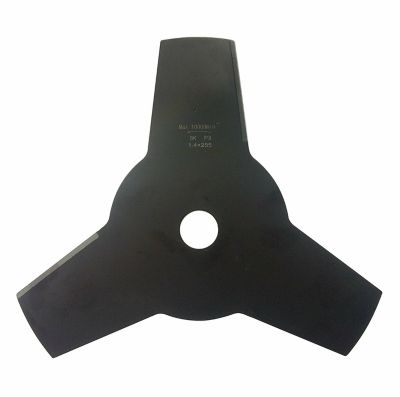
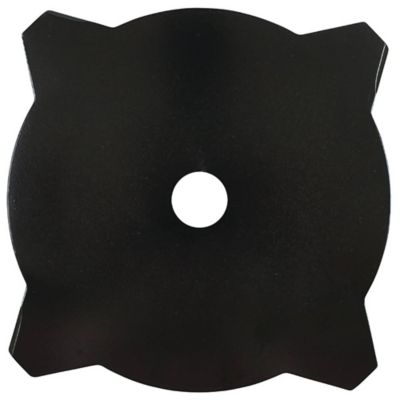
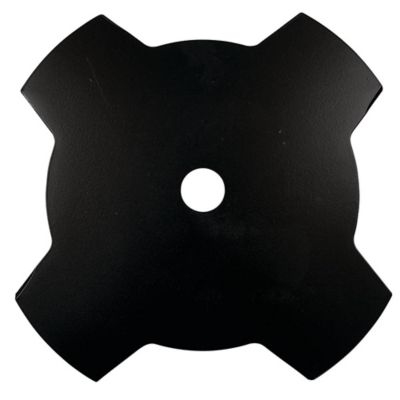
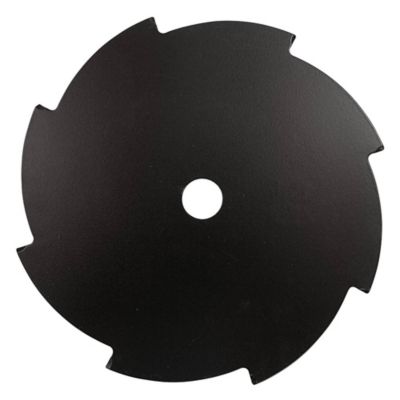
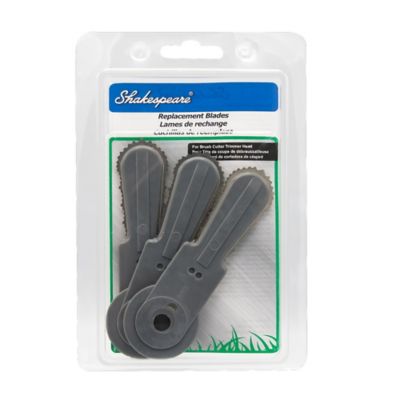
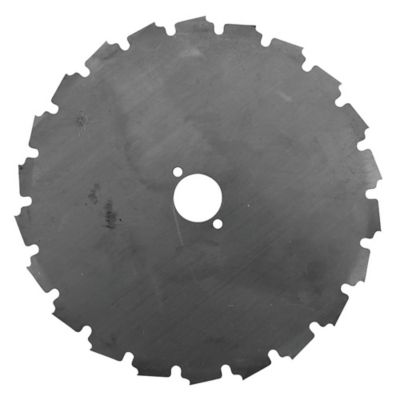
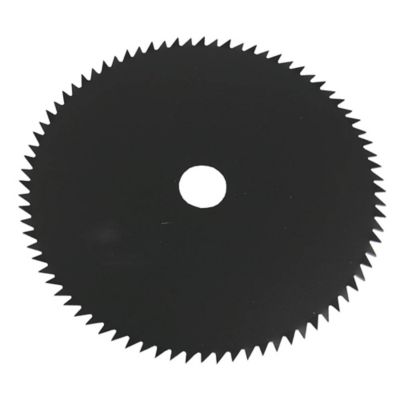
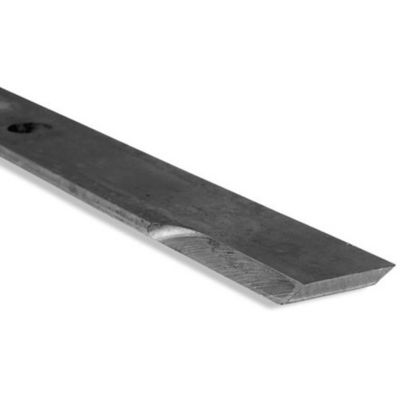
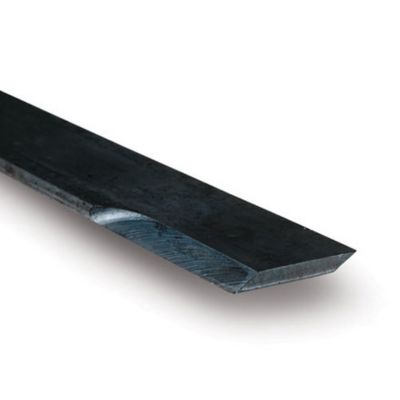
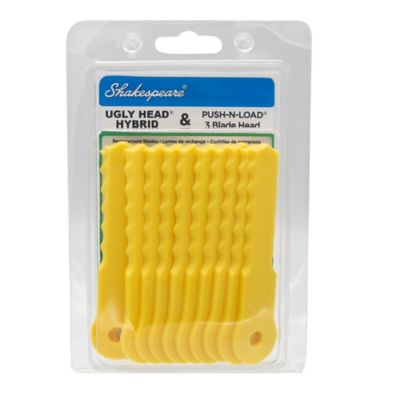
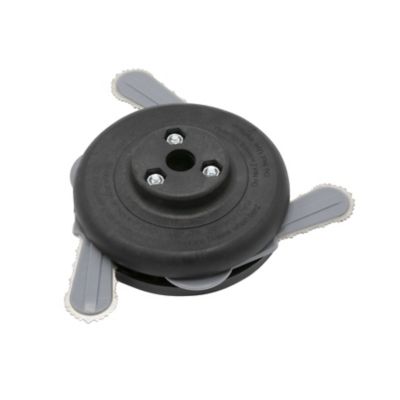
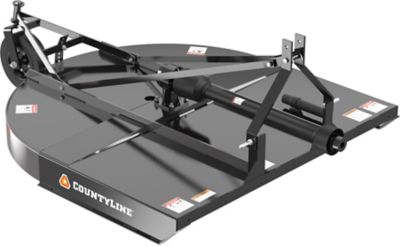
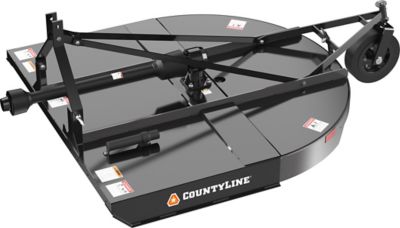
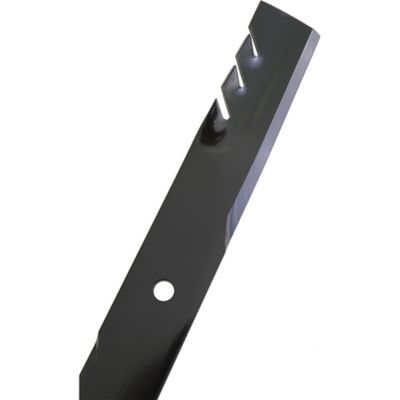
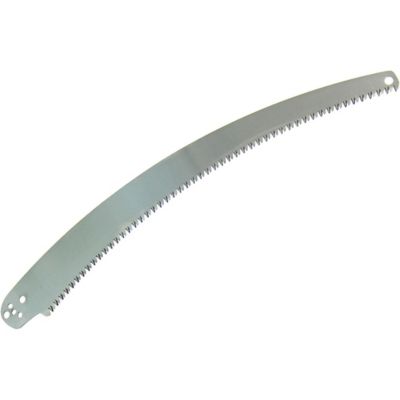
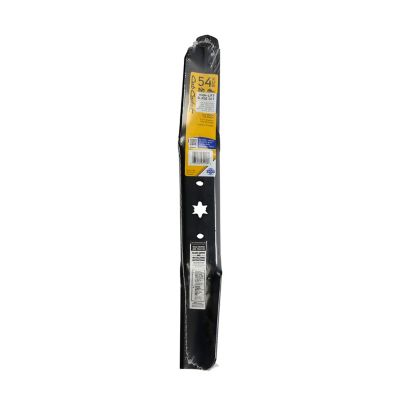
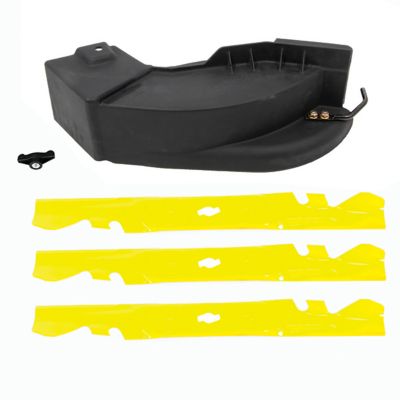
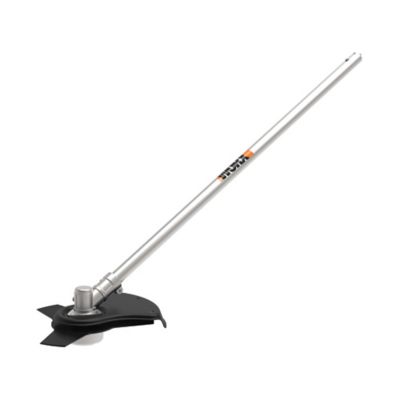
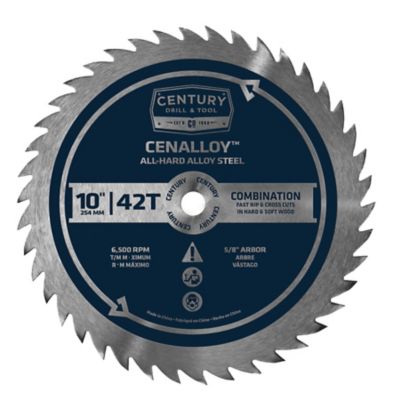
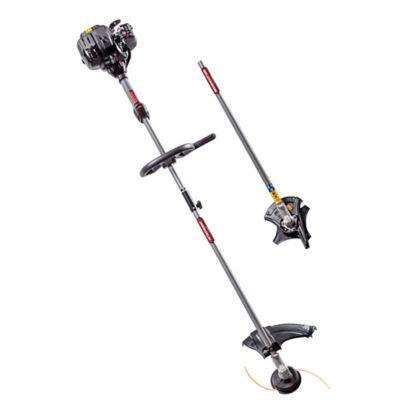
Brush cutting blades are made for the rougher work that ordinary trimmer line may not handle well. When grass gets tall, weeds turn stalky, vines wind through a fence row, or young woody growth starts taking over a pasture edge, a rigid metal blade can help clear the mess with steady, controlled passes. These attachments are commonly used by landowners, rural homeowners, grounds crews, hunters maintaining access paths, and anyone caring for fields, ditches, orchards, pond edges, or overgrown fence lines. They can be especially handy during the growing season, then again as cooler weather settles in and the last heavy weeds and brush need to be cut back before winter. The right blade depends on what is growing and how thick it has become. Grass blades with two to four teeth are generally suited to thin grass, soft weeds, and light field growth. Three-tooth brush or tri-blades are a practical choice for denser weeds, tough grass, and heavy growth along field borders. Saw-tooth and chainsaw-style blades with many teeth are built for woody brush, thick vines, and small saplings, with some designs intended to cut material up to about 2.5 inches thick when used with the proper machine and technique. A blade with more teeth is not automatically the best choice for every job; matching the cutting edge to the vegetation can make the work smoother, reduce strain on the equipment, and help you avoid beating up a blade on growth it was not meant to handle. If most of the work involves ordinary lawn grass, a line trimmer or
Grass Trimmer Blades may be the better fit. Brush cutting blades are intended for heavier cutting, where a metal edge and the right amount of power can make a noticeable difference.
Before purchasing, start with the trimmer or brush cutter manufacturer's instructions and identify the machine's shaft style, engine size, blade capacity, and approved attachment specifications. Many metal blades are designed for straight-shaft trimmers rather than curved-shaft models, and saw-type blades commonly require a gas engine of 30cc or more or a comparable high-power cordless unit. Smaller trimmers may not have enough power to turn a heavy blade safely, while an attachment that is too large or too aggressive can place extra load on the clutch, gearbox, or motor. Arbor size is another important detail. Common sizes include 1 inch, also listed as 25.4 mm, and 20 mm, but the correct fit depends on the exact equipment and hardware supplied with it. Check the arbor opening, mounting hardware, guard requirements, and maximum blade diameter instead of relying on appearance alone. The blade must seat flat and securely, with the proper nut, washer, and retaining parts installed in the correct order. Also consider the ground where the cutting will take place. A field with hidden rocks, old wire, fence staples, or discarded bits of metal calls for extra caution, since a hard impact can damage the blade or send debris flying. For uneven ground and mixed weeds, a lighter three-tooth blade may feel easier to control. For thick, woody stems, a multi-tooth saw blade may provide a cleaner cut, but it should only be used when the machine is rated for that type of work. Look for durable construction, clearly stated dimensions, a tooth pattern that suits the vegetation, and instructions that explain compatible equipment. Keeping a spare blade on hand can be useful for larger properties, where a long afternoon of clearing can wear down an edge or reveal the need for a different cutting style. Store blades dry and protected from moisture, and inspect them for bends, cracks, missing teeth, or excessive wear before each use.
Safe handling matters every time a metal blade goes onto a trimmer. Wear heavy eye protection or a full face shield, hearing protection, long pants made from sturdy material, gloves that allow a firm grip, and tough work boots with good traction. Leg guards or brush-chaps add another layer of protection when cutting in thick growth. Make sure the debris shield is installed as directed, keep bystanders and pets well away from the work area, and shut the machine off before clearing wrapped vines or checking the blade. Walk the area first and remove loose rocks, wire, tools, and other objects that could become hazards. Hold the trimmer with both hands, keep a balanced stance, and use smooth side-to-side movements rather than forcing the blade into a large stem. Avoid cutting above waist height, and be mindful of kickback, which can happen when the front or side of a rotating blade contacts a solid object or the wrong part of a woody stem. A blade is a tool for controlled clearing, not a substitute for a saw or brush mower when growth is especially large or dense. With the right match between blade style, equipment, and vegetation, brush cutting blades can help reclaim a neglected trail, open up a fence line, clean around a pond bank, or keep field edges from closing in. They also make a useful gift for a rural homeowner, acreage owner, or handy outdoor worker who spends weekends turning shoulder-high weeds and tangled brush into a clean, passable stretch of ground. Before heading into the brush, take a few minutes to confirm the fit, inspect the cutting edge, and suit up properly; that small bit of preparation makes a hard outdoor job feel far more manageable.