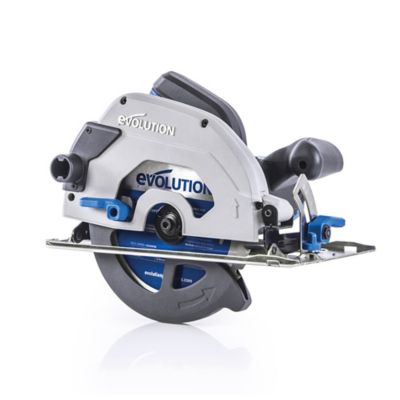
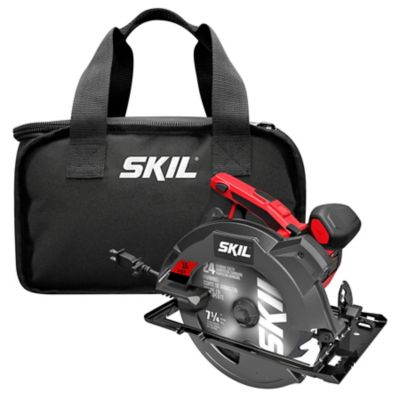
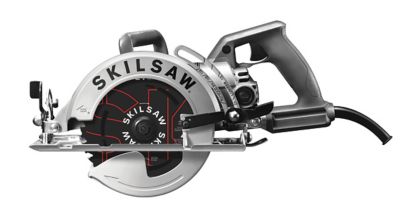
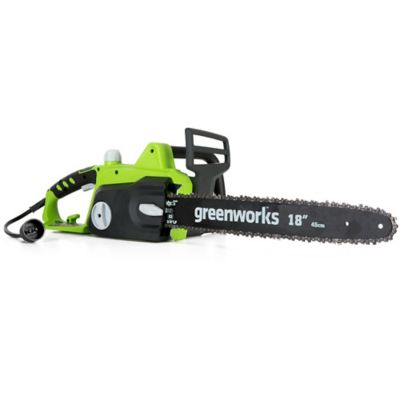
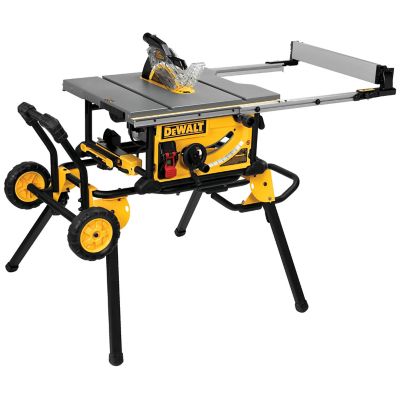
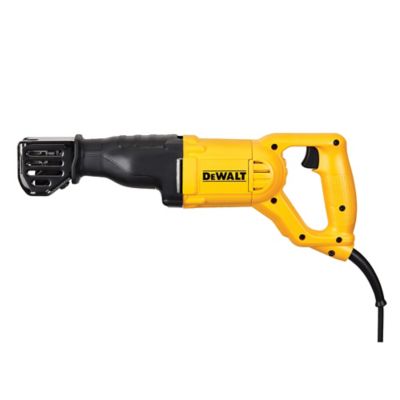
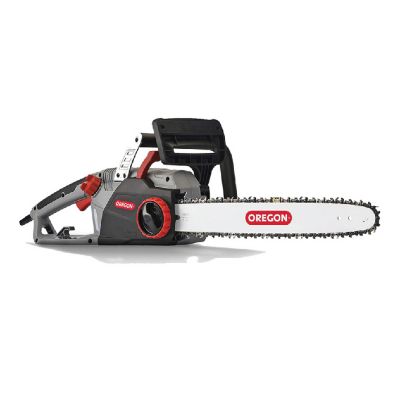
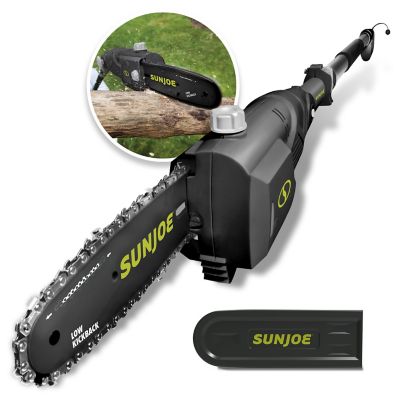
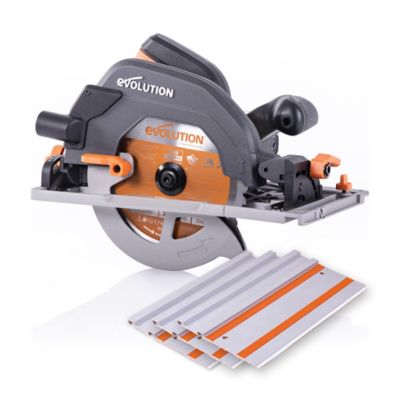
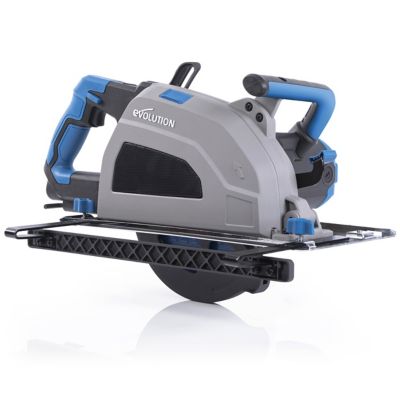
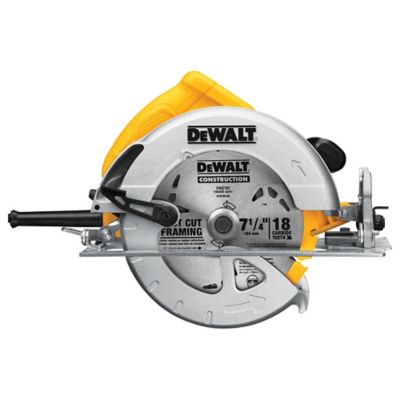
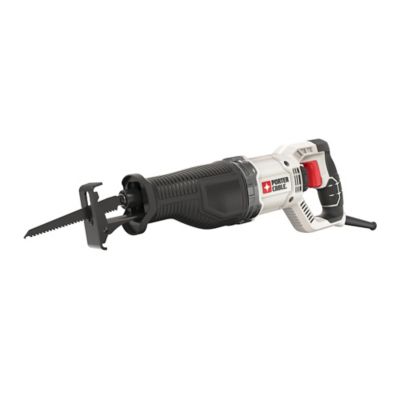
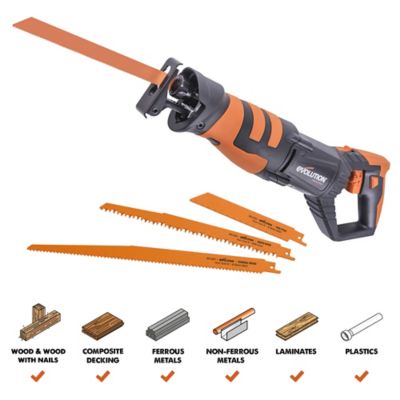
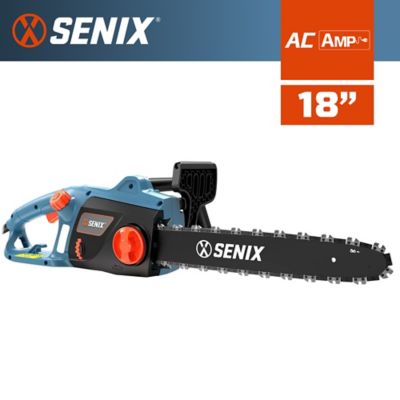
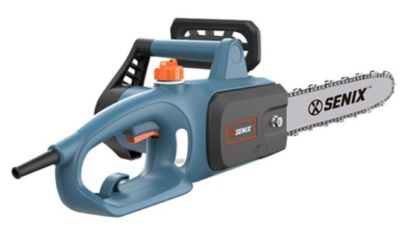
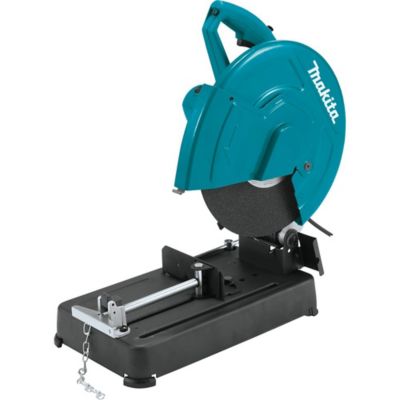
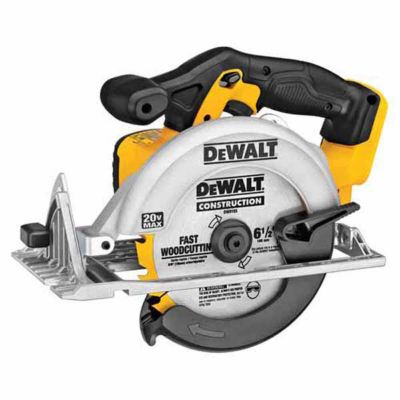
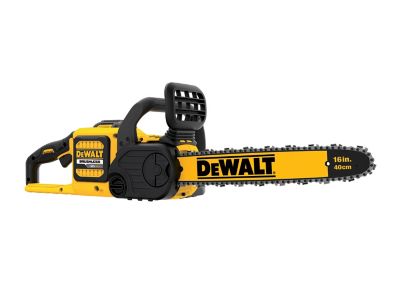
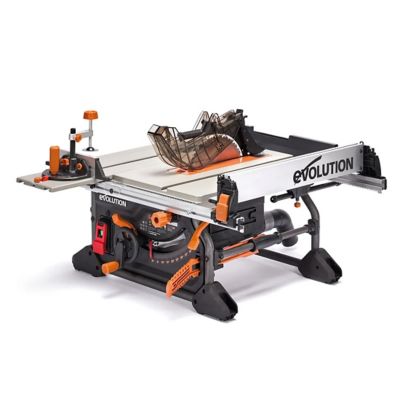
Corded saws bring outlet-powered cutting to the shop, garage and jobsite, making them a practical fit for projects that keep a blade working through stack after stack of material. They run from an electrical supply rather than a battery, so there is no battery pack to recharge between cuts. That suits everything from building feed-room shelves to trimming boards for a gate or breaking down plywood for a workbench. Runtime still depends on the tool’s operating limits and a suitable power supply, but a corded setup can keep longer work sessions moving without battery swaps. The right saw style comes down to the cut and the material. Corded circular saws handle straight crosscuts and rip cuts in lumber and sheet goods, with adjustable cutting depth and bevel settings that support framing and angled cuts. Corded reciprocating saws work well for demolition and rough cutting, including taking apart old framing or cutting pipe with a blade rated for that material. Their back-and-forth blade motion is handy where a circular blade would be awkward to position. Corded jigsaws bring a narrower blade to curved cuts, notches and openings, such as rounding a plywood corner or shaping a panel around an obstruction. For repeated crosscuts and angled joints, corded miter saws provide a supported cutting station, while table saws suit ripping boards and sizing panels within their rated capacities. These differences matter more than simply choosing the largest motor. A livestock owner tackling barn repairs, a carpenter cutting framing lumber and a woodworker fitting cabinet parts may all want electric power, but each has a different need for reach, finish and control. Bench space, access to an outlet and room to support long stock also help determine which setup fits the job. Portable saws travel to the workpiece; stationary designs bring the workpiece to a dedicated cutting area, often making repeated cuts easier to organize.
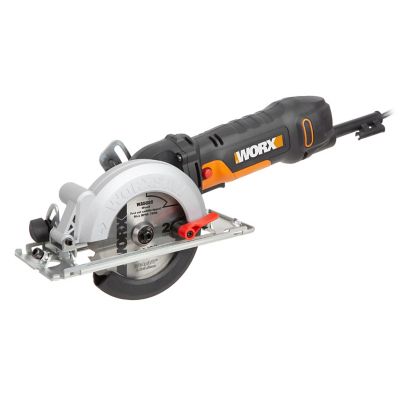
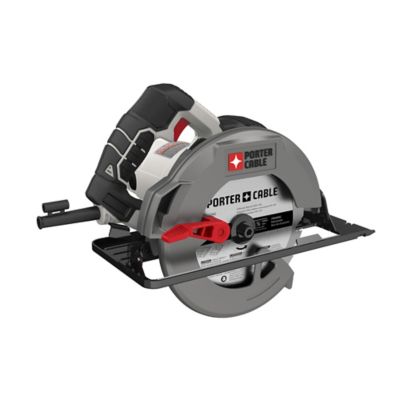
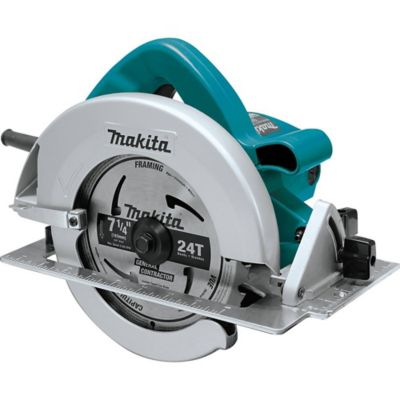
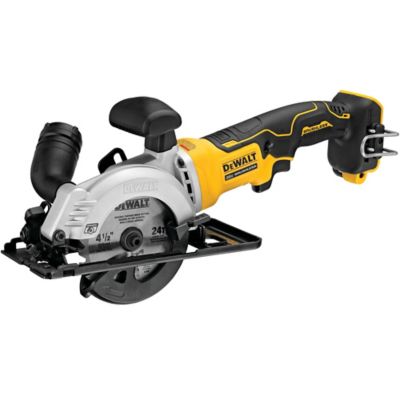
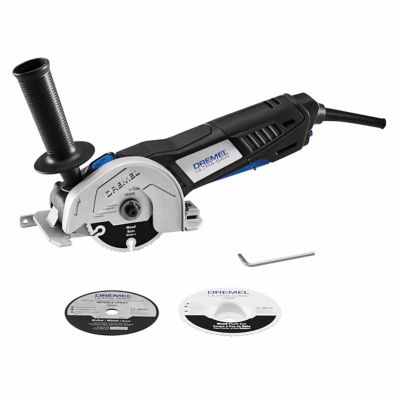
Motor ratings, blade capacity and cutting adjustments give corded saws their working character. Many full-size corded circular saws have motors rated around 15 amps, while compact saws and some jigsaws draw less. Amperage describes electrical current draw, not cutting performance by itself; motor design, gearing, blade condition and feed pressure all affect how a saw moves through a board. Circular saw speed is commonly listed in revolutions per minute, while reciprocating saws and jigsaws are commonly rated in strokes per minute. Variable-speed controls help match blade movement to the task, especially when moving between wood, metal and plastic within a tool’s stated capabilities. Direct-drive circular saws generally offer a lighter, more compact layout, while worm-drive designs typically bring more weight and a geared drive suited to demanding framing work. Blade position, grip layout and sight lines can be just as important as drive style when following a pencil mark across a wide panel. Cutting depth deserves close attention, too: a saw’s maximum capacity usually decreases when its base tilts for a bevel cut. For smaller workpieces or tighter working areas,
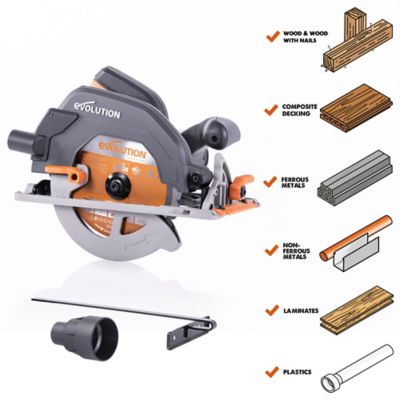
Compact Saws offer another size category to consider, with cutting capacity and handling that depend on the design. Blade fit is not interchangeable across every saw. Diameter, arbor size, shank style and speed rating must match the tool’s requirements, and the blade needs to suit the material. Carbide-tipped circular blades are common for lumber and plywood, while bi-metal reciprocating blades suit many wood-with-nails and metal-cutting tasks. Fewer teeth often favor faster, rougher cuts in wood; finer-tooth blades generally favor a smoother edge when properly matched to the work. Thin metal needs a tooth spacing that keeps multiple teeth engaged rather than catching at the edge. Plastic also calls for a suitable blade and cutting speed to limit chipping or melting. A clean shelf edge, a rough demolition cut and a square pipe end each place different demands on the blade.
A saw’s construction and handling become especially noticeable over a full afternoon at the bench. Baseplates and shoes made from steel, aluminum or magnesium vary in weight and rigidity, and a flat, stable contact surface helps the tool track across the workpiece. Firm depth and bevel locks help maintain settings, while readable scales make repeat setups less fussy. Handle shape, balance and overall weight affect control, particularly when cutting wide sheet goods or working at a bench that leaves little room to shift position. Tool-free blade clamps can simplify blade changes on reciprocating saws and jigsaws, and an adjustable reciprocating saw shoe can help position the blade against the work. Dust blowers can keep a cut line easier to see; compatible dust ports connect certain saws to extraction equipment to help manage debris. Neither feature replaces eye protection, hearing protection or respiratory protection appropriate to the material. A solid cutting setup matters just as much as the tool: plywood needs support that prevents sagging without pinching the blade, and short pieces need secure clamping with hands clear of the cutting path. Around a farm shop or detached garage, cord length and outlet placement are practical considerations rather than afterthoughts. Any extension cord needs a gauge and length suitable for the saw’s current draw and the manufacturer’s requirements; an undersized cord can cause voltage drop and overheating. Routing the cord away from the blade, sharp edges and walkways helps keep the work area manageable. Long service life also depends on routine care. With the saw unplugged, routine checks can catch a damaged cord, a loose base adjustment, a binding guard or a blade that needs replacement. Clear vents, clean contact surfaces and sharp blades help the motor work without needless strain. Storage that protects blades, cords and adjustment parts keeps the setup ready for the next repair. For folks building stalls, fitting shop cabinets or making repairs around the property, a corded saw matched to the work can earn a regular place on the bench.