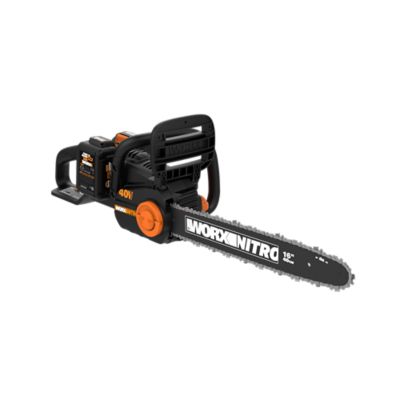
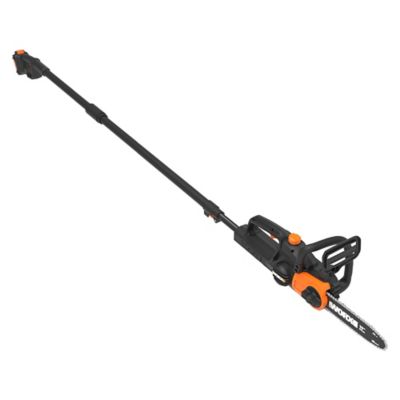
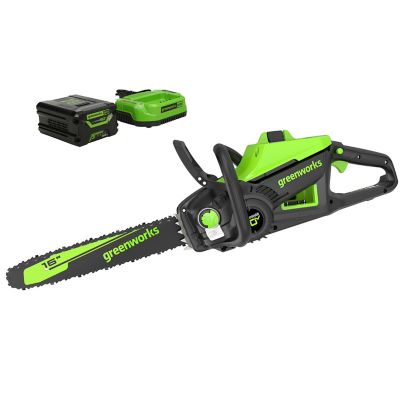
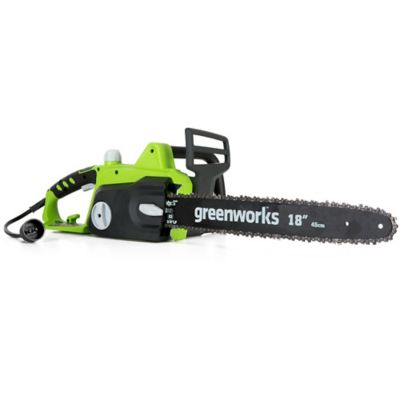
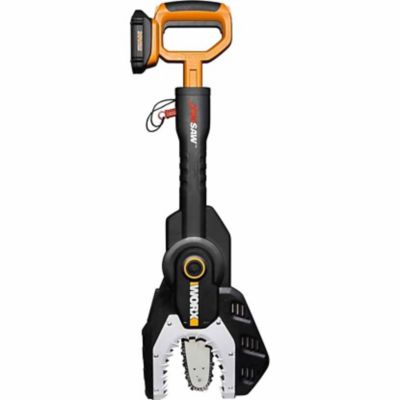
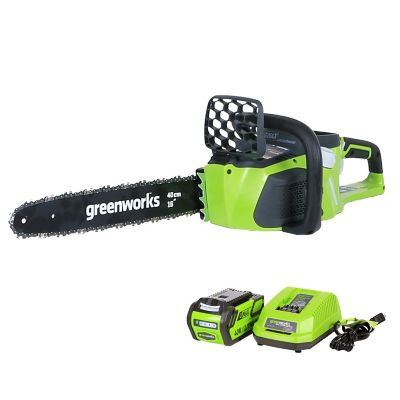
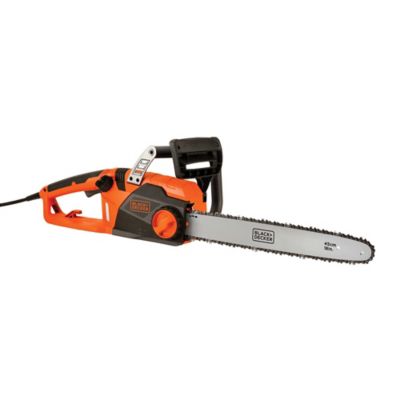
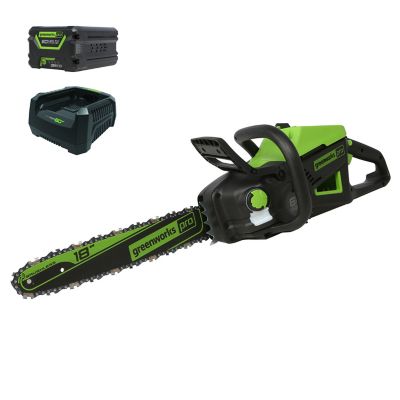
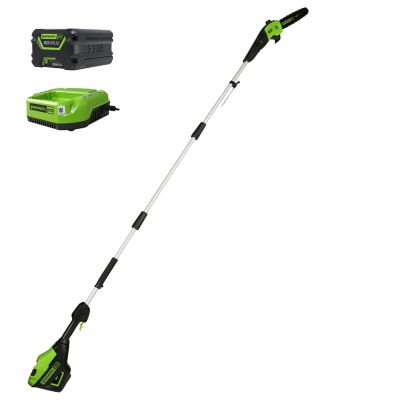
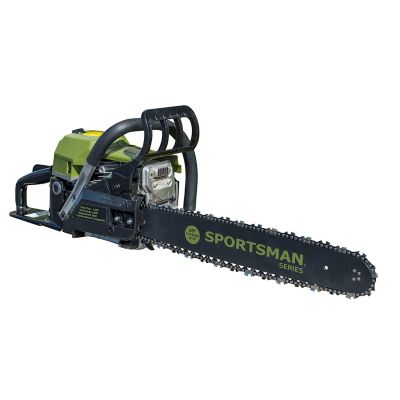
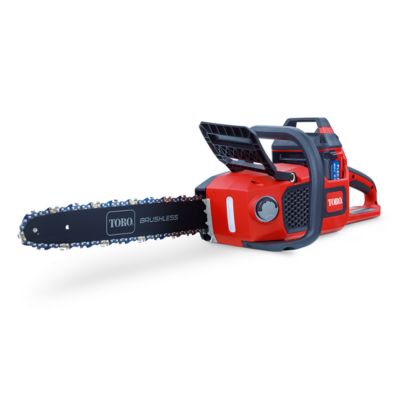
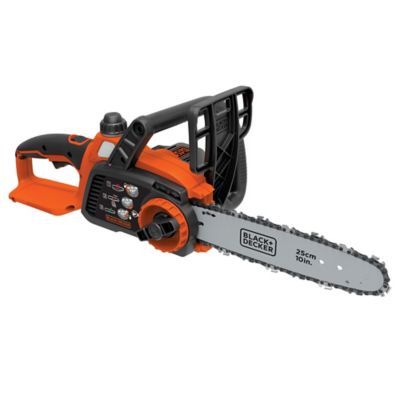
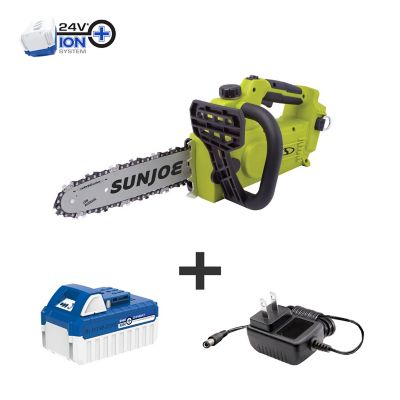
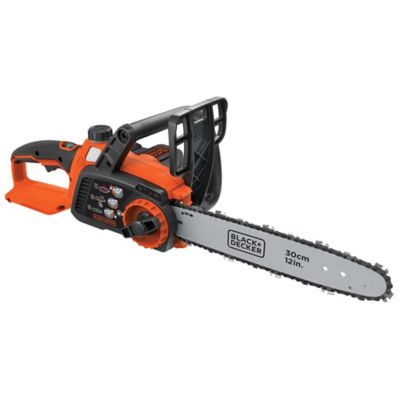
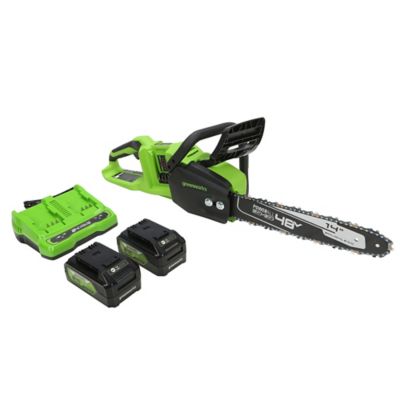
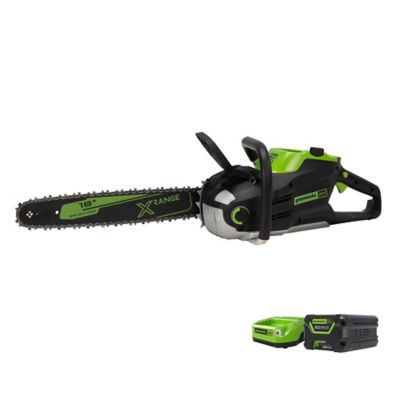
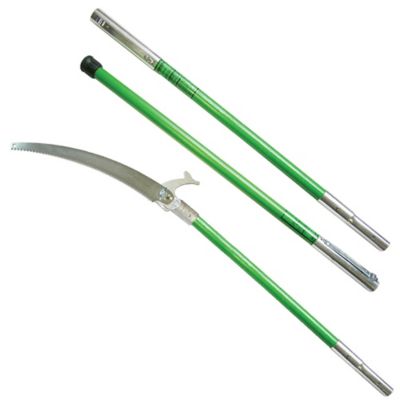
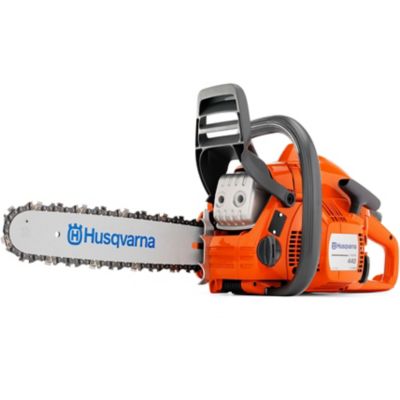
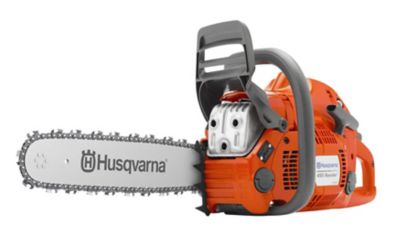
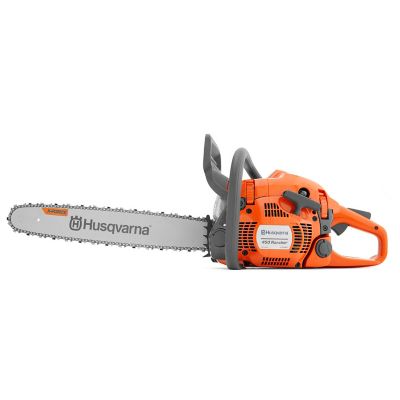
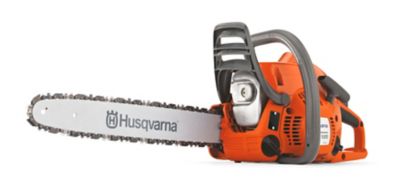
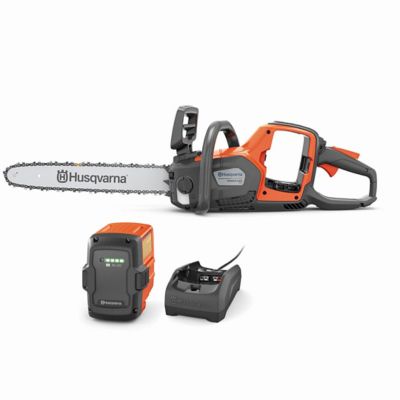
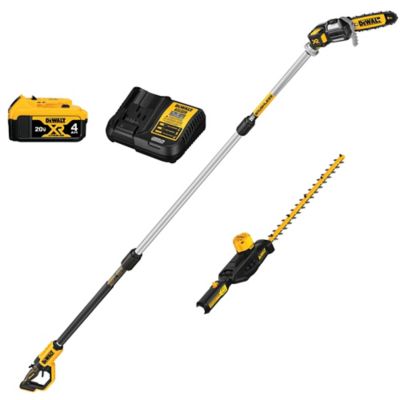
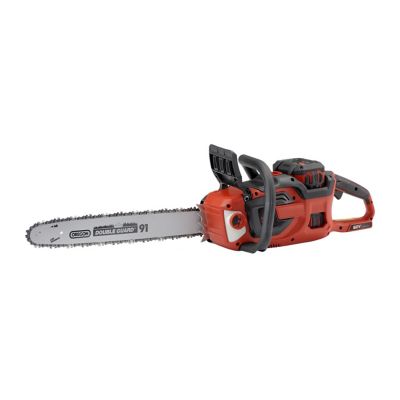
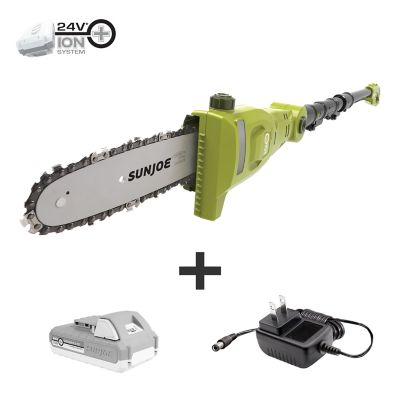
An electric chainsaw puts cutting power to work for everyday property chores, from cutting downed limbs into manageable lengths to sizing smaller logs for the woodpile. Powered by a plug-in connection or a rechargeable battery, these saws offer an alternative to gasoline engines without fuel mixing, pull-starting, or engine exhaust at the tool. They still need bar and chain oil, regular attention to the cutting chain, and the same careful handling as other chainsaws. A corded electric chainsaw suits jobs within practical reach of a suitable electrical outlet, such as cutting supported branches beside a work area. Its operating time is not limited by battery charge, though the cord restricts movement and must stay clear of the cutting path. A cordless electric chainsaw brings more freedom around a garden, pasture edge, or outbuilding, provided the task is within the saw’s capabilities. Battery runtime depends on the battery’s capacity, the wood’s size and hardness, chain sharpness, and how hard the motor works. Several quick cuts through small limbs place different demands on a battery than repeated cuts through thick hardwood. Electric models generally make less noise than gasoline-powered counterparts, but cutting is still loud enough to call for hearing protection. Their straightforward starting controls and reduced engine upkeep appeal to homeowners, acreage owners, and folks who want a saw for occasional cleanup without maintaining another gas engine. Some electric saws handle more demanding cutting, but power source alone does not establish what a saw can tackle. Motor output, bar length, chain design, and the manufacturer’s intended applications all matter. For someone clearing small fallen branches along a fence, easy handling may matter more than a long bar. For someone cutting rounds from already-felled wood, sustained cutting performance and enough battery capacity or practical cord access become bigger considerations. The best fit comes from matching the tool to the work that happens most often, rather than the biggest log on the property.
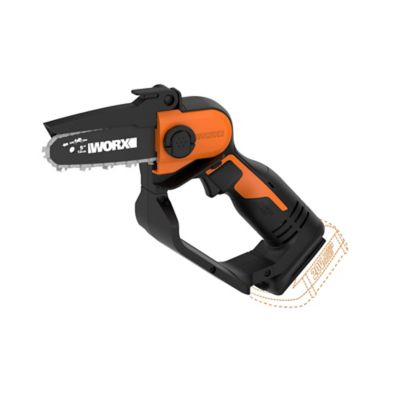
Construction and fit make a real difference once an electric chainsaw is in hand. The guide bar supports and directs the steel cutting chain, while the housing protects the motor and other internal components. Housing materials vary and may include molded polymers and metal components that balance weight with resistance to everyday bumps and wear. A longer bar can accommodate larger wood within the manufacturer’s stated limits, but it also adds reach and can make the saw less comfortable to maneuver. A shorter bar often feels more manageable for smaller cuts, although no bar length removes the risk of kickback. Overall weight should include the battery on a cordless saw, not just the bare tool. Handle spacing, grip shape, and balance affect how comfortably an operator can maintain a firm, two-handed hold while standing on stable ground. Room for properly fitted work gloves matters, too, especially around switches and the front handle. A
Handheld Chainsaw can suit a range of property tasks, but size and portability never replace checking the intended cutting capacity and handling requirements. Across electric chainsaws, features may include chain brakes, hand guards, trigger lockouts, automatic chain oilers, and tool-free chain-tension adjustment. These features serve different purposes: a chain brake helps stop chain movement under specified conditions, while an automatic oiler supplies lubricant to the bar and chain during operation. Neither takes the place of sound technique or routine checks. Brushless motors, where fitted, can help with operating efficiency and reduce brush-related maintenance. On battery-powered saws, voltage alone does not tell the whole performance story; motor design, battery output, and cutting-system efficiency also contribute. Battery compatibility requires an exact match with the manufacturer’s approved system, even when two packs show the same voltage. Kits and tool-only configurations may contain different components, making the stated package contents important for anyone who needs a battery and charger along with the saw.
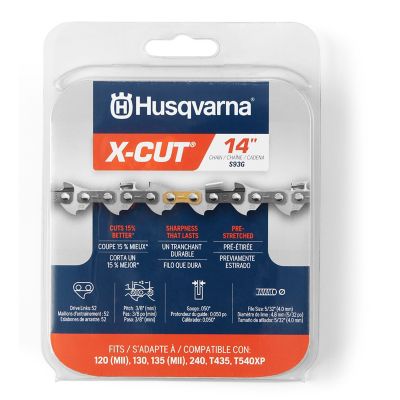
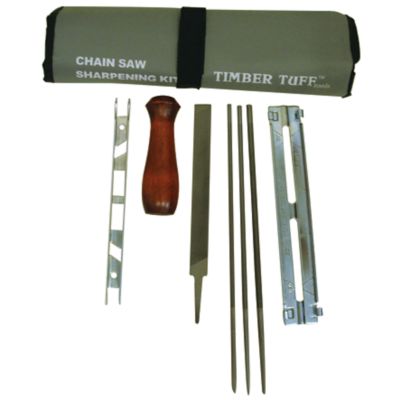
Long service life depends as much on routine care as on the saw’s construction. A sharp, correctly tensioned chain lets the cutting system do its job without unnecessary pressure from the operator. Fine dust in place of normal chips, uneven cutting, or a need to force the saw through wood can signal that the chain needs attention. Replacement chains must match the required pitch, gauge, and drive-link count, not simply the stated bar length. Bars and chains are wear parts, and their condition matters whether the saw runs every weekend or only when a limb needs cutting. An accessible oil reservoir and a visible oil-level window can make regular checks easier, while clear access around the bar mount helps with clearing accumulated chips according to the manual. Disconnecting the cord or removing the battery before cleaning, adjusting tension, or servicing the cutting system is essential. Battery care includes charging with the approved charger and following the maker’s storage directions; corded operation calls for an outdoor-rated extension cord with the proper wire gauge and length for the saw’s electrical requirements. Electrical connections and operation should follow the manufacturer’s moisture precautions and ground-fault protection requirements. Good storage keeps the saw secure, with its bar cover fitted and its power source disconnected, away from children and anyone unfamiliar with the tool. Protective equipment belongs alongside the saw: eye and hearing protection, suitable gloves, sturdy footwear, and leg protection specifically rated for the application. Not all chainsaw leg protection is suitable for electric saws, so its stated protection limits deserve close attention. Practical cutting also depends on supported wood, clear footing, and awareness of branches or trunks under tension. A limb pinned beneath a log can move suddenly when cut, and overhead work, ladder work, large-tree felling, and anything near utility lines call for trained help rather than a bigger saw. For everyday work within those limits, an electric chainsaw offers a straightforward way to keep up with cutting chores, with corded reach or cordless mobility matched to the property and the person doing the work.