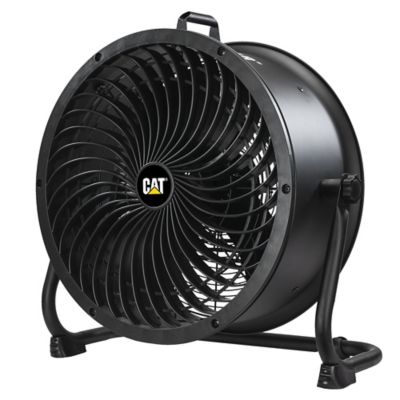
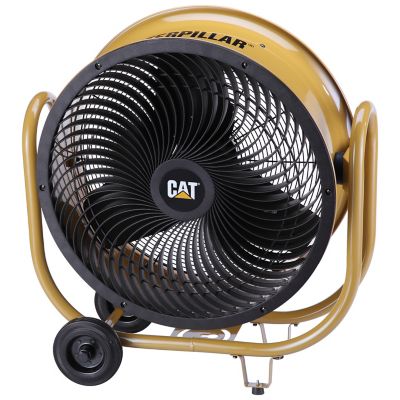
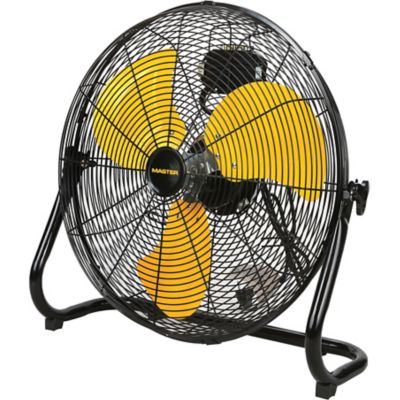
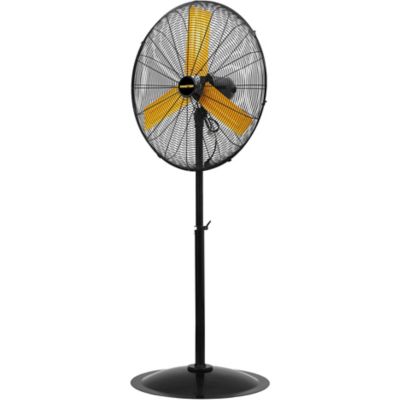
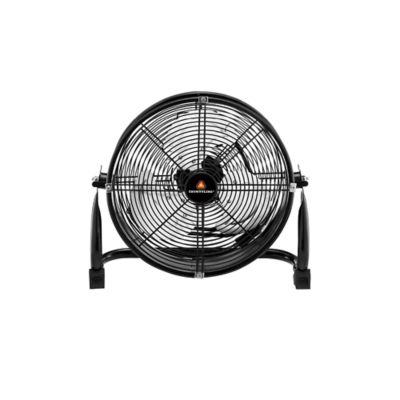
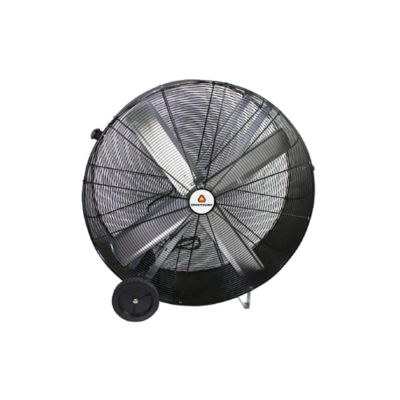
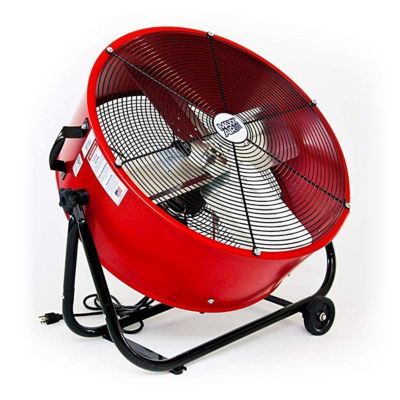
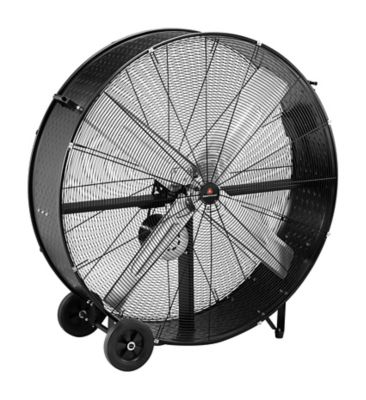
Construction fans, also called jobsite fans or industrial fans, are built to move a lot of air through busy work areas where an ordinary household fan may not hold up. They can help workers stay more comfortable while handling physical work, improve air circulation in garages and workshops, and speed up drying after painting, drywall work, floor cleaning, or a small water spill. On an active site, a steady stream of air can make a warm, enclosed room feel less stuffy and help keep fumes and lingering odors from hanging in one spot. These fans are also useful around barns, sheds, machine shops, warehouses, and other large spaces where open doors alone do not always provide enough airflow. A construction fan may be a practical addition to a contractor’s trailer, maintenance crew’s equipment stash, or homeowner’s workshop, especially for anyone who spends long hours building, repairing, sanding, painting, or moving materials. They can make a thoughtful gift for a new homeowner, do-it-yourselfer, tradesperson, or handy family member, since a good air mover often gets used for more jobs than expected. During cooler months, the same fan can help circulate heated air in a workshop or clear stale air from a closed-up space, while its drying power remains useful whenever wet materials, fresh coatings, or cleanup work are part of the job. For related gear that helps outfit a work area, browse
Construction Worker Tools.
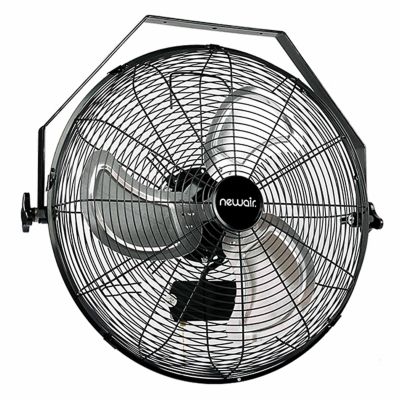
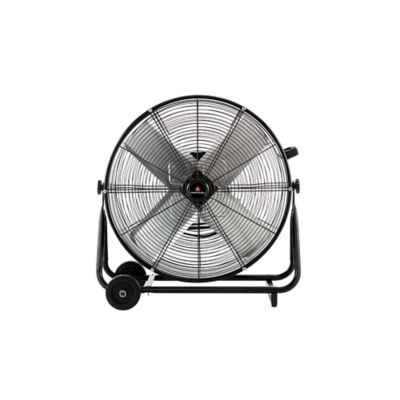
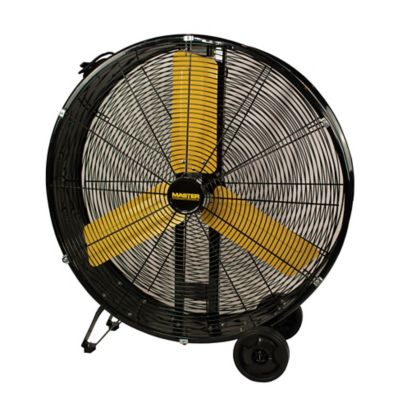
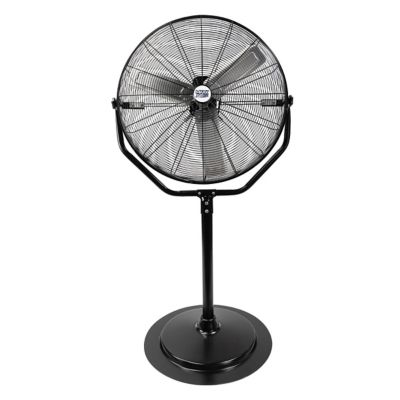
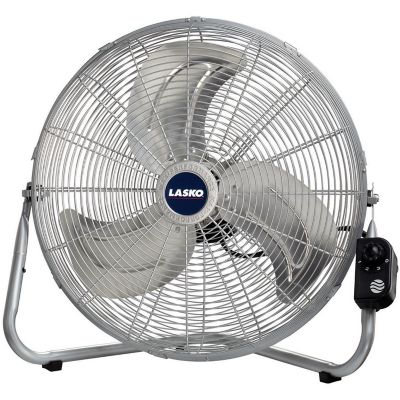
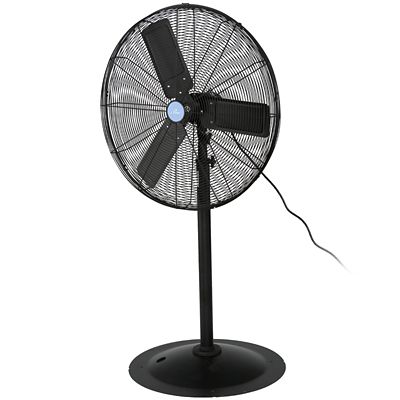
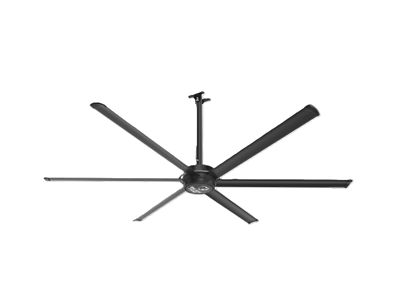
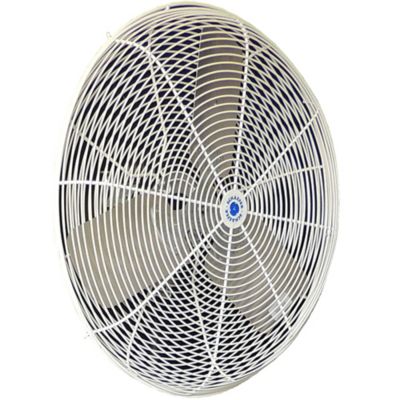
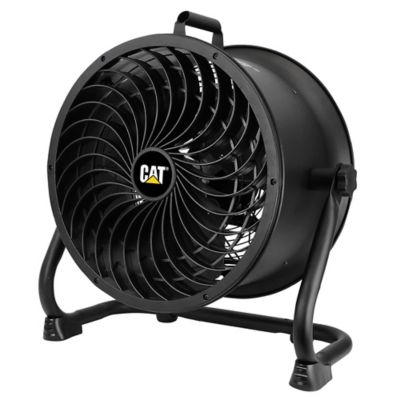
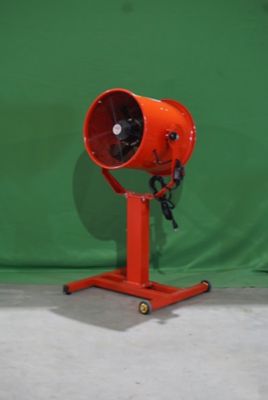
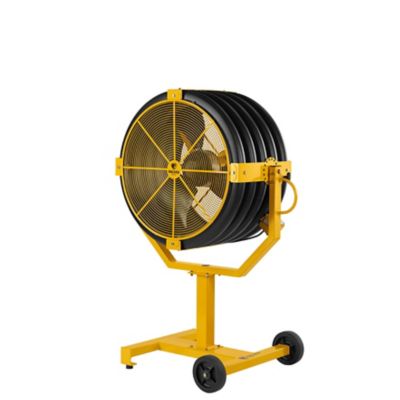
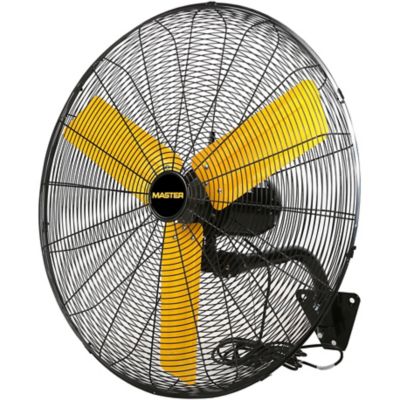
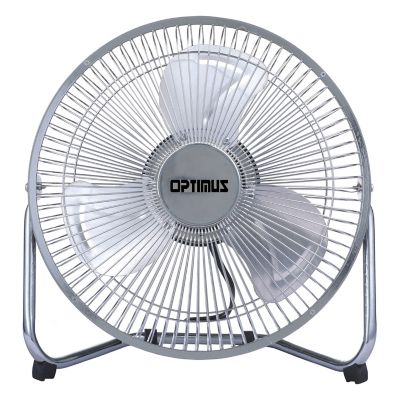
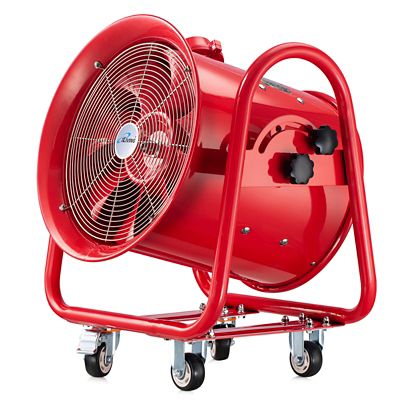
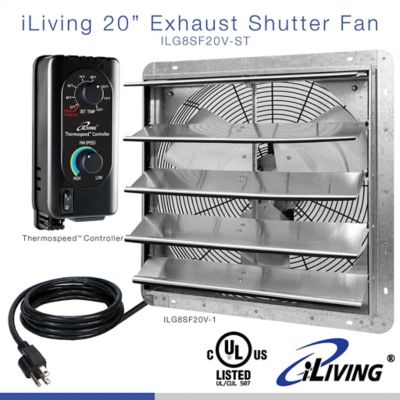
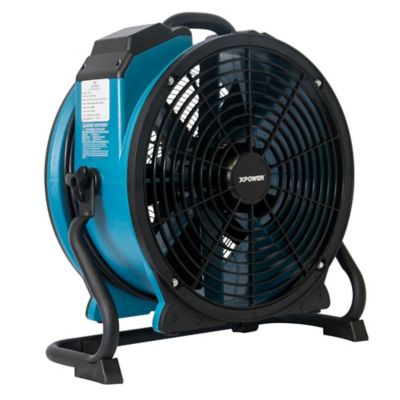
When comparing construction fans, start with the space and the kind of work they will support. A compact high-velocity floor fan is easy to carry, set on the floor, or place on a workbench, and a pivoting head makes it easier to direct air toward a person, a damp wall, or a freshly coated surface. These smaller units are handy in tight rooms, garages, workshops, and renovation areas where floor space is limited. Larger drum fans are made for open areas and can push air across a wider distance, making them a better fit for barns, warehouses, commercial workspaces, and broad indoor or outdoor job sites. Rolling models with sturdy wheels are easier to reposition when the work zone changes, while wall-mount and pedestal styles can save valuable floor space in a permanent shop. Think about where the fan will sit, how often it will be moved, and whether workers need air directed at a particular height. Airflow is commonly listed in CFM, or cubic feet per minute. A higher CFM rating generally means the fan moves more air and can help with faster drying or wider coverage, but the biggest number is not always the right choice for a small room. A powerful unit pointed across a narrow workspace may stir up loose dust or make lightweight materials shift, so match the output to the area and task. For drying paint, drywall compound, flooring, or cleaned surfaces, steady circulation is often more useful than blasting air directly at one spot. Construction fans are not a replacement for proper ventilation, fume control, or dust-collection equipment, and they should not be used to spread hazardous dust or exhaust where people are breathing it.
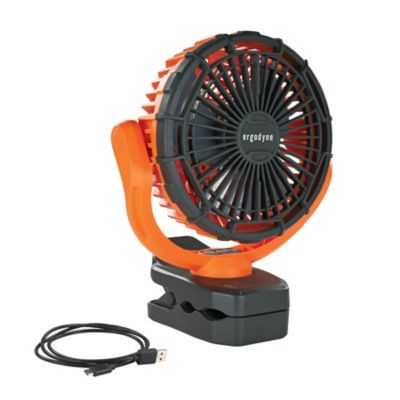
The jobsite itself should guide the rest of the decision. Look for rugged housing, a durable grille, and a stable base that can handle being moved around tools, lumber, buckets, and other everyday clutter. Heavy-gauge steel construction can stand up to regular use, while dent-resistant grilles help protect the blades in a busy workspace. A totally enclosed motor can help keep dust and debris away from important motor components, which is valuable in construction and repair areas where sawdust, insulation fibers, dirt, and drywall particles are part of the surroundings. Corded fans provide dependable power wherever a suitable outlet is available, but a long cord can become a trip hazard or limit placement around a partially finished building. Cordless models offer more freedom in unfinished rooms, outdoor work zones, and tight spaces without convenient electrical service. Hybrid designs that run from a standard wall outlet or a rechargeable battery pack provide added flexibility when moving between the shop and the jobsite. Check the battery system, expected run time, charging needs, cord length, controls, and noise level before choosing. A fan that runs for hours may be welcome in a large barn but distracting in a small finishing room. Keep cords routed away from walkways, protect electrical connections from moisture, and place every fan on a firm, level surface with clear space around the intake and outlet. Never block the grille, operate a standard fan in wet conditions unless it is specifically rated for that use, or rely on moving air to remove dangerous fumes without proper ventilation. With the right size, airflow, power source, and build, construction fans can become a dependable part of the equipment lineup, helping workers stay more comfortable and helping projects dry, clear, and move along with fewer interruptions.