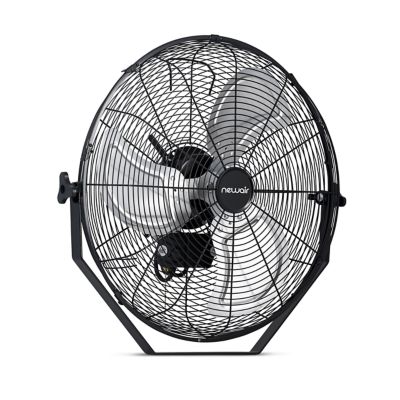
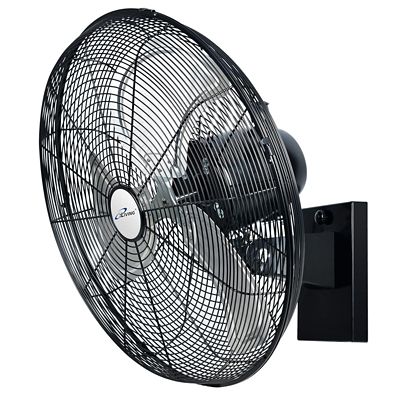
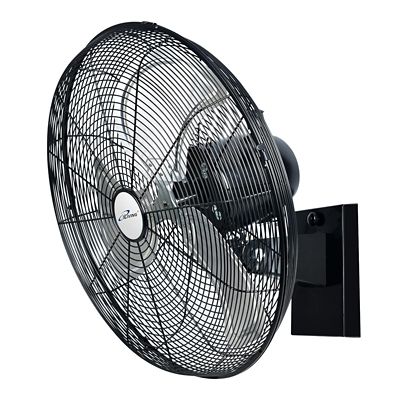
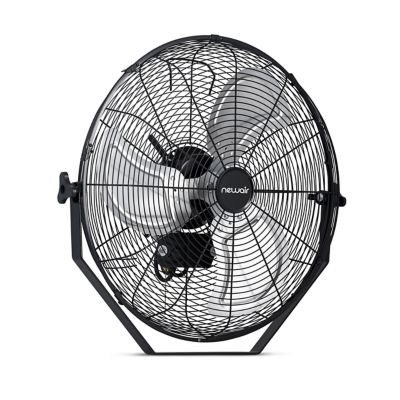
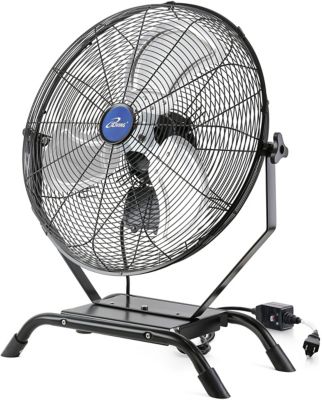
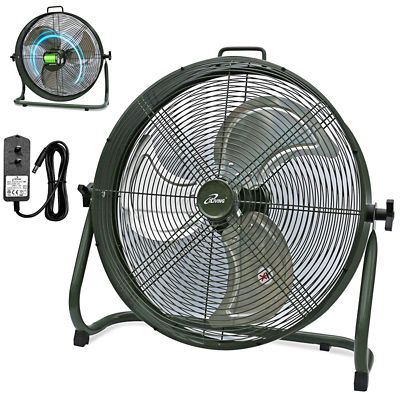
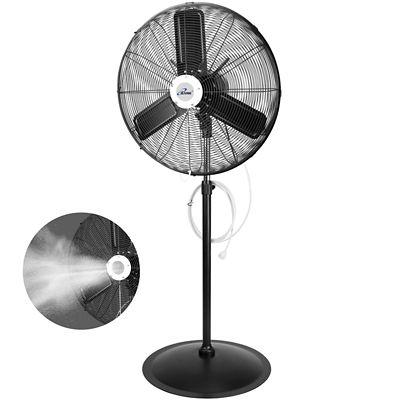
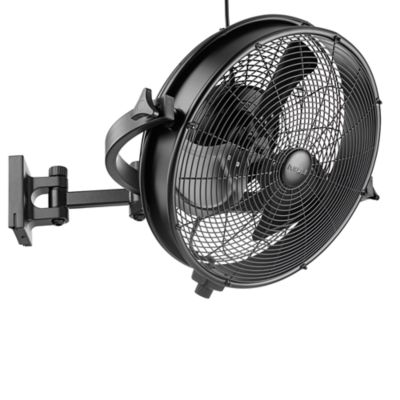
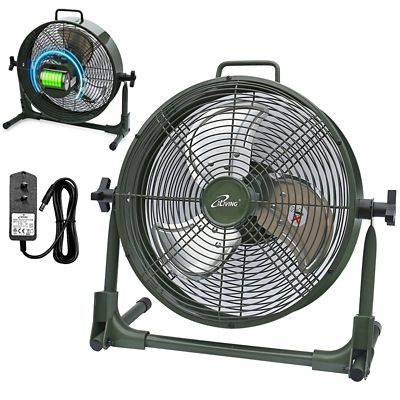
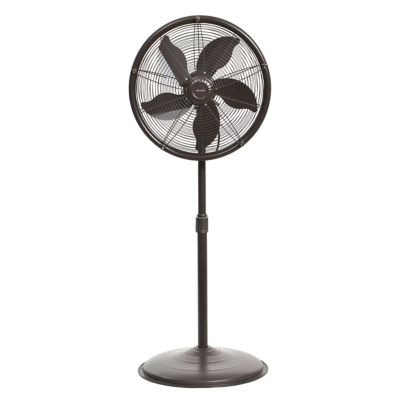
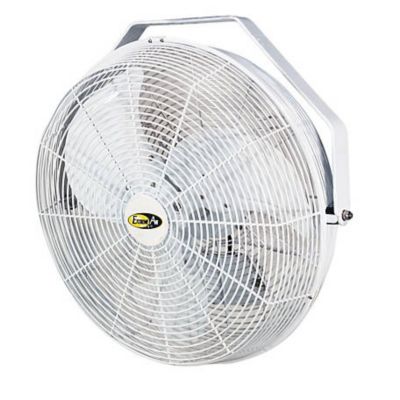
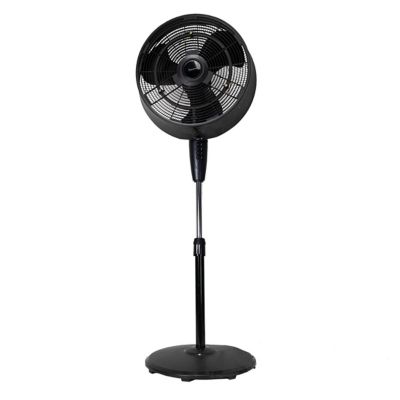
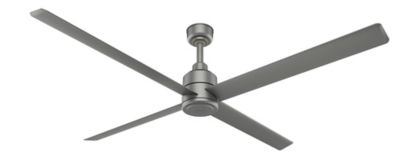
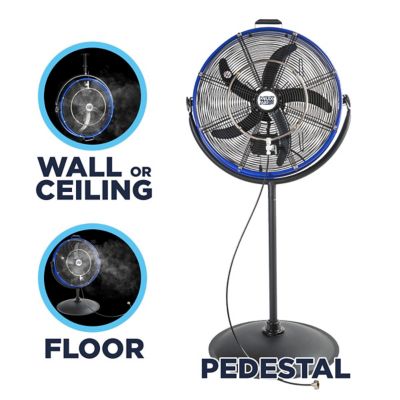
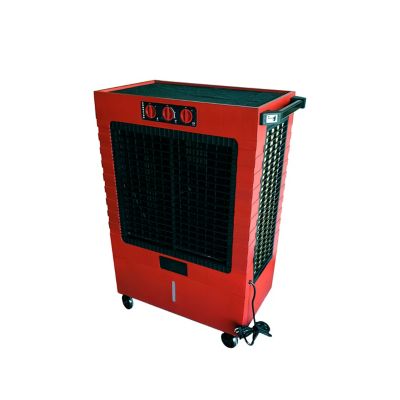
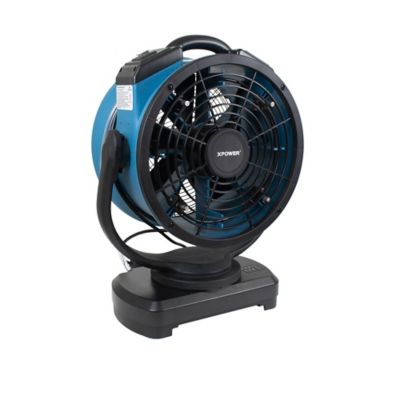
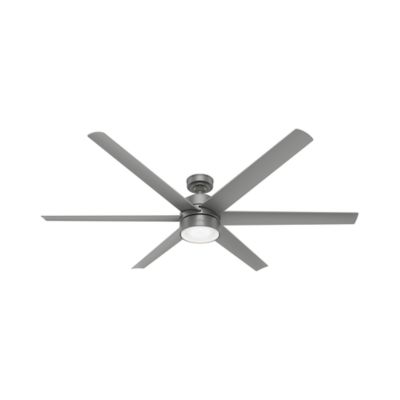
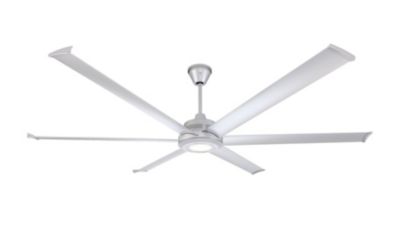
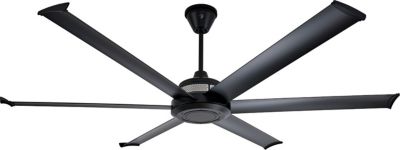
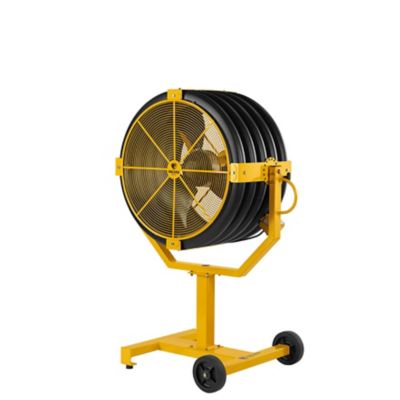
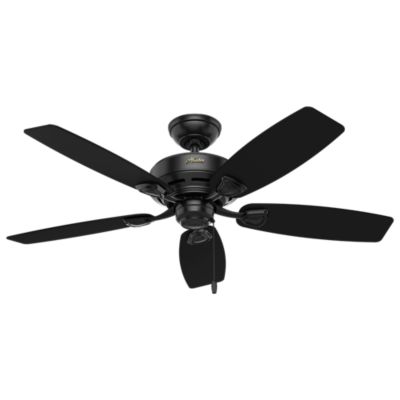
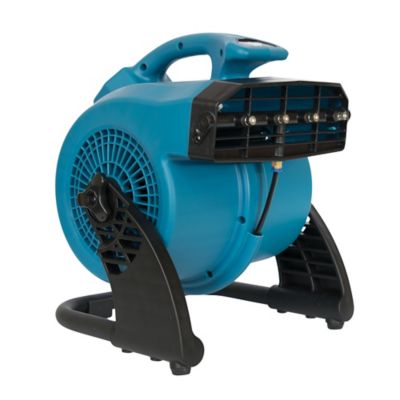
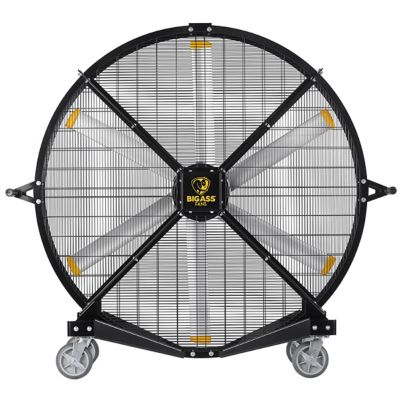
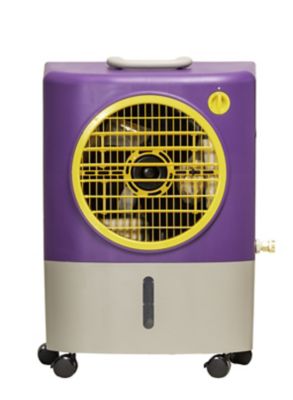
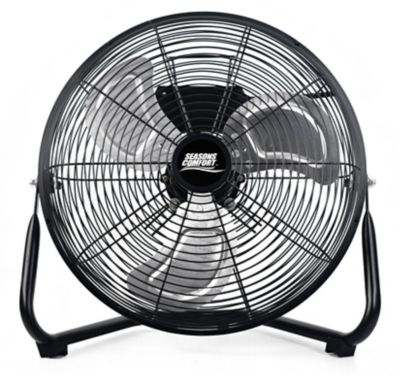
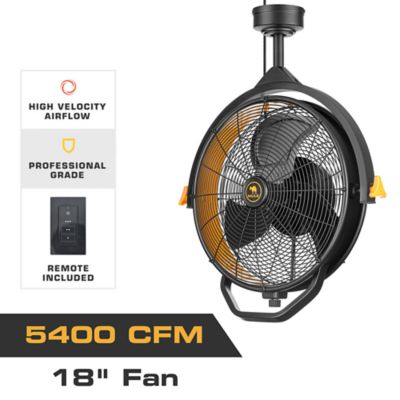
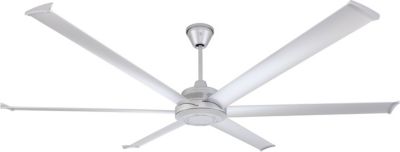
Outdoor fans move air across patios, decks, porches and other open-air spaces, helping people feel cooler without lowering the surrounding air temperature. They make a difference where folks gather for supper, settle into a porch chair or take a break between chores. Outdoor ceiling fans provide overhead circulation without taking up floor space, while wall-mounted fans keep walkways clear and direct airflow toward a seating area or workbench. Pedestal and floor fans offer more flexibility when the gathering spot changes, and portable designs can move between suitable locations without a permanent installation. High-velocity fans deliver a concentrated stream of air, while oscillating designs sweep airflow across a wider area. Misting fans combine moving air with a fine water spray for evaporative cooling, which generally works better in dry conditions than in humid air. The right fit depends on the space, the distance between the fan and the people nearby, and the amount of exposure the equipment will face. A covered porch and an uncovered deck do not call for the same protection. Damp-rated fans belong in sheltered locations where moisture may be present but direct rain cannot reach them. Wet-rated fans can handle direct water exposure within the limits stated by the manufacturer; that rating does not automatically permit pressure washing, immersion or every type of spray. Outdoor suitability should be stated on the fan itself or in its documentation, rather than assumed from a sturdy-looking housing. Permanent mounting also needs a structure that can support the equipment and its operating movement. For ceiling fans, the mounting hardware and electrical box must be rated for fan support, not just for a light fixture. Proper blade clearance leaves room for people to move beneath the fan and keeps the blades away from beams, walls and other obstacles. Those details help an outdoor fan fit naturally into the space instead of becoming something everyone has to work around.
Airflow matters more than appearance alone when matching outdoor fans to a porch, pavilion or open-sided shelter. Cubic feet per minute, commonly listed as CFM, describes the volume of air a fan moves, but that number is only part of the picture. Fan placement, blade design, operating speed and distance all affect the breeze that reaches a chair or work area. A broad airflow pattern suits a group around a table, while a narrower stream may work better beside a single workstation. Oscillation spreads circulation from side to side, and an adjustable tilt helps aim airflow without propping the fan on an uneven surface. Multiple speed settings make it easier to balance air movement with conversation, especially where a fan sits close to the seating. Sound depends on both the motor and the air passing through the blades, so a powerful fan may be more noticeable on a quiet porch than beside an active workshop. Metal housings and guards can provide substantial protection around moving parts, while molded plastic components may make a portable fan easier to carry. Coatings, fasteners and materials intended for outdoor exposure help limit corrosion, though no material eliminates the need for care. Dust, pollen and grass clippings can collect on guards and blades, reducing airflow and adding to the cleaning job. Cleaning methods should follow the manufacturer’s directions, with power disconnected before hands get near the blades. Some motors require periodic attention, while sealed designs may have different maintenance requirements. Stable bases, secure mounting points and protected cord routes matter around busy households, pets and livestock areas. A cord across a doorway can turn a convenient breeze into a trip hazard. Outdoor electrical connections need protection appropriate to the location, including ground-fault circuit-interrupter protection where required. An outdoor-rated extension cord is appropriate only when the fan manufacturer permits one, and connections should stay clear of standing water. Permanent wiring or a new mounting location may call for a qualified electrician.
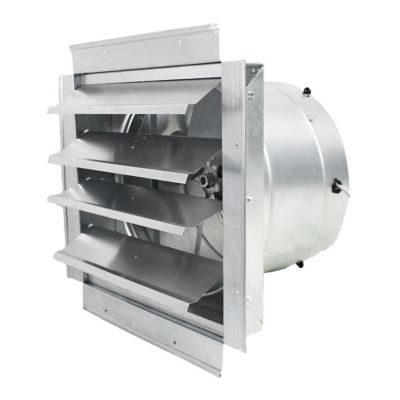
The best setting for an outdoor fan is one where its airflow reaches the people or activity it is meant to serve. On a deep porch, overhead circulation can reach a seating group without a floor fan taking up the path to the door. Beside a covered potting bench, a wall-mounted fan can leave room for bags, trays and tools below. A portable fan may suit a sheltered picnic area or a spot where someone sorts garden tools, provided its outdoor rating matches the exposure. In open-sided farm buildings, fan selection also involves dust, moisture and the demands of the work happening nearby. General-purpose circulation fans are not substitutes for ventilation equipment specified for livestock housing or locations with combustible dust or flammable vapors. Growing spaces have their own airflow needs, too;
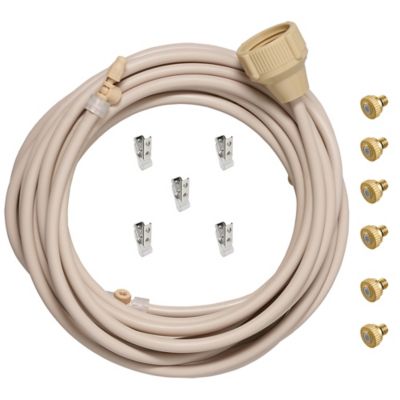
Greenhouse Fans support a different setting, where air circulation or exhaust may be part of managing an enclosed growing environment. For misting fans, water access and drainage deserve as much attention as the electrical connection. A fine spray can dampen nearby cushions, leave mineral deposits or make smooth flooring slippery, so placement needs to account for where the mist travels. Water lines and misting components also need cleaning according to the manufacturer’s directions. Away from the water connection, handles, wheels and a manageable weight make a difference when equipment moves between locations or goes into storage. Cord storage and a sheltered storage spot help keep everything orderly between uses. For a housewarming or a practical gift, an outdoor fan makes the most sense when the recipient’s space, mounting options and electrical setup are already known. A porch sitter may appreciate quiet overhead circulation, while someone who spends hours at a covered workbench may prefer adjustable, directed airflow. Matching those everyday habits with the fan’s rating, controls and footprint brings comfort to the places where people already like to spend their time.