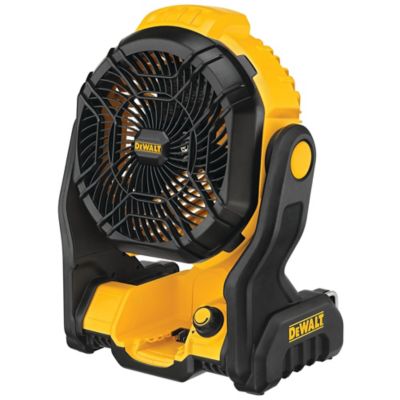
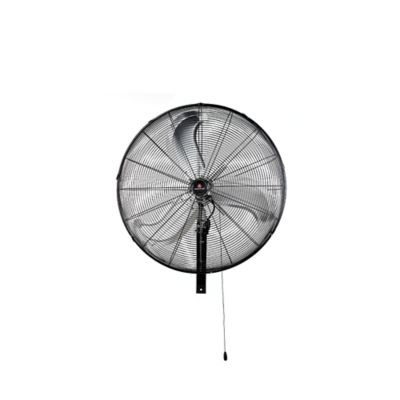
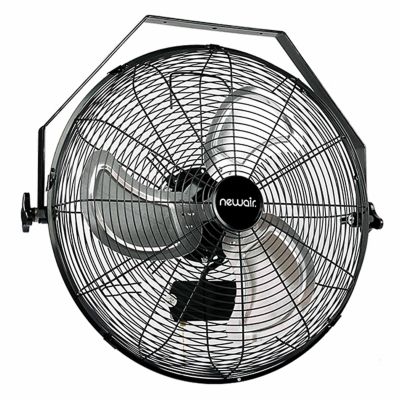
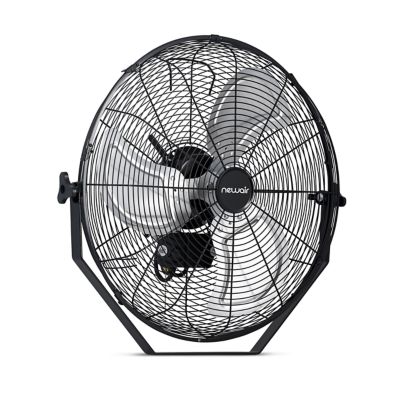
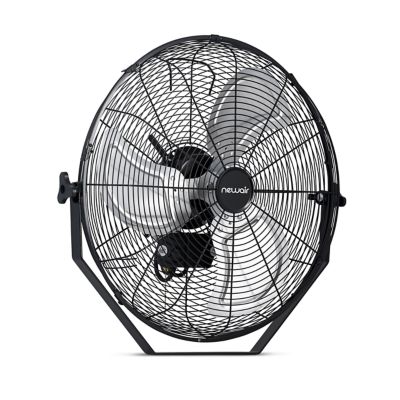
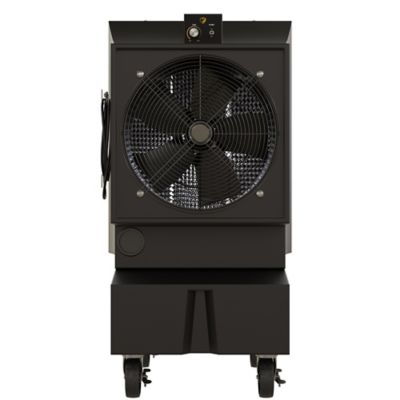
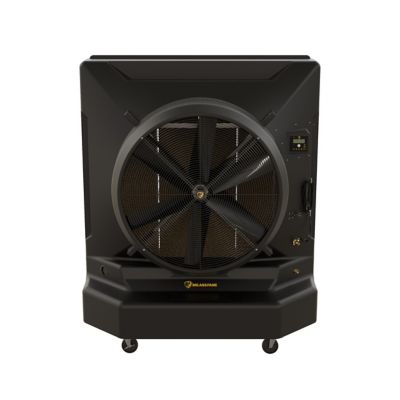
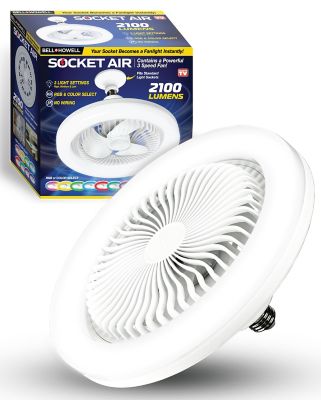
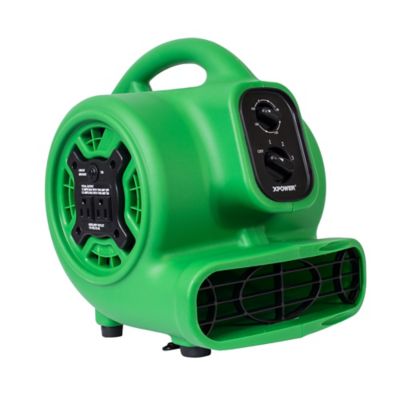
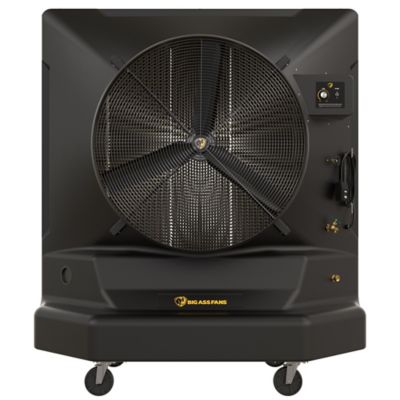
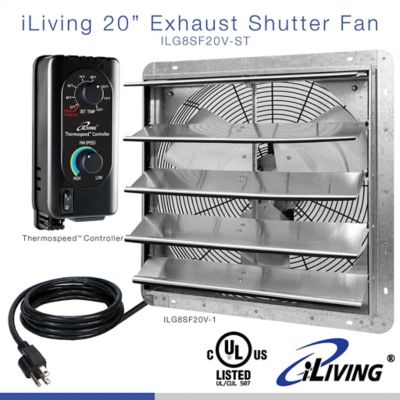
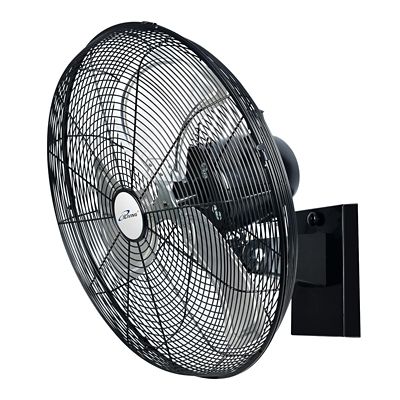
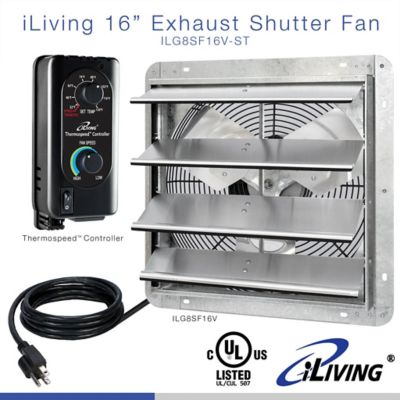
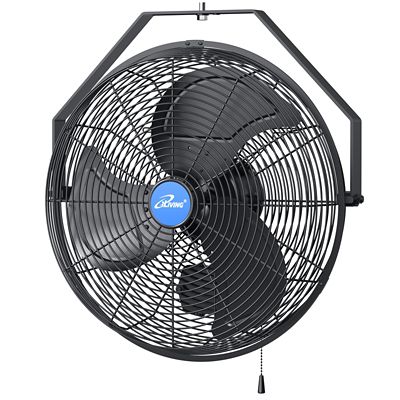
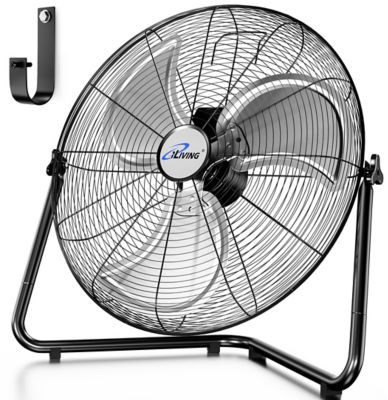
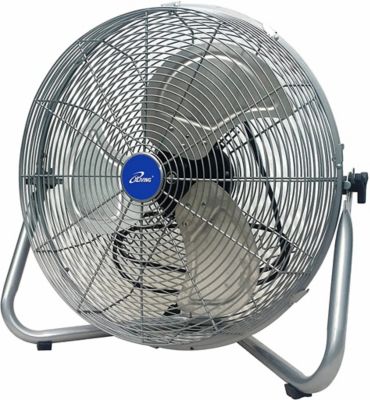
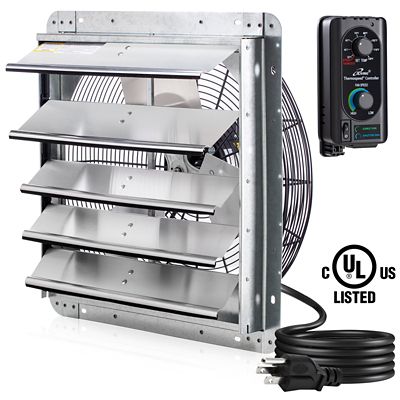
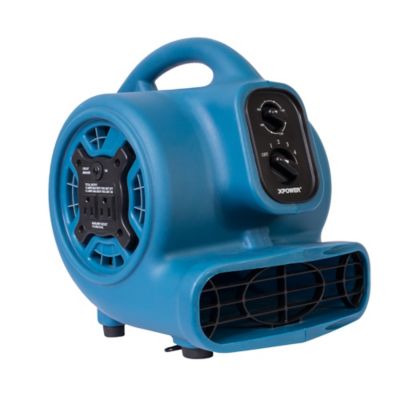
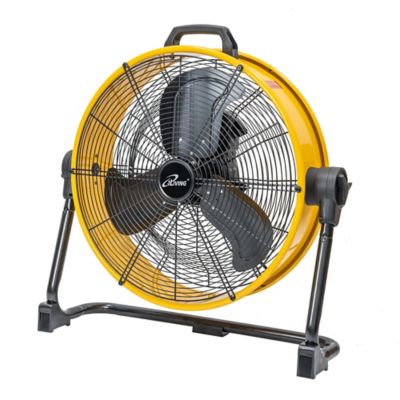
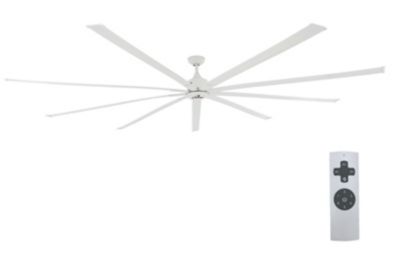
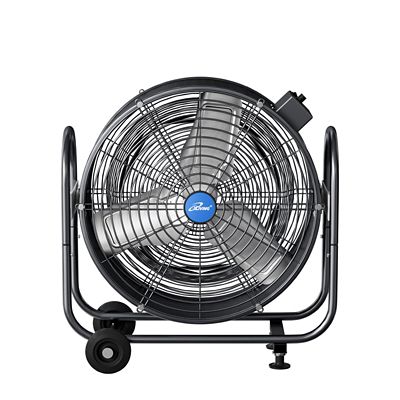
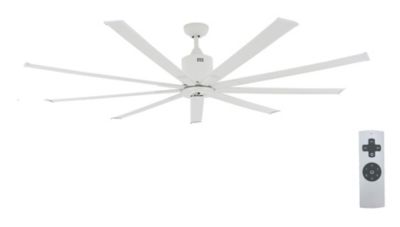
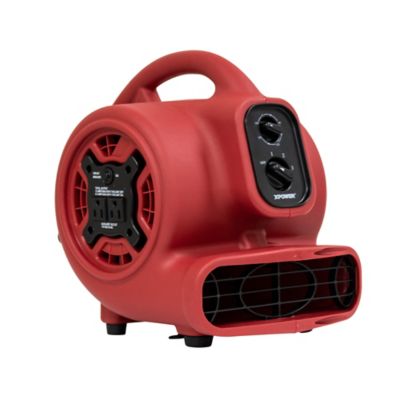
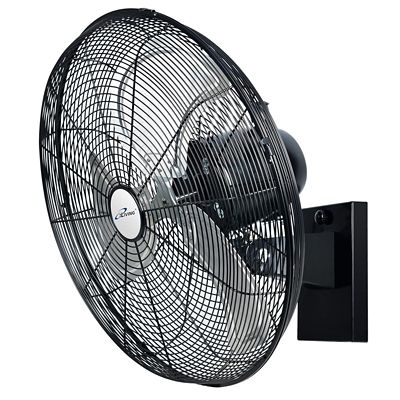
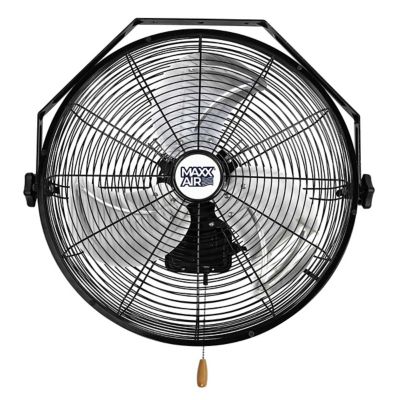
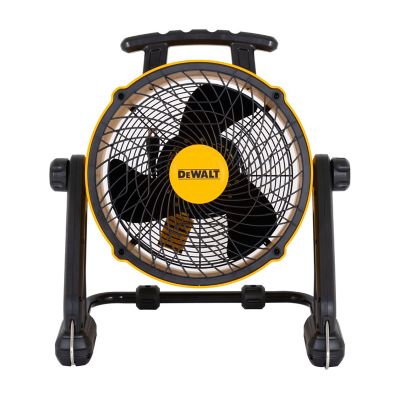
Workshop fans move air through garages, repair bays, equipment sheds, and other workspaces where a still afternoon can make even a small repair feel like a chore. Unlike an air conditioner, a fan does not lower the room’s air temperature; moving air helps people feel cooler by carrying heat away from the skin and encouraging sweat to evaporate. That makes airflow useful around a mower repair, a tractor maintenance job, or a workbench stacked with parts waiting to go back together. Different fan styles fit different layouts. Floor fans direct air from a low position and can tuck beside a bench, while drum fans have a barrel-shaped housing suited to moving substantial amounts of air through an open work area. Wheeled frames make larger fans easier to roll across a level floor when the job shifts from one bay to another. Pedestal fans raise the airflow above floor-level obstacles, with adjustable stands that help match the breeze to a seated task or standing work. Wall-mounted workshop fans leave walking paths and bench space open, making them a practical fit for tighter shops where every square foot has a job. Compact directional fans concentrate airflow around a smaller work zone rather than trying to reach the entire building. Oscillation sweeps the breeze across a broader area, while a fixed head keeps it pointed at one station. For someone sorting hardware at a bench, a steady stream of air may be all that is needed. For several people moving between tool chests and equipment, broader coverage can make more sense. The right fit depends as much on where the work happens as on the building’s footprint. Tall cabinets, parked machinery, overhead storage, and partition walls all affect how air travels, so a fan’s placement and adjustment range matter alongside its overall size. A clear path for airflow helps a fan serve the space without taking over the space.
Airflow capacity is commonly expressed in cubic feet per minute, or CFM, which describes the volume of air a fan moves in one minute under its stated testing conditions. Higher CFM generally means more air movement, but blade diameter alone does not tell the whole story. Motor performance, blade design, housing shape, and the selected speed all influence output. A wide, open equipment shop has different demands than a crowded garage with a low ceiling, and there is no single CFM number that fits every building of a given size. Published airflow ratings are most helpful when considered with the distance to the work area, the desired coverage, and the obstacles in between. Multiple speed settings give a fan more flexibility: stronger airflow may suit an open bay, while a lower setting can be more comfortable at a bench covered with paper patterns or small parts. Sound matters, too. A powerful fan can become tiring in a shop where conversation, radio calls, or listening for changes in an engine’s idle are part of the work. Where sound ratings are provided, comparisons are most meaningful at similar speeds and testing distances. Construction also plays a part in everyday performance and service life. Steel frames and wire guards provide structure around the moving blades, while aluminum blades are common in fans built for substantial airflow. Some designs use molded housings or blades that help keep carrying weight down. Protective finishes, secure fasteners, a stable base, and an accessible carrying handle are worth attention in a space where equipment gets moved regularly. Motor enclosure ratings deserve a close look in dusty surroundings, but an enclosed motor does not automatically make a fan suitable for combustible dust, flammable vapors, or wet locations. Those conditions call for equipment specifically rated for the environment. For wall-mounted fans, bracket requirements, mounting surface strength, and adjustment clearance help determine whether a particular style fits the intended spot. Cord length, plug type, electrical requirements, and access to an appropriate outlet also affect how neatly a fan fits into the working layout.
Workshop fans earn their place through everyday convenience, from keeping air moving around a crowded repair bench to bringing a breeze across a sheltered work area where the fan’s location rating permits it. They can also support drying after routine cleaning when moisture has somewhere to go, though circulation alone does not remove water vapor from a closed building. A fan is not a dehumidifier, and stirring the air is not the same as providing fresh-air ventilation. Dust collection and appropriate exhaust equipment remain important for tasks that generate airborne debris or fumes. An ordinary shop fan should not blow sawdust, grinding particles, or solvent vapors toward people, heaters, electrical equipment, or ignition sources. A comfortable setup keeps airflow across the occupied work area without scattering debris from the floor. In the cooler months, gentle circulation may help reduce pockets of stagnant air, but strong airflow pointed straight at a person can feel chilly. Shops that need warmth as well as circulation have different requirements, and
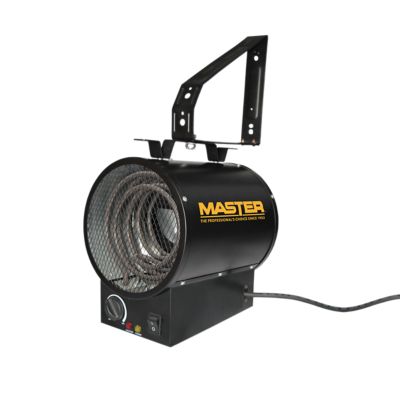
Heaters For Workshops provide a related category to consider for the workspace. Fan placement around any heater should follow both manufacturers’ directions, with required clearances maintained and combustion or exhaust airflow left undisturbed. Day-to-day care is usually straightforward, with the owner’s manual setting the cleaning and maintenance routine. Disconnecting power before cleaning, removing buildup from guards and blades as directed, and checking the cord, frame, and mounting hardware help keep the fan ready for work. Lubrication belongs only where the manufacturer calls for it; some motors have sealed bearings that require no routine oiling. Unusual vibration, a damaged guard, or a frayed cord calls for taking the fan out of service until the problem is addressed. Dry storage and sensible cord management help protect it between projects. For a farmer maintaining equipment, a mechanic working at home, or a woodworker with a separate shop, a fan can be a practical gift when its size, electrical needs, and mounting style match the space. Whether the shop holds a single workbench or several repair bays, thoughtful airflow makes long stretches of hands-on work more comfortable.