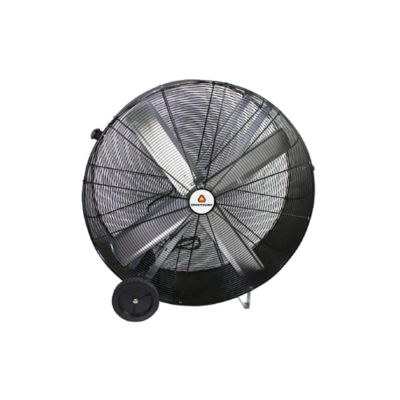
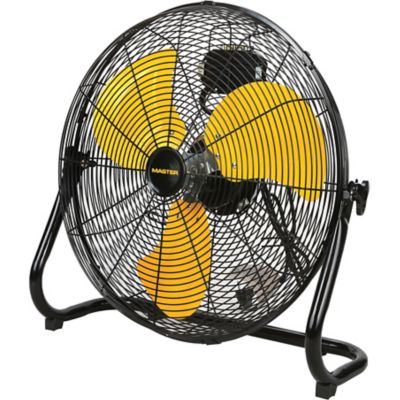
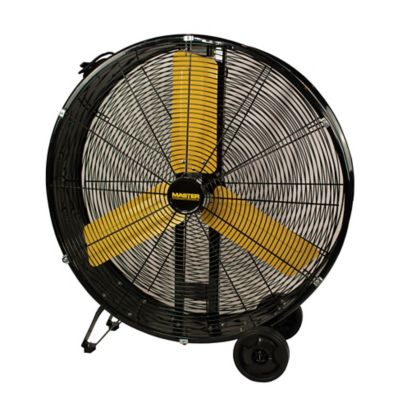
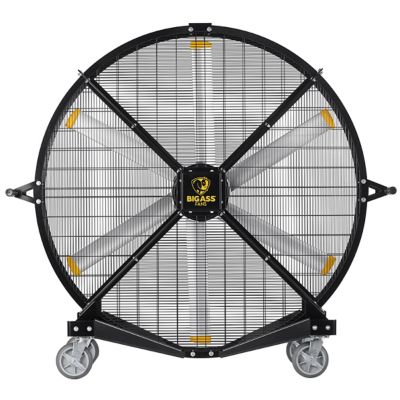
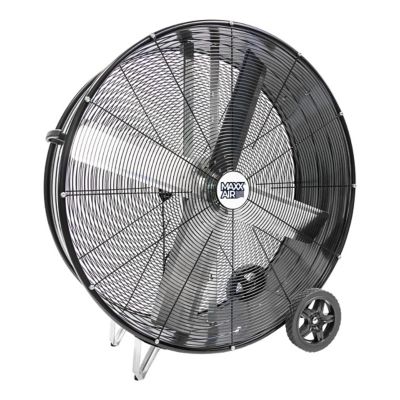
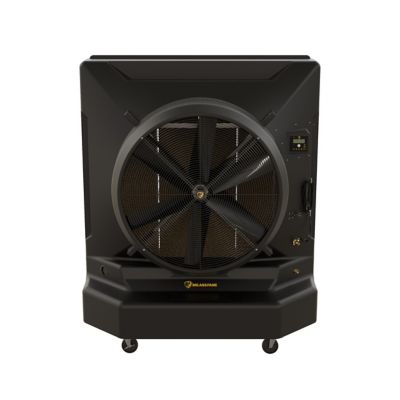
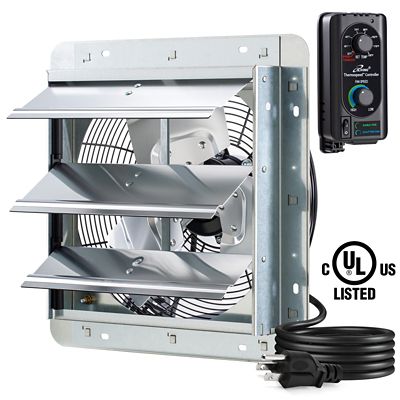
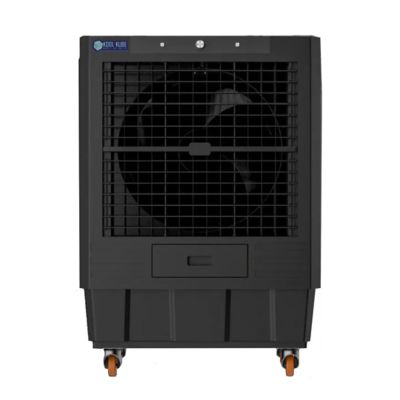
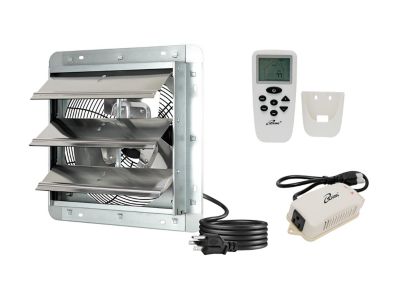
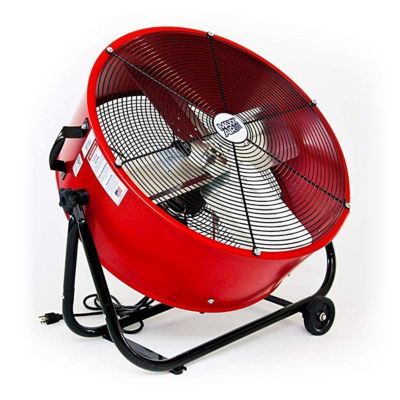
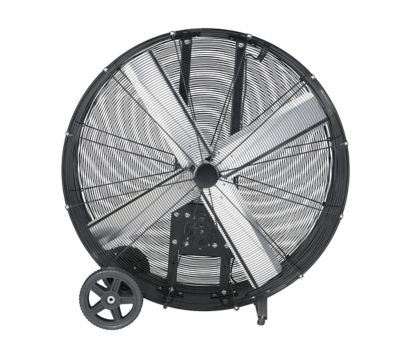
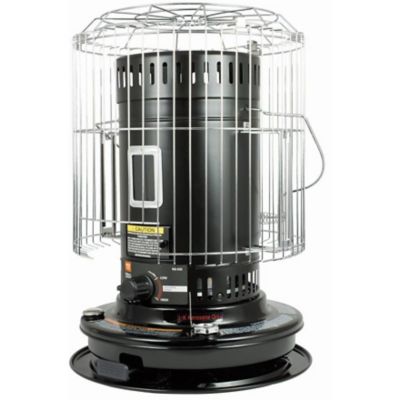
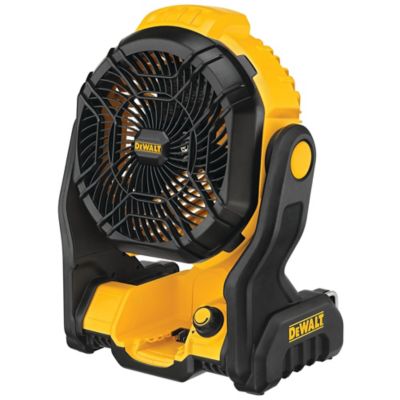
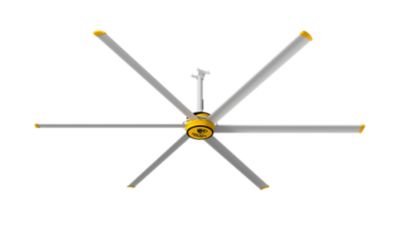
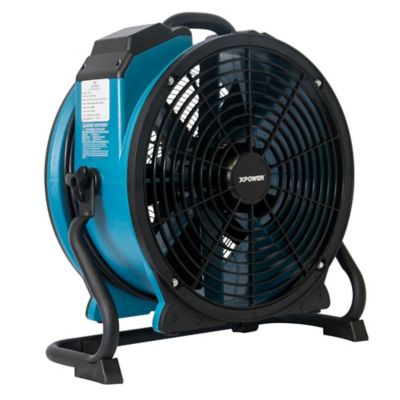
Barn fans help keep air moving through spaces where livestock, equipment and people spend time, making the barn more comfortable through warm weather and helping manage stale air during the cooler months. In a working barn, air can grow heavy with heat, dust, bedding odors and moisture, especially when doors and windows stay closed or when animals are housed indoors for long stretches. A steady breeze from the right fan can make a noticeable difference around stalls, wash areas, tack rooms, feed rooms and other high-traffic spots. Fans do not replace proper ventilation, clean bedding or safe animal care, but they can support a healthier, more comfortable environment by circulating fresh air and reducing pockets of hot, damp air. Livestock owners may use them to help horses, cattle, goats, sheep, poultry and other animals handle warm conditions, while farmers and ranchers often appreciate the improved comfort when feeding, grooming, cleaning or tending to chores. In a shop or equipment area, moving air can also make the space feel less stuffy while helping moisture dry from floors, tools and recently washed surfaces. As the weather warms, barn fans are especially useful for maintaining airflow when animals are active, while during the cooler seasons they can still help control humidity and keep air from becoming stagnant without creating an uncomfortable draft when positioned carefully.
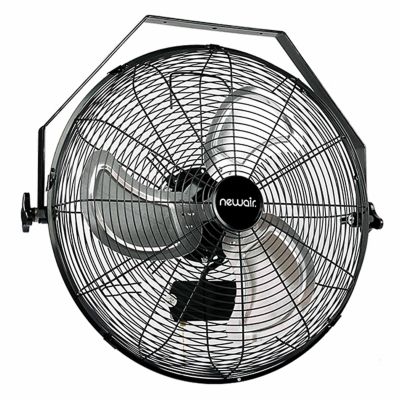
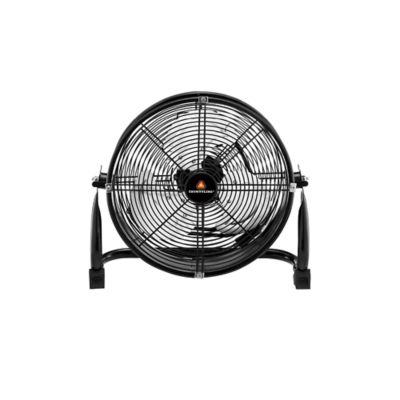
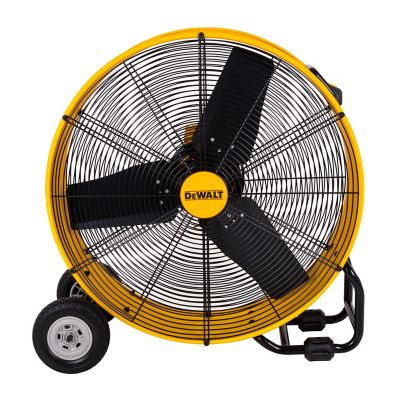
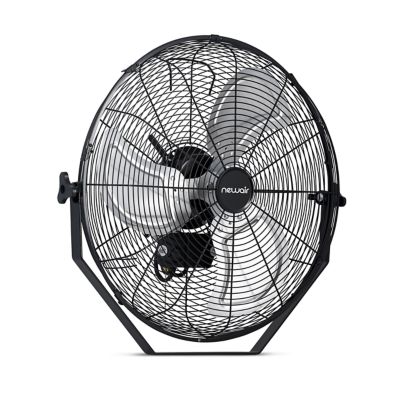
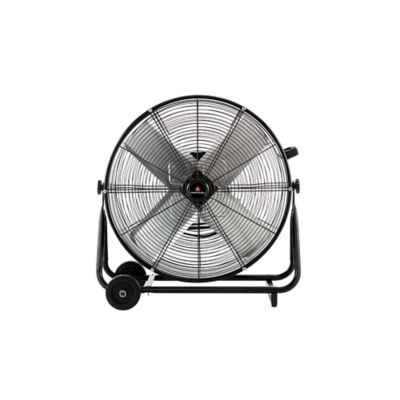
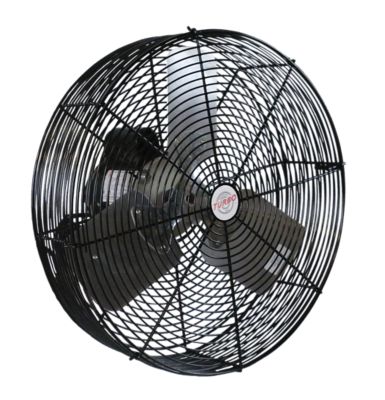
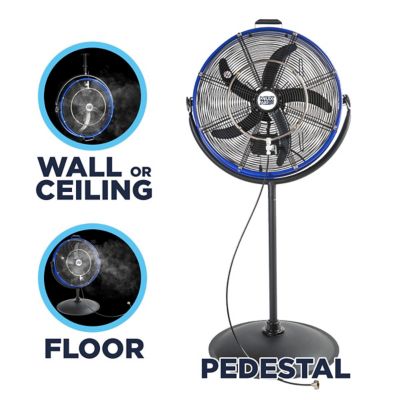
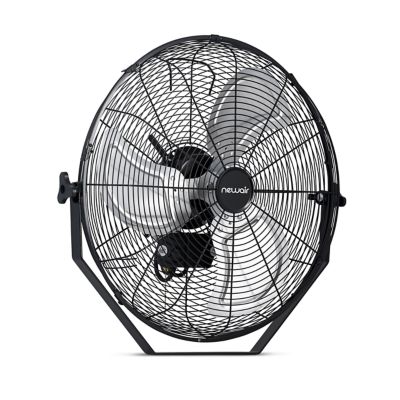
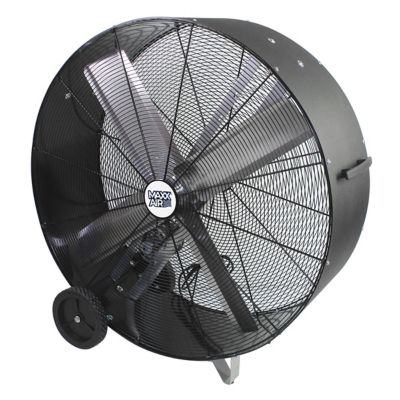
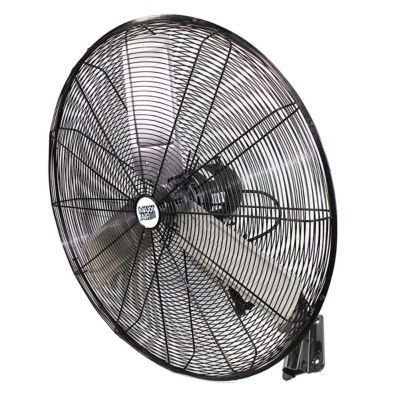
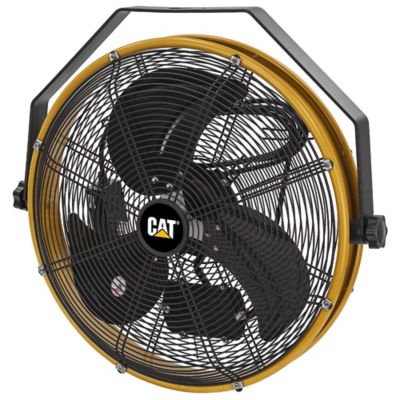
Choosing the right barn fan starts with looking closely at the space where it will be used. Measure the area, note the ceiling height and consider how much airflow is needed rather than choosing by size alone. A compact space may need a smaller fan with a focused breeze, while a large open barn usually benefits from stronger circulation that can reach across a wider area. Airflow ratings can help compare performance, but placement matters just as much. A fan aimed across a row of stalls may move air more effectively than one pointed directly at a wall, and using more than one fan can help eliminate still pockets in a long or divided building. Wall-mounted fans can save floor space in busy aisles, while portable styles offer flexibility for grooming areas, workshops or seasonal chores. Consider whether the fan will be exposed to dust, hay, humidity, splashing water or outdoor conditions, and look for construction and guards suited to that setting. A sturdy safety grille is important around children, pets and livestock, and cords should be routed where hooves, wheels and equipment cannot catch them. For permanent installations, make sure the electrical setup and mounting surface can safely support the fan; a qualified electrician can help with wiring, switches and placement when needed. Adjustable speed settings, tilt adjustment and simple controls are useful when conditions change from a hot afternoon to a cool evening. It is also worth checking how easy the grille and blades are to clean, since dust and chaff can build up quickly in a barn and reduce airflow over time. A quick inspection of fasteners, cords, guards and moving parts before regular use helps keep everyday chores safe and keeps the fan working as expected.
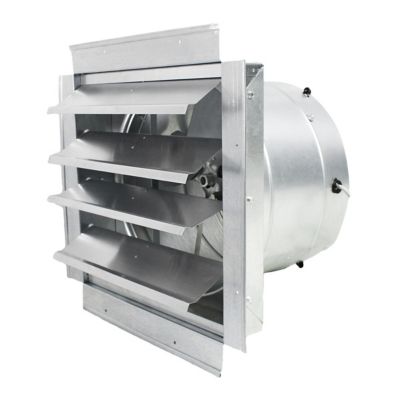
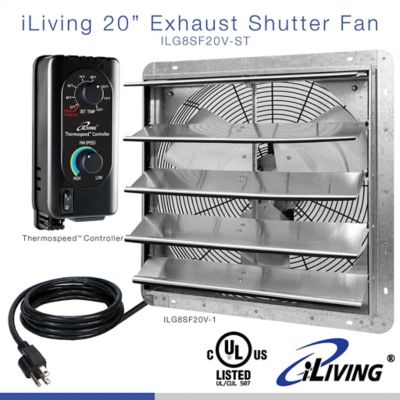
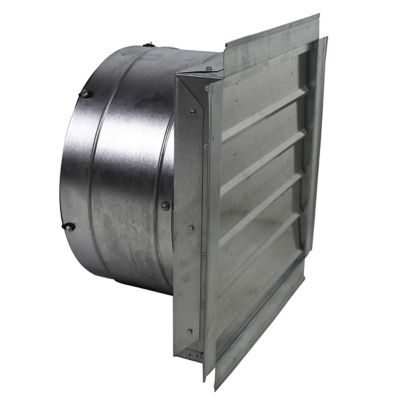
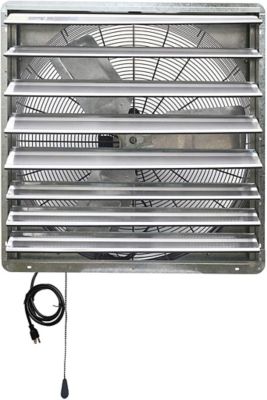
Barn fans are a practical choice for anyone caring for animals or maintaining a rural property, from a small hobby farm with a few horses to a busy operation with multiple buildings. They can also be a thoughtful gift for a new horse owner, a family adding a chicken coop, or a neighbor setting up a workshop, though the best choice depends on the building’s size, power access and intended use. Before bringing one home, think about where people and animals will stand, how air will enter and leave the building, and whether the fan needs to move air gently or cover a broad area. Position airflow so it improves circulation without blowing bedding, feed or loose dust directly toward animals, and avoid creating a strong draft on wet, young or vulnerable livestock. In a horse barn, many owners find that a fan near—but not directly over—a grooming or wash area helps make routine care more comfortable. In poultry or small-animal spaces, ventilation needs to be balanced with protection from drafts, especially when temperatures drop. For storage sheds, feed rooms and outbuildings, you may also want to compare barn fans with
Shed Fans to find airflow suited to the building. Regular cleaning is part of dependable performance: turn off and unplug the fan first, remove built-up dust according to the care instructions, and check that guards and mounting hardware remain secure. With thoughtful placement and routine upkeep, a barn fan can become one of those quiet workhorses that earns its place year-round, making long chore days easier on people and animals alike.