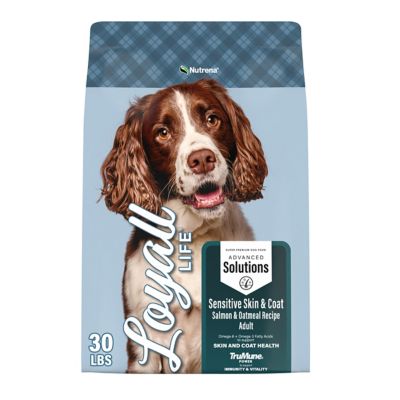
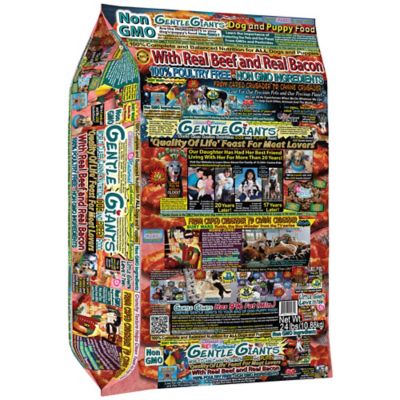
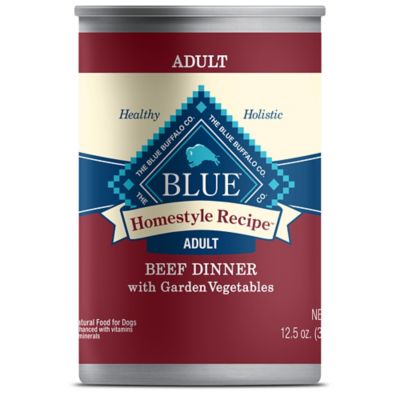
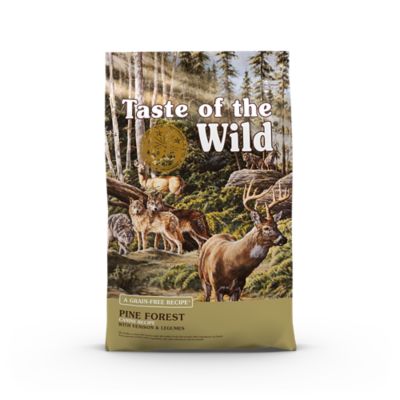
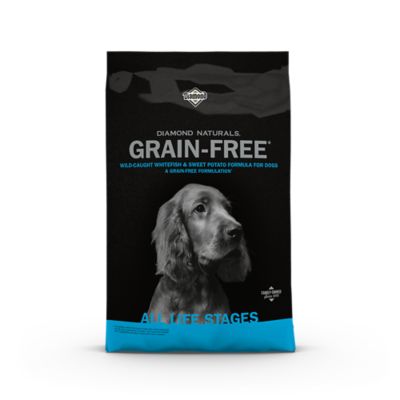
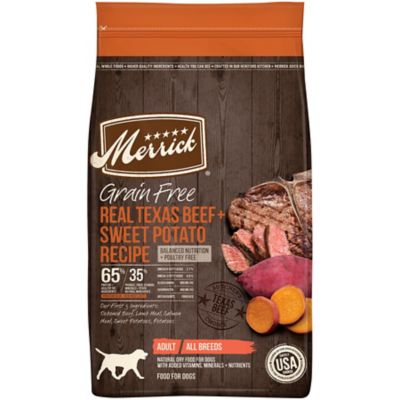
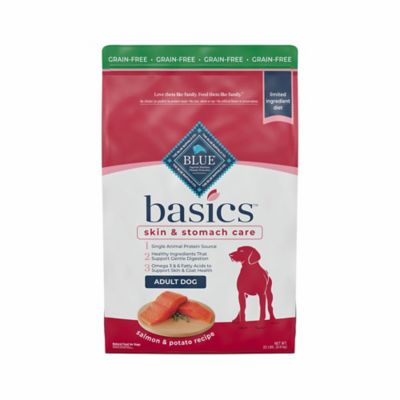
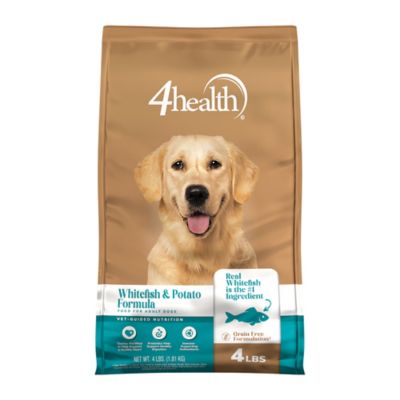
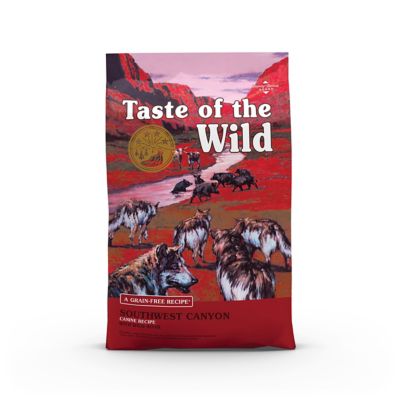
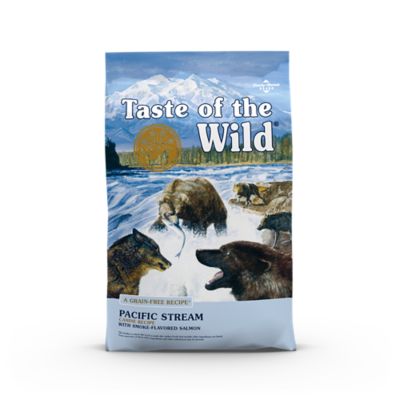
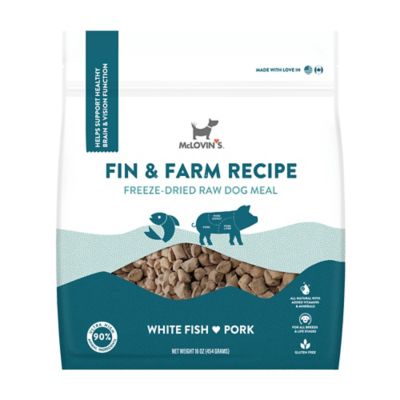
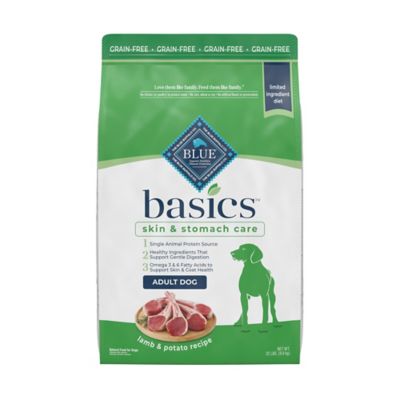
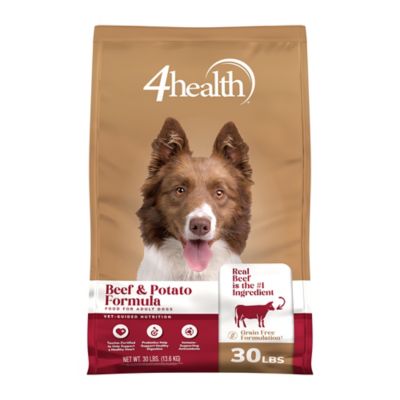
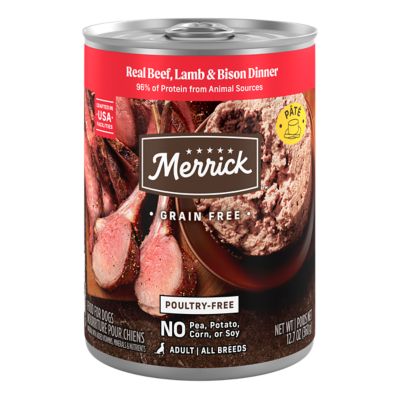
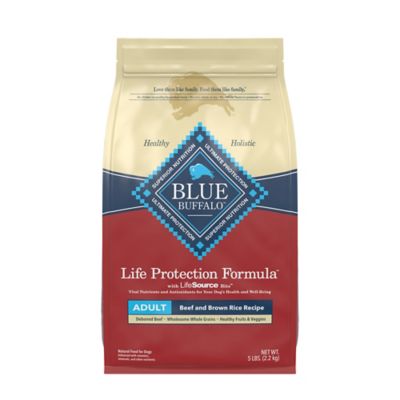
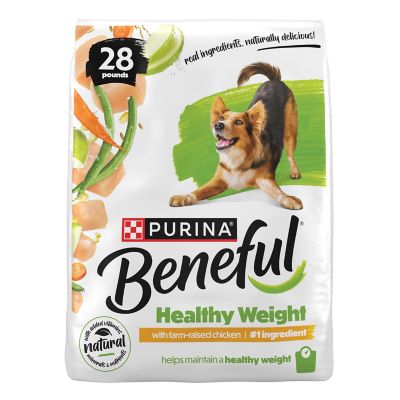
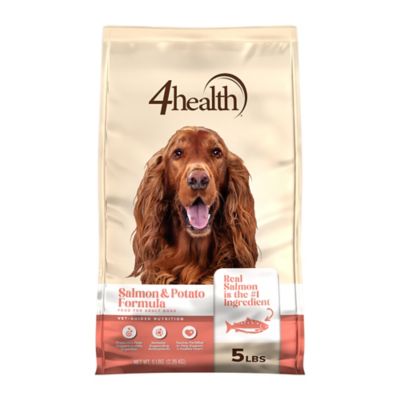
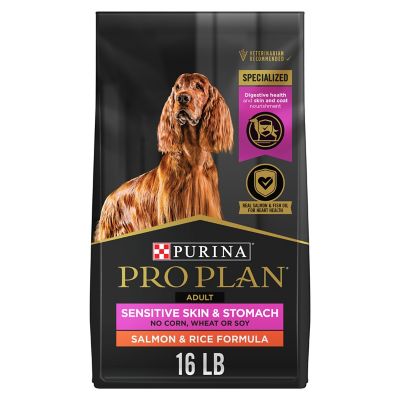
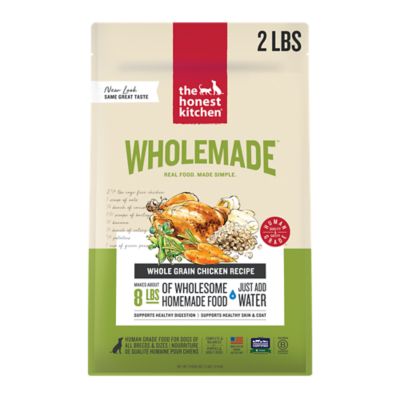
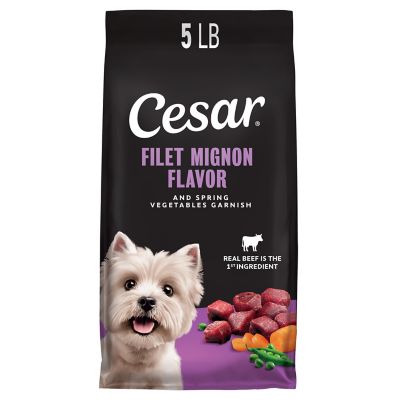
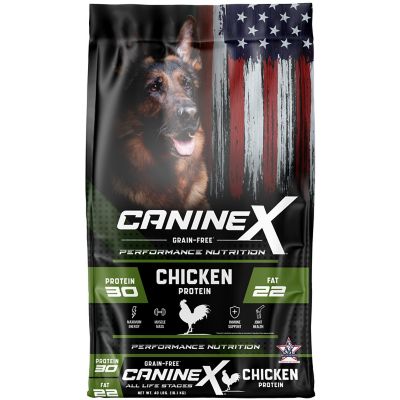
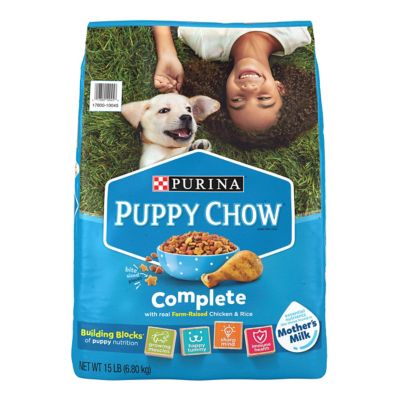
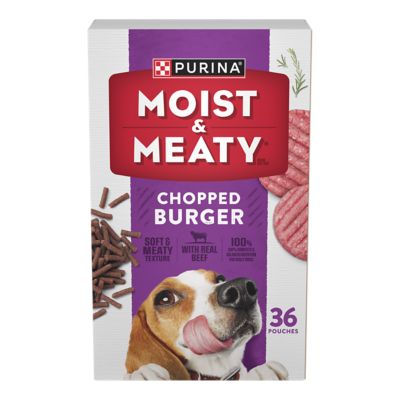
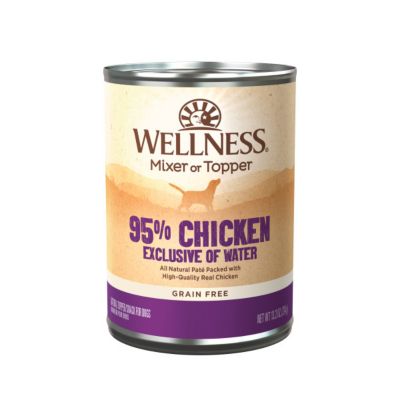
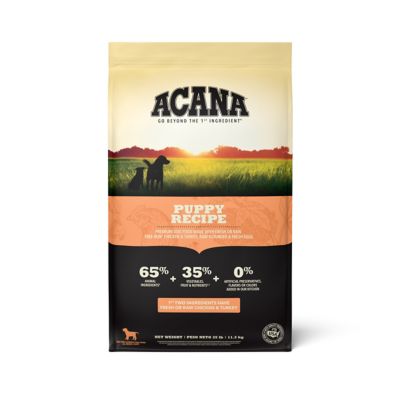
Finding a chicken-free dog food can make mealtime simpler for dogs that do not do well with chicken or for owners who prefer a different source of animal protein. This collection brings together food made without chicken as a featured ingredient, with recipes that may use salmon, lamb, beef, venison, duck, or other protein sources instead. Every dog is different, and a food that works well for one pup may not suit another, so take a close look at the full ingredient list before adding a new bag to the feed room. Chicken can show up in more places than you might expect, including chicken meal, poultry meal, poultry by-product meal, chicken fat, chicken broth, or natural flavoring. A recipe labeled with lamb, beef, or fish on the front of the bag is not always completely free of poultry, which makes the fine print especially important for dogs with a known sensitivity. If your veterinarian has recommended avoiding chicken, compare the ingredient panel and guaranteed analysis, and ask about any unclear wording before serving it. For dogs with a true food allergy, even small amounts of a problem ingredient may matter. A veterinarian can also help sort out whether itching, red ears, licking, loose stools, or other symptoms are related to food, seasonal irritation, or another health concern.
Choosing among chicken-free dog foods starts with your dog's age, size, activity level, and everyday routine. Puppies need food made for growth, while adult dogs generally need a maintenance formula, and senior dogs may benefit from recipes designed around changing activity levels and joint or weight-management needs. Large-breed and small-breed foods can differ in kibble size and nutrient balance, which is handy when a tiny terrier struggles with big pieces or a big farm dog gulps down a small bite too quickly. Dry kibble is easy to measure, store, and carry to the barn, campsite, or hunting cabin, while wet food can add moisture and make a meal more tempting for picky eaters or older dogs with tender teeth. Some households combine the two, mixing a spoonful of wet food into dry food without changing the dog's total daily calories. Grain-free options are available for shoppers who specifically want to avoid grains; browse
Grain-Free Dry Dog Food to compare those choices. Grain-free is not automatically better for every dog, and most dogs can digest grains just fine, so follow your veterinarian's advice when selecting a formula. Limited-ingredient recipes may be useful when you are trying to keep the ingredient list straightforward, but fewer ingredients do not replace a veterinary diagnosis. Always transition gradually over several days by mixing increasing amounts of the new food with the old. That slow change can help prevent the stomach upset that sometimes follows an overnight switch, especially during the busy cooler months when dogs spend more time indoors and their daily routine changes.
Chicken-free dog food can be a thoughtful choice for a new dog owner, a family caring for a sensitive-stomach rescue, or anyone stocking the pantry for a hard-working companion. It also makes a practical gift for a friend bringing home a dog with a known dietary restriction, though checking the dog's age, current food, and veterinarian's recommendations first is a good neighborly touch. For dogs that spend their days checking fence lines, riding along on chores, or curled up beside the woodstove, the right food helps provide dependable fuel for the life they lead. Look for a complete and balanced statement appropriate to the dog's life stage, and consider the protein source, calorie content, serving size, package size, and storage needs. A highly active dog may need a different calorie density than a laid-back house dog, while treats, toppers, table scraps, and supplements all count toward the daily intake. Fresh water should be available alongside every meal, whether your dog eats in the mudroom, kennel, porch, or pasture. Store dry food in a cool, dry place with the bag sealed tightly, and keep wet food refrigerated after opening according to the package directions. When the weather turns colder and exercise patterns shift, watch your dog's weight, energy, stool quality, coat, and appetite, then adjust portions with professional guidance if needed. Keeping notes during a food change can be helpful, especially if you are testing a new protein. With careful label reading and a gradual transition, a chicken-free recipe can fit neatly into a steady feeding routine built around your dog's individual needs.