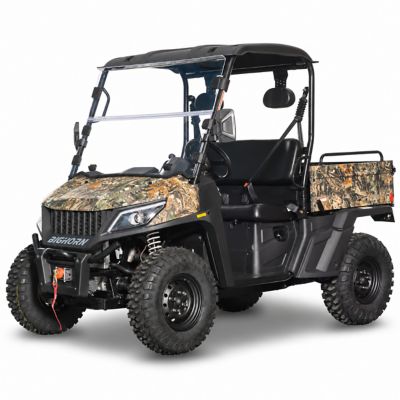
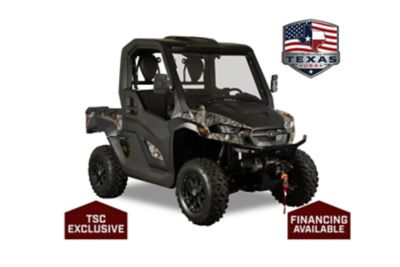
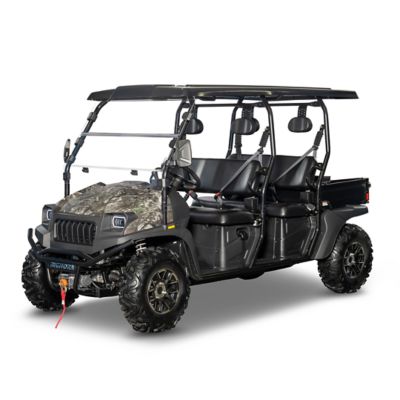
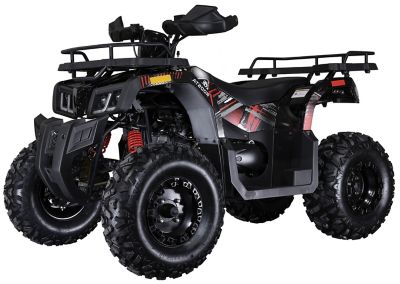
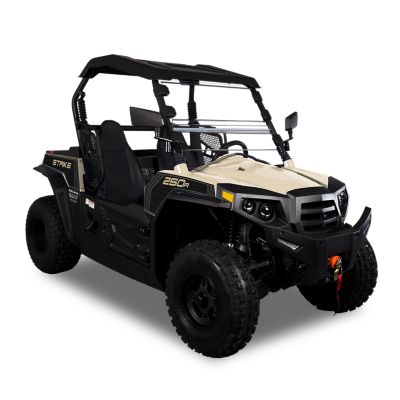
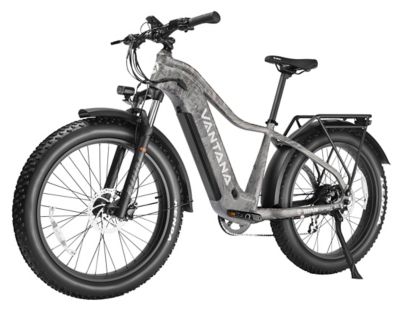
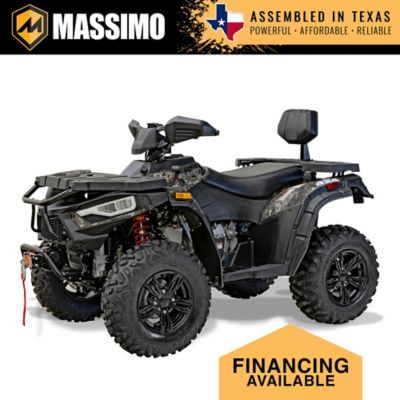
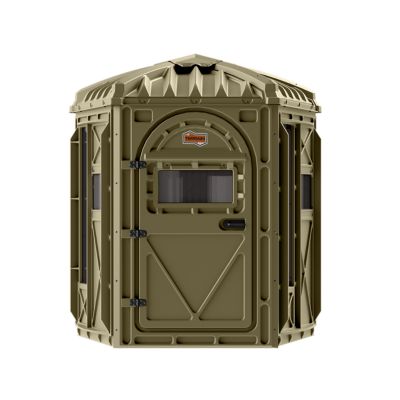
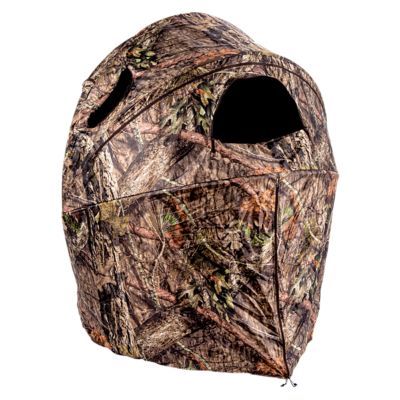
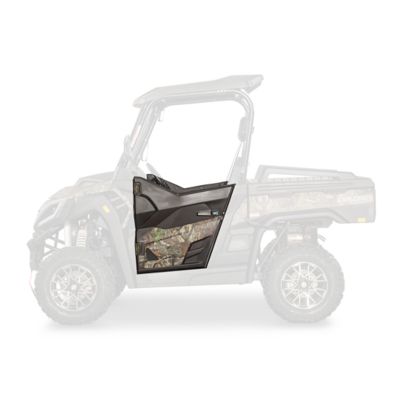
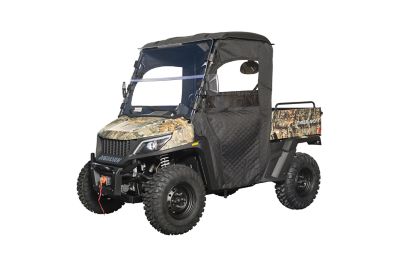
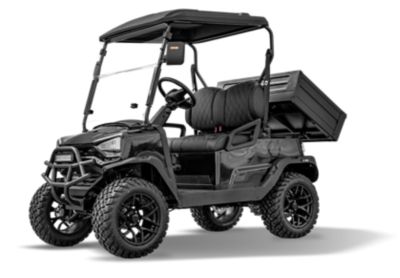
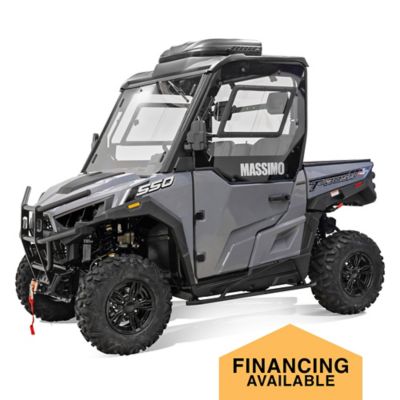
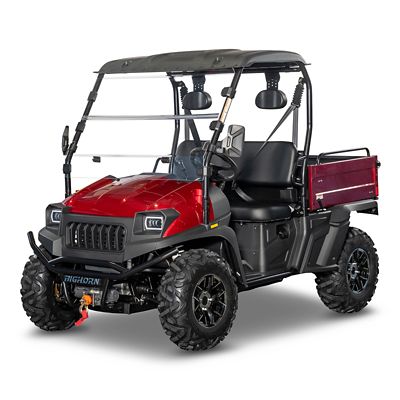
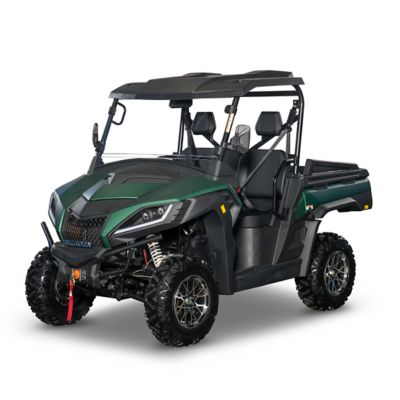
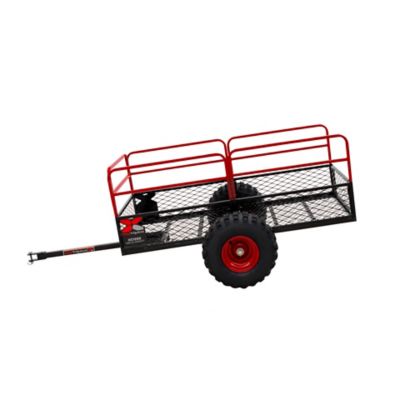
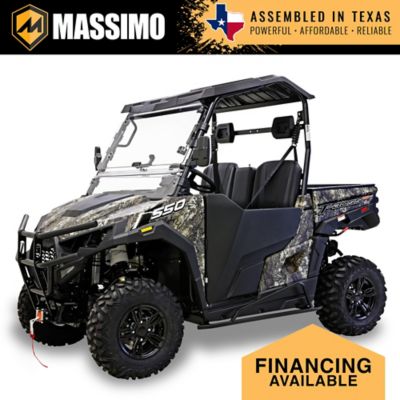
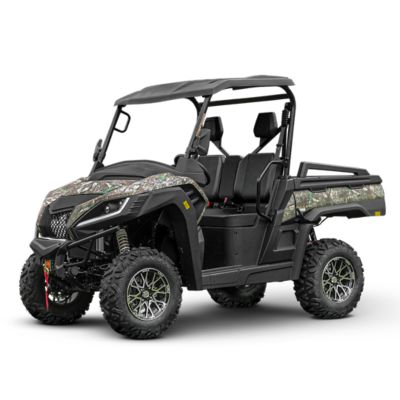
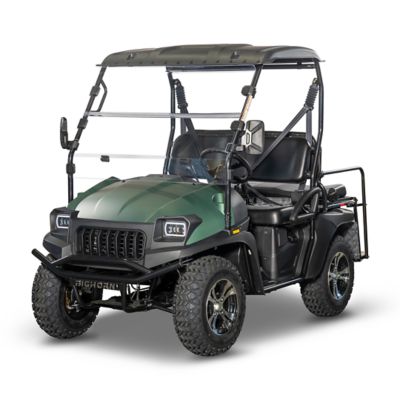
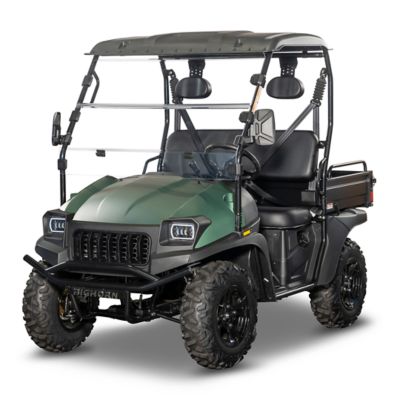
Hunting vehicles help hunters cover more ground, carry essential gear and reach backcountry spots that can be tough to access on foot. The right setup depends on the land you hunt, the distance from the road or camp, the weather you expect and the amount of equipment you need to haul. A full-size pickup or sport utility vehicle makes sense for highway travel, muddy access roads and long drives to a trailhead. These road-ready options offer room for coolers, packs, boots, firearms or bows, fuel cans and layered clothing, while an enclosed cargo area helps keep sensitive gear protected from rain, dust and cold air. A pickup bed is especially handy when the day ends with muddy boots, wet outerwear or game that needs to be transported without filling the cab with dirt and odor. Look for four-wheel drive or all-wheel drive capability, useful ground clearance, dependable tires and a suspension built to handle rough roads. Towing capacity matters if you plan to pull a small utility trailer, boat or camp setup, while payload capacity helps ensure the vehicle can safely carry passengers, equipment and harvested game. For narrow timber trails, steep fields and rough two-track paths, an all-terrain vehicle can provide nimble, low-impact transportation where a larger truck cannot fit. ATVs are useful for checking trail cameras, hauling feed or gear to a blind, scouting property and making short trips between camp and a hunting area. Their compact width can help them slip between trees and around tight bends, but every ATV has limits, and performance depends on the machine, the terrain and the load. Riders should pay attention to cargo racks, towing ratings, winch compatibility, tire tread, clearance and available storage. A side-by-side utility vehicle offers more room and a more comfortable seating position for two or more people, along with a larger bed, stronger towing capability and room for bulky equipment. Many are built for hard work around farms and hunting properties, making them useful for hauling firewood, fencing supplies, stands, feed and recovery equipment when they are not being used in the field. Enclosed cabs, windshields, roofs and heating options can add comfort during cooler weather, while open configurations provide easy access when loading and unloading gear. Electric hunting vehicles and electric utility models can be a good fit for hunters who value quieter travel, low maintenance and reduced exhaust around camp or a food plot. Their quiet operation may help limit unnecessary disturbance, though range, charging time, battery performance in cold conditions and access to a reliable charging location should be considered before purchase.
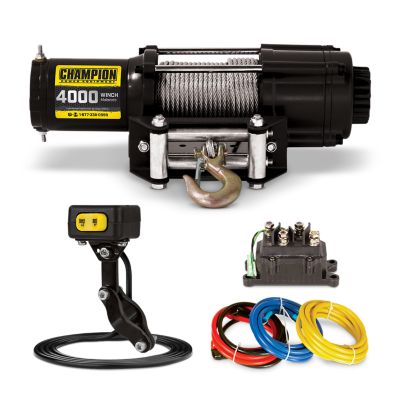
Terrain and cargo needs should guide the decision more than appearance alone. A vehicle that works well on a flat, maintained farm lane may not be suited for deep mud, loose gravel, rocky hills or wet timber. Walk around the property and think about the routes you actually use: the narrow trail behind the barn, the washed-out crossing near the creek, the rutted lane leading to a blind or the long gravel road between the gate and camp. Measure tight gates and trail widths, note steep grades and consider how much room is available for turning around. Ground clearance can help protect the underside when crossing roots, rocks and uneven ground, while a sturdy skid plate can add protection in rough country. Traction is important, but tires make a major difference as well. Mud-focused tread may perform well in soft ground but can be noisy or less comfortable on hard-packed roads, while more versatile tires can offer a balance for mixed terrain. Four-wheel drive, locking differentials and low-range gearing can help in challenging conditions, but they do not replace careful driving or sound judgment. Before loading up, check the manufacturer’s limits for rider capacity, cargo weight, tongue weight and towing. Keep heavy items low and centered, secure coolers and tools so they cannot shift, and avoid stacking gear where it blocks visibility or creates an unstable load. A front or rear winch can be valuable when a vehicle is stuck or when a heavy object needs to be moved, but use rated recovery points, proper straps and safe winching practices. Lighting, mirrors, storage boxes, gun or bow carriers and weather covers can make a long day in the field easier, and you can find additional options through
ATV Hunting Accessories. Match any add-ons to the vehicle’s electrical system and weight limits, and make sure accessories do not interfere with steering, braking, suspension travel or safe entry and exit. Hunters who travel before daylight should look for dependable lighting and reflective details for loading and unloading around camp, while those working during the warmer part of the season may appreciate ventilation, water-resistant storage and easy-clean surfaces. During cooler months, insulated layers, enclosed seating and protected controls can make a noticeable difference when a quiet morning starts with frost on the seat and damp grass brushing against the trail.
Hunting vehicles can also be a practical gift for a landowner, outdoorsman, guide, farmer or family member who spends time maintaining property and pursuing game. Smaller gifts and add-ons are often easier to tailor because they can improve an existing ATV, utility vehicle, truck or SUV without requiring a major purchase. Before choosing anything, consider the recipient’s vehicle type, storage space, trail conditions and usual hunting routine. Someone who hunts from a permanent camp may value cargo organization, recovery gear and weather protection, while a hunter who drives long distances may need road-ready storage, comfortable seating and equipment that can be removed when the vehicle is used for everyday work. A person managing a large farm may use the same vehicle for checking livestock, repairing fence, carrying supplies and reaching remote fields, so durability and easy maintenance are especially important. Safety belongs at the center of every trip. Follow local laws governing registration, road use, helmets, lighting, firearm transport and access to public or private land. Stay on designated trails, respect posted boundaries and avoid riding across wet ground when it could cause lasting damage. Wear appropriate protective equipment, tell someone where you are going and carry communication, water, basic tools and a first-aid kit. Check fuel, battery charge, tire pressure, fluids, brakes, steering and lights before leaving camp, especially after a vehicle has sat through wet weather or dusty summer conditions. Keep firearms unloaded and secured according to local rules during transport, and separate gear so a quick stop does not turn into a loose pile in the cab or cargo bed. Good preparation often matters more than horsepower. A dependable vehicle, a sensible load and a clear plan can turn a rough ride into a smooth arrival at the stand, blind or food plot, with less time spent wrestling mud and more time focused on the hunt.