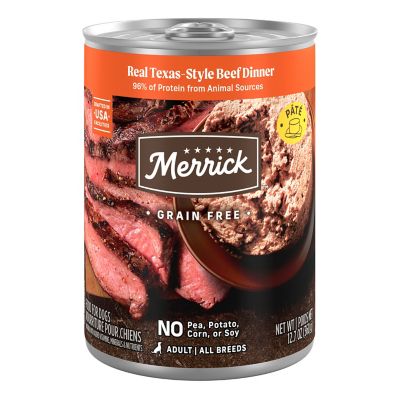
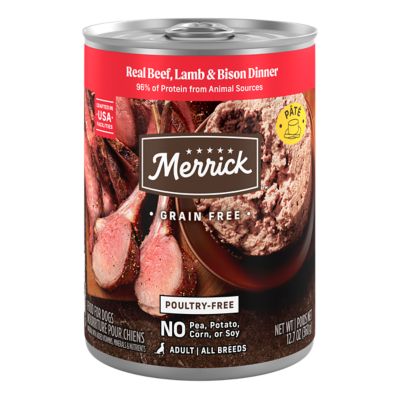
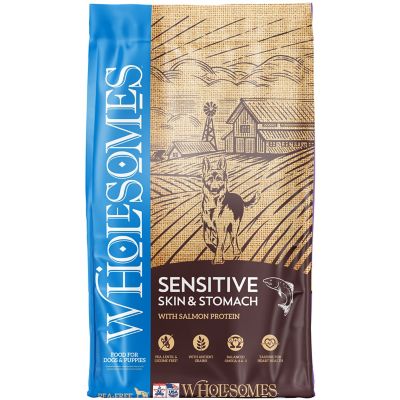
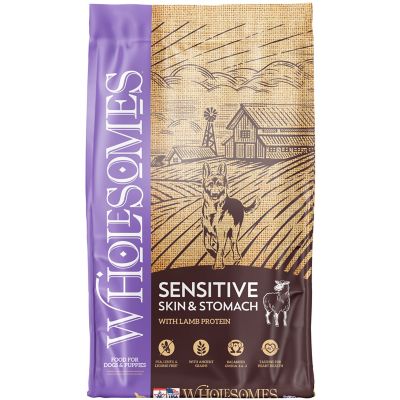
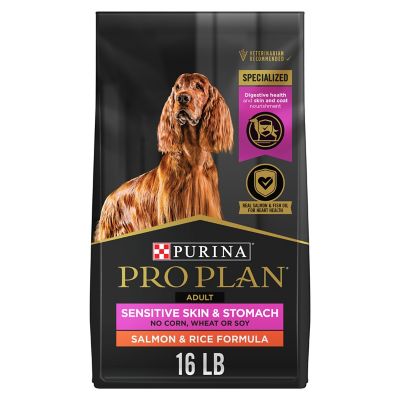
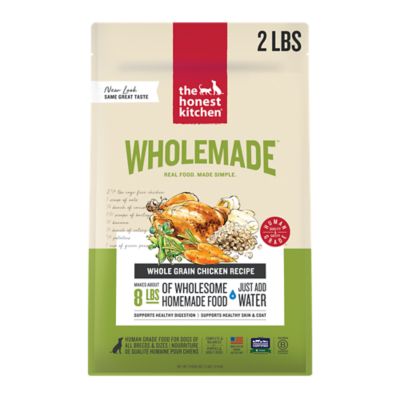
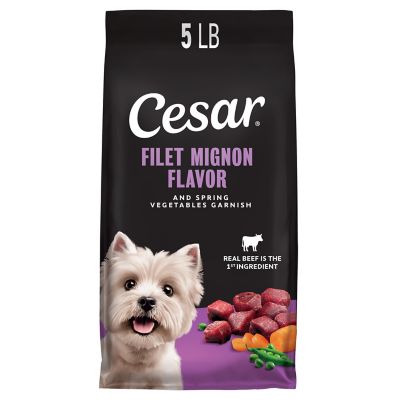
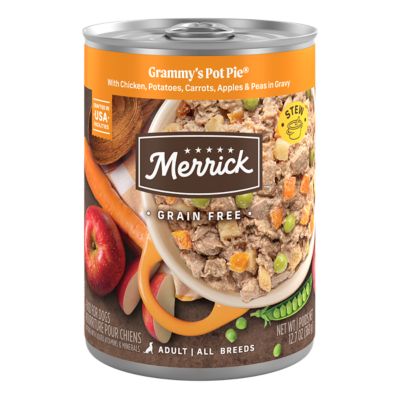
Pea free dog food gives shoppers another way to narrow down meal choices for dogs whose owners prefer recipes without peas, pea protein, pea fiber, or other pea-based ingredients. Peas may appear in dry kibble, canned meals, toppers, treats, and some freeze-dried or raw-style foods, so checking the full ingredient panel matters. A recipe described as grain free, legume free, or limited ingredient may still contain peas unless the label says otherwise. Look for clear ingredient information and review the complete recipe rather than relying only on the front of the bag or can. Some shoppers seek pea free food because their dog seems to have gas, loose stools, itching, or other signs of food sensitivity after eating certain recipes, while others are responding to a veterinarian’s advice or choosing to limit legumes as part of a broader feeding plan. There has also been ongoing research into possible connections between certain diets containing substantial amounts of peas and other legumes and canine dilated cardiomyopathy, a heart condition. Research and veterinary guidance continue to develop, so a pea free recipe should not be treated as a cure or a substitute for professional care. If your dog has a heart condition, recurring digestive trouble, food allergies, or changes in appetite or energy, talk with a veterinarian before switching foods. A simple food diary can help you keep track of meals, treats, stool changes, scratching, and other details that may be useful during that conversation. The right choice depends on more than one ingredient: your dog’s age, size, activity level, dental needs, body condition, and any medical concerns all deserve a place in the decision.
Pea free foods come in several forms, making it easier to match mealtime with the way your household runs. Dry kibble is easy to portion and store, and it works well for families feeding more than one dog or setting up meals before a busy morning in the barn. Wet food offers a softer texture and extra moisture, which can be helpful for some older dogs or dogs that are particular about texture. Freeze-dried and raw-style recipes may be served as a complete meal or added in small amounts as a topper, but read the feeding directions closely and confirm whether the product is intended to provide complete and balanced nutrition or only to complement another food. Limited-ingredient recipes may appeal to owners who are trying to keep the ingredient list simple, while grain-inclusive formulas can provide another option for dogs that do well with grains such as rice, barley, or oats. The absence of peas does not by itself determine whether a food meets your dog’s nutritional needs, and a grain-free label does not automatically mean a recipe is pea free. Compare the guaranteed analysis, calorie information, feeding directions, and life-stage statement. Puppies, pregnant or nursing dogs, and large-breed puppies have different nutritional needs than mature dogs, and senior dogs may benefit from a texture or calorie level that fits their changing routine. Transition gradually over several days by mixing increasing amounts of the new food with the old food. Moving too quickly can cause stomach upset, even when the new recipe is a good match. Keep fresh water available, store food in a cool, dry place, and measure portions with a consistent scoop or kitchen scale. If your dog tends to gulp meals, a slow feeder or smaller portions spaced through the day may help make mealtime calmer.
When comparing pea free dog food, start with the needs of the individual dog rather than the loudest claim on the package. A working dog that spends cool mornings outdoors may need a different calorie plan from a small companion that naps by the woodstove, even if both need a recipe without peas. Watch body condition over time: you should be able to feel the ribs beneath a light covering, and your dog should move comfortably without carrying excess weight. Consider protein sources your dog has eaten successfully, the texture they accept, and whether the food fits your storage space and feeding schedule. If you are shopping for a new puppy, an older dog joining the family, or a friend’s dog as a thoughtful gift, a small bag, single cans, or a topper can be a practical way to offer a new option without committing to a large quantity. It is best to check with the dog’s owner before gifting food, since some dogs have allergies, medical diets, or strict feeding routines. For households managing several pets, keep each animal’s food clearly labeled and supervise shared meals so one dog does not finish another’s portion. Ingredient panels can change, so review the label each time you make a new purchase, especially when comparing different bag sizes or recipe varieties. Shoppers seeking additional ingredient filters may also want to browse
No Wheat Dog Food. During the cooler months, many dogs spend more time indoors, and a steady feeding routine can help keep meals, exercise, and bathroom breaks on track as daylight and weather shift. Whether you choose kibble, wet food, or a freeze-dried option, pea free dog food is one way to focus the search around your dog’s particular needs while keeping ingredient details, portion size, and veterinary guidance in view.