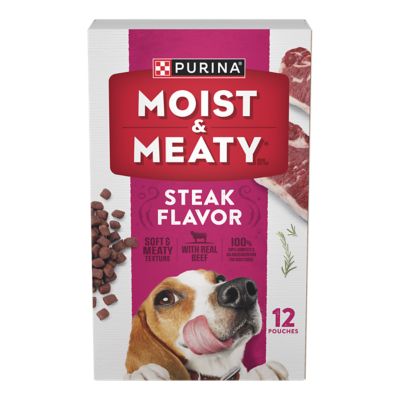
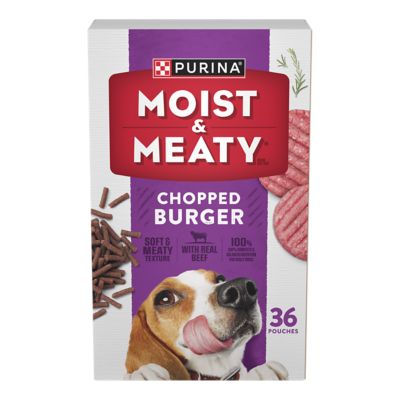
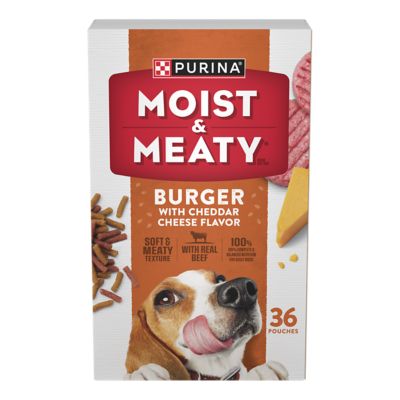
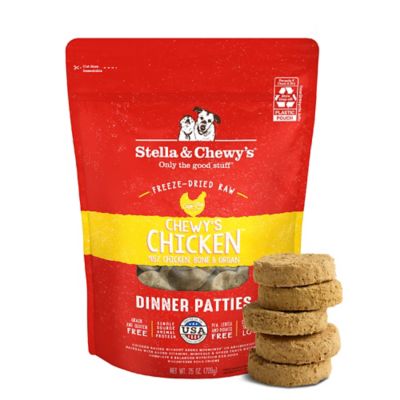
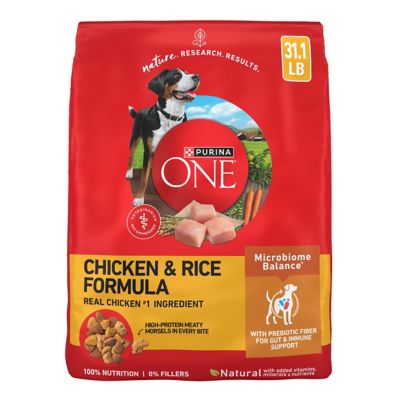
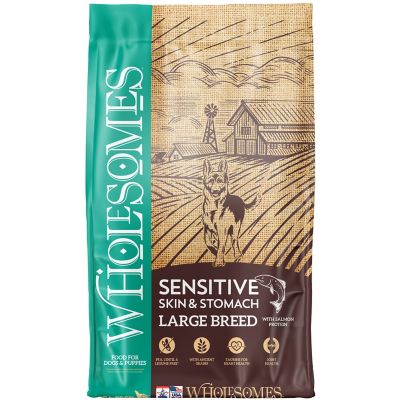
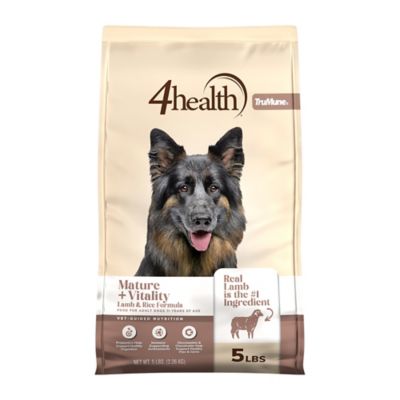
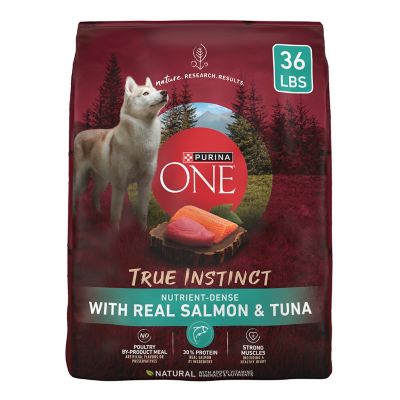
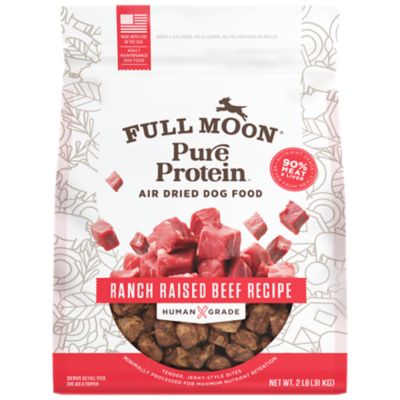
Soft dry dog food brings a tender or chewy texture to the feed bowl without necessarily having the spoonable consistency of canned food. The term can describe semi-moist meals, soft morsels, or dry kibble blended with tender pieces, so the texture can vary quite a bit from one recipe to another. Semi-moist dog food generally holds more moisture than conventional dry kibble, while mixed-texture formulas may still include plenty of crunchy bites. That distinction matters for a dog that leaves hard pieces scattered around the bowl but finishes the softer ones. A tender texture may be easier for some dogs to manage, including older companions or dogs with fewer teeth, though softness alone does not make a food suitable for every dental condition. Trouble chewing, dropped food, bleeding gums, or a sudden reluctance to eat calls for a veterinarian’s attention rather than just a different supper. For a healthy dog that simply prefers a little chew in each bite, soft dry food can offer a different eating experience while keeping portions straightforward to measure. It can also appeal to pet owners who want a food that is easy to serve before morning chores or after an evening walk down the lane. Package descriptions help separate fully tender meals from crunchy-and-soft blends; a bag labeled with tender pieces does not mean every bite will be soft. Air-dried and freeze-dried foods belong to different processing categories and are not automatically tender, either. Some are firm, some crumble, and some are intended for rehydration according to the package directions. Moisture content on the guaranteed analysis offers another useful clue, but it cannot tell the whole story about how a bite feels. Piece size, shape, and formulation matter, too. Small bites may suit a little dog’s mouth, while a larger dog may handle a different size comfortably. The best match starts with the dog’s chewing ability, nutritional needs, and usual eating habits—not texture alone.
A soft dry dog food still needs to fit the job it is meant to do, whether that is providing a full daily diet or adding a little variety to another meal. Look for a nutritional adequacy statement indicating that the food is complete and balanced for the appropriate life stage. Treats, toppers, and foods labeled for intermittent or supplemental feeding are not substitutes for a complete daily diet. Puppies need nutrition for growth, and large-breed puppies need a formula appropriate for their particular growth requirements. Adult dogs need maintenance nutrition, while older dogs may need individual adjustments based on body condition, activity, and health rather than age alone. A cattle dog covering ground alongside chores and a small companion spending most of the day near the kitchen table can have very different calorie needs, even when both enjoy tender bites. Calories per cup or package help put serving sizes in perspective because equal scoops of two foods may supply different amounts of energy. Feeding directions provide a starting point, with portions adjusted to help maintain a healthy body condition. Ingredients such as animal proteins, grains, vegetables, fats, vitamins, and minerals contribute to the overall recipe, but the ingredient list alone does not establish whether a food fits a particular dog. Some semi-moist formulas contain ingredients that help retain moisture and keep the pieces pliable; these ingredients do not by themselves make the food better or worse for every pet. Dogs with a diagnosed food allergy or a condition requiring limits on fat, sodium, or other nutrients need a veterinarian-directed choice. Grain-free labeling and a short ingredient list do not guarantee easier digestion. When comparing tender meals with other
dry dog food, consider life-stage suitability, calorie density, feeding directions, and the actual mix of textures. Flavor preferences matter, but steady appetite, comfortable digestion, and an appropriate body condition are more useful signs that a daily food is working well.
Everyday handling makes a difference with soft dry dog food, especially when the household feeding routine has to fit around work, school, and animals waiting at the gate. Packaging may include resealable bags or individual pouches, and the storage directions deserve a close look because moisture levels and package designs differ. Shelf-stable before opening does not necessarily mean a food can sit out indefinitely afterward. Follow the label for sealing, refrigeration, and the time allowed after opening, and keep unopened food in a cool, dry place away from direct sunlight. A spot beside a damp mudroom door or in a shed with wide temperature swings is not a good substitute for suitable indoor storage. When practical, keep food in its original packaging inside a clean container so the feeding directions, lot number, and best-by date stay close at hand. Wash bowls and measuring utensils regularly, and clear away leftovers according to the package instructions. If a familiar hard kibble needs a softer consistency, adding warm water and allowing it to soak may help when the food’s directions permit it. The result is moistened kibble rather than a commercially prepared semi-moist meal, and it needs prompt serving and careful handling once water is added. Warm means comfortably warm, not hot enough to burn a dog’s mouth. A complete wet food can add moisture to a meal as well, although simply stirring it into kibble does not instantly soften every hard piece. Any addition changes the portion calculation, so account for those calories instead of piling extra food onto the usual serving. When switching recipes, a gradual transition over about seven to ten days often helps reduce digestive upset unless a veterinarian recommends another schedule. Start with a small amount of the new food alongside the familiar meal and increase it gradually while watching appetite and stool consistency. Keep fresh drinking water within reach regardless of the food’s moisture content. With a suitable formula, sensible portions, and storage that follows the label, tender dog food can fit neatly into a steady feeding routine, from the first bowl before daylight to supper after the chores are done.