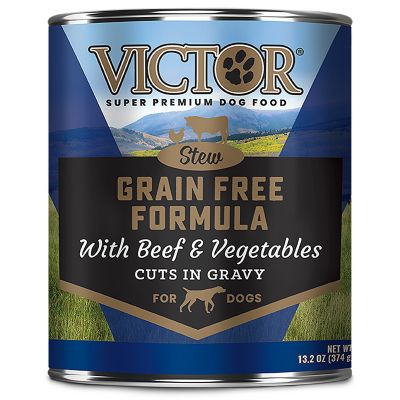
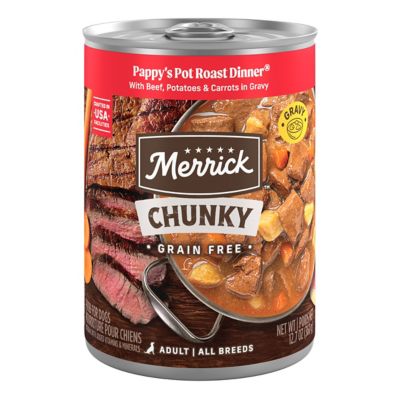
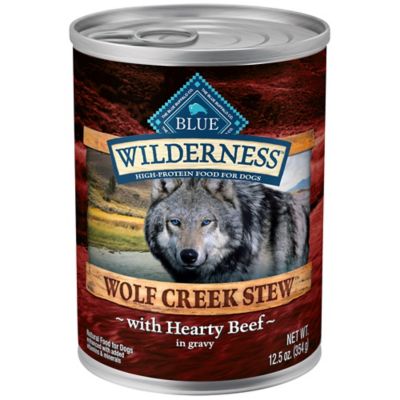
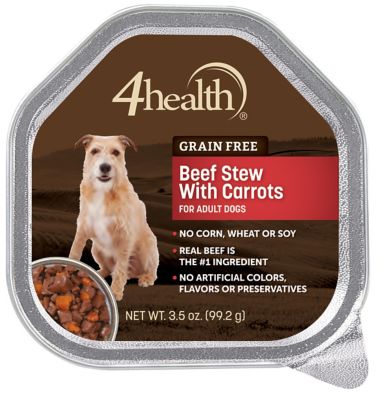
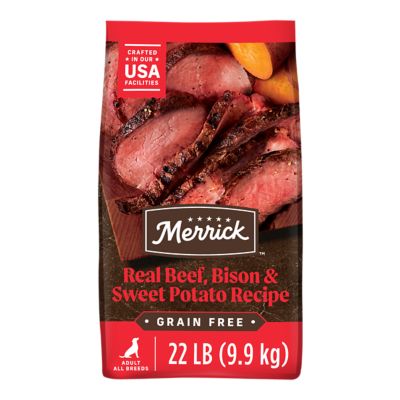
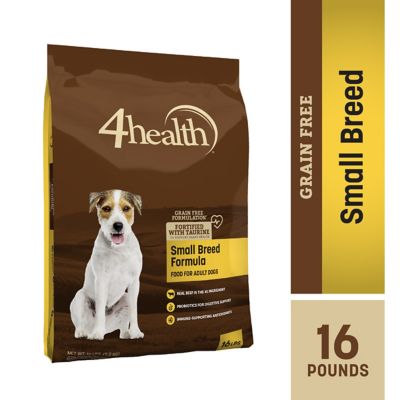
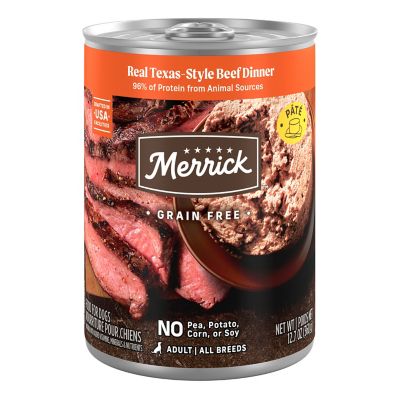
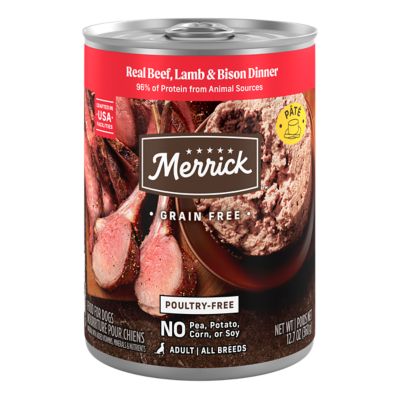
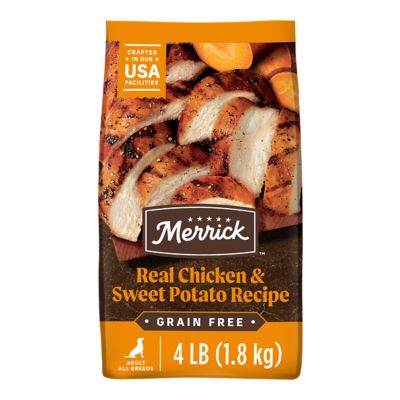
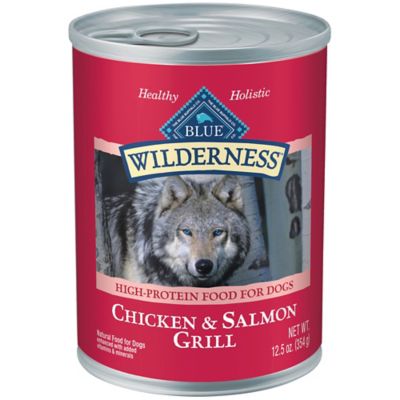
Grain free beef dog food can be a practical choice for shoppers looking for a beef-forward recipe without corn, wheat, rice, barley, oats, or other grains. These formulas are made for a range of dogs, from energetic farm dogs that spend their days moving across the property to house companions that prefer a steady routine by the back door. Beef may appear as fresh beef, beef meal, or another beef ingredient, so checking the ingredient panel helps you see how the recipe is built. Some shoppers look for beef near the beginning of the list, while others focus on the full balance of protein, fat, fiber, vitamins, and minerals. Since grain-free recipes often rely on peas, lentils, potatoes, tapioca, or other plant ingredients in place of grains, it is worth reading beyond the front of the bag or can. Compare calorie content, serving guidance, package size, and the intended life stage, especially when feeding a puppy, adult dog, senior dog, or a dog with a naturally low or high activity level. A working dog that runs fence lines and rides along in the truck may need a different amount than a smaller companion that spends cooler afternoons curled up on the porch. Look for a statement showing that the food is complete and balanced for your dog’s life stage, and keep your dog’s size, body condition, chewing habits, and daily exercise in mind as you shop.
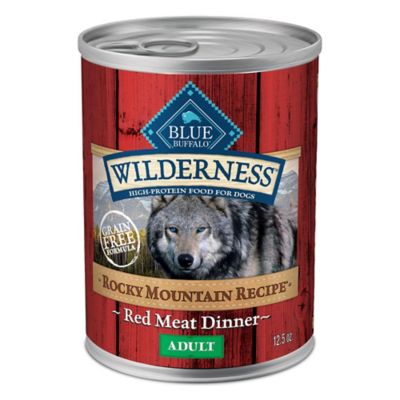
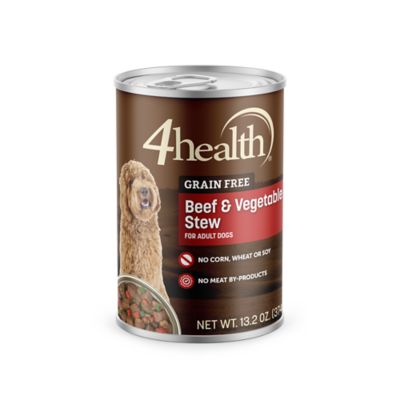
Grain free beef dog food is available in several forms, each fitting a different routine. Dry kibble is easy to measure, simple to store, and handy for filling a bowl before chores or placing a portion in a travel container for a day on the road. Wet food brings extra moisture and a softer texture, which can suit dogs that have trouble chewing crunchy pieces or simply prefer a meaty meal. Shoppers comparing wet recipes can browse
Grain Free Wet Dog Food for additional options. Dehydrated food is another format; it is mixed with water before serving and can be useful for households that want a lighter package or a meal with a softer texture. Whatever form you choose, measure portions instead of relying on a heaping scoop, and adjust gradually if your dog’s weight, appetite, or activity changes. A fresh bowl of water should always be available, including during the cooler months when dogs may not show thirst as clearly. When changing foods, blend the new recipe with the old one over several days, slowly increasing the new food while watching stool, appetite, energy, and comfort. A quick switch can upset even a dog with an iron stomach. Store dry food in a cool, dry place with the bag closed tightly, and keep wet or prepared food chilled according to the package directions. Treats, toppers, table scraps, and training rewards count toward daily intake, too, so include them when planning meals.
The right recipe depends on the individual dog, not just the meat named on the front. A veterinarian can help decide whether a grain-free diet makes sense for your dog’s health history, especially if your dog has allergies, digestive concerns, a heart condition, or a history of gaining weight easily. Food sensitivities can involve several ingredients, and beef itself may not suit every dog, so keep notes when introducing a new recipe and share any changes with your veterinary team. Signs such as ongoing itching, repeated ear trouble, vomiting, diarrhea, a sudden drop in appetite, or changes in energy deserve prompt attention rather than a series of food changes made without guidance. For a healthy dog, a grain-free formula is not automatically necessary, and grains are tolerated by many dogs; the main goal is a balanced meal that fits the dog in front of you. This category can be useful for shoppers who already have veterinary guidance, prefer to avoid grains, or are comparing recipes with different protein and carbohydrate sources. Beef recipes may also suit households that like the hearty scent of a meaty meal at feeding time, whether the bowl is set down after a morning of gathering eggs or at the end of a brisk walk during cooler weather. If giving dog food as a gift, choose a sealed package in an appropriate life-stage formula only when you know the dog’s current diet, food sensitivities, and preferred texture. Otherwise, a gift card or a quick check with the dog’s owner is the safer route. Careful label reading, a measured feeding routine, a slow transition, and veterinary input can help make grain free beef dog food a sensible part of daily care.