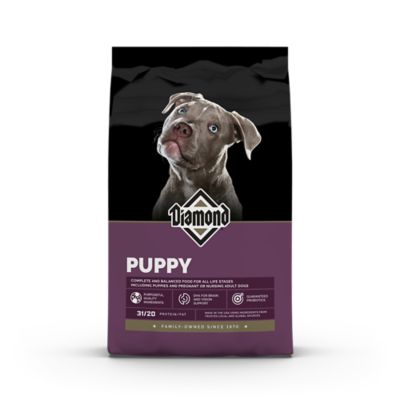
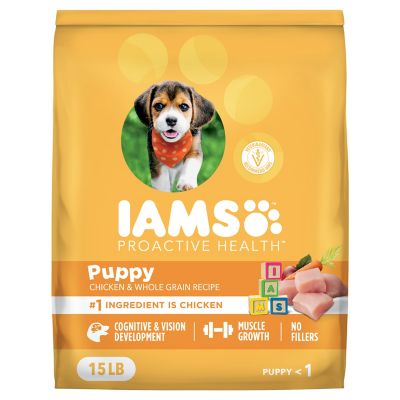
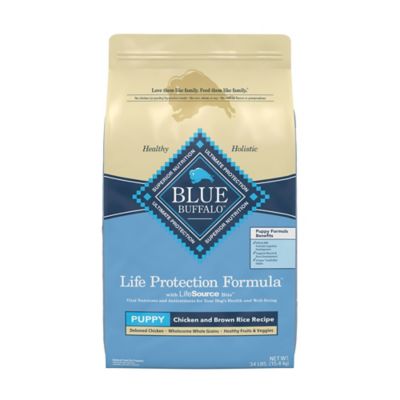
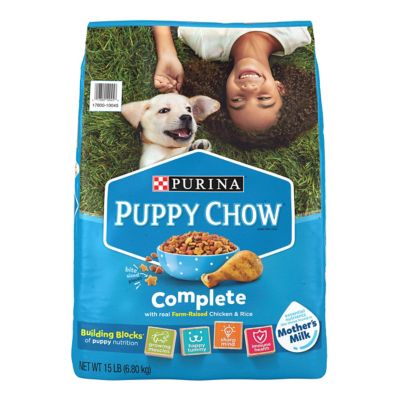
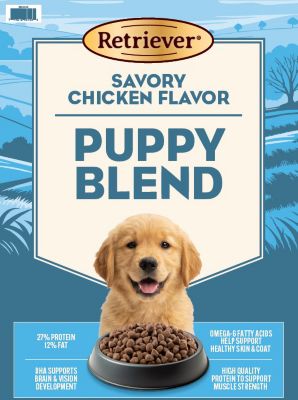
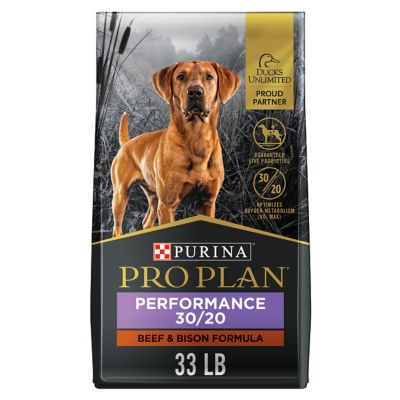
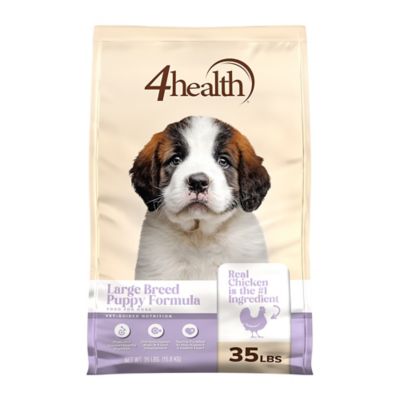
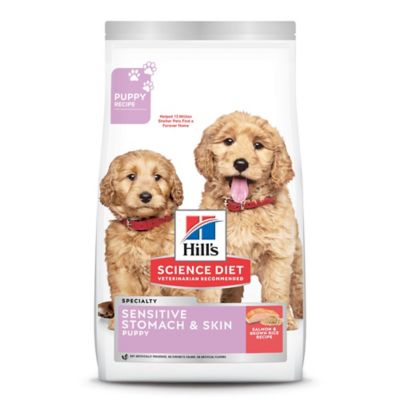
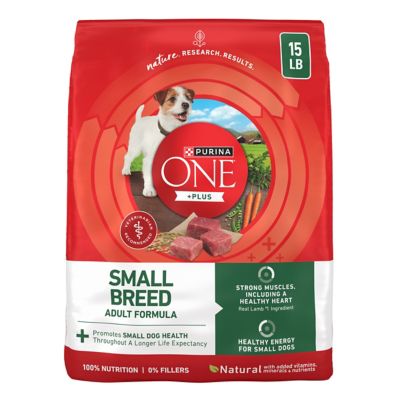
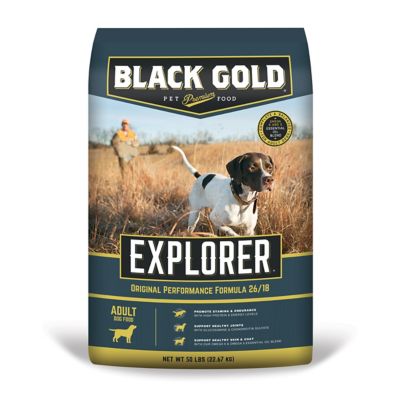
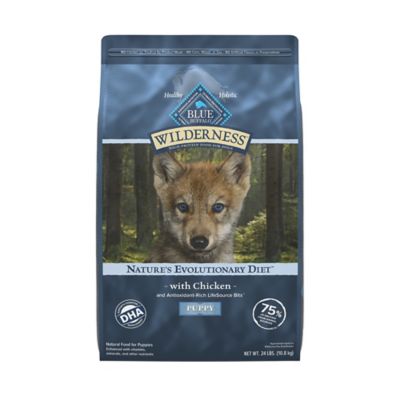
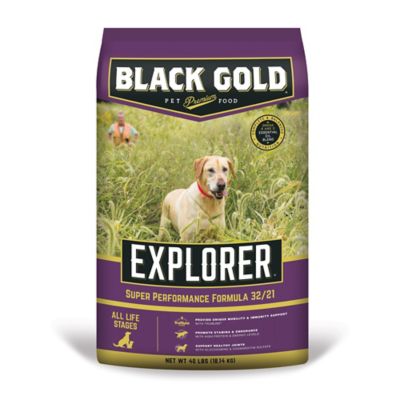
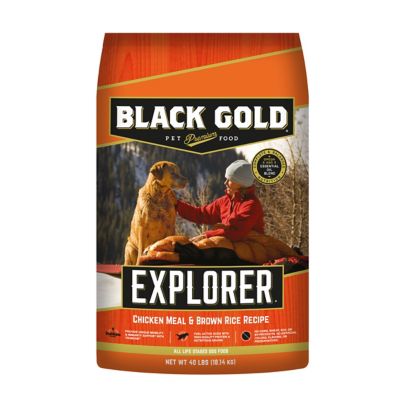
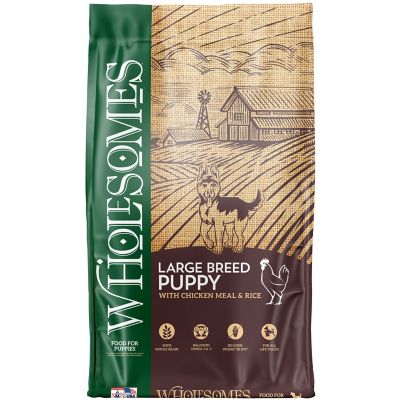
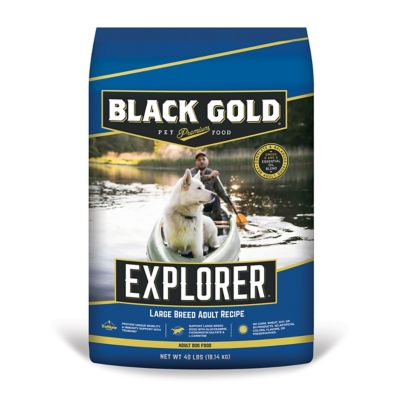
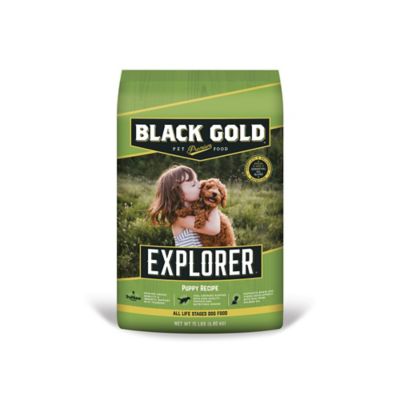
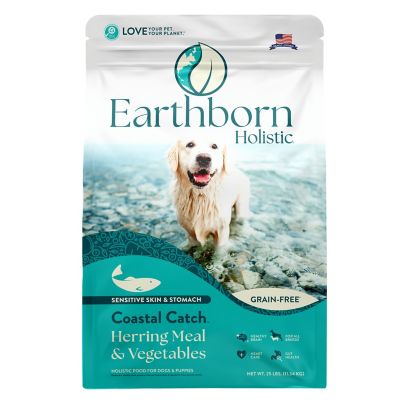
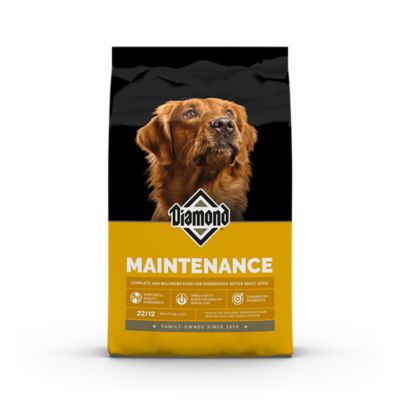
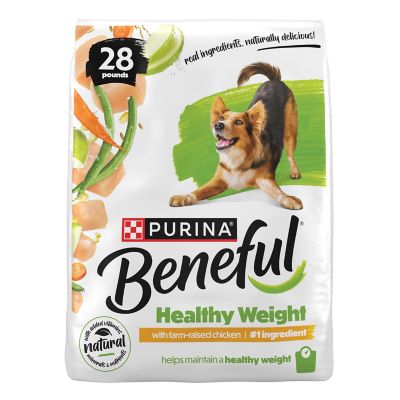
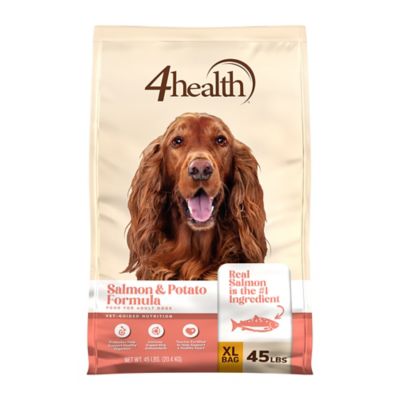
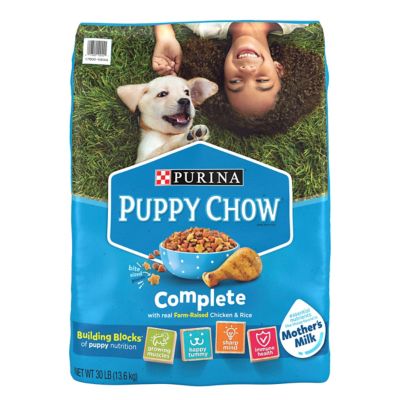
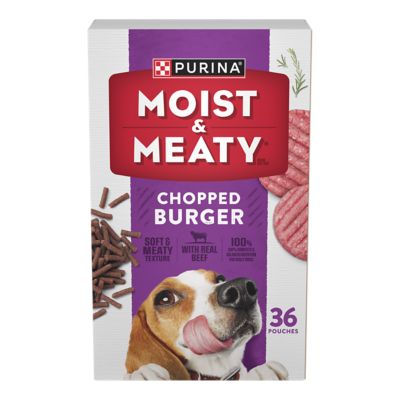
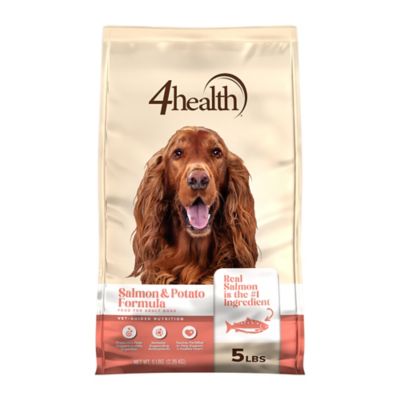
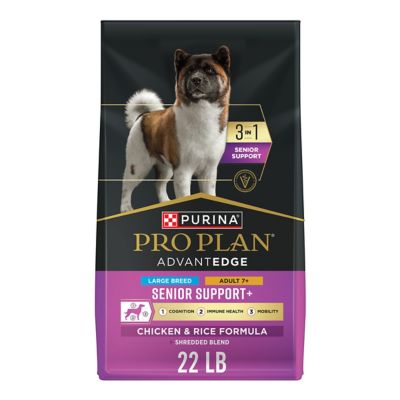
Dry puppy food puts the nutrients a growing dog needs into bite-size kibble that’s easy to measure, serve and tuck away between meals. The right fit depends on age, expected adult size, health and how well a puppy eats and digests the formula—not just the flavor pictured on the bag. Puppy diets support a stage of life when bones, muscles and other tissues are developing quickly, so adult maintenance food isn’t a straight swap. A useful starting point is the nutritional adequacy statement: look for food described as complete and balanced for growth, or for all life stages, under Association of American Feed Control Officials (AAFCO) nutrient profiles or feeding trial procedures. AAFCO establishes nutritional standards; it does not approve individual foods. That distinction helps separate meaningful label information from a big promise on the front of a package. Protein supplies amino acids for developing tissues, fat provides concentrated energy and essential fatty acids, and a balanced mix of vitamins and minerals supports normal growth. Some formulas also contain DHA, an omega-3 fatty acid associated with brain and vision development. Whether a pup is settling into a farmhouse kitchen or learning to nap beside the family couch, the goal is steady development and a lean body condition rather than the fastest possible weight gain. Dry food can make that routine easier because portions are straightforward to track, including a little kibble set aside for name practice and coming when called. For a broader look at nutrition-focused choices,
Healthy Puppy Food offers a related place to browse. A veterinarian can help match a formula to a puppy’s growth pattern, especially when breed mix makes adult size hard to predict. Food that suits one littermate may not be the best match for another with a different appetite, activity level or medical need.
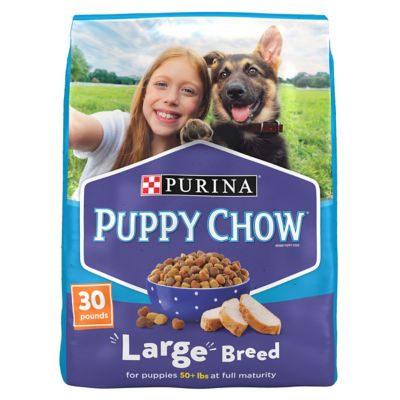
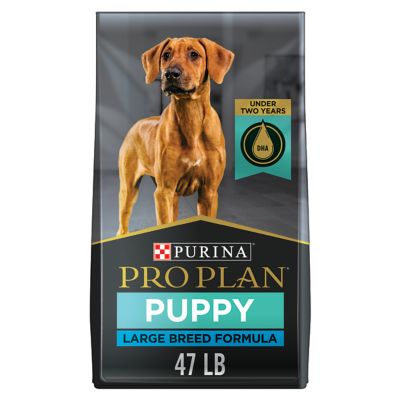
Breed size matters in dry puppy food because a little terrier and a future livestock guardian don’t grow at the same pace or need the same feeding approach. Small-breed puppy formulas often have smaller kibble pieces and concentrated calories, which can help a small mouth and stomach manage mealtime. Kibble shape and size should let a puppy pick up and chew the food comfortably; coughing, trouble swallowing or repeated difficulty eating deserves a conversation with a veterinarian. Large-breed puppy food is formulated to support controlled growth, with particular attention to calcium and energy intake. For a puppy expected to weigh 70 pounds or more as an adult, check that the nutritional adequacy statement specifically includes growth of large-size dogs. Some all-life-stages foods exclude that group, so the fine print matters. Extra calcium or other supplements can upset an otherwise balanced growth diet and shouldn’t be added without veterinary direction. Ingredients offer another way to compare formulas, though an ingredient list alone doesn’t establish how well a food meets a puppy’s needs. Chicken, beef, fish and other animal ingredients can supply protein, while grains such as rice, oats and barley can contribute energy and other nutrients. Grain-free food isn’t automatically a better choice, and an itchy coat or loose stool doesn’t by itself confirm a grain allergy. A veterinarian can help investigate those signs before a household starts rotating through bags. Fiber sources may support stool consistency, and some formulas include probiotics, but their benefits depend on the formulation and the puppy. Feeding expertise, nutritional testing and clear manufacturer answers about nutrient content are useful considerations alongside the recipe name. The World Small Animal Veterinary Association (WSAVA) provides nutrition assessment resources, but it doesn’t certify or endorse pet food brands. For shoppers comparing dry puppy kibble, those details are more informative than judging a formula by a single ingredient or an especially high protein percentage. The whole diet needs to fit the growing dog.
Everyday fit also comes down to portions, feeding schedules and keeping the food fresh. Calorie content can vary considerably between dry puppy foods, so a scoop of one formula may provide more energy than the same scoop of another. The feeding chart is a starting point, not a fixed portion for every pup. Age, expected mature weight, body condition and treats all play a part in the amount that belongs in the bowl. Many young puppies do well with their daily ration divided into three or four meals, with the schedule adjusted as they mature and according to veterinary advice. Small, frequent meals can be especially important for very young toy-breed puppies. A measuring cup or kitchen scale helps keep portions consistent when several family members share feeding chores. Counting training kibble as part of the daily ration helps prevent those handfuls by the back door from becoming an extra meal. Treats generally should account for no more than 10 percent of daily calories, leaving most nutrition to complete and balanced food. Fresh drinking water belongs within easy reach, and ordinary dry kibble shouldn’t be counted on to replace brushing or other veterinarian-recommended dental care. When changing foods, a gradual transition over about seven to ten days often helps limit digestive upset, unless a veterinarian recommends another approach. Appetite, stool consistency and weight trends offer practical feedback; persistent vomiting, diarrhea or skipped meals call for veterinary attention, particularly in a young puppy. Bag size should suit how quickly the household goes through food after opening. Keep kibble in its original bag, close it securely and place it inside a clean, dry container with a snug lid if extra protection is needed. Save the lot number and best-by information, follow package storage directions and wash bowls regularly. Dry puppy food works best as part of a steady routine: measured meals, room to grow and regular checkups that help keep a pup on track through the move toward adult food.