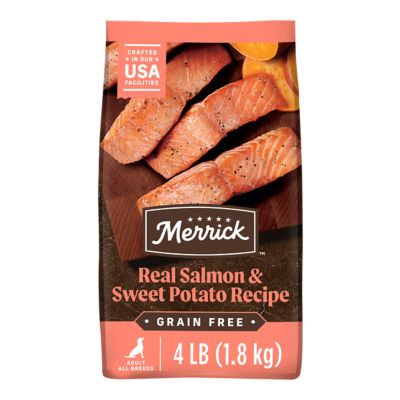
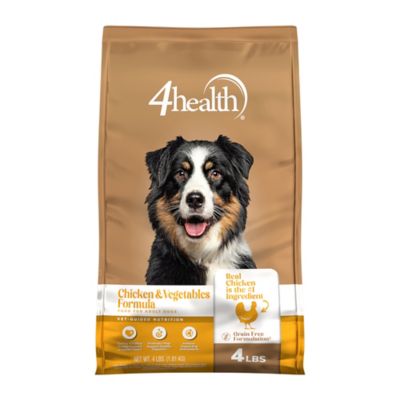
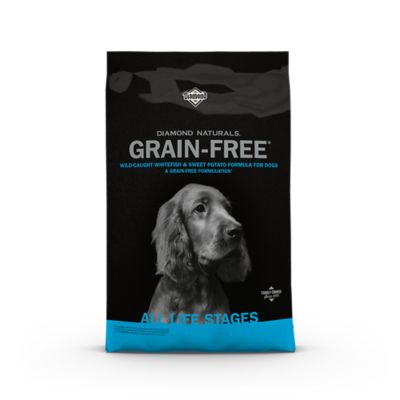
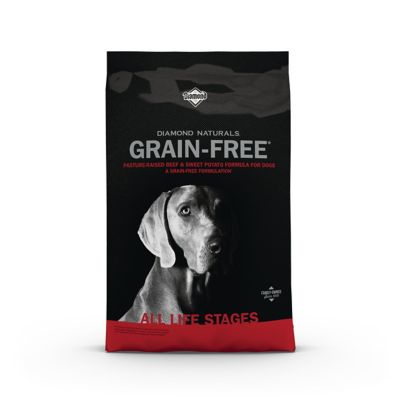
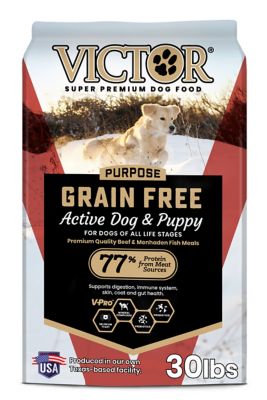
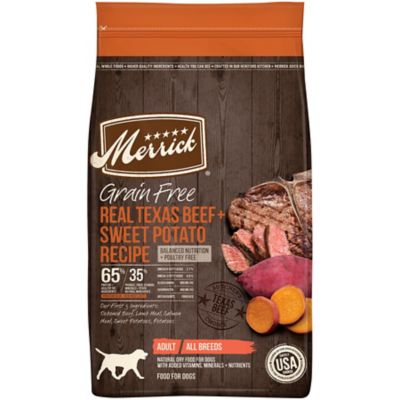
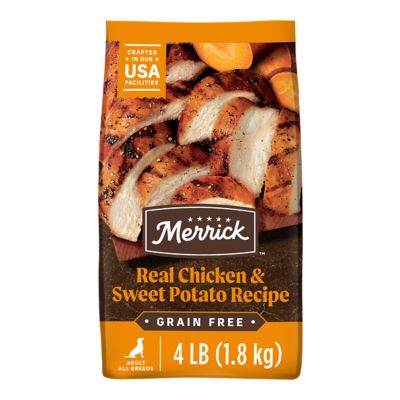
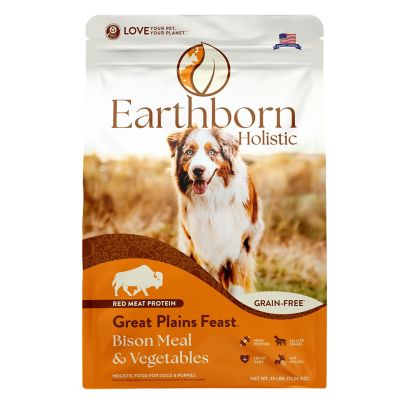
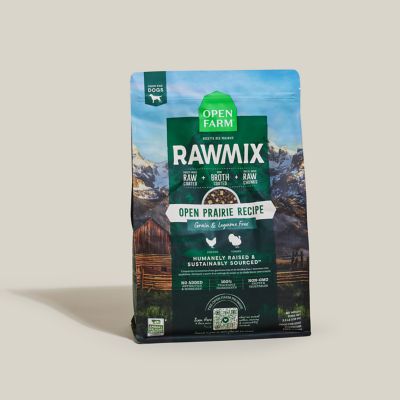
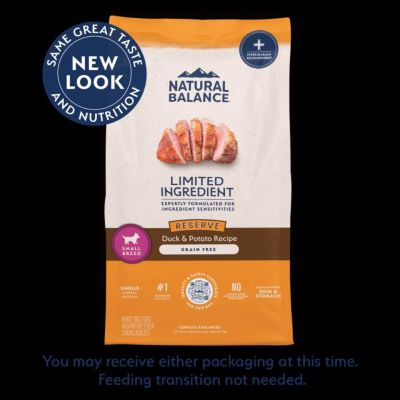
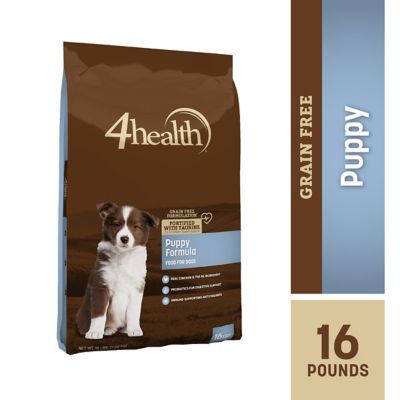
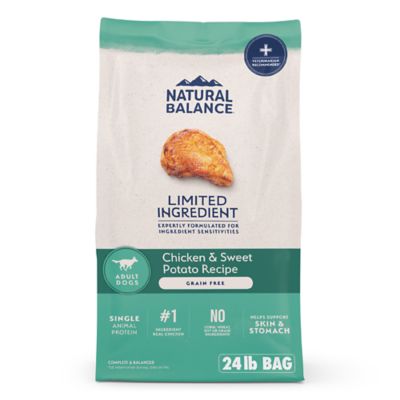
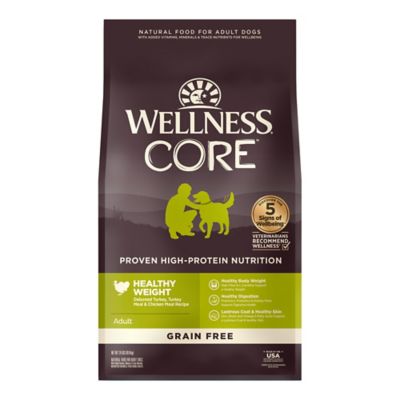
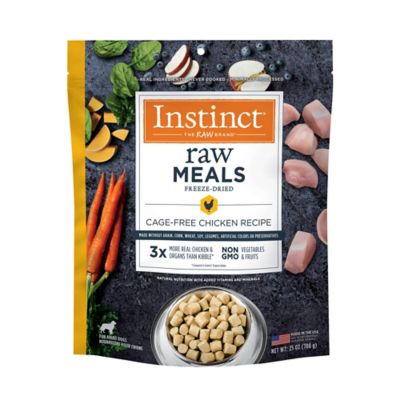
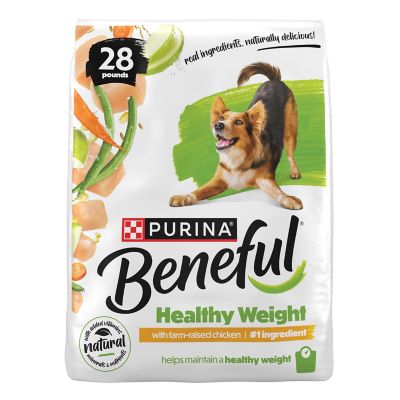
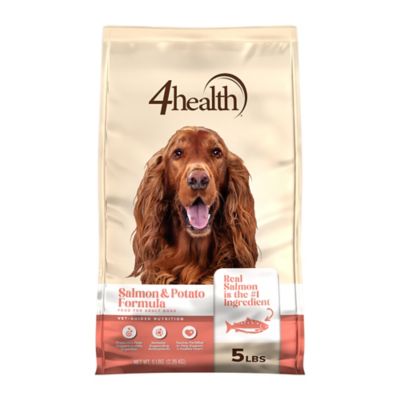
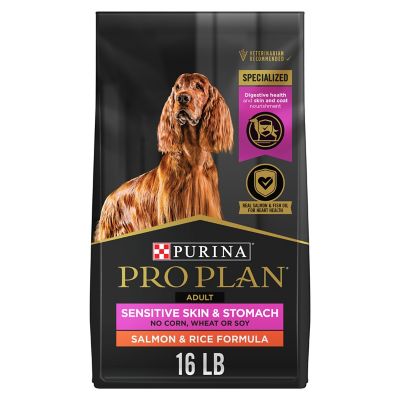
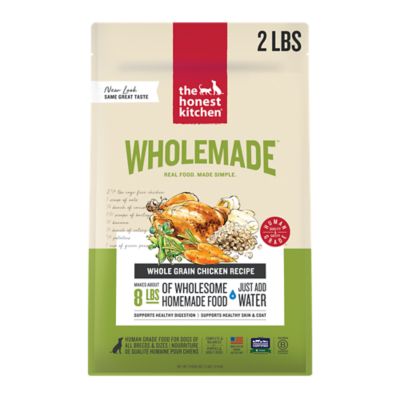
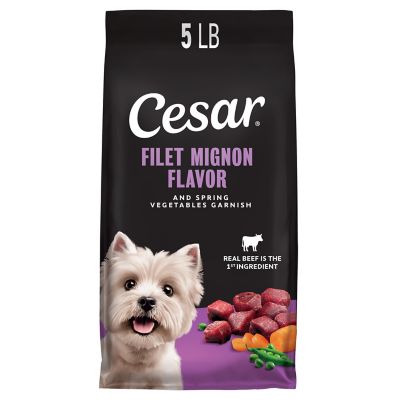
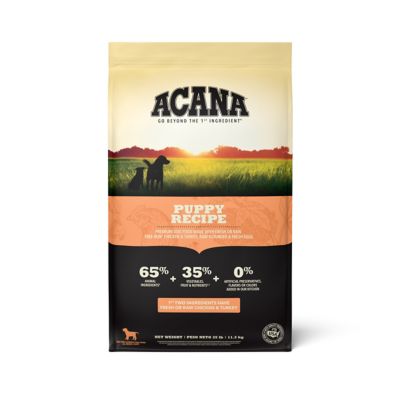
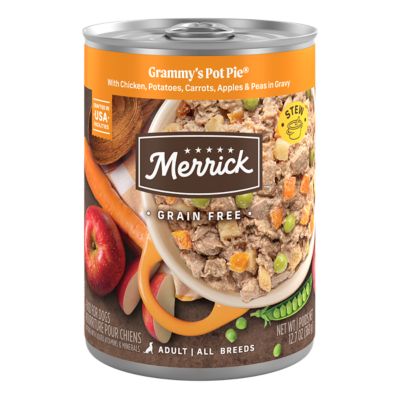
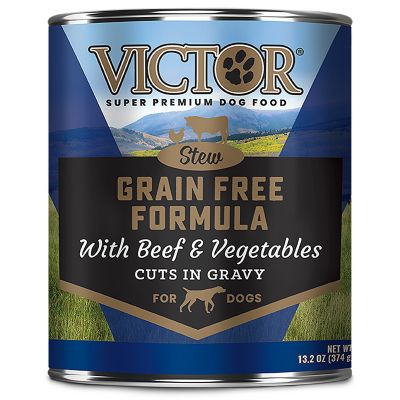
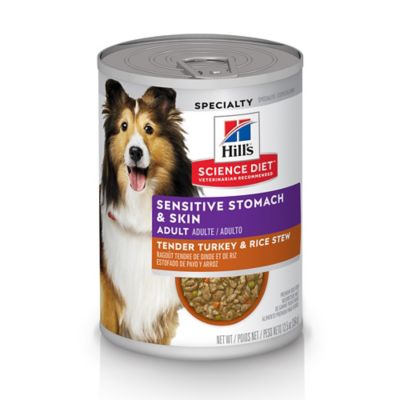
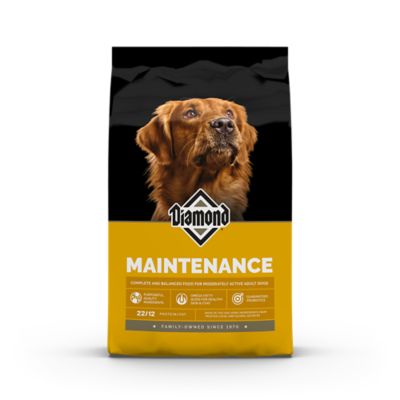
Grain-free dry dog food is made without traditional grains such as corn, wheat, rice, and barley. Instead, these recipes may use ingredients like sweet potatoes, peas, lentils, chickpeas, potatoes, or other carbohydrate sources to help provide energy and structure in a crunchy kibble. Many formulas also include animal-based protein, added fat, fiber, vitamins, and minerals to create a complete and balanced diet for adult dogs, puppies, or seniors, depending on the recipe. Pet owners often look for grain-free options when a veterinarian has identified a food sensitivity, when a dog has experienced ongoing digestive trouble linked to a particular ingredient, or when a specific feeding plan calls for avoiding grains. A dog that scratches often, has recurring ear trouble, produces unusually loose stools, or turns away from meals may need a closer look at its diet, but those signs can have many causes besides food. True grain allergies are uncommon in dogs, and grain-free food is not automatically healthier than food that contains wholesome grains. Before making a change, talk with your veterinarian about your dog’s age, breed size, activity level, medical history, and current diet. That conversation can help separate a genuine dietary need from a passing stomach upset or an unrelated health concern. For owners who prefer a softer texture or want another way to serve a grain-free recipe, Tractor Supply also offers
Grain Free Wet Dog Food.
When comparing grain-free dry dog food, start with the details that matter at mealtime. Check the life-stage statement to make sure the formula is intended for your dog, whether that means growth, maintenance, all life stages, or a special size range. A high-energy ranch dog that spends the day trotting beside a four-wheeler may have different calorie needs than a mellow house dog that prefers a sunny spot on the porch. Look at the guaranteed analysis for protein, fat, fiber, and moisture, then consider the ingredient list in the context of the whole recipe rather than focusing on one attractive ingredient on the front of the bag. Dogs may do well with chicken, beef, lamb, fish, or another protein, while some need a poultry-free or limited-ingredient option selected with veterinary guidance. Added prebiotics, probiotics, or fiber may support normal digestion, and omega fatty acids can help maintain healthy skin and a glossy coat, but no single feature takes the place of a complete, balanced formula. For dogs with a sensitive stomach, introduce the new food gradually over about a week by mixing a small amount with the old food and increasing it little by little. A sudden switch can cause gas, vomiting, or diarrhea even when the new food is a good match. Keep fresh water available, follow the feeding chart as a starting point, and adjust portions based on body condition, treats, and daily activity. A dog’s ribs should be easy to feel under a light covering, while the waist should remain visible from above. Puppies, pregnant or nursing dogs, older pets, and dogs with kidney, liver, heart, or digestive conditions need especially careful feeding guidance.
It is also important to discuss the ongoing heart-health concerns surrounding some grain-free diets with a veterinarian before choosing one. The FDA and veterinary organizations have monitored reports of canine dilated cardiomyopathy, or DCM, in dogs eating certain diets that contain high amounts of peas, lentils, other legumes, or potatoes, though the relationship is complex and research continues. Grain-free does not mean every bag has the same ingredients, and the absence of grains alone does not explain a dog’s overall health, but checking the full ingredient panel and asking for professional advice is a sensible step. Keep the bag sealed in a cool, dry place away from livestock feed, sunlight, and moisture; a lidded food container can help protect freshness in a warm barn room or busy mudroom, but wash and dry it between bags. Note the lot number and best-by date, especially if more than one dog shares the household. Grain-free dry dog food can be a practical choice for families managing a diagnosed sensitivity, households following a veterinarian-directed elimination plan, or dog owners who need a convenient, shelf-stable food for travel, hunting camp, boarding, or long days outdoors. It can also be a thoughtful gift for a friend bringing home a dog, but food is best given only after checking the pet’s usual recipe, allergies, age, and feeding instructions; a bag that works for one dog may not suit another. During the warmer part of the year, store kibble where heat and humidity will not shorten its freshness, and during cooler months, keep it protected from damp floors and curious barn cats. With the right formula, a gradual transition, careful portions, and regular veterinary care, grain-free dry dog food can fit neatly into a well-planned feeding routine.