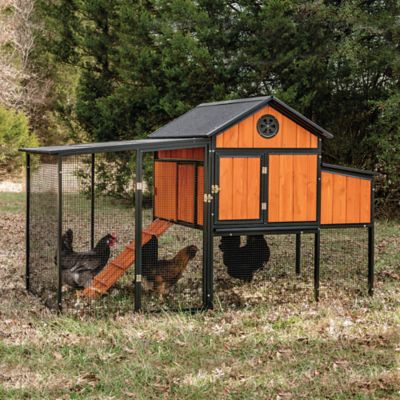
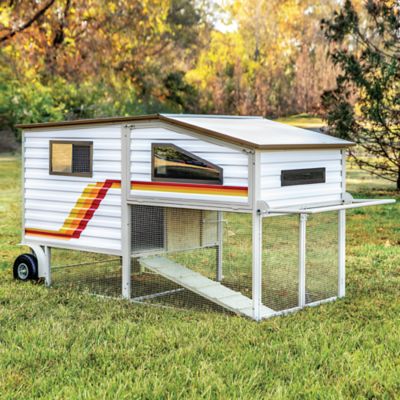
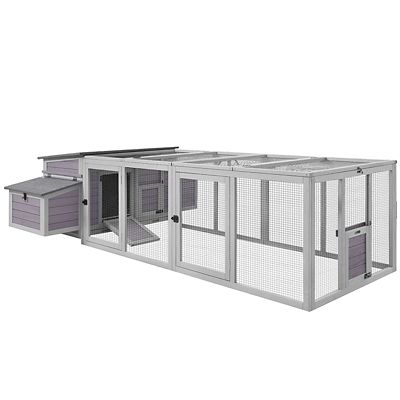
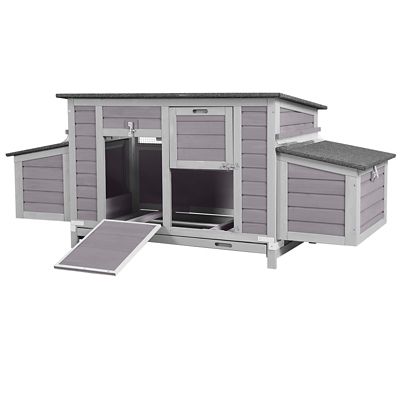
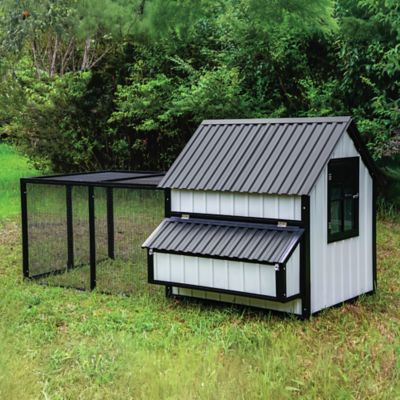
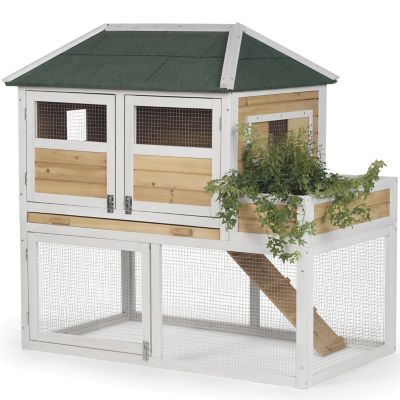
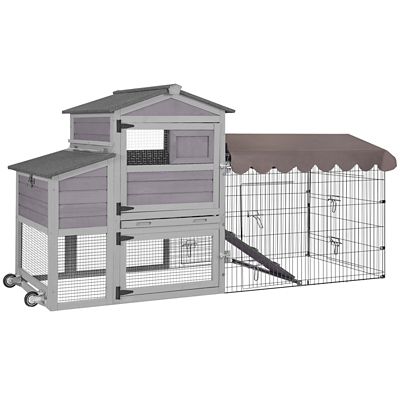
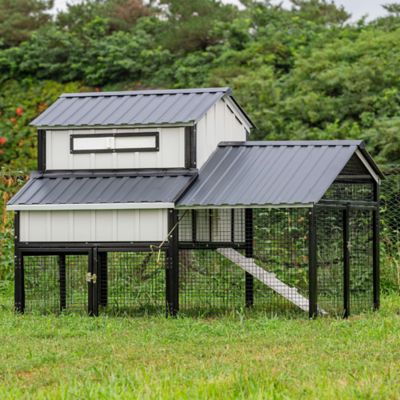
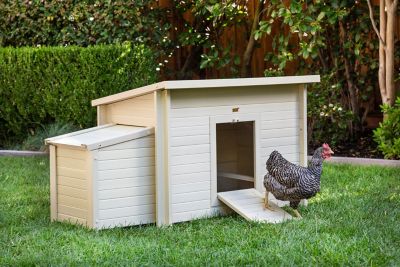
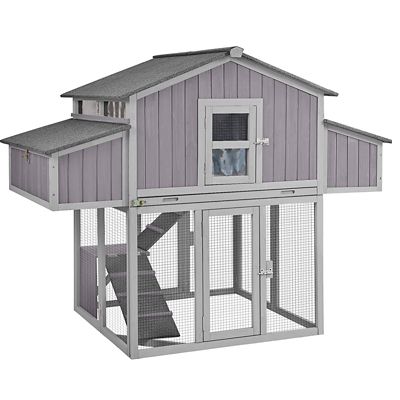
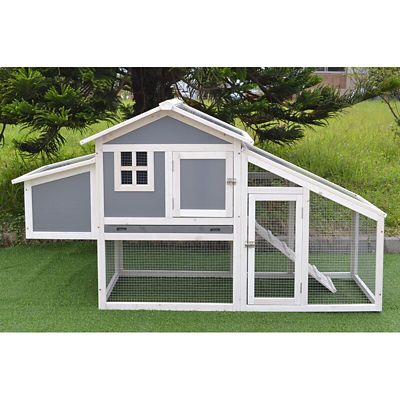
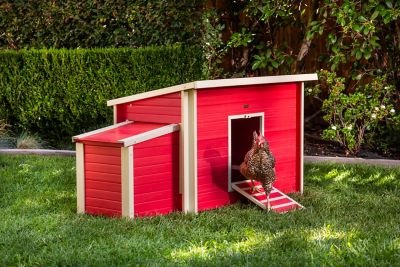
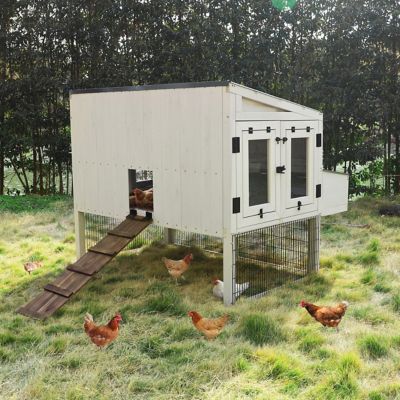
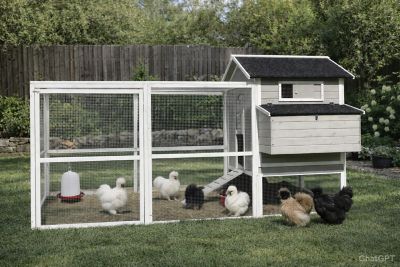
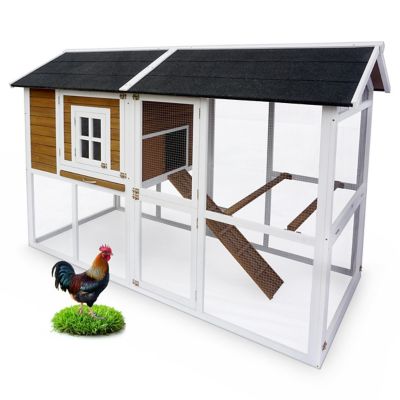
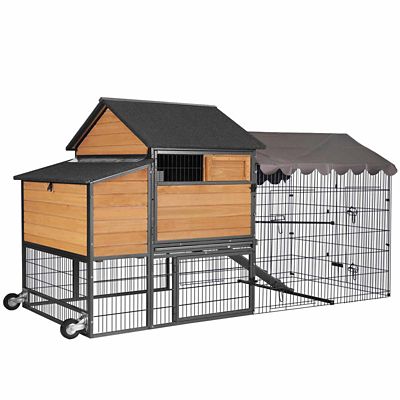
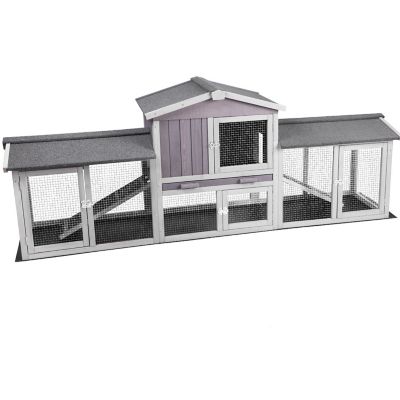
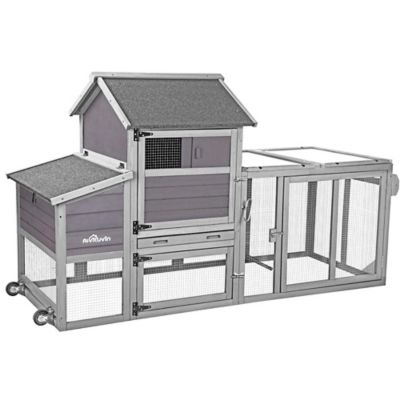
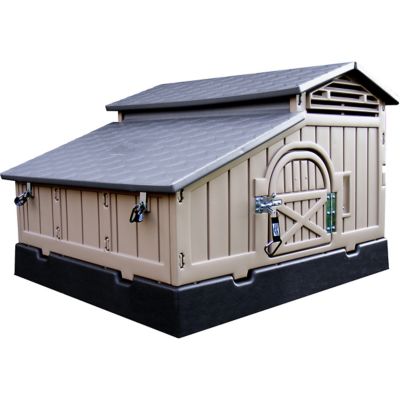
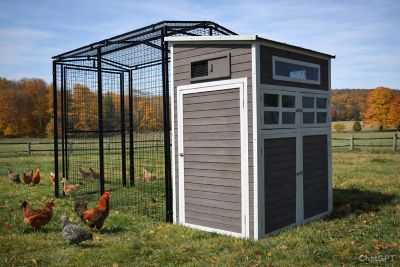
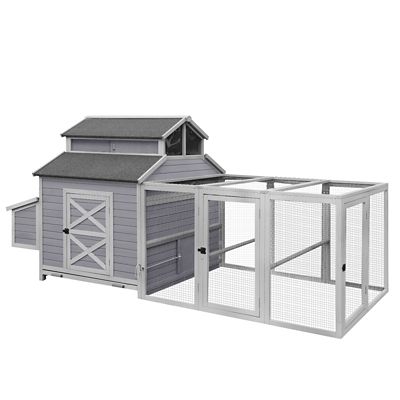
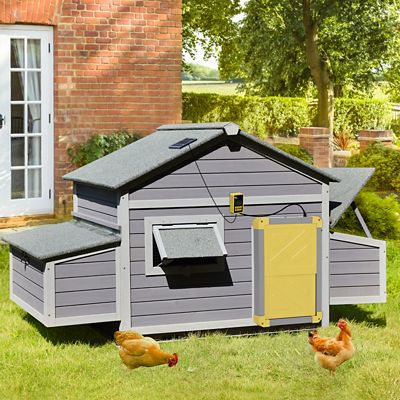
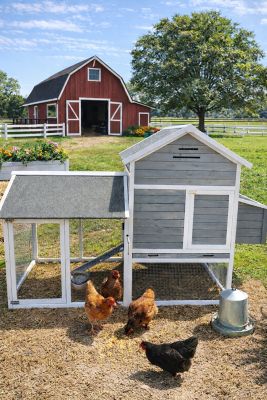
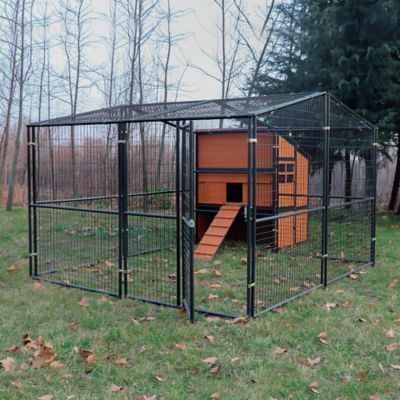
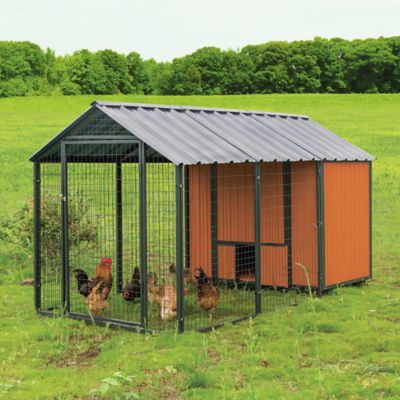
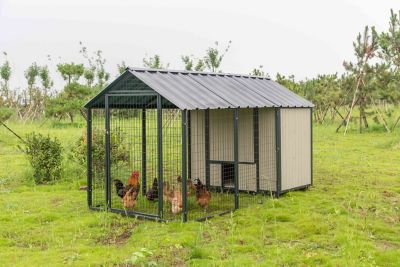
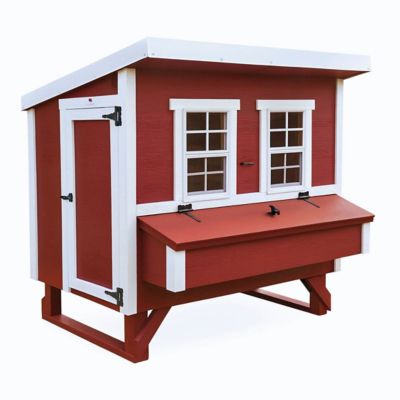
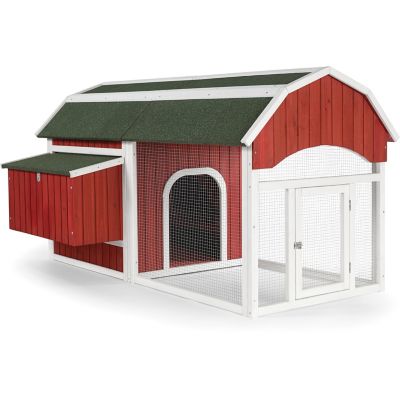
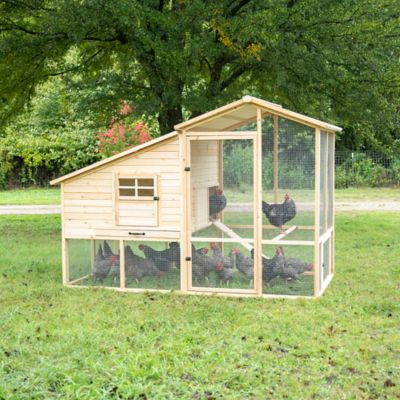
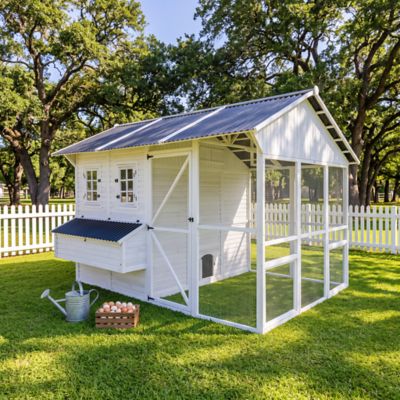
Choosing a chicken coop for four hens starts with giving the flock enough room to settle in comfortably. A good rule of thumb is 2 to 4 square feet of interior floor space per bird, which puts a four-chicken coop in the range of about 8 to 16 square feet inside the enclosed house. That space should cover sleeping, moving around, and access to nesting areas without leaving the hens crowded shoulder to shoulder. A compact coop with an attached run can work well for a backyard flock, while a larger setup may be a better fit when the birds will spend long stretches inside during rain, snow, muddy conditions or cold weather. Look for at least two nesting boxes, even though four hens may favor the same box when it is time to lay. Multiple boxes help reduce squabbling and give a lower-ranking hen another place to settle. Roosting space matters, too; plan for roughly 10 to 12 inches of linear roost space per chicken, or about 4 to 8 feet total for four birds, depending on the size and breed of the hens. A flat, stable roost positioned above the floor gives chickens a natural place to sleep and keeps them away from damp bedding and droppings. When comparing chicken coops for 4 chickens, pay attention to the usable interior dimensions rather than outside measurements alone, since thick walls, nesting compartments and built-in dividers can reduce the room available to the flock.
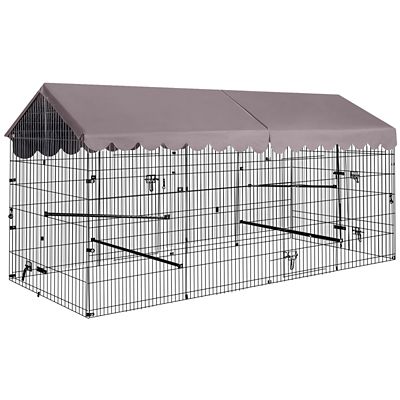
The attached run is just as important as the house, especially when the chickens will not be free-ranging around the yard. Four hens generally need about 8 to 10 square feet of outdoor run space each, or approximately 32 to 40 square feet in total. More room helps limit pecking, worn-out ground and muddy patches around the doorway. If the flock will have regular access to a larger fenced yard, a smaller attached run may serve as a secure home base, but the coop still needs to protect the birds when they are locked up. Look for sturdy framing, dependable doors and predator-resistant closures that raccoons, foxes and other nighttime visitors cannot easily work loose. Hardware cloth with openings around 1/2 inch is a stronger choice for enclosing the run than lightweight chicken wire, which is mainly intended to contain birds rather than stop determined predators. Check whether the wire reaches securely to the frame and whether the lower edges are protected from digging. A coop placed on firm, well-drained ground is easier to maintain than one sitting in a low spot where rain collects. Shade during the warmer part of the day, shelter from prevailing wind and convenient access for carrying feed and water can make daily care much simpler. During the cooler months, hens appreciate a dry, draft-free sleeping area, but the coop should still have ventilation openings placed high on the walls. High vents allow warm, damp air and ammonia to escape without sending a direct breeze across the roost. Good airflow helps keep bedding drier and reduces the stale odor that can build up in a tightly closed house.
Simple cleaning features can make the difference between a coop that gets regular care and one that becomes a chore. Slide-out trays made from plastic or metal help remove manure and soiled bedding without requiring a complete teardown, while wide access doors make it easier to reach corners, inspect the flock and refresh nesting material. Smooth, washable surfaces are useful around nesting areas, and raised or well-supported flooring can help keep moisture and pests at bay. Before bringing chickens home, check that the doors open easily, the latches feel secure and the interior is large enough for the birds to move around without bumping into fixtures. A four-hen coop can be a practical choice for a first flock, a small homestead, a backyard garden or a family that wants a steady supply of fresh eggs without managing a large number of birds. It can also make a thoughtful gift for someone who has space, local approval and an interest in caring for laying hens, though the recipient will still need feed, bedding, a waterer, a feeder and a safe place for the coop. Families often enjoy watching the hens scratch through clean bedding, settle onto the roost at dusk and gather around the run door when treats appear. For households where the birds will spend more time outside, explore options such as
Chicken Coops for Free Range Chickens. Whether the flock stays close to the coop or wanders through a secured area, choosing a properly sized house with room to roost, reliable predator protection, useful ventilation and easy-clean features helps create a safer, more comfortable home for four chickens through changing weather and everyday farm life.