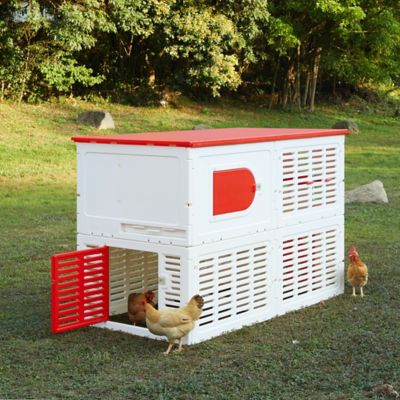
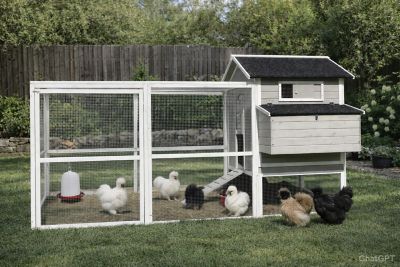
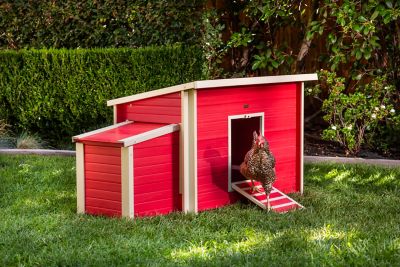
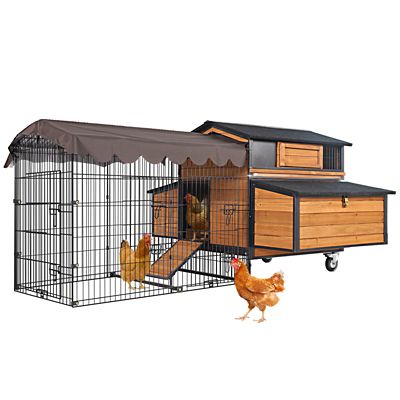
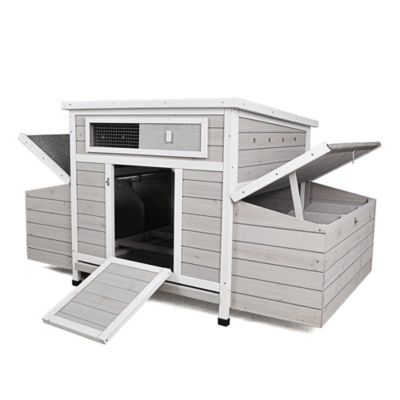
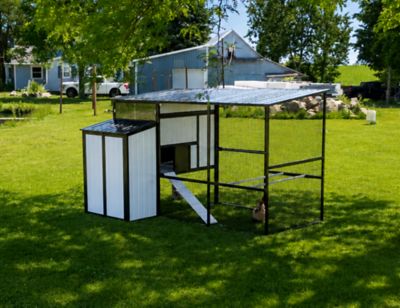
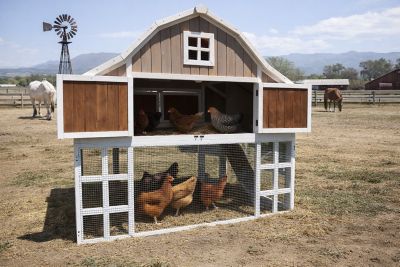
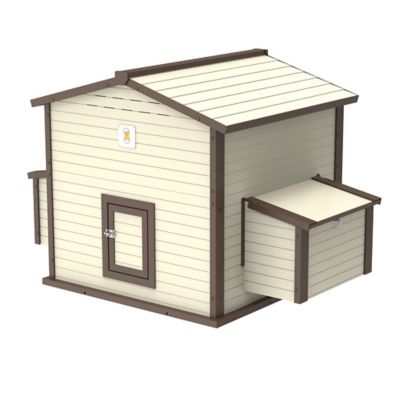
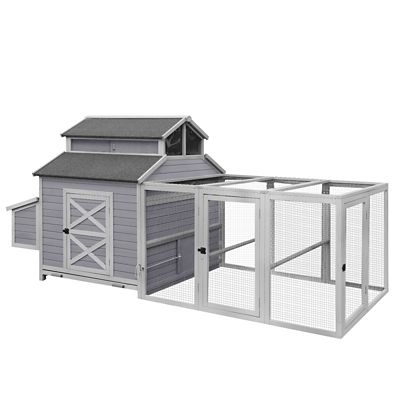
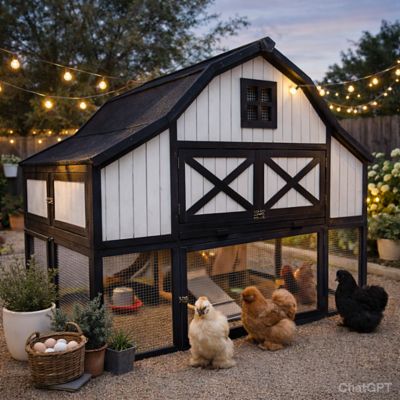
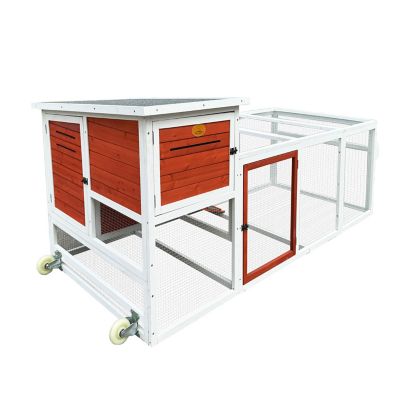
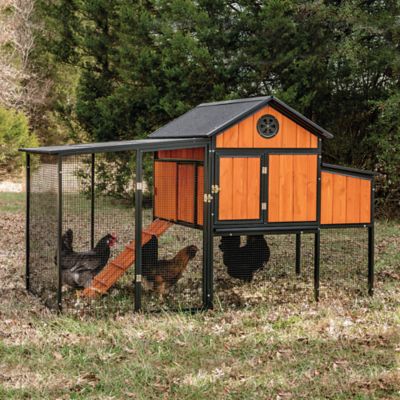
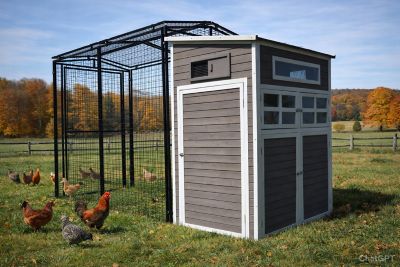
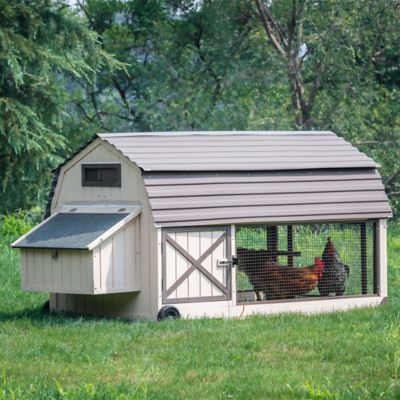
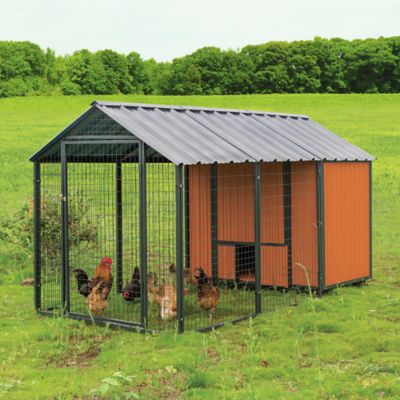
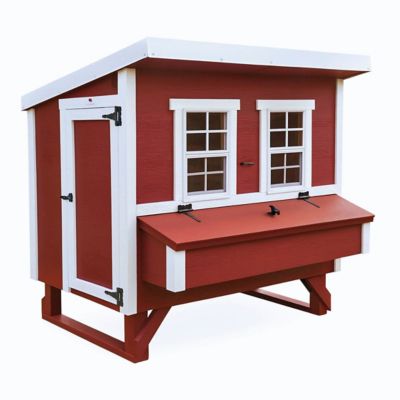
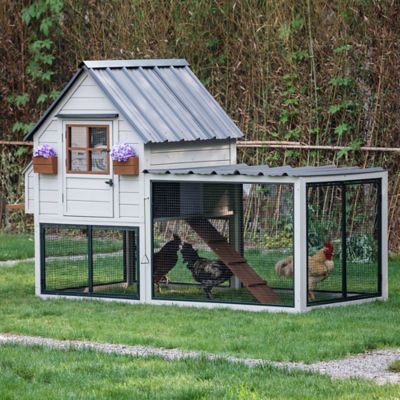
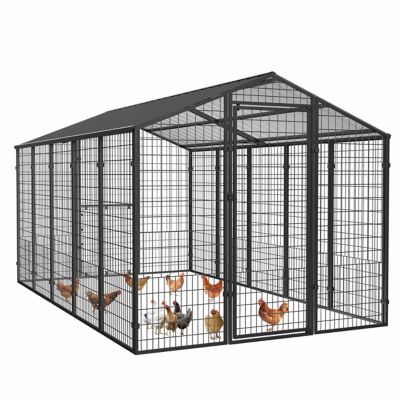
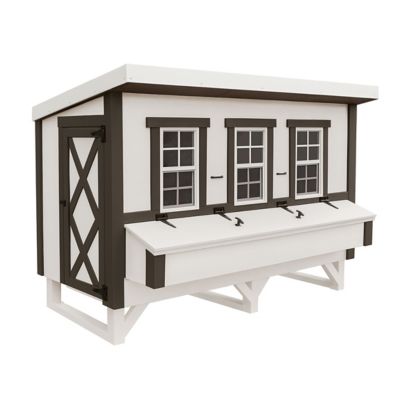
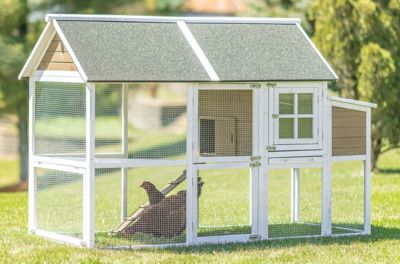
Chicken coops for 5 chickens give a small flock a home base for laying eggs, settling onto the roost and spending the night behind a latched door. For five standard-size adult hens, a useful starting point is at least 20 square feet of usable indoor floor space and at least 50 square feet of outdoor run space. That works out to about 4 square feet indoors and 10 square feet outdoors per bird, with more room beneficial for larger breeds or chickens that spend much of the day enclosed. These figures describe separate living areas, not the combined footprint of a coop, nesting box and attached run. A long enclosure can look roomy in a photo while offering a much smaller sleeping house at one end, so interior measurements matter more than overall length alone. Capacity labels are another starting point rather than a promise that every five-bird flock will fit equally well. Bantams take up less room than heavy laying breeds, and a flock needs space to move past the feeder, reach the doorway and step around other birds without crowding. The roosting arrangement matters just as much as floor area. Allowing roughly 10 to 12 inches of perch length per standard-size hen means five birds need about 50 to 60 inches of usable roost, with enough clearance from walls and neighboring bars. Two nesting boxes generally serve five laying hens, although the whole flock may still favor the same box. Nesting areas work best as quiet, accessible spots separate from the main traffic path, while roosts positioned above nest level help discourage sleeping in the boxes. For a backyard egg flock, a small homestead or a family getting started with adult hens, the right-sized coop brings those everyday needs together without taking over the whole yard. Housing intended for grown chickens also serves a different purpose from a brooder, since young chicks need separate care and equipment before moving into flock housing.
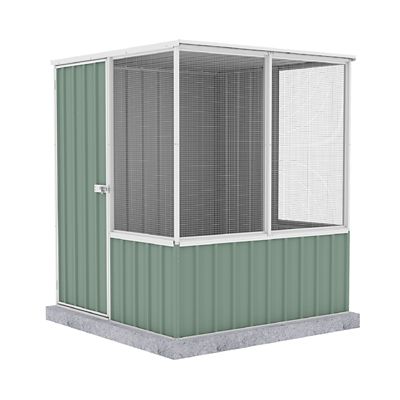
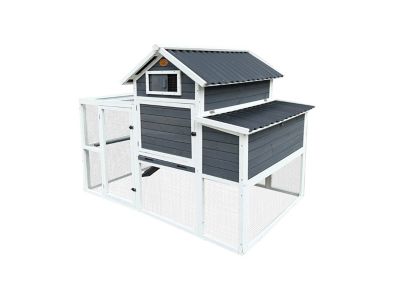
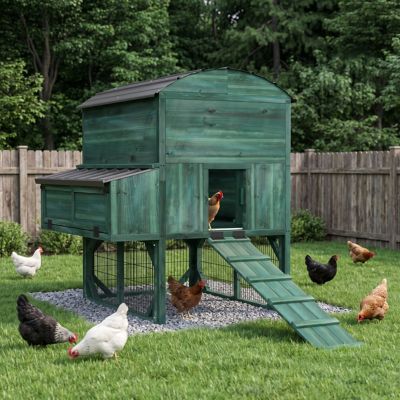
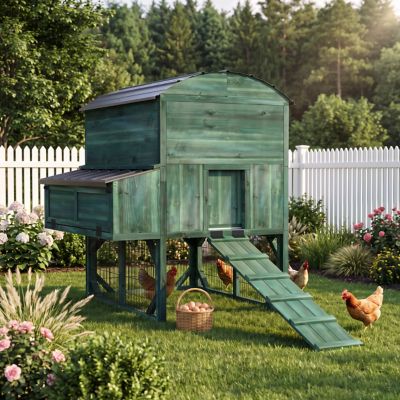
Materials and layout shape how a chicken coop fits into daily chores. Wood offers a familiar farmyard look and can allow straightforward repairs when a board, hinge or trim piece needs attention. Its upkeep depends on the finish, construction and contact with damp bedding or soil, with exposed edges and joints deserving regular checks. Plastic housing can provide smooth surfaces that wipe down readily, though panel thickness, fasteners and access points still matter. Metal framing can support an attached run, while the strength of the wire, its connection to the frame and the condition of the coating all affect how that enclosure holds up. No material makes a coop maintenance-free. A well-supported floor, close-fitting doors and firmly attached roofing contribute more to everyday performance than appearance alone. Inside, ventilation openings let moisture from breathing and droppings escape without placing the roost directly in the path of strong airflow. Openings covered with securely fastened hardware cloth help maintain that ventilation while limiting access by pests and predators. For the person handling chores, the difference between a cramped hatch and a broad access door becomes clear with the first bedding change. Reachable corners, removable roosts and nesting-box lids that stay open make routine cleaning and egg gathering less awkward. Pull-out trays can simplify waste removal when they slide freely and have a clear path out of the housing; the space beside the coop needs to accommodate that movement. Smooth floor surfaces and bedding retained behind a threshold help keep cleanup manageable. Hinges, latches and fasteners also benefit from periodic inspection, especially around doors opened every day. A raised house may offer space underneath for the flock, but its ramp needs a manageable slope and secure footing. Walk-in layouts trade a larger footprint for easier access, while compact raised designs can suit smaller yards when every part remains reachable without crawling into the enclosure.
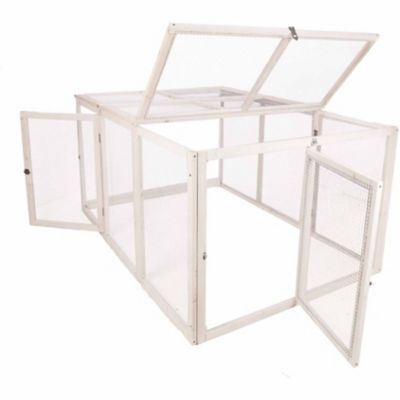
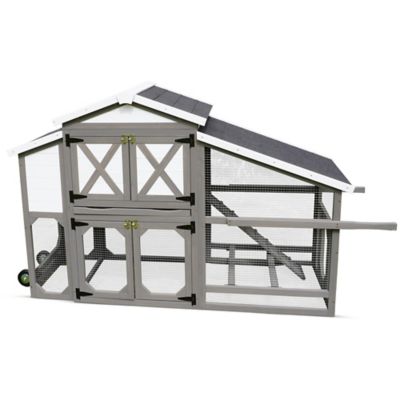
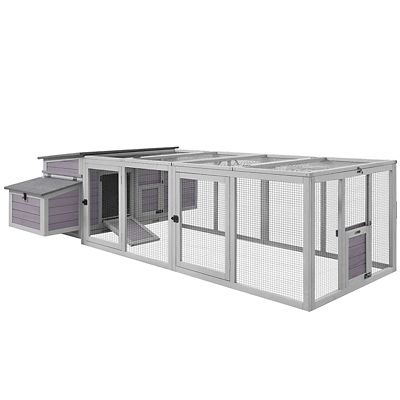
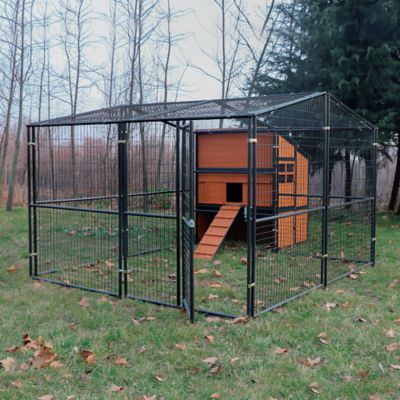
A coop for five hens also needs to fit the way the flock spends its day. An attached run keeps housing and outdoor space together, while a separate enclosure can give birds more room to scratch, stretch their wings and investigate the ground. Time outside the run does not replace a secure place to return at night, and an ordinary yard fence does not provide the same protection as a properly enclosed poultry run. Chicken wire mainly contains birds; securely attached, appropriately sized hardware cloth offers a stronger barrier against many common predators. Protection depends on the whole enclosure, including door gaps, overhead openings and the edges where the run meets the ground. A secured ground apron or another suitable digging barrier can help reduce entry beneath the sides, while covered tops limit access from above. Latches that require more than a simple lift offer added resistance to curious raccoons, though no enclosure should be treated as a guarantee against every threat. Placement affects chores, too. A level, well-drained spot with room to open doors fully makes bedding changes, feed carrying and egg collection easier. Nearby access to stored feed and cleaning supplies can shorten the daily walk without putting bags inside the birds’ sleeping area. Portable coops may suit keepers who want to shift the flock’s footprint, provided the structure is designed for moving and remains secure at each location. For anyone planning to add birds, comparing
Chicken Coops For 10 Chickens can help put larger housing layouts in perspective, with actual floor area and roost space still guiding the fit. A little extra room can also make an established five-hen flock easier to manage. The most practical choice balances bird space, secure construction and access for the person doing the chores, so feeding, checking the flock and gathering a few eggs fit comfortably into an ordinary day.