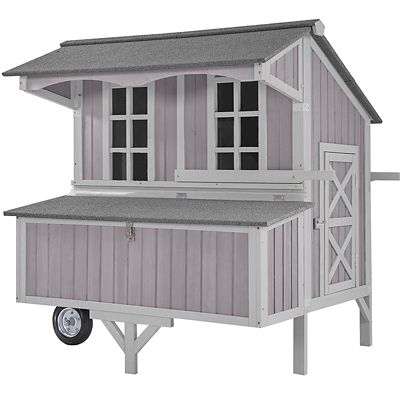
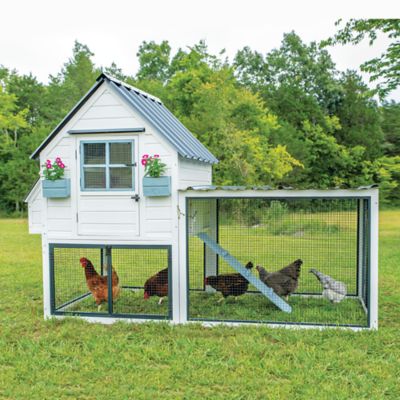
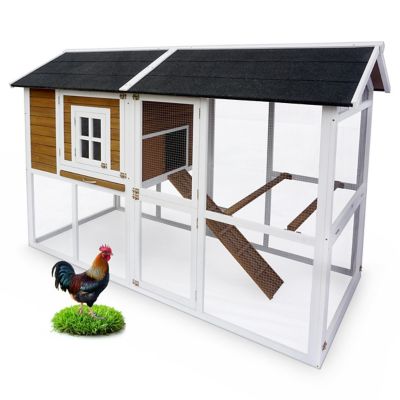
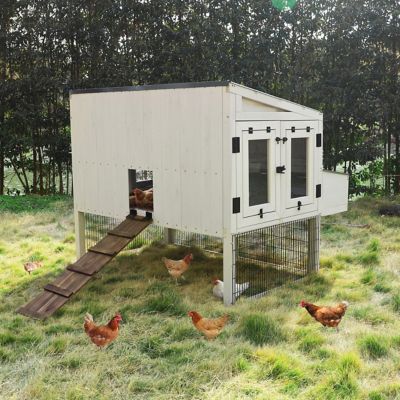
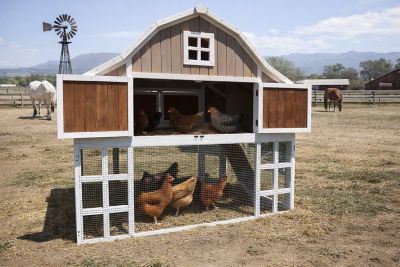
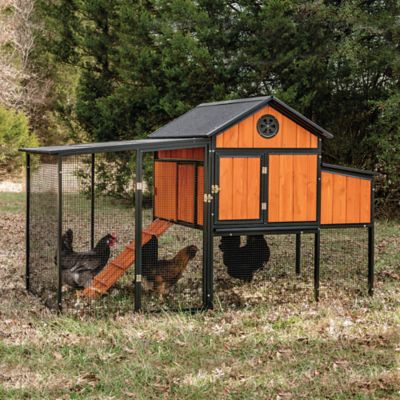
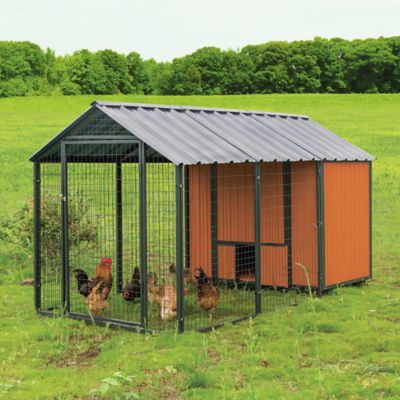
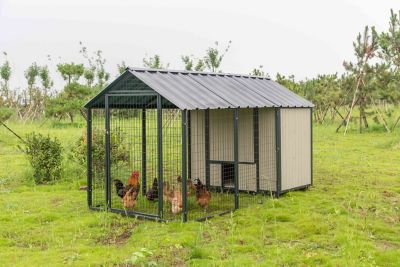
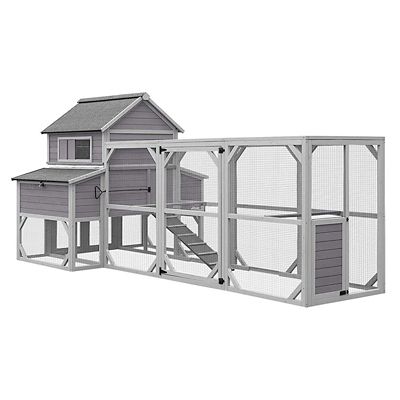
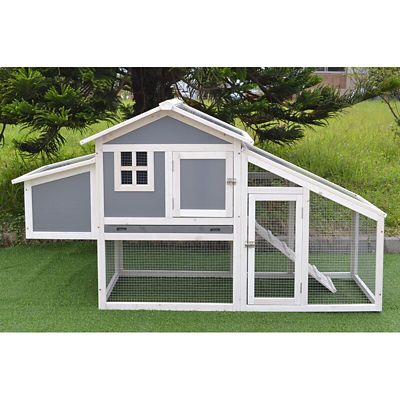
Choosing a chicken coop for 8 chickens starts with giving your flock enough room to move, rest and get away from one another when they need a little space. A coop labeled for eight birds should have at least 16 square feet of interior floor space, based on a minimum of 2 square feet per chicken, though 24 to 32 square feet is often more comfortable, especially for large-bodied breeds, birds that spend much of the day inside or flocks kept through the cooler months. Capacity labels can vary from one design to the next, so it helps to check the actual measurements instead of relying on the number alone. A roomy interior makes daily chores easier, too. You should be able to reach the corners for fresh bedding, collect eggs without crowding the hens and inspect the flock when needed. If your flock is smaller, take a look at
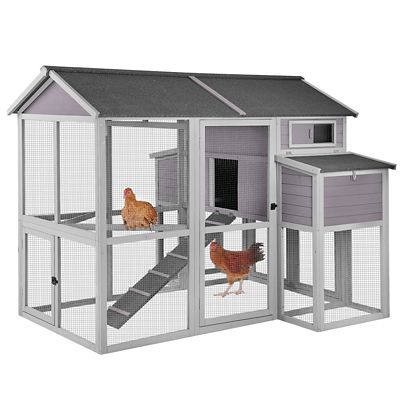
Chicken Coops For 4 Chickens for a more appropriately sized setup. For eight chickens, plan on two to three nesting boxes, with three being a handy choice when several hens lay close together. Hens tend to favor the same box, even when others are open, so having enough room helps prevent cracked eggs, squabbles and bedding kicked into the nesting area. Roosting space matters just as much. Allow roughly 8 to 10 feet of total roost length, or about 10 to 12 inches per chicken, using sturdy bars positioned above the floor and away from drafts. Rounded wood with a comfortable grip is generally easier on chickens’ feet than a narrow, sharp-edged surface. Keep the roosts higher than the nest boxes so the flock is less likely to sleep in the nests and soil them overnight.
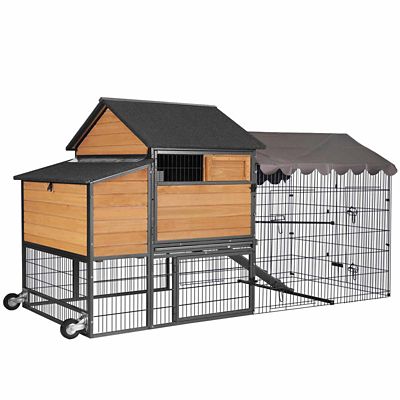
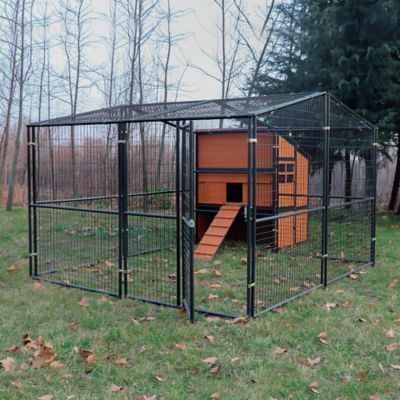
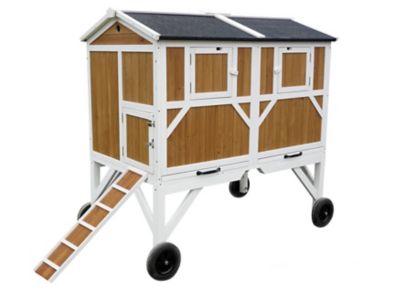
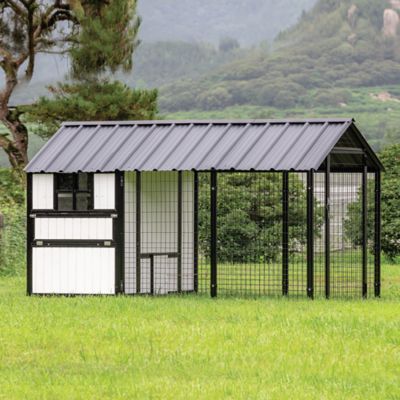
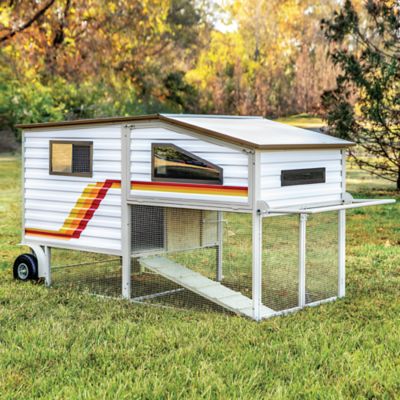
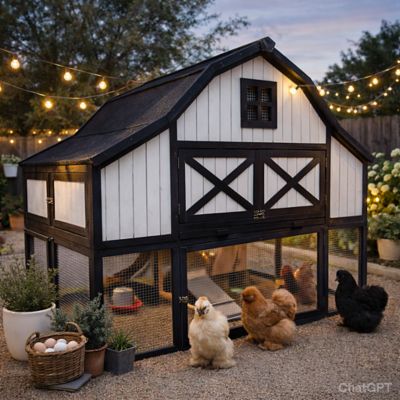
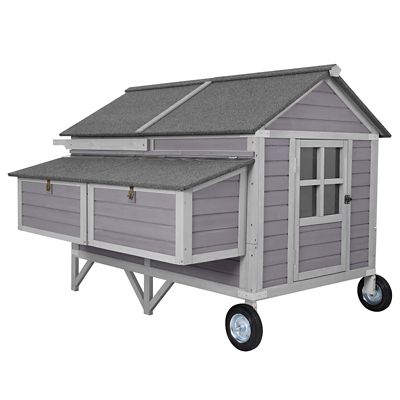
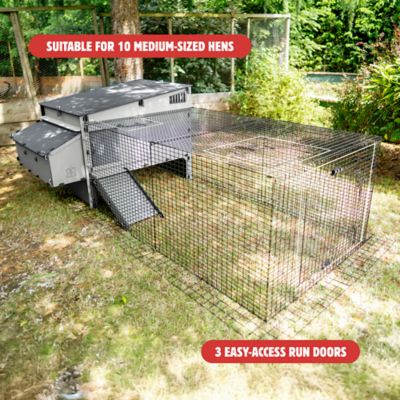
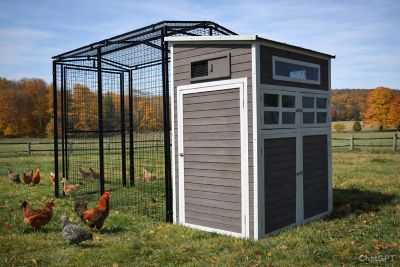
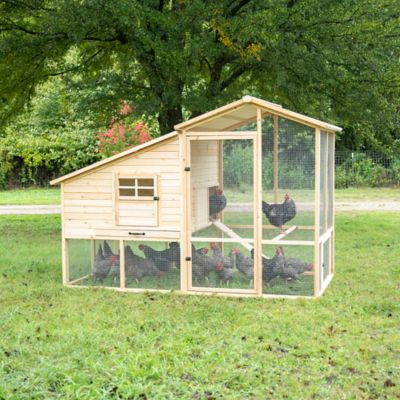
An enclosed outdoor run gives your hens a safe place to scratch, dust-bathe and hunt for bugs without depending on free-range time. For eight chickens that will not roam the yard during the day, aim for about 80 to 100 square feet of run space when possible. More room is always helpful, particularly if the ground stays wet or frozen and the flock spends longer stretches in the enclosure. A covered run can help keep rain, snow and falling leaves out of the feeding area, while hardware cloth or another sturdy, predator-resistant barrier helps protect against raccoons, foxes, dogs and determined digging animals. Check that doors latch securely and that the lower edges of the enclosure are difficult to push under or lift. Good airflow is essential inside the coop, but ventilation openings should be placed high enough to release moisture without creating a cold breeze across the roost. Damp, stale air can contribute to respiratory trouble and frostbite during colder weather, while a well-ventilated coop stays fresher and more comfortable. Look for a layout with wide access doors, removable trays or panels and nesting areas that are easy to clean. A coop that looks charming in the yard but forces you to crawl inside for every chore can wear out its welcome quickly. When setting it up, choose a spot with solid, well-drained ground and some protection from prevailing wind. A little morning sun can help dry the run after wet weather, while afternoon shade is welcome as conditions warm. Wooden coops benefit from a chicken-safe exterior sealant applied according to the product directions, and raising the structure slightly off the ground can reduce contact with damp soil, splashback and standing water. Make sure any treatment is fully cured and safe for use around poultry before birds move in. Portable or tractor-style designs can be useful when you want to shift the flock onto fresh ground, but check the weight, wheel design and locking hardware before moving a full setup. A mobile coop should be easy for one or two adults to handle without leaving gaps that predators can exploit.
Chicken coops sized for eight hens are a practical fit for backyard keepers, small homesteads, families raising a first flock and anyone who wants a steady supply of fresh eggs without building a full barn. They can also make a thoughtful gift for a new homeowner, a gardening friend or a relative who has been talking about keeping chickens, although the coop is only one part of the setup. New keepers will also need feeders and waterers, suitable poultry feed, bedding, a secure run and a plan for protecting the birds at night. Before bringing chickens home, measure the space where the coop and run will sit, confirm local rules for backyard poultry and think through how feed will be stored away from rodents and moisture. A flock of eight can produce plenty of eggs, manure for the garden and lively companionship, but it also creates a regular routine of feeding, watering, gathering eggs and refreshing bedding. During the cooler months, inspect the roof, vents, latches and run covering after strong weather, and keep water from freezing with a safe setup suited to the location. Avoid sealing the coop so tightly that moisture builds up inside; chickens need fresh air even when the temperature drops. On wet ground, add clean bedding and provide a dry area for dust bathing, and rotate or refresh heavily used sections of the run to limit mud and odor. Capacity is best treated as a starting point rather than a hard target. Eight small hens with generous run access may be comfortable in a coop that feels tight for eight large breeds, while a flock confined for long periods needs more indoor and outdoor space. With the right dimensions, dependable predator protection, sensible ventilation and easy-clean features, a chicken coop for 8 chickens can give your flock a secure home and make everyday chicken keeping feel like a manageable part of the farmstead routine.