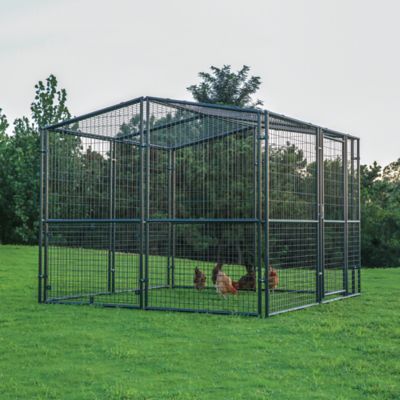
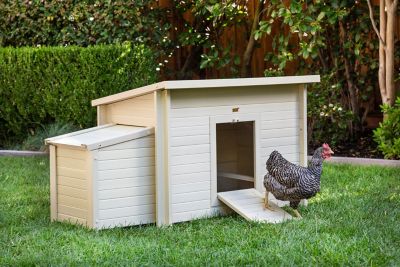
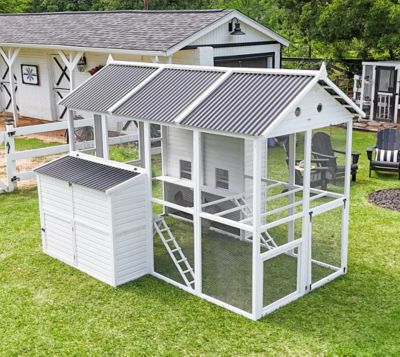
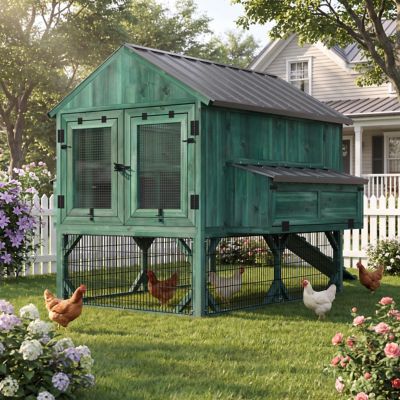
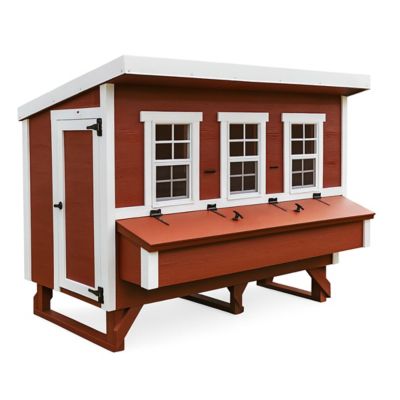
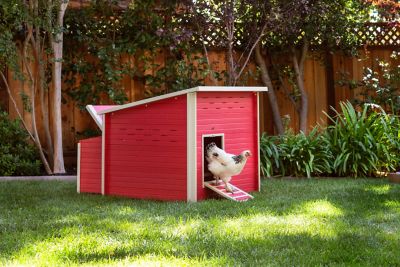
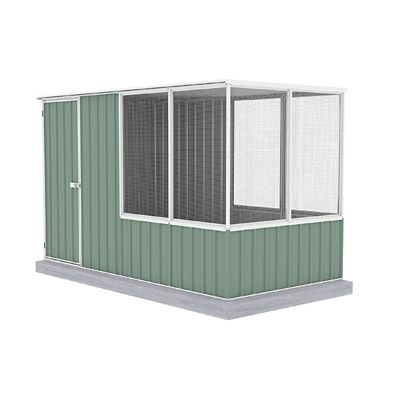
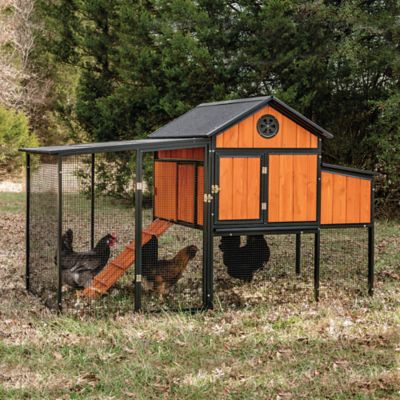
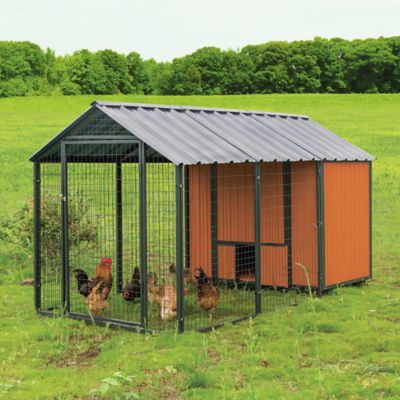
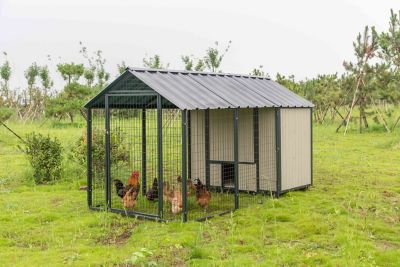
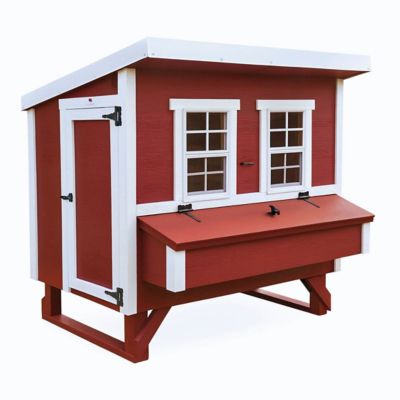
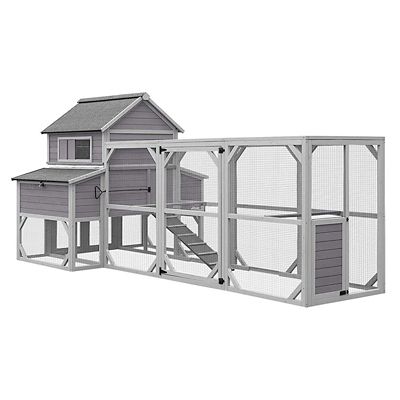
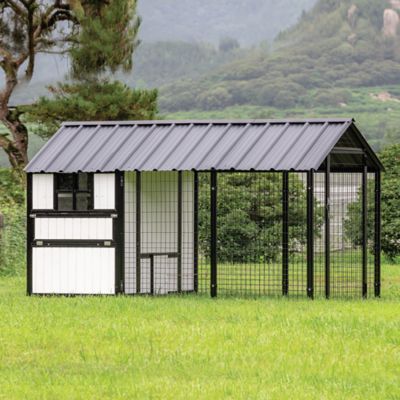
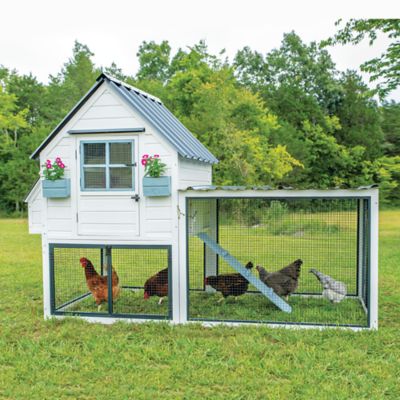
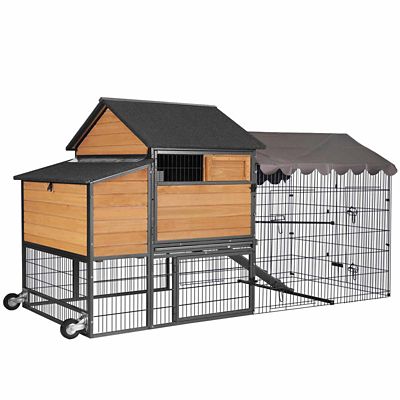
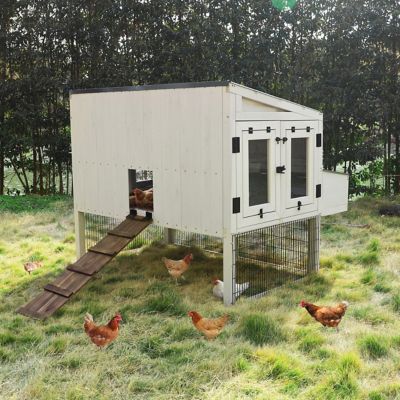
Choosing a chicken coop for 20 chickens starts with giving the flock enough room to move, rest, lay, and get out of one another’s way when the weather keeps them indoors. As a general rule, plan on at least 3 to 4 square feet of interior floor space per chicken, or about 60 to 80 square feet total for a flock of this size. More room is even better if the birds will spend long stretches inside during rain, strong winds, heat, or cooler weather. A roomy walk-in layout can make daily chores easier, too. Gathering eggs, changing bedding, checking a hen’s feet, and topping off feed are simpler when you are not crawling through a small door or reaching around crowded roosts. Look for sturdy construction, a roof that sheds water, doors that latch securely, and materials that can stand up to pecking, scratching, dust, and damp bedding. Ventilation deserves special attention. Openings placed high along the walls help warm, moist air escape without creating a cold draft across the roosts. That balance matters because a tightly sealed coop can collect condensation, while an overly open shelter can leave birds chilled. Raised floors, sloped roofs, easy-clean surfaces, and removable trays or panels can help keep the coop drier and cut down on the amount of time spent scraping and hauling bedding. A coop may also be a thoughtful gift for someone starting a homestead, expanding a backyard flock, or raising chickens with children, but the right size and placement matter more than a fancy finish. Before choosing one, measure the available space and consider how the coop will be delivered, assembled, cleaned, and accessed throughout the year.
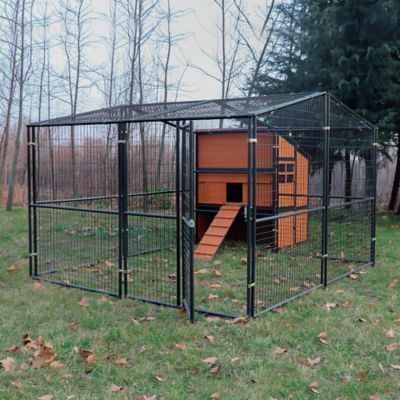
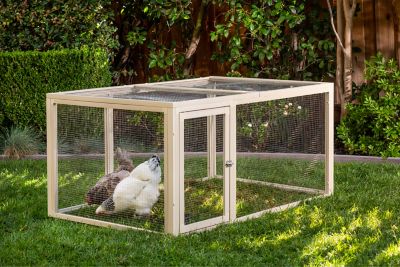
A 20-chicken setup also needs a secure outdoor area. Aim for roughly 8 to 10 square feet of run space per bird, which works out to about 160 to 200 square feet at a minimum. A larger run gives chickens room to scratch through leaves, stretch their wings, dust-bathe, and move away from flock mates that are being bossy. If the birds will free-range for part of the day, the enclosed run still provides a dependable place to keep them protected when nobody is outside to watch them. Strong fencing is one of the most important purchase considerations. Basic chicken wire can help contain birds, but it is not designed to stop determined predators. Hardware cloth with small openings, securely fastened around the run, offers better protection against raccoons, foxes, dogs, and other animals. Extend the barrier below ground or add a wide outward-facing skirt to discourage digging, and check the corners, hinges, roofline, and door edges for gaps. A covered run can provide shade and help keep rain out, while a dry, sheltered section gives birds a comfortable place to spend time during changing conditions. Inside the coop, provide at least 4 to 5 nesting boxes for 20 hens, following the common guideline of one box for every 4 to 5 birds. Even with plenty of boxes, hens often favor the same quiet corner, so place them in a dimmer, lower-traffic area and keep them filled with clean bedding. Roost bars should offer about 8 to 10 inches of space per bird, or approximately 15 to 17 linear feet altogether. Rounded, comfortable roosts set higher than the nesting boxes encourage birds to sleep off the floor and make it easier to manage droppings beneath them. Leave enough room between bars for birds to settle without crowding or bumping one another.
When comparing chicken coops for 20 chickens, think beyond the advertised capacity and match the shelter to the way the flock will actually live. A rating may assume small birds, mild weather, daily access to pasture, or a particular arrangement of roosts and nesting boxes. Larger breeds, broody hens, young birds growing into the flock, and extended periods indoors all call for additional space. Feeders and waterers should be large enough for a full flock and positioned where spilled feed will not soak the bedding. Keeping water slightly elevated can reduce litter, though it should still be easy for every bird to reach. Plan a convenient spot for storing feed in a rodent-resistant container, and leave room around the coop for replacing bedding, mowing, inspecting fencing, and making repairs. In warmer stretches, shade and airflow help reduce heat stress; as the weather turns cooler, dry bedding, protected vents, and a draft-free sleeping area become especially valuable. Avoid sealing every opening in an effort to hold in warmth, since stale, damp air can create problems inside the coop. A simple routine of checking latches, clearing wet spots, looking for loose wire, and gathering eggs can keep a large flock comfortable and the shelter in good shape. For households caring for a smaller flock, a more compact setup may be a better fit; browse
Chicken Coops For 15 Chickens for options sized around that capacity. Whether the coop is headed to a rural homestead, a family farm, or a backyard poultry yard, the best choice is a solid, secure shelter that leaves enough room for healthy flock behavior and makes everyday chicken care feel manageable.