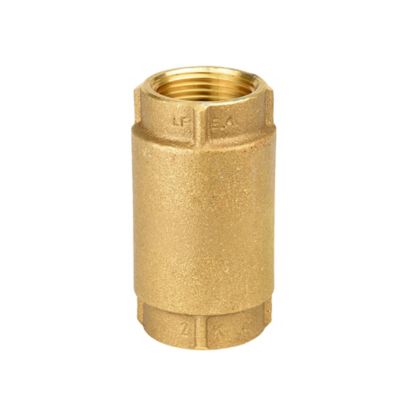
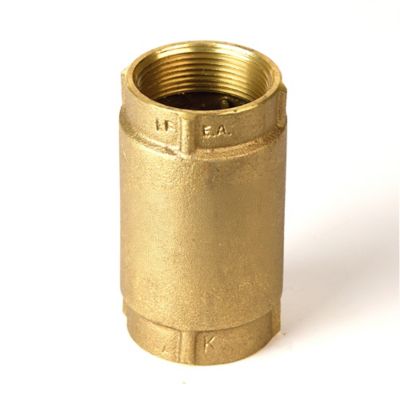
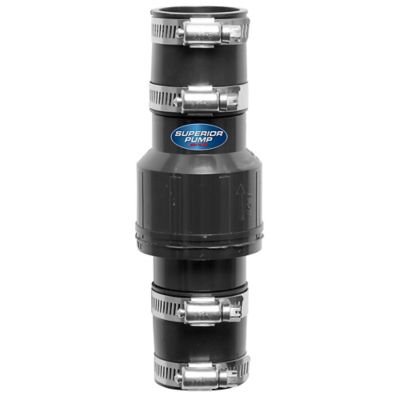
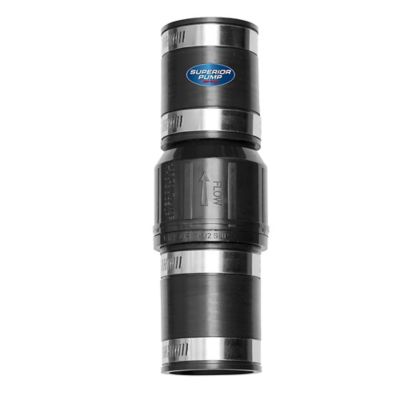
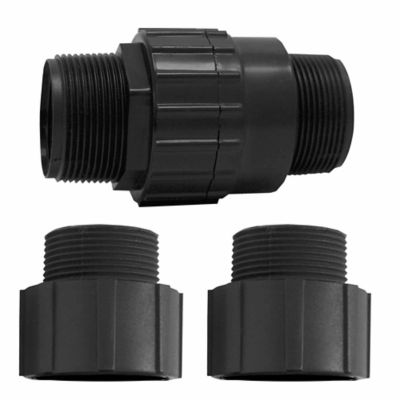
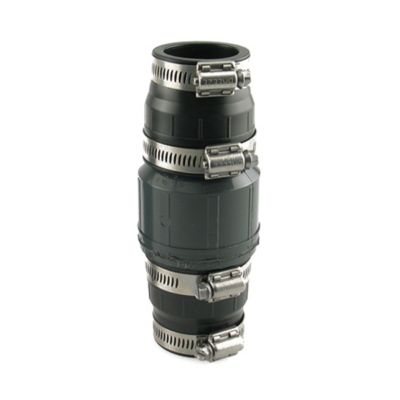
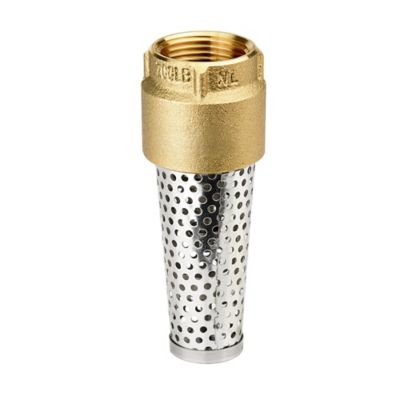
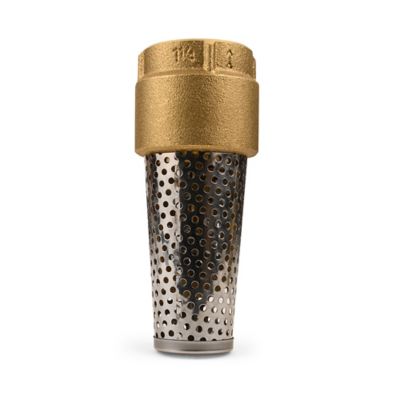
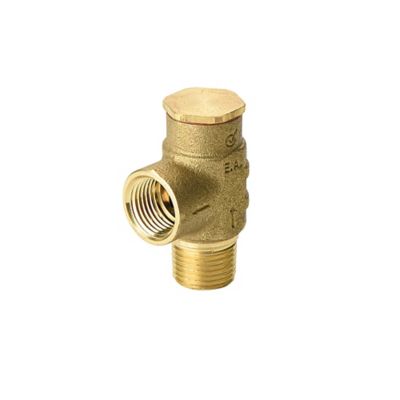
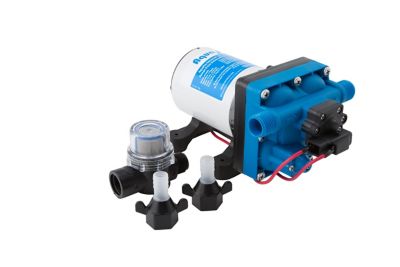
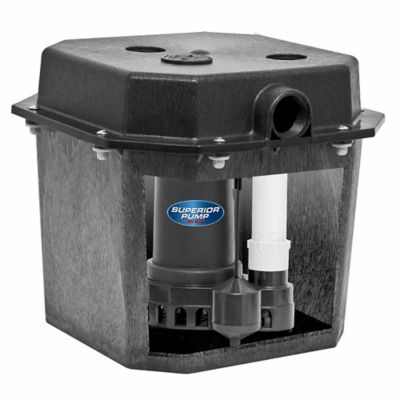
Check valves for water pumps let water travel in one direction and close automatically when flow stops or tries to reverse. Pressure from the moving water opens an internal disc, poppet, or flap; a spring, gravity, or reverse pressure helps close it, depending on the design. That simple action helps keep water from draining back through the pump after it shuts off. On a rural property, that can matter anywhere a pump moves water from a well, empties a sump pit, or supplies an irrigation line. A properly matched check valve can help a jet pump system retain its prime, keep a discharge line from draining backward, and support steady operation in a pressurized water system. For submersible well pumps, retaining the water column above the pump is a key part of the job. The valve works alongside the pressure tank, controls, and piping rather than taking the place of any of them. If a leaking check valve allows pressure to drop while no water is being drawn, the pump may start more often than it should. Repeated cycling can also come from other system problems, so a replacement valve is not a cure for every pressure complaint. Water hammer deserves the same care: valve design and closing speed can affect pressure surges, and a valve that slams shut can make knocking worse instead of stopping it. The right match depends on the pump and piping arrangement, not simply the largest opening or strongest spring. Around a barn, a house, or a garden watering setup, the goal is straightforward: move water where it belongs without letting it run backward when the pump stops. These valves serve homeowners, livestock owners, growers, and property caretakers who need a one-way control suited to their particular water system. Some belong on the pump discharge, while a foot valve combines a check mechanism with an intake screen at the submerged end of a suction line. Those roles are different, and the pump manufacturer's requirements determine which arrangement fits.
Material and connection details do a lot of the work when narrowing down check valves for water pumps. Brass bodies are common in water-system plumbing, while stainless steel may suit applications that call for greater corrosion resistance. Neither material is a blanket answer for every well: water chemistry, the specific alloy, and the manufacturer's compatibility information all matter. PVC check valves can fit compatible plastic piping in certain irrigation and other water-handling systems, provided their service ratings match the application. The internal seal matters just as much as the outer body, especially where the water contains treatment chemicals or other substances that can affect rubber components. For water that people or animals drink, materials and certifications should suit the intended service; drinking-water systems need components that meet applicable potable-water requirements. Pipe size is another place where a close-looking match may not be a match at all. Nominal pipe size does not describe every outside measurement, and thread type must agree on both sides of the connection. Threaded ends, solvent-weld connections, union connections, and hose barbs each suit different layouts. A union-style connection can make later access easier in a tight pump shed, while a hose connection belongs with the correct hose diameter and securing method. Systems with flexible water lines may call for
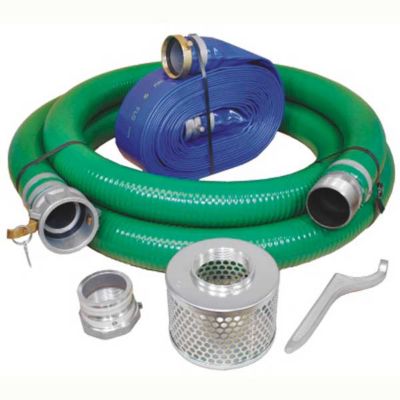
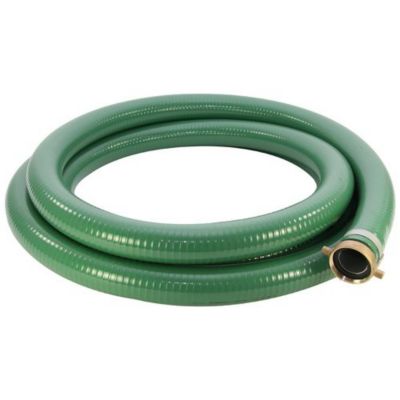
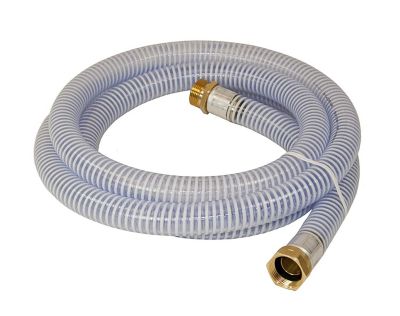
Hose Check Valves rather than a valve with threaded pipe ends. Connection size alone does not establish flow capacity, either. A valve with a narrow internal passage can restrict flow even when its ends fit the pipe. Working-pressure ratings should cover the system's operating conditions, including pressures the setup can experience beyond ordinary running pressure. Clear specifications make it easier to compare body material, seal material, connection type, and intended service without assuming that valves with similar shapes perform the same job.
The mechanism inside the valve affects how it behaves once the pump gets to work. Spring-loaded designs close with help from a spring, while swing checks depend on a hinged disc and an installation position that lets it move properly. Some spring checks allow more mounting flexibility, but approved orientation still comes from the manufacturer's specifications. The flow arrow on the body shows the direction water is meant to travel, which is especially helpful where pipe runs turn behind a pressure tank or disappear beneath a pump platform. Cracking pressure—the pressure difference needed to begin opening the valve—also matters. A pump working near its suction-lift limit or a low-pressure application can lose useful performance if the valve needs more opening pressure than the system can comfortably provide. A suction-side valve must suit suction service, and an airtight connection matters there because even a small air leak can interfere with prime. Water carrying sand, grit, or plant material puts another demand on the moving parts. An appropriate intake screen can help keep larger debris out, though it needs attention so buildup does not choke the water supply. For a stock-water system fed from a storage tank, keeping the intake clear can be just as important as matching the valve itself. Care centers on accessible connections, sound seals, and a closing surface free of debris. Draining back, unexplained pressure loss, or a new rattle can point to a valve that needs inspection, although other pump and piping faults can cause similar symptoms. Any servicing calls for disconnecting pump power and relieving trapped pressure first. Finally, an ordinary check valve is not automatically an approved backflow preventer for a drinking-water connection. Irrigation hookups, chemical injection, and connections between separate water sources may require a designated backflow-prevention assembly under local rules. Matching the valve to its actual job helps protect the pump's operation and keeps a water system ready for everyday chores.