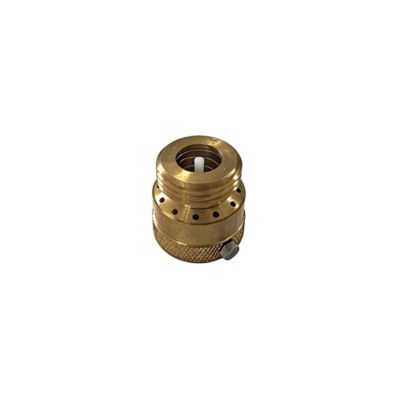
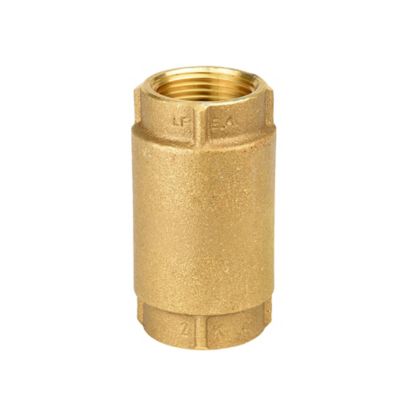
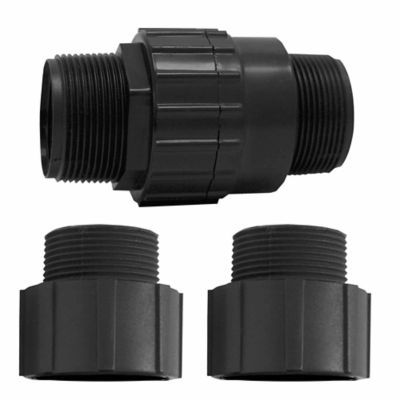
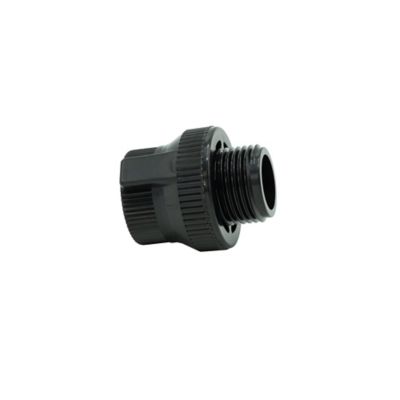
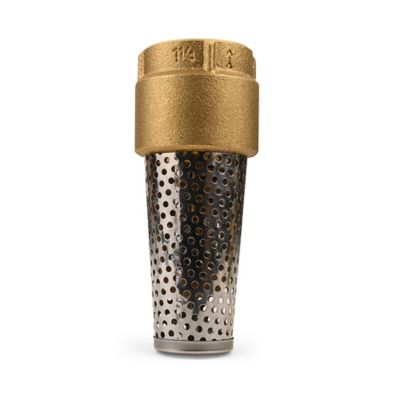
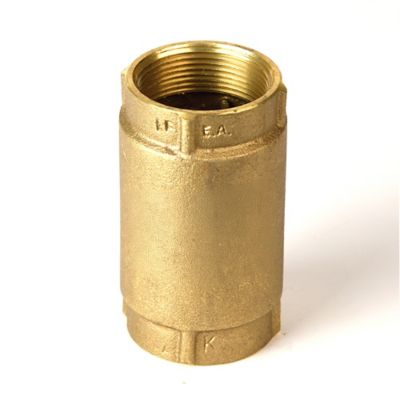
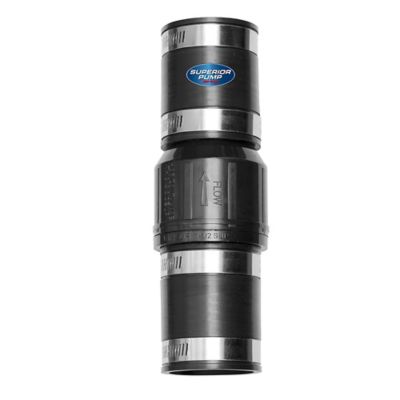
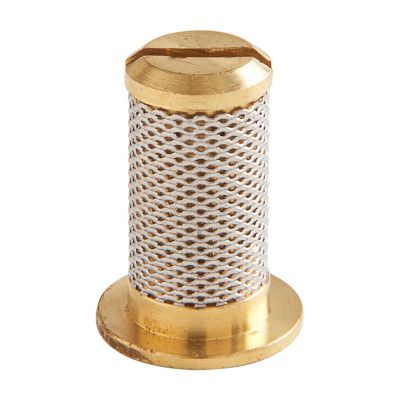
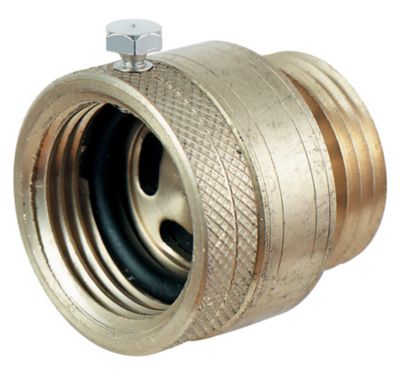
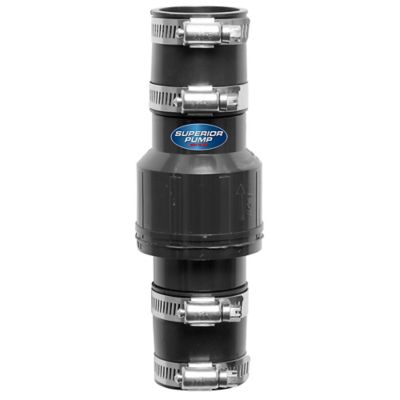
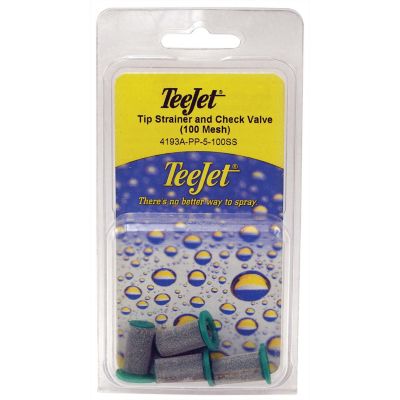
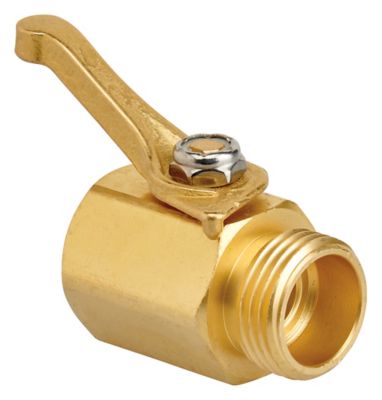
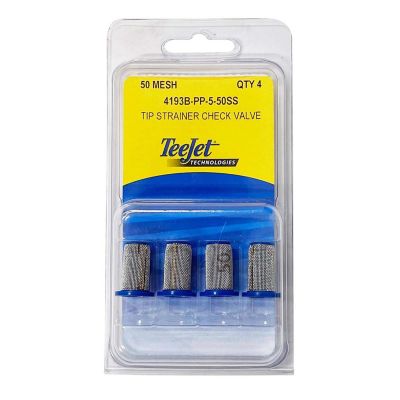
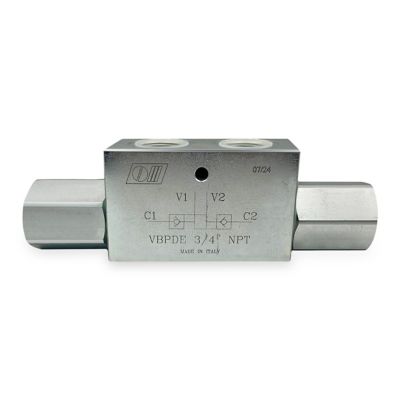
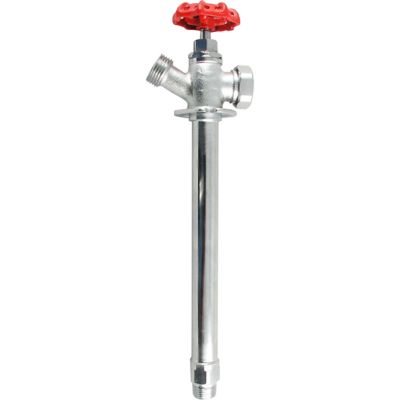
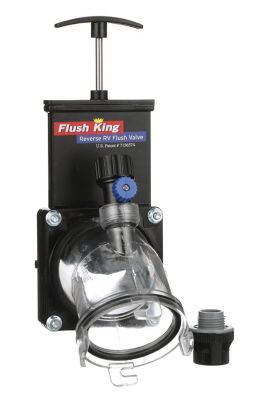
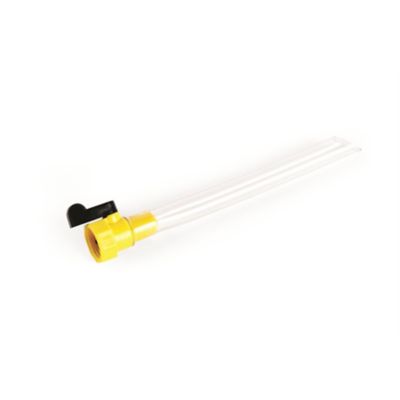
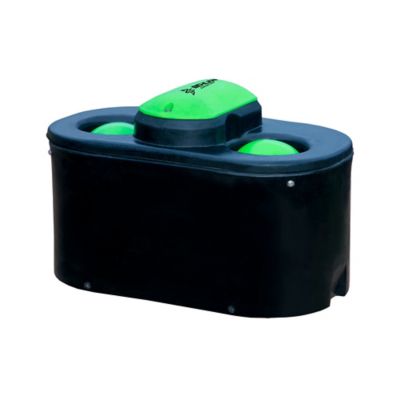
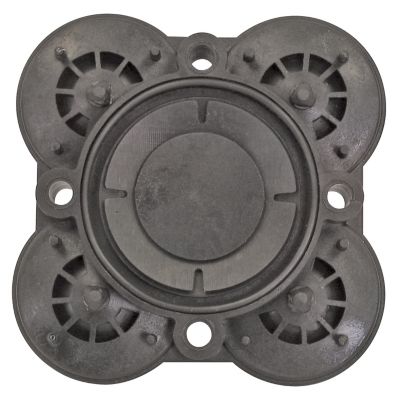
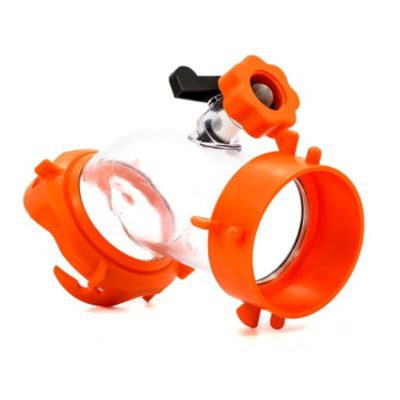
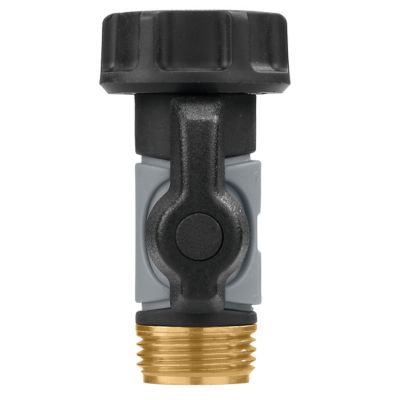
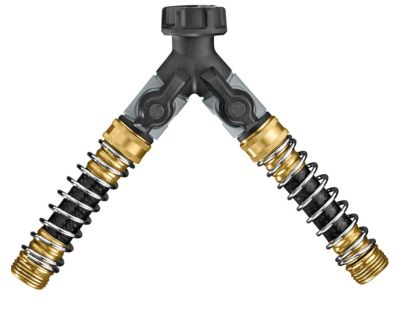
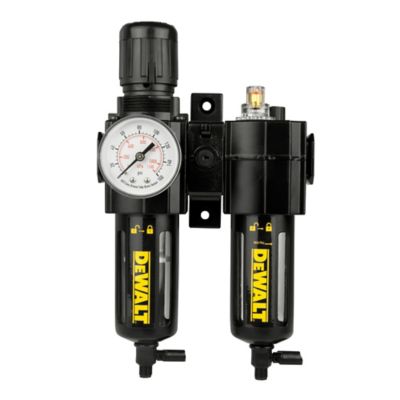
When it comes to keeping your water systems running clean and safe, backflow prevention check valves are a must-have on the farm, around the homestead, or even in town. These little workhorses are designed to make sure water flows in just one direction, protecting your drinking water from any unwanted contaminants that could sneak in from irrigation lines, livestock troughs, or outdoor faucets. Folks who rely on well water, run garden irrigation setups, or have livestock waterers know how important it is to keep everything separated and safe. During the warmer months, when hoses and sprinklers are in heavy use, and even as things cool off and you’re buttoning up the place for fall, having a solid backflow prevention system in place offers peace of mind. Whether you’re setting up a new system or replacing old valves, it’s worth taking the time to pick the right type—some setups call for a basic check valve, while others, especially those tied to potable water, might need a more complex assembly with double checks or relief mechanisms. Local plumbing codes often spell out what’s required, so it’s smart to check those before you buy.
Backflow prevention check valves aren’t just for big operations or professional plumbers—they’re a practical upgrade for anyone who wants to protect their water source, whether you’re running a small backyard garden or managing a larger property. They make a thoughtful gift for the DIYer in your life, especially if you know someone who’s always tinkering with their irrigation or water pump systems. Installing or upgrading a check valve can be a straightforward weekend project, and it’s one of those improvements you’ll be glad you made when the unexpected happens, like a sudden drop in water pressure or a surprise freeze. For those with water pumps, sump pumps, or any kind of water transfer setup, it’s also worth learning about the different types of valves available—double check assemblies, reduced pressure zone devices, and pressure vacuum breakers all serve different needs, with some offering extra protection against backflow in high-risk spots. If you’re curious to learn more about how these valves work with water pumps, check out our detailed guide here:
Check Valves for Water Pumps.
As you keep an eye on your water systems through the changing seasons, remember that a little prevention goes a long way. Whether you’re prepping for heavy summer watering or getting ready for the first frost, making sure your check valves and backflow preventers are up to the task can save you big headaches down the road. From protecting your family’s drinking water to keeping your livestock healthy and your gardens green, these valves are a simple but essential piece of the puzzle. They come in a range of sizes and configurations, so you can find just what you need for your setup—just be sure to match the valve to your system’s requirements and any local codes. With the right backflow prevention check valve in place, you can get back to what matters most, knowing your water is flowing safe and sound in the right direction.