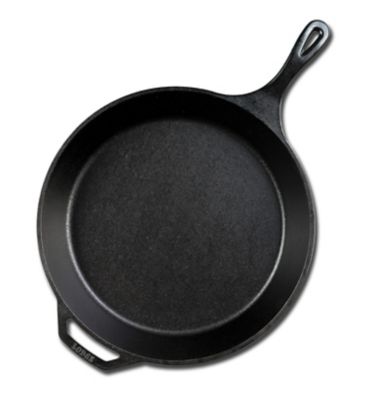
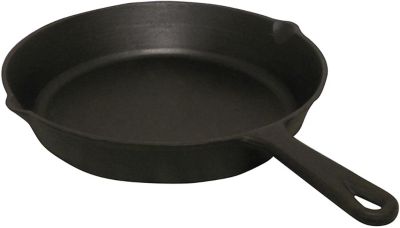
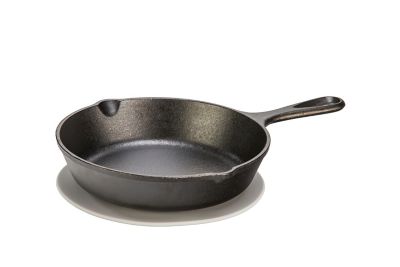
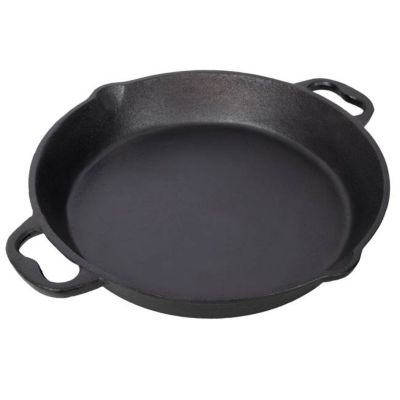
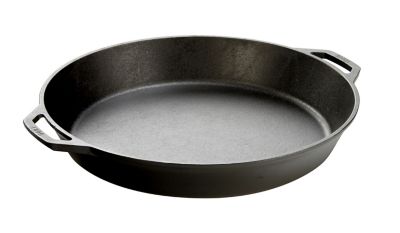
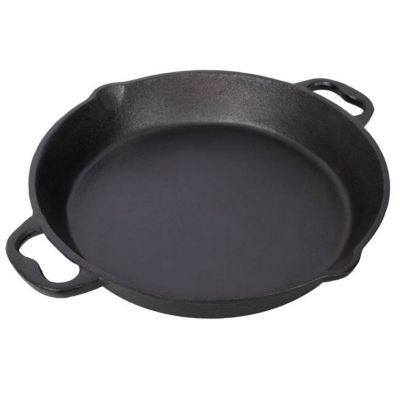
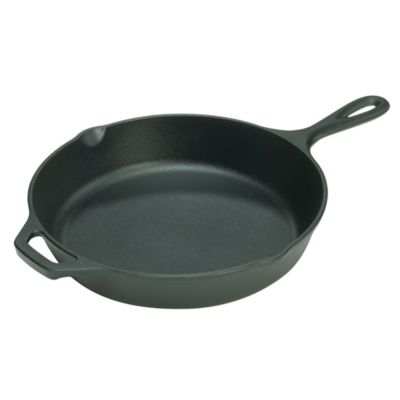
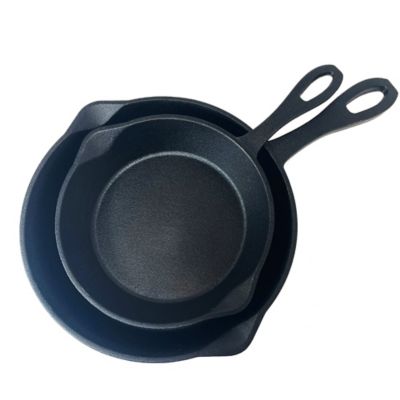
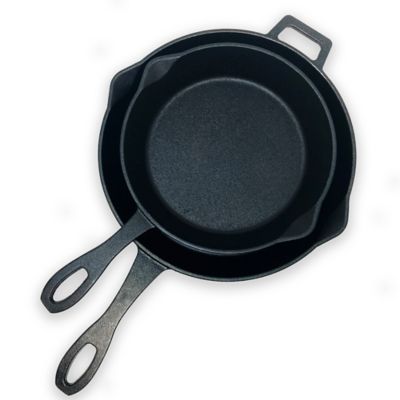
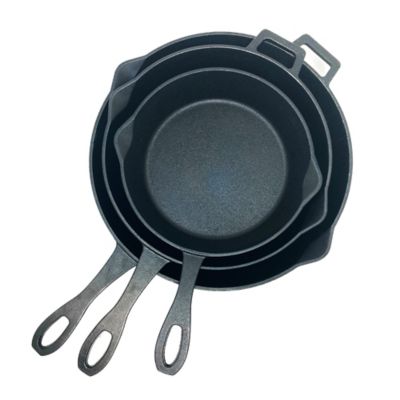
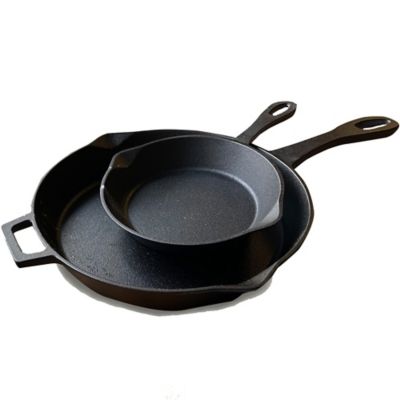
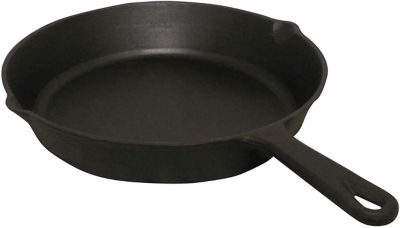
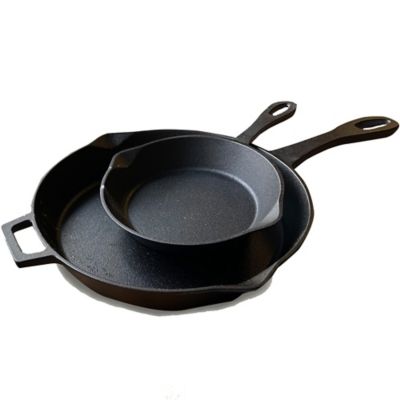
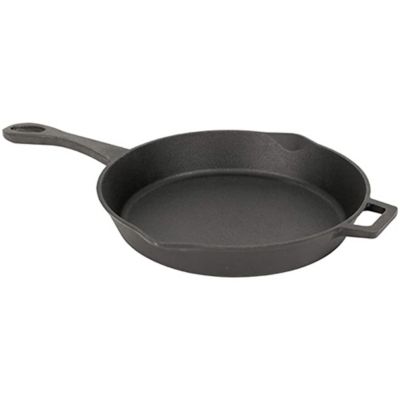
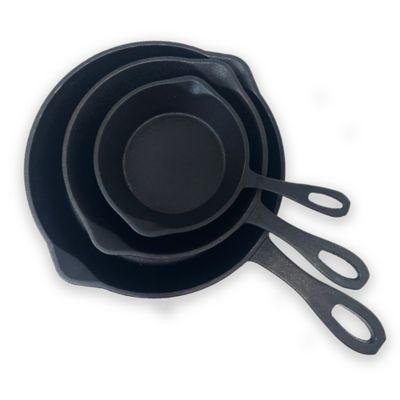
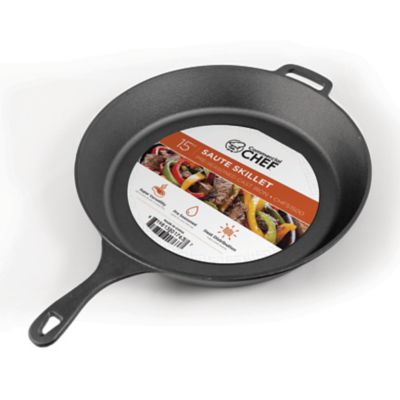
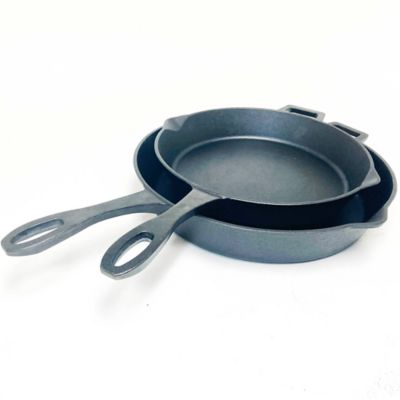
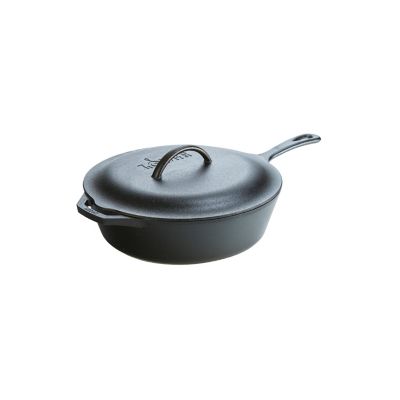
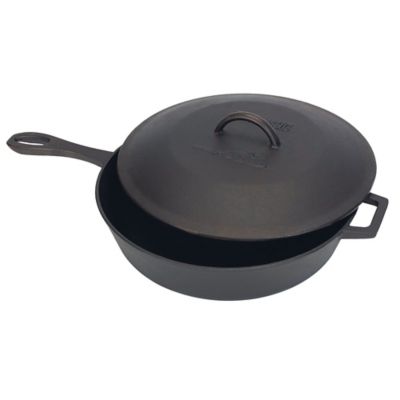
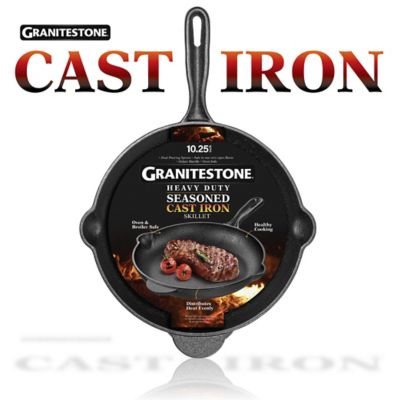
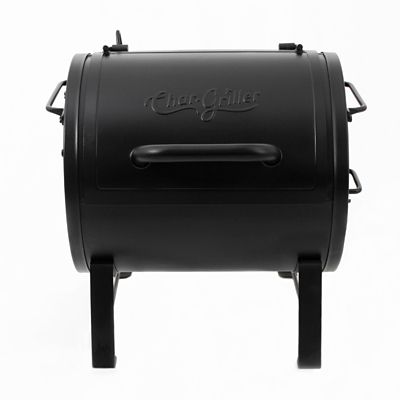
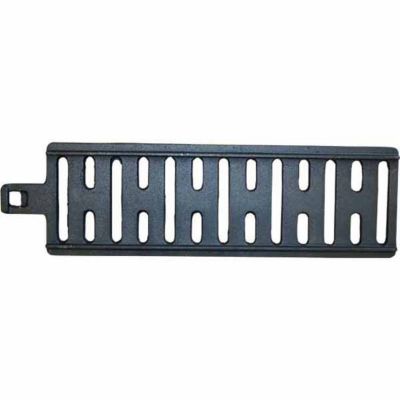
Cast iron skillets for grilling put a solid cooking surface right on compatible grill grates, helping hold the heat needed for a deep sear on steaks, burgers and chops. Their sides also keep sliced onions, mushrooms, peppers and other small ingredients from slipping into the fire. That combination makes a skillet handy for cooking the main dish, a side or a whole meal outdoors without carrying everything back to the kitchen. Cast iron takes time to heat through, but once hot, its substantial body helps maintain cooking heat when food hits the pan. A steak can develop a browned crust across its surface, while potatoes get crisp edges and chopped vegetables stay within reach of a spatula. A smooth-bottom skillet gives food broad contact with the cooking surface, making it a practical choice for searing, frying and stirring together a panful of ingredients. A ridged cast iron grill pan creates grill marks and holds food above some of the rendered fat, though its raised cooking surface has less contact with the food than a flat skillet. The grooves also take a little more attention during cleanup. Neither style replaces the open grate for every job; each adds another way to handle foods that benefit from a pan. Shrimp, flaky fish and small pieces of sausage are easier to contain, and a skillet keeps butter, cooking oil and pan juices close to the food. Browning meat first and finishing it over gentler heat gives the pan a role beyond a quick sear. For someone grilling supper after chores, that might mean pork chops with onions cooked alongside them. For a backyard gathering, it could mean a pan of peppers ready for sandwiches while the meat finishes elsewhere on the grill. The appeal is straightforward: familiar cookware that brings more cooking options to an outdoor setup.
Fit matters just as much as cooking capacity when choosing a cast iron skillet for a grill. The pan needs a steady resting place on the grate, enough room for its handle and sufficient clearance for the lid to close when the meal calls for covered cooking. Overall dimensions tell more of that story than the cooking diameter alone. A long handle can reach beyond the edge of a compact grill, while a wide skillet may leave little room for food cooking directly on the grate. Sidewall height matters, too: deeper walls help contain a generous helping of vegetables or a saucy dish, while lower walls make it easier to slide a spatula beneath a burger or fish fillet. A smaller skillet suits a couple of steaks or a side dish, and a larger cooking surface provides space between portions so moisture can escape instead of collecting around crowded food. That extra room can make a noticeable difference when browning mushrooms or getting a crust on meat. Larger cast iron pans also weigh more, especially when full, so handle shape and a helper handle deserve a close look. Cast iron handles get hot along with the pan; dry, heat-rated gloves and a solid landing spot belong in the cooking setup. Compatibility with gas, charcoal or pellet grills depends on the cookware’s construction and the grill maker’s directions, including any limits on heat or placement. Wooden handles, coatings and other added components may have restrictions that bare iron does not. A skillet over direct heat can handle searing, while a position away from the strongest heat can suit finishing or holding food briefly. Gradual preheating helps the metal warm more evenly, and even well-heated cast iron can have hotter spots over a burner or concentrated bed of coals.
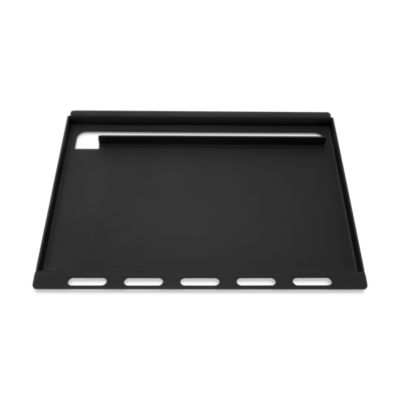
The surface and care needs of cast iron are worth considering before making it part of a regular grilling routine. Bare cast iron relies on seasoning, a thin layer of bonded cooking oil that helps protect the metal and makes food release more easily with proper heat and enough cooking fat. That surface can improve with regular cooking and attention, but it is not a promise that every egg or piece of fish will slide free without effort. Factory seasoning provides a starting point, while ongoing care helps maintain the finish. A practical cleanup routine includes removing food residue, washing with warm water and a little mild dish soap when needed, then drying the skillet thoroughly. A light wipe of cooking oil before storage helps protect exposed iron from moisture. Long soaking, dishwasher cycles and storage while damp can encourage rust, and putting a very hot skillet into cold water risks thermal shock. Long simmers with acidic ingredients, such as tomato sauce, can also affect the seasoning on bare iron, making intended use an important part of the choice. Coated cast iron has different care requirements and heat limits, so the maker’s directions matter for both cooking and cleanup. With suitable care, a cast iron skillet can remain part of the cooking lineup for many years, moving between compatible outdoor and indoor heat sources as its design allows. Cooks looking for a broad, open surface at the kitchen range may also find
cast iron griddles for gas stoves a good fit for pancakes, eggs and toasted sandwiches. For gifting, a skillet makes sense for someone who enjoys grilling, cooks at camp where permitted or likes cookware that can handle several jobs. Matching its size and weight to the recipient’s grill and cooking habits makes the gift more useful than choosing the biggest pan. From a few burgers for supper to a skillet of potatoes beside the main course, the right fit earns its place through everyday meals.