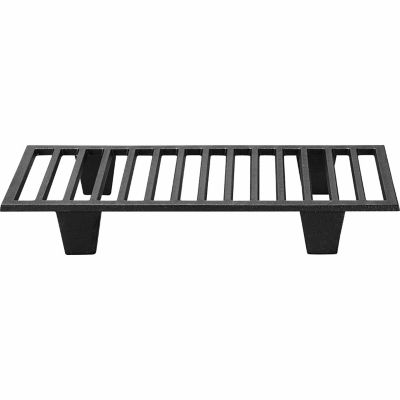
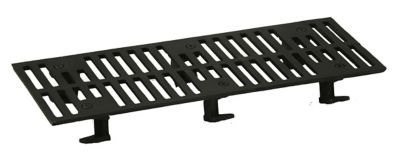
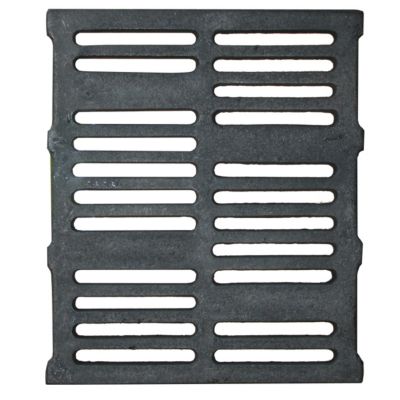
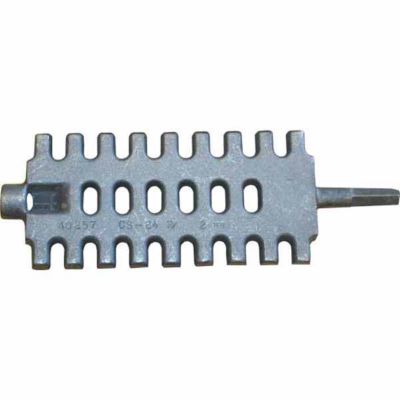
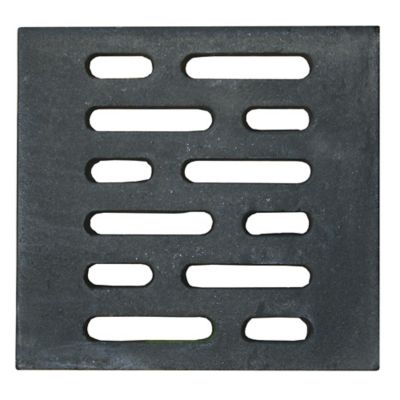
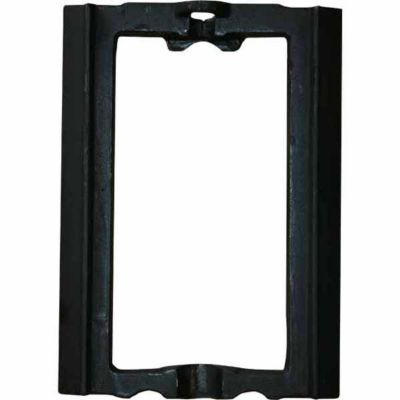
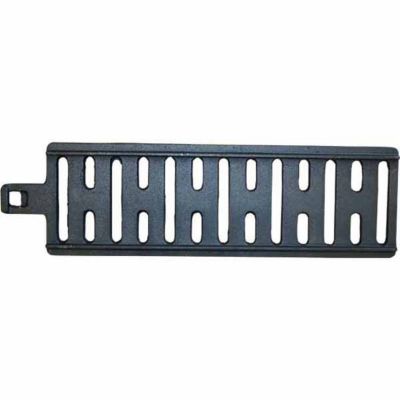
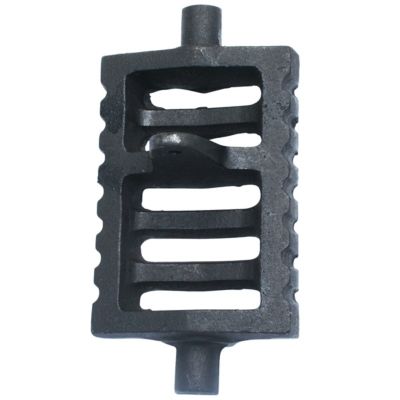
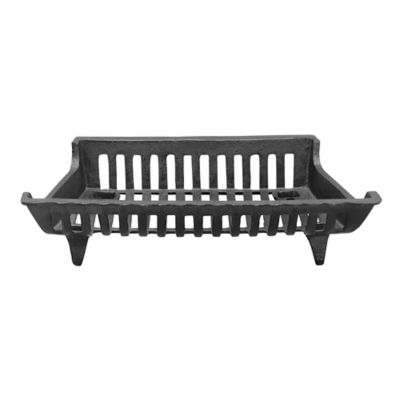
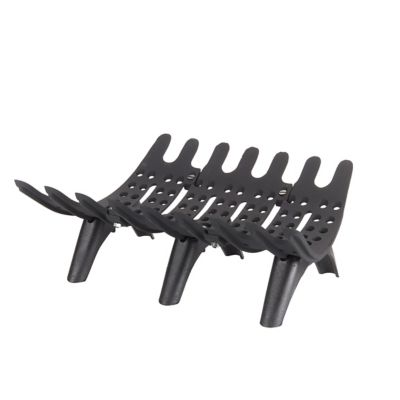
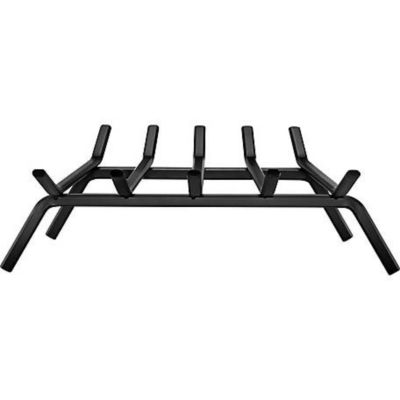
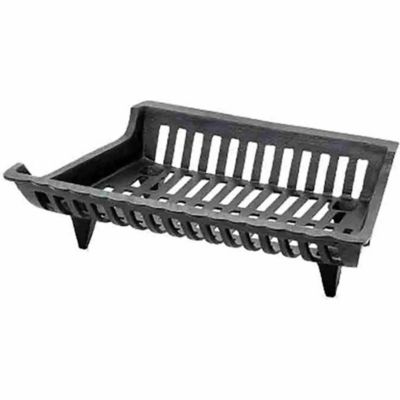
Cast Iron Wood Stove Grates help lift firewood above the floor of a wood stove or fireplace, giving air a path beneath the logs and helping embers stay gathered in one place. That raised position can support a steadier fire by allowing oxygen to move under the wood, while the grate helps keep logs from sitting directly on the firebox floor. Many homeowners, cabin owners, hunters, and folks heating a workshop turn to a cast iron grate when they want a tidier hearth and simpler ash cleanup during the cooler months. A well-fitted grate can also help shield the base of the firebox from the direct heat of burning logs, though it should always be selected and installed according to the stove or fireplace maker’s instructions. Before choosing one, measure the firebox width and depth at the point where the grate will sit, then compare those measurements with the listed grate dimensions. Leave enough room for the grate to rest level without pressing against the side walls or door. Basket-style grates can help hold several logs together, while a flatter design may suit a compact firebox or a particular stove layout. The shape of the firebox matters just as much as the overall size, so take note of sloped sides, raised ledges, firebrick, and any interior rails that could affect placement.
A cast iron wood stove grate may be a practical pick for someone settling into a country home, outfitting a hunting cabin, or getting a hearth ready before the first stretch of chilly weather. It can also make a thoughtful housewarming gift for a friend with a wood-burning stove, fireplace, or outdoor hearth, especially when you know the inside measurements and fuel type. Some setups burn firewood only, while others are designed for wood and coal, and those arrangements may call for different grate shapes and spacing. Check the appliance manual before ordering, since not every grate is suited to every fuel or firebox. Think about how often the fire burns, how many logs the grate needs to hold, and how much room is available for ash beneath it. A grate that sits too low may restrict airflow, while one that is too tall can crowd the firebox or interfere with the loading door. When the fit is right, the firewood stays elevated, air can reach the underside of the fire, and loose ash has a place to fall away from the burning logs. That setup can make it easier to tend the fire with a poker or fire tool and can help keep the hearth area more orderly. For folks who enjoy cooking over a live fire as well as warming the house, cast iron has a place beyond the firebox; browse
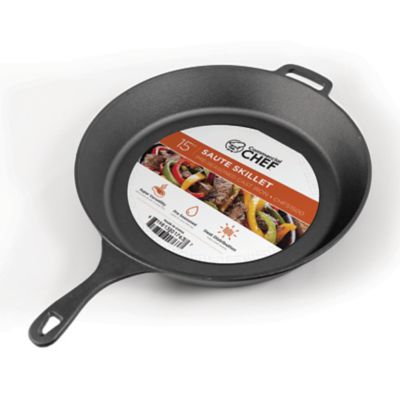
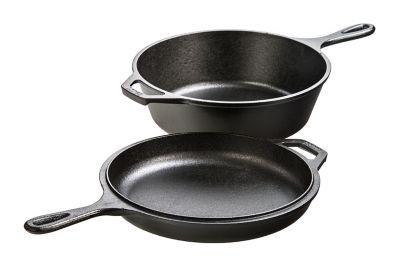
Cast Iron Skillets for Grilling for another way to put this classic material to work.
Care starts with letting the fire die down and allowing every part of the grate and ash bed to cool completely. Never pour water over hot cast iron, since a sudden temperature change can cause cracking or other damage. Once the grate is cool, lift out loose ash or brush it away with a tool made for hearth cleanup. Avoid striking the grate against a hard surface, and keep an eye out for cracks, warped sections, or spots where the metal no longer sits level. A small amount of ash can help protect the firebox floor, but a heavy buildup may block airflow beneath the logs, so follow the stove or fireplace instructions for ash removal. Keep the grate dry between fires, and store it in a sheltered place if it is removed for seasonal cleaning. Before each burn, check that the grate is stable, that the loading door closes properly, and that wood will not roll against the glass or spill into the room. These simple checks matter whether you are tending a fire on a quiet evening at home, warming up after chores, or keeping a cabin comfortable as the weather turns colder. With the right measurements, a suitable grate design, and routine care, a cast iron wood stove grate can help organize the firebox and make regular hearth tending feel more manageable.