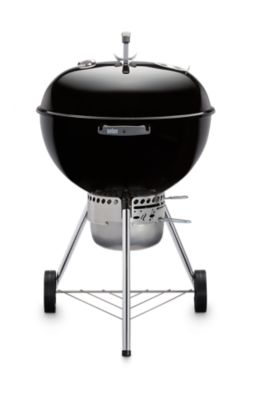
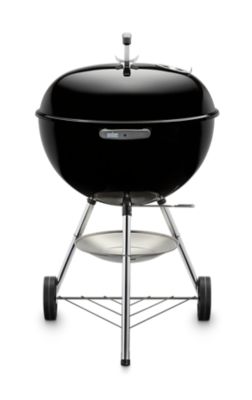
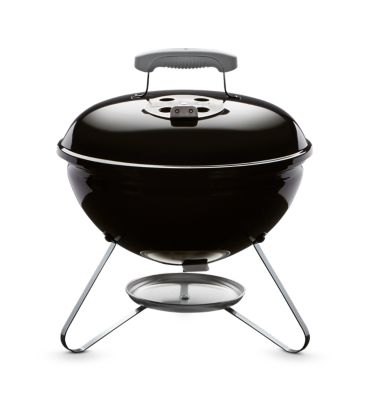
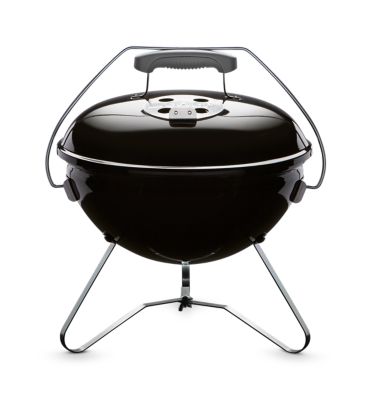
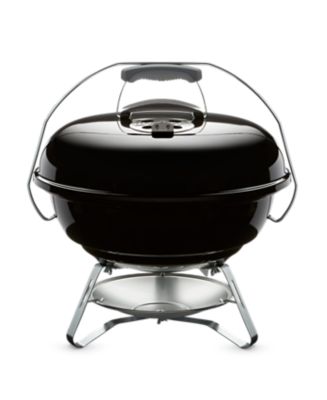
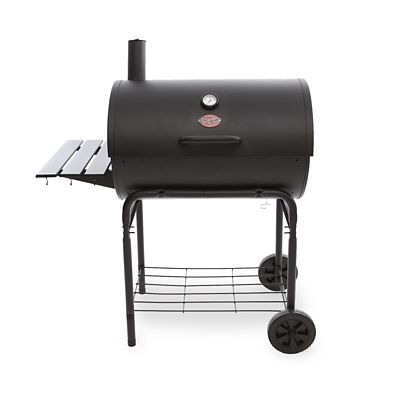
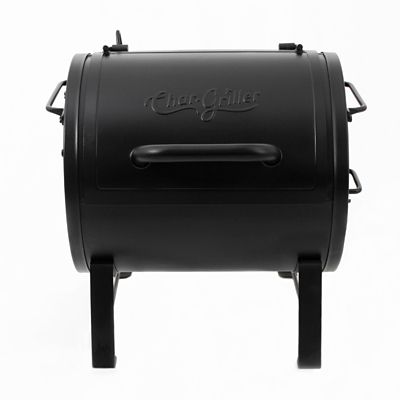
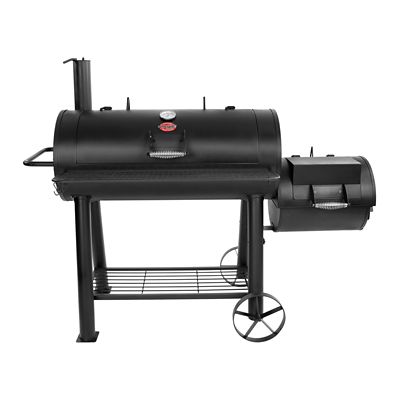
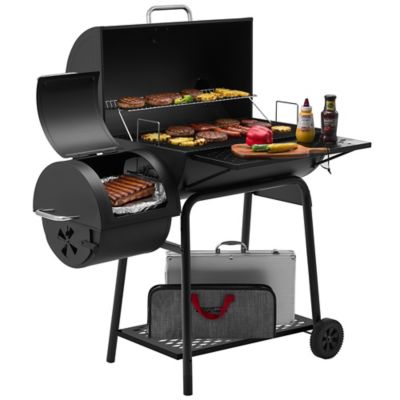
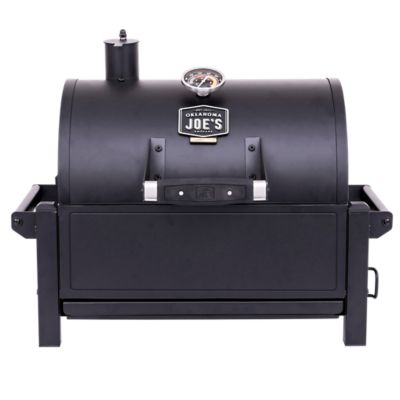
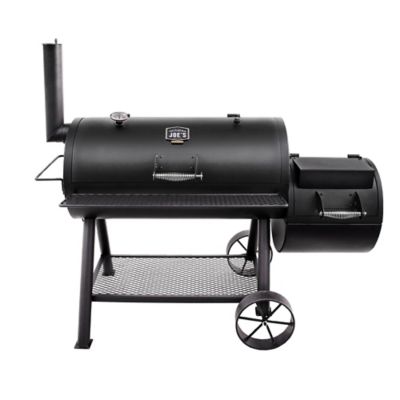
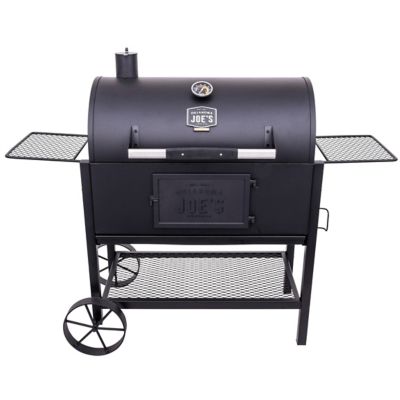
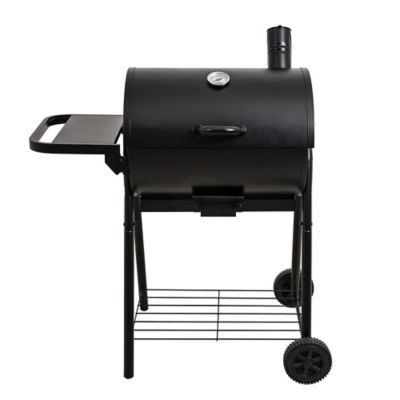
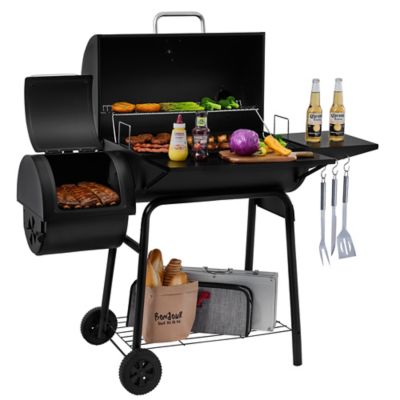
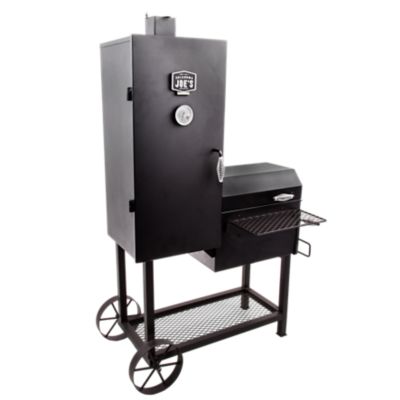
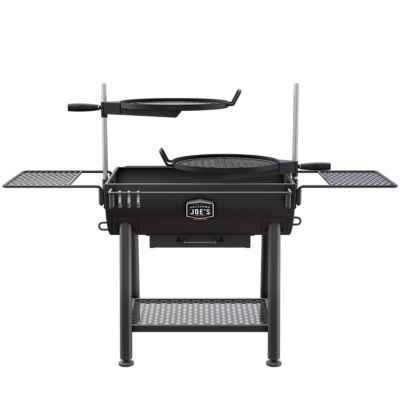
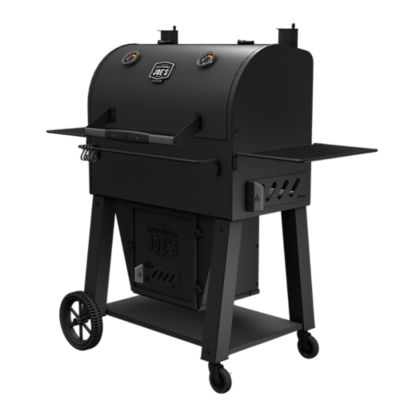
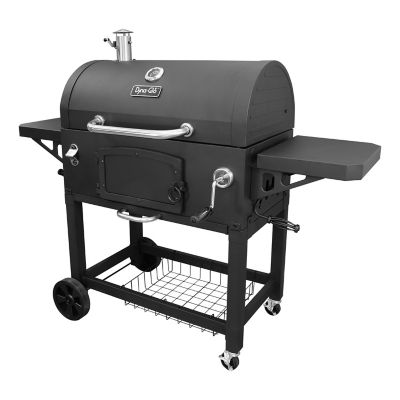
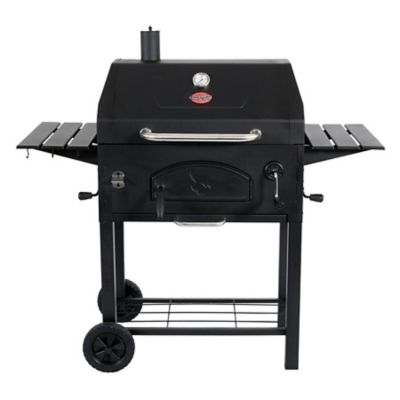
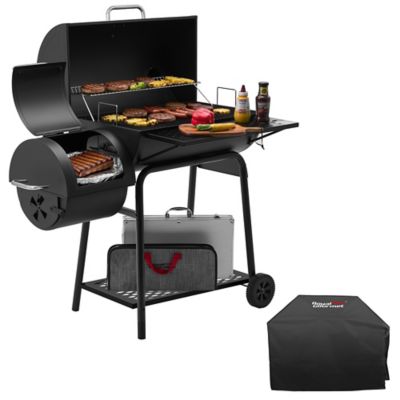
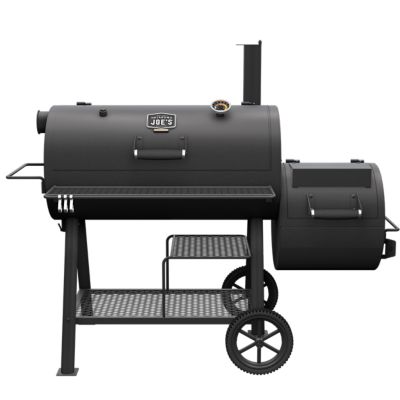
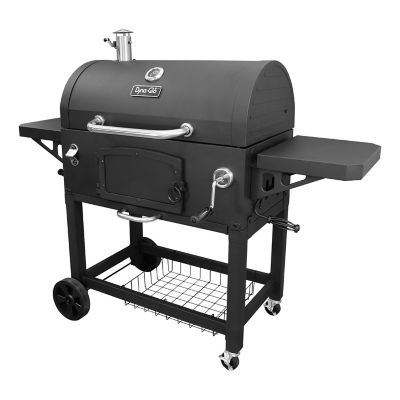
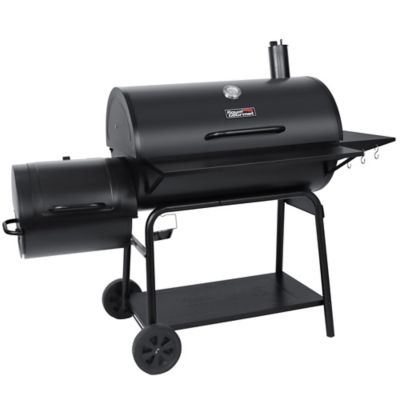
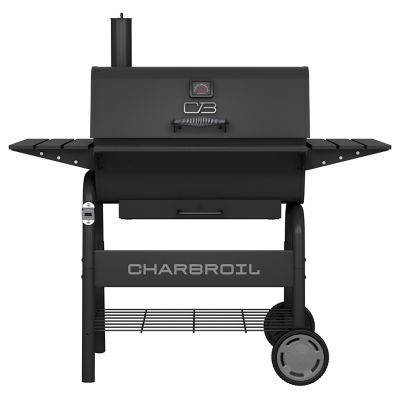
Charcoal grills for outdoor kitchens give the cooking area a focal point: a firebox for cooking over coals, with counter space nearby for everything that goes on and comes off the grate. A charcoal grill can serve as the main cooker in an outdoor kitchen or sit alongside another cooking surface when there’s more than one cook at work. Part of the appeal is the way a bed of coals can do two jobs at once. Bank the coals to one side and there’s direct heat for putting a good crust on pork chops, plus an indirect side where the chops can finish without sitting over the fire. The same setup leaves a spot to move a burger if fat dripping onto the coals kicks up a flare-up. Lump charcoal tends to come in irregular pieces, while briquettes are more uniform and can be easier to arrange in an even bed. How the grill handles either fuel depends in part on its vents, how much room there is under the grate and whether the grate or charcoal tray can be adjusted. A lid and adjustable vents matter more to the cook who likes to roast a whole chicken than to someone who mostly wants to sear steaks and blister peppers. Grate size is worth thinking about in terms of a real meal, not just a head count. A grate that holds plenty of burgers may feel small once half of it is set aside for indirect cooking and there’s a row of ears of corn going around the edge. On the other hand, a roomy grate may not be the best trade if it takes over the counter where the meat gets seasoned, the buns get set out and the cooked food gets plated. A little landing space on either side makes it easier to keep a platter of raw meat apart from the clean one waiting for supper.
The layout of the outdoor kitchen helps narrow the choice between a built-in charcoal grill and a freestanding one. A built-in grill fits into a dedicated opening in an island, leaving the counter on either side clear for prep. The opening needs to match the grill maker’s dimensions, and the island has to account for clearances, ventilation and any required heat shielding. A grill designed to stand on its own shouldn’t be boxed into an island just because the body fits the opening. A freestanding charcoal grill makes sense where the prep counter and storage are separate, or where the layout may change down the road. Either style belongs in an open, well-ventilated outdoor spot, set away from anything that can catch fire and installed according to the maker’s instructions and local fire rules. Beyond measuring the body of the grill, figure in where the lid goes when it’s open, how far the ash pan pulls out and how much room a cook needs to stand clear of the walkway. A deep counter doesn’t help much if it puts the back vent out of reach. Materials make a difference in how a grill holds up and how much tending it needs. Stainless steel resists corrosion, though grease and residue still need wiping away. Porcelain-coated steel is easy to wipe down when the coating is intact, so it pays to look at how the grates lift out without banging the edges. Cast iron holds heat well for searing, and bare cast iron needs to be dried and lightly oiled as directed to help prevent rust. Sturdy hinges, a grate that sits firmly in place and vents that move freely are details that matter each time the lid goes up or the fire needs adjusting.
Some of the most useful features on a charcoal grill don’t show their worth until after the food comes off. An ash catcher that slides out from the front can spare a cook from reaching into the firebox, especially when the grill is set into a counter. Removable grates make it easier to reach the corners where drippings and bits of food collect. Once the grill and coals are fully cool, clearing out the ash keeps it from building up around the lower vents and holding moisture against the metal. Clean the grates by the method recommended for their finish, and put a cover on only after the grill has cooled and the surfaces are dry. For the rest of the setup, it helps to have a dry place for charcoal and a spot for long-handled tools where they won’t get in the way of prep. A freestanding grill can make a fitting housewarming gift for someone who already has room to cook outdoors and likes tending a charcoal fire. A built-in grill is a more personal fit, since the person doing the cooking may care as much about where the lid opens and how the ash comes out as how many steaks fit on the grate. For a kitchen with space for two cooking surfaces,
Flat Top Grills For Outdoor Kitchens is a natural place to look for a companion to charcoal. A solid griddle surface keeps sliced onions and peppers from falling through while burgers cook over the coals, and it can handle eggs and pancakes when there’s no need to light a fire. Whether the charcoal grill handles the whole meal or shares the work, a good fit comes down to enough room for the fire, enough grate for the food and a clear stretch of counter to set down a full platter.