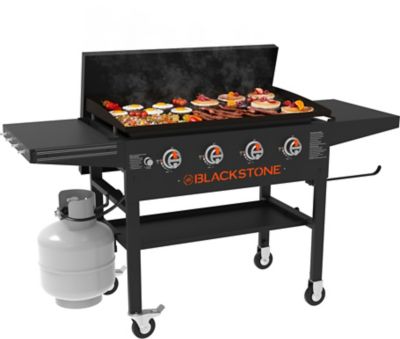
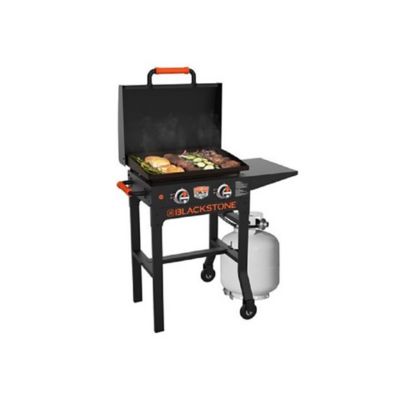
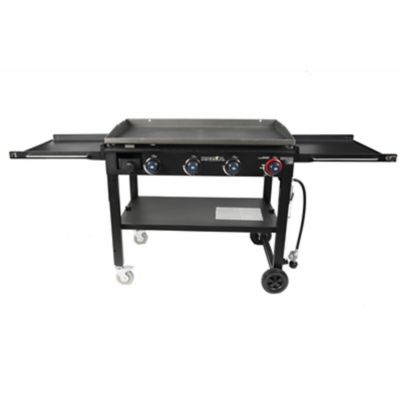
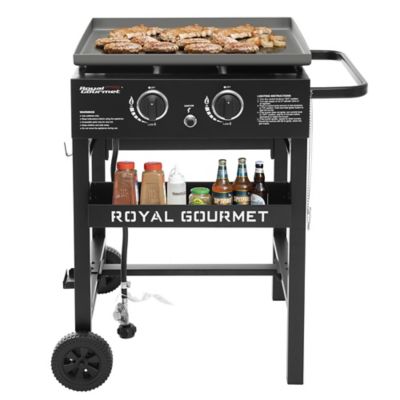
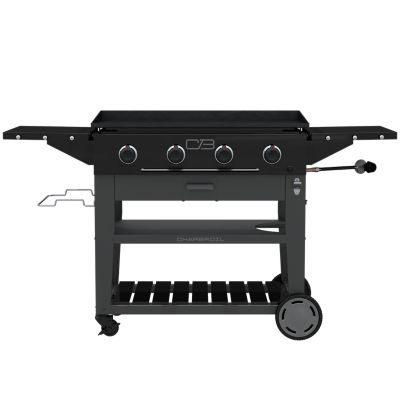
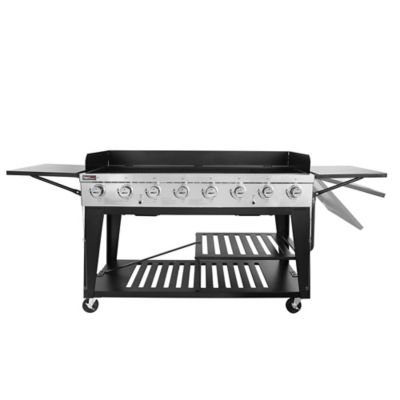
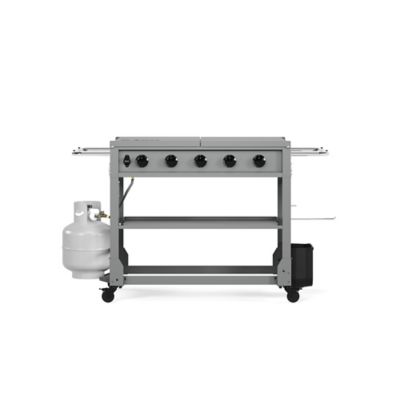
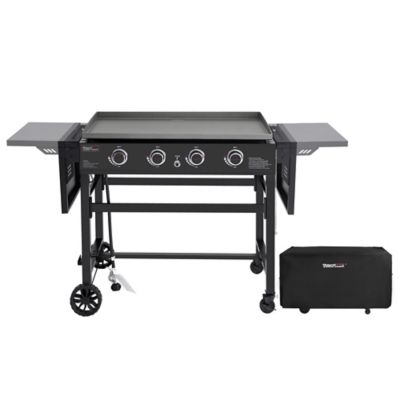
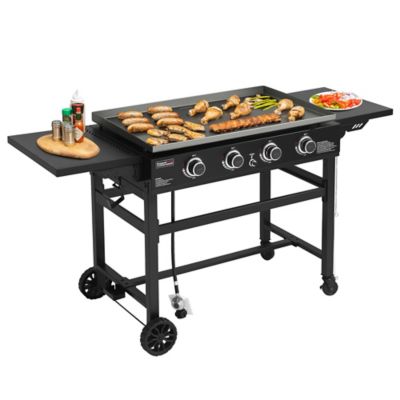
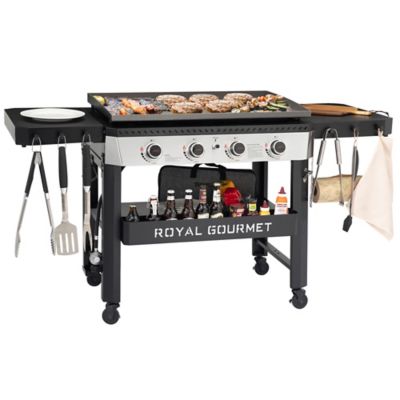
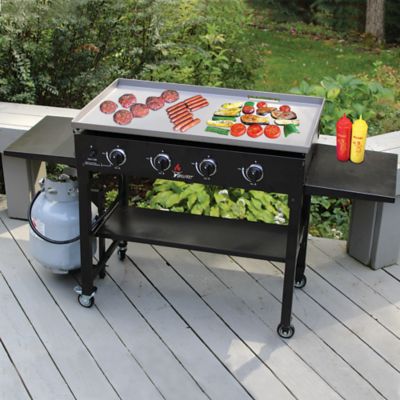
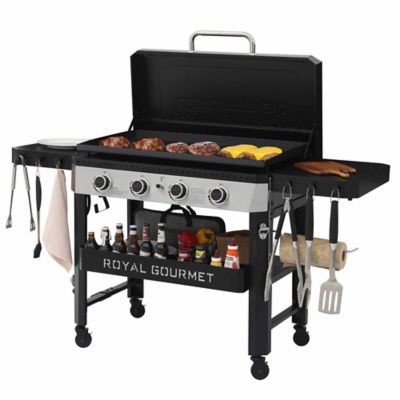
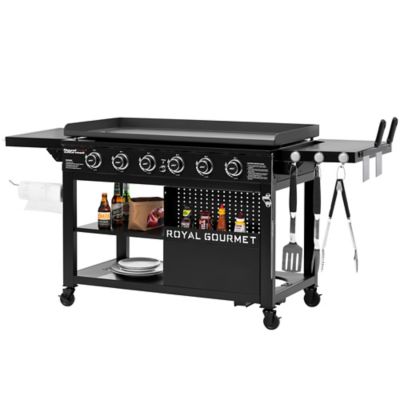
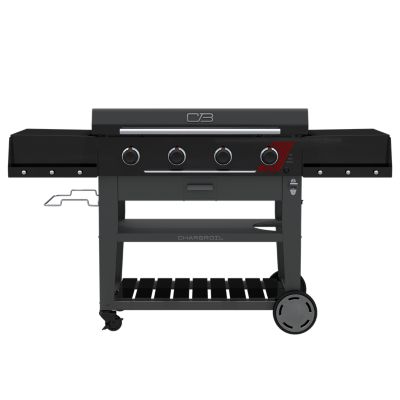
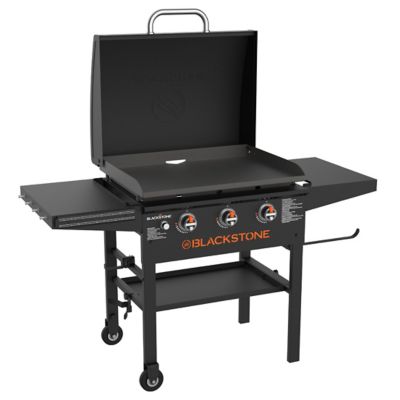
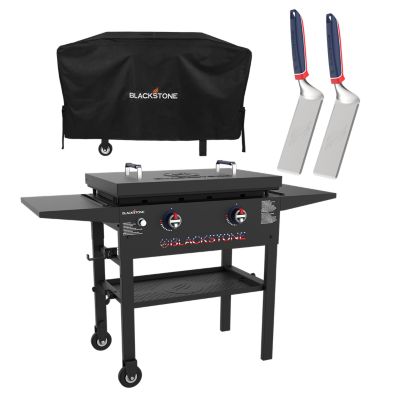
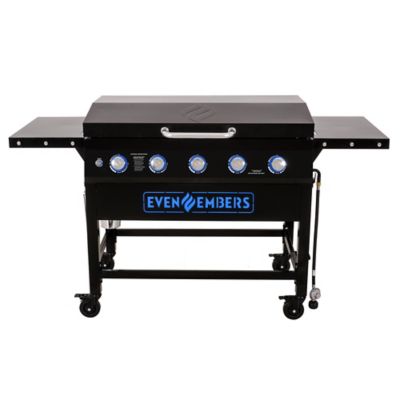
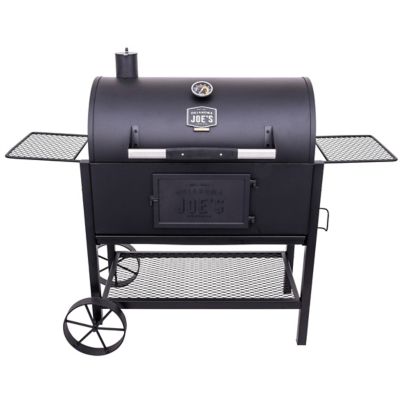
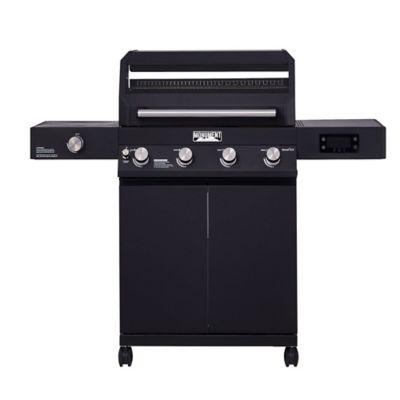
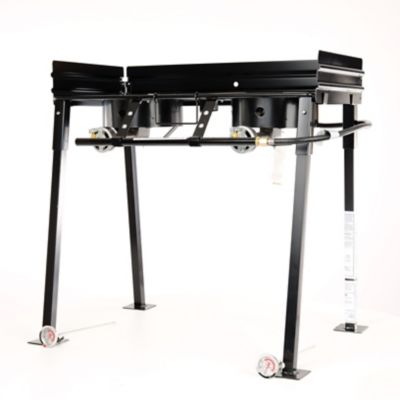
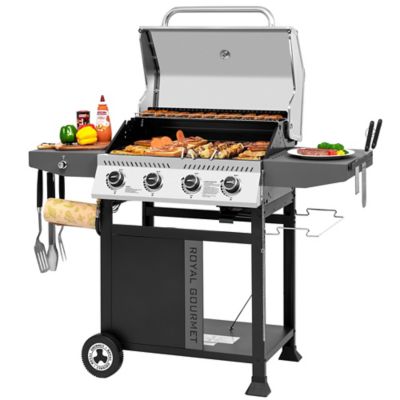
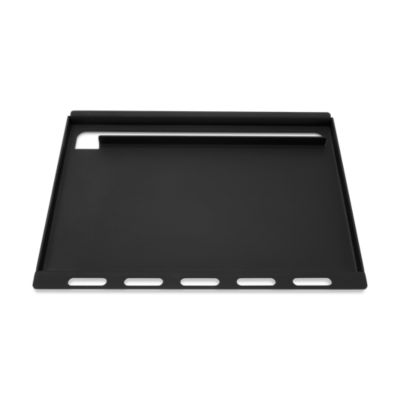
Flat top grills for outdoor kitchens bring a broad, solid cooking surface to the backyard, with room for everything from eggs and hash browns to steak sandwiches and a pile of peppers and onions. Unlike an open cooking grate, a flat griddle plate keeps smaller ingredients from falling through and gives food direct contact with the heated surface. That contact helps build a browned crust on burgers, toast sandwich bread, and cook chopped vegetables without a separate skillet. It also makes a flat top a practical gathering spot for families who like cooking supper outside or feeding a few extra folks after a day of chores. The right size depends on more than how many burgers fit across the plate. A couple cooking breakfast may appreciate a compact surface, while a household that regularly hosts neighbors may want enough space to handle meat, vegetables, and tortillas in separate areas. Leave room to turn food and move it between cooking zones rather than counting every inch as serving space. Multiple independently controlled burners can provide different heat settings across the plate, although heat will still travel through the metal between zones. That flexibility helps when onions need a little more time but the buns are ready to toast. A flat top also complements an outdoor kitchen with a traditional grill: the griddle handles loose ingredients and foods that benefit from full surface contact, while cooking grates expose food more directly to heat below and let drippings fall away. For a cooking area that includes both styles,
Gas Grills For Outdoor Kitchens offer a complementary option for grate cooking. Think of the flat top as an outdoor cooking station rather than just a burger cooker. From a quick lunch for two to a spread of fajitas for the whole table, its appeal is keeping several parts of a meal within reach and giving the cook space to work.
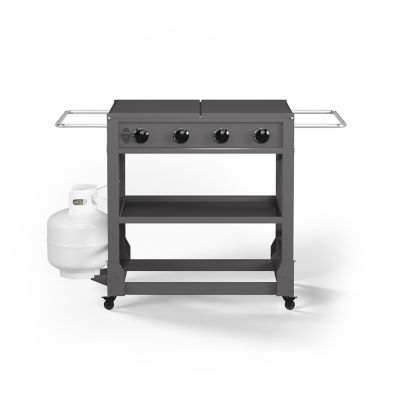
Construction and fit matter just as much as cooking area when a griddle becomes part of an outdoor kitchen. Steel cooking plates are common, and many need seasoning to help protect the surface and encourage food to release. Stainless steel cooking surfaces have different care needs, so the plate material deserves a closer look even when the grill body is also stainless steel. A stainless exterior does not necessarily mean the cooking surface is made from the same material. Plate thickness affects heat storage and recovery: a thicker plate generally holds more heat when cold food lands on it, but it can take longer to preheat and adds weight. Even cooking also depends on burner placement, burner design, and proper preheating, not thickness alone. Total burner output tells only part of the story; the relationship between that output and the size of the cooking surface matters, too. For installation, a freestanding flat top with a cart offers flexibility alongside an outdoor counter, while a built-in griddle fits into an island opening designed for that appliance. A cart grill should never be enclosed in an island unless the manufacturer expressly permits that installation. Check the full appliance dimensions, required cutout, access for service, and clearances from combustible materials before settling on a layout. Some installations require an insulated jacket, and enclosed spaces may need ventilation specified by the manufacturer and local code. Leave enough counter space for a platter of uncooked food and a separate spot for finished portions, with elbow room for scraping and turning. Propane can suit a setup without a permanent gas connection, while natural gas requires a compatible appliance and a properly installed supply line. Fuel types are not interchangeable without manufacturer-approved provisions. Qualified installation helps ensure that gas connections, shutoff access, and ventilation suit the appliance. For cart models, sturdy shelves, a steady base, and locking casters can make everyday cooking feel less cramped and keep the station from shifting during work.
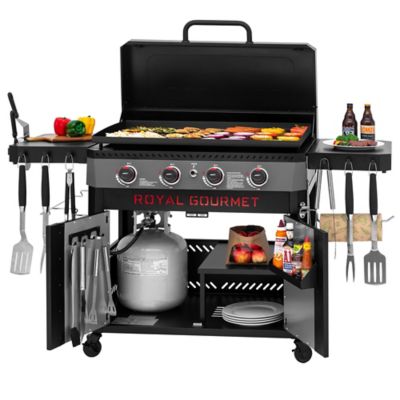
Grease handling and cleanup have a big effect on how pleasant a flat top is to cook on meal after meal. A broad cooking plate needs a clear path for excess grease and food scraps, whether that means a front trough, a rear drain, or another collection system. The opening should be easy to reach with a scraper, and the collection cup or tray should come out without awkward maneuvering around cabinets or shelves. Its capacity matters when bacon, burgers, or other fatty foods are regular favorites. Easy access makes it simpler to check the tray before cooking and empty it safely afterward, once it has cooled as directed. On steel surfaces that require seasoning, routine care usually includes scraping away residue, cleaning according to the manufacturer’s directions, drying thoroughly, and applying a thin coat of suitable cooking oil. Stainless steel and coated surfaces may call for different tools and cleaning methods, so one cleaning routine does not fit every griddle. Avoid treating a hot plate with a large amount of cold water, which can cause steam burns and may stress the metal. A fitted cover helps keep dust and debris off the appliance between meals, while a lid can protect the cooking plate if designed for that purpose. Not every lid is meant to stay closed during cooking. Let the appliance cool before covering it, and keep the surface dry to help limit corrosion. Long service life also depends on sound welds, secure handles, accessible burner components, and a frame that supports the weight of the plate without wobbling. For the person who enjoys feeding a crowd, those everyday details often matter more than extra bells and whistles. A flat top can make a thoughtful gift for a backyard cook, provided the recipient has a suitable outdoor location, the right fuel connection, and room for safe operation. Whether the usual meal is breakfast before chores or sandwiches after a long day, a well-matched griddle brings useful cooking space, straightforward handling, and an easier path from the cutting board to the supper table.