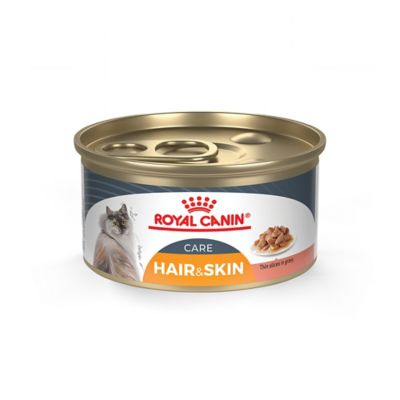
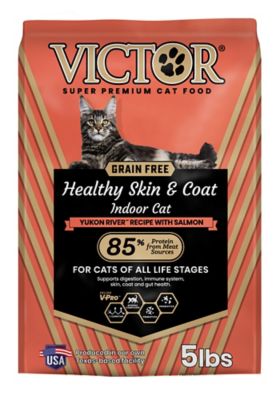
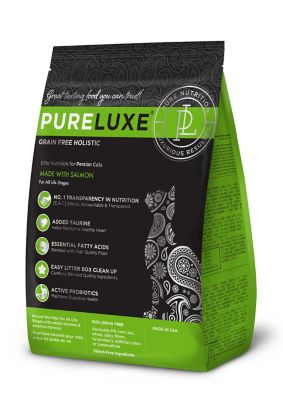
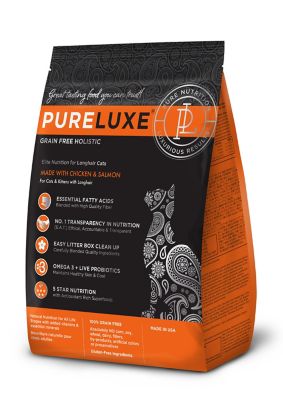
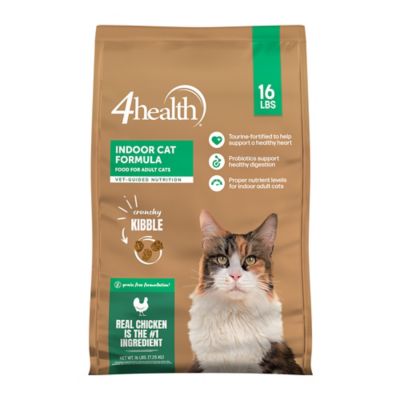
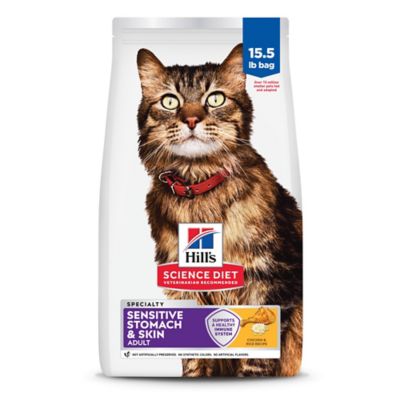
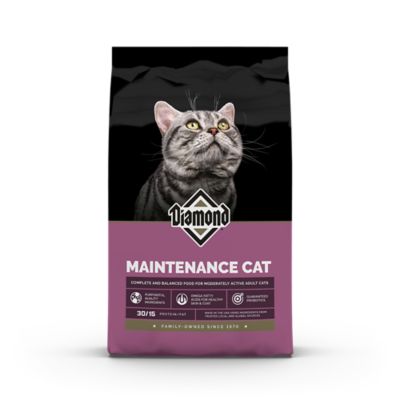
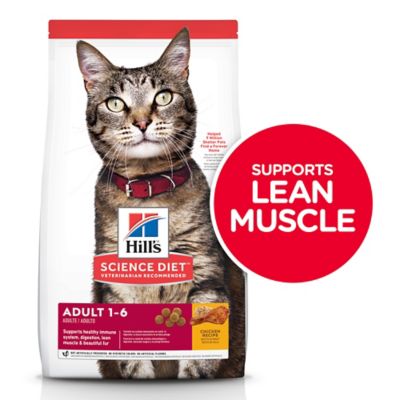
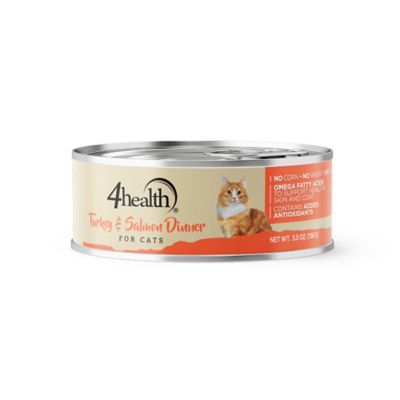
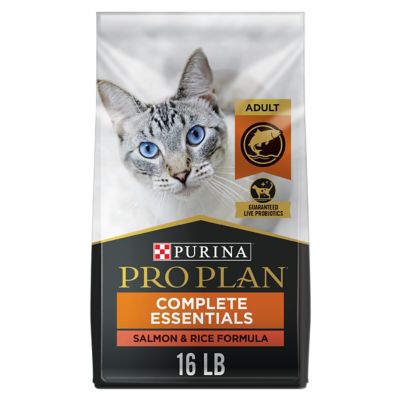
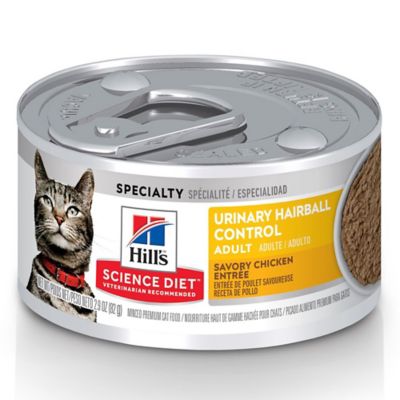
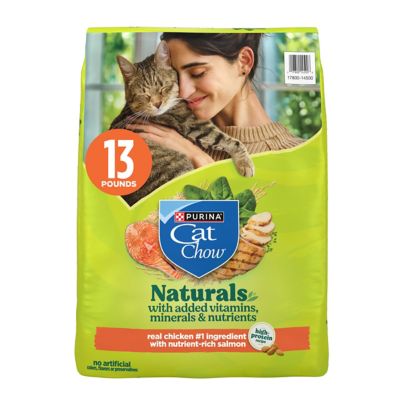
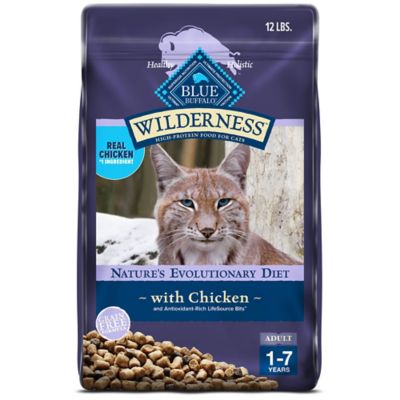
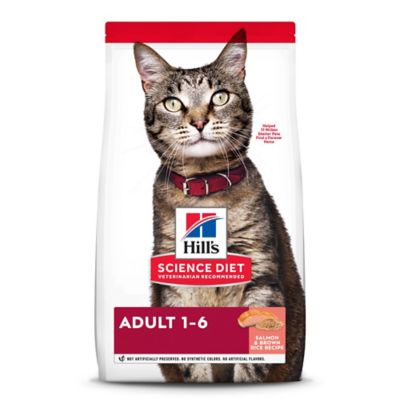
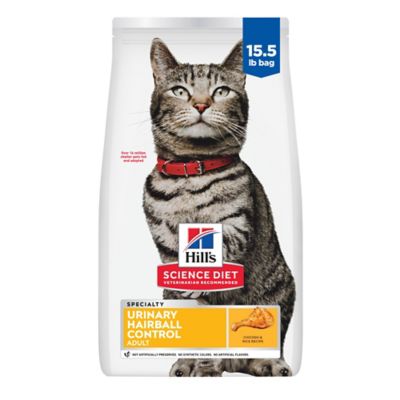
Cat food for long-haired cats can support healthy skin and a full, soft coat while helping address the swallowed fur that comes with regular grooming. A cat with a thick neck ruff, fluffy belly and feathered tail has plenty of hair to tend to, whether the day is spent watching birds from a windowsill or following chores around the house. Hair length alone does not determine nutritional needs, though. The foundation is a complete and balanced food that fits the cat’s life stage, activity level and health. Protein supplies amino acids needed to maintain muscles and build hair, while essential fats help support skin and coat condition. Cats also need nutrients such as taurine, vitamins and minerals in the right amounts, making a formulated cat food different from a bowl of meat or table scraps. Omega-3 and omega-6 fatty acids contribute to normal skin function and coat health; depending on the recipe, sources may include fish oil, animal fats or plant oils. Those ingredients support normal coat condition, but food cannot prevent all shedding or take the place of brushing. A nutritional adequacy statement on the package helps distinguish a complete daily diet from a food intended only for supplemental feeding. Statements referencing Association of American Feed Control Officials nutrient profiles or feeding trials also identify the life stage the food supports. Growing kittens need nutrition for growth, while adult cats need a diet suited to maintenance. Older cats may need a closer look at calories, muscle condition, dental comfort or an existing health concern rather than a change based on age alone. A thick coat can hide a lean frame or extra weight, so the feel of the ribs and the shape beneath the fur matter more than a fluffy outline. For a quiet house cat and a more active companion, the same serving size may not fit both. Daily nutrition works best when the food matches the whole cat, not just the length of its hair.
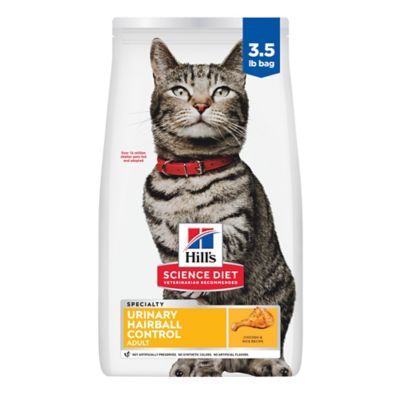
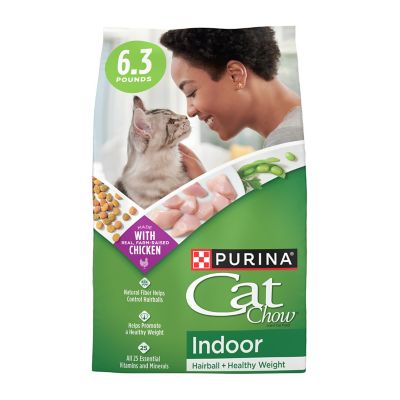
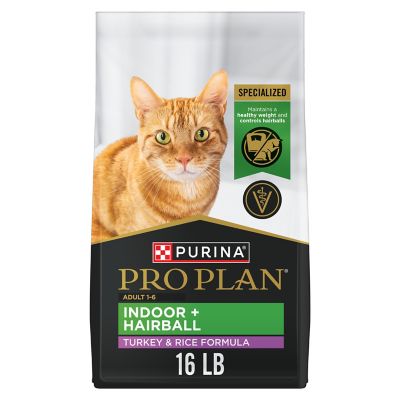
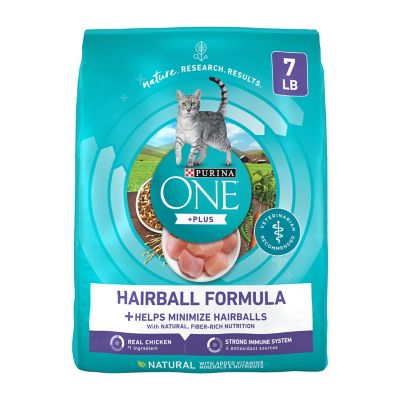
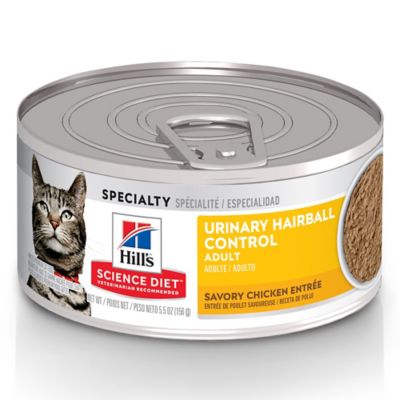
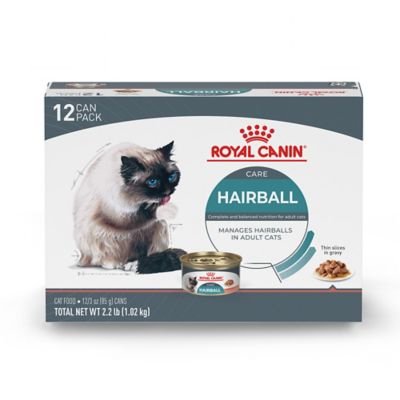
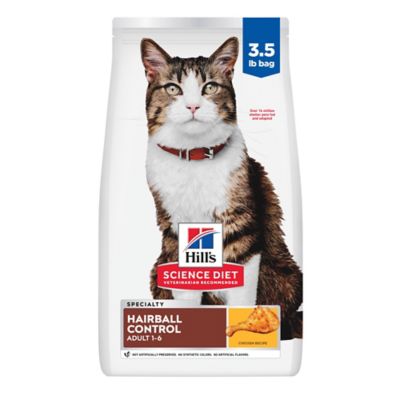
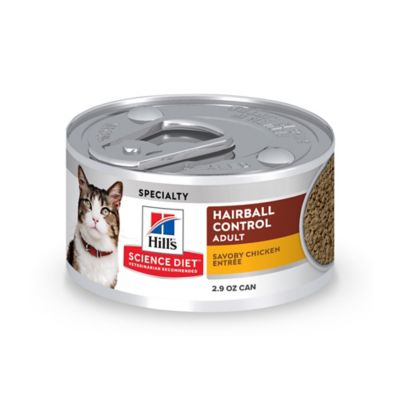
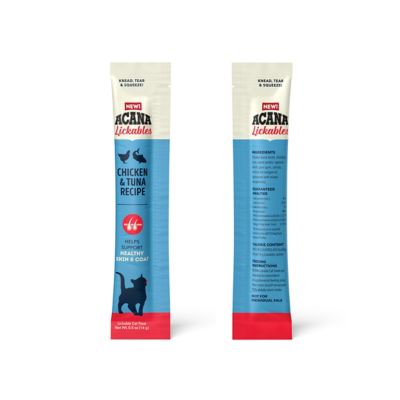
Hairball-control formulas are one part of the cat food for long-haired cats category. During grooming, a cat’s tongue gathers loose strands that are then swallowed. Much of that hair passes through the digestive tract, but some can collect into hairballs. Certain foods contain fiber blends intended to help swallowed hair move along with stool. Ingredient lists may include beet pulp, powdered cellulose or psyllium seed husk, and these fibers do not all work in exactly the same way. Some add stool volume, while others interact with water or support normal digestive function. Prebiotic ingredients may also help support beneficial intestinal bacteria. More fiber is not automatically better for every cat, and the fiber percentage on a package does not tell the whole story about how a recipe will suit an individual animal. Stool consistency, appetite and comfort are useful signs to watch when evaluating a food. Dry and wet formats offer different ways to meet daily needs. Dry kibble is easy to measure into scheduled meals, while wet food supplies more moisture and may appeal to cats that favor a softer texture. Either format can provide complete nutrition when its label says it is complete and balanced for the appropriate life stage. A mixed feeding routine can also work, provided the combined portions fit the cat’s daily calorie needs. Texture matters at the bowl: one cat may crunch through kibble without hesitation, while another prefers a smooth meal or small pieces in gravy. Fresh drinking water belongs alongside either feeding style. For an occasional reward,
Cat Treats For Hairball Control can complement a regular feeding routine, but treats should not replace a complete diet. For most cats, treats should contribute no more than about 10% of daily calories unless a veterinarian recommends otherwise. Hairball snacks, toppers and other extras all count toward that allowance. A cat that leaves part of dinner behind after several snacks may be getting fewer essential nutrients from its main meal, even when the total amount eaten seems about right.
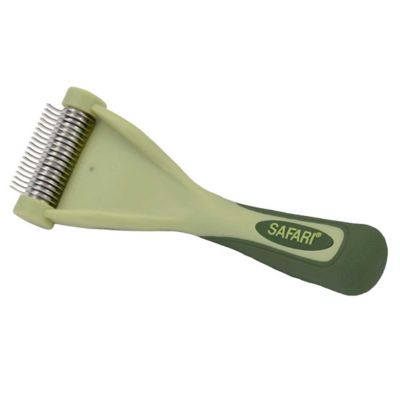
Everyday feeding details make a difference for long-haired cats, especially in homes where several animals share the kitchen or feeding area. Separate bowls and measured meals make it easier to notice when one cat is eating less, stealing another cat’s portion or having trouble with a particular texture. Feeding directions provide a starting point, but the appropriate amount depends on the food’s calorie content and the cat’s body condition. A small scoop of one dry recipe can contain a different number of calories than the same scoop of another, and wet portions need to be counted alongside dry food rather than added without adjustment. Changes in food are generally easier on the digestive system when made gradually over several days, with more time or veterinary guidance for cats with sensitive stomachs. Storage is part of everyday care, too. Dry food stays in its original bag, tightly closed, with the bag placed inside a clean, lidded container if needed. Keeping the packaging preserves the feeding information, expiration date and lot number. Bowls and scoops need regular washing, and opened wet food belongs in the refrigerator according to the package directions. These habits suit the same household routine as brushing a fluffy cat before loose hair spreads across the sofa. Regular grooming removes loose strands before they are swallowed and helps prevent tangles that food alone cannot address. Coat-support nutrition and hairball-control fiber are helpful features, not a promise that every digestive or coat problem will disappear. Frequent vomiting, repeated retching, reduced appetite, difficulty passing stool or a sudden change in weight calls for veterinary attention rather than another food switch. Persistent itching, bald patches or matted fur also deserve a closer look. For cat owners caring for a fluffy kitten, an easygoing adult or an older companion, food that suits daily habits and individual health needs can help keep mealtimes steady and support the skin and coat beneath all that fur.