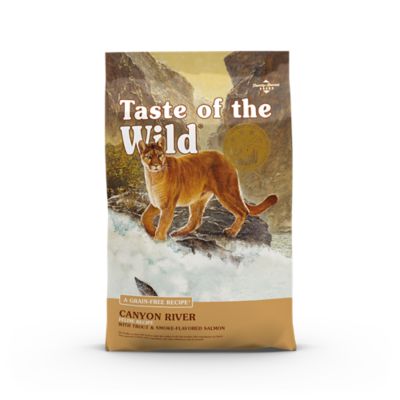
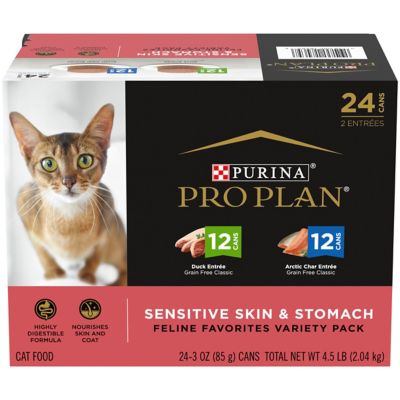
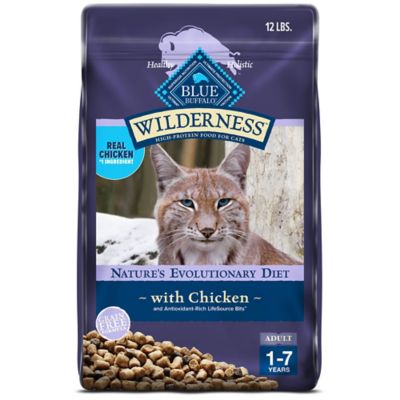
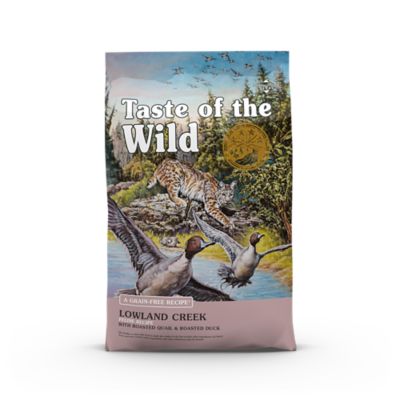
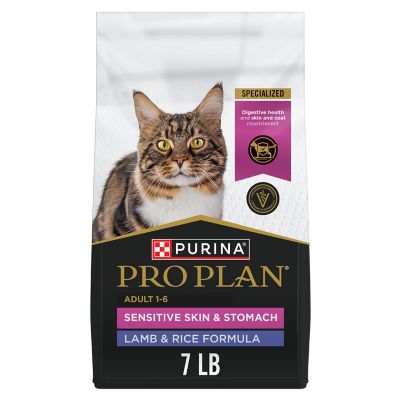
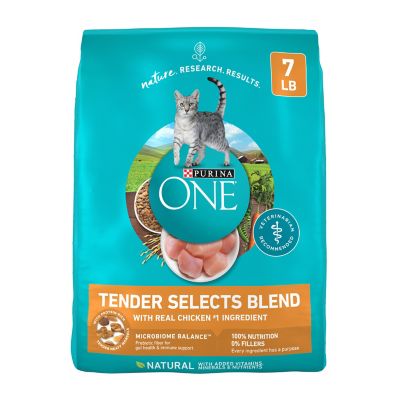
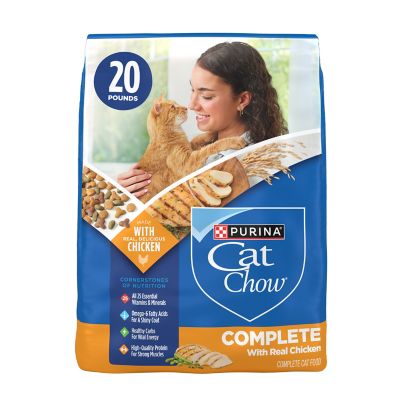
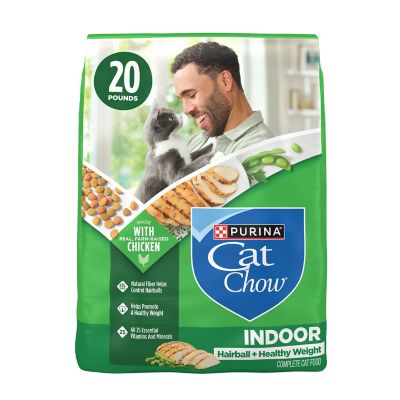
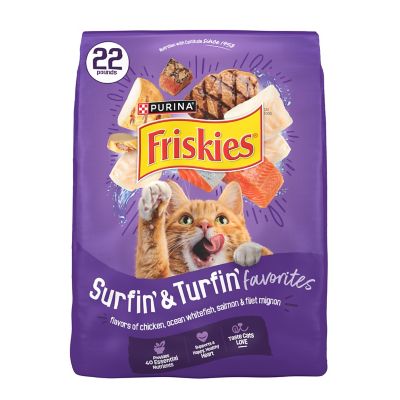
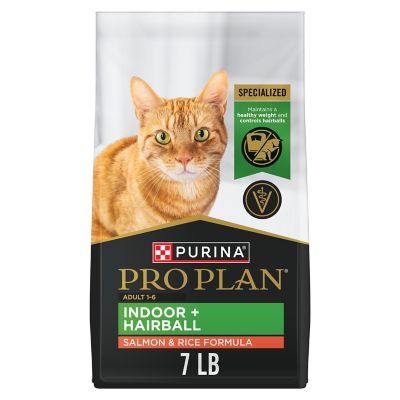
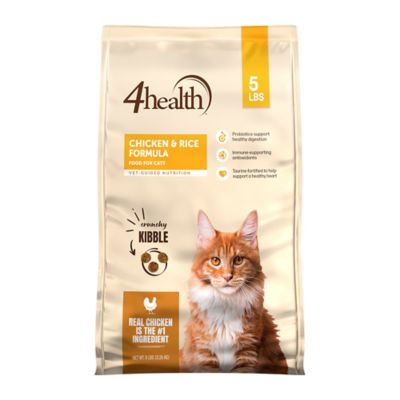
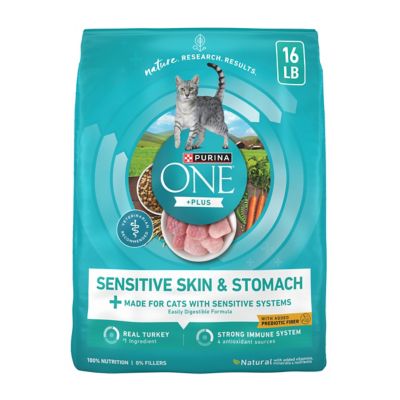
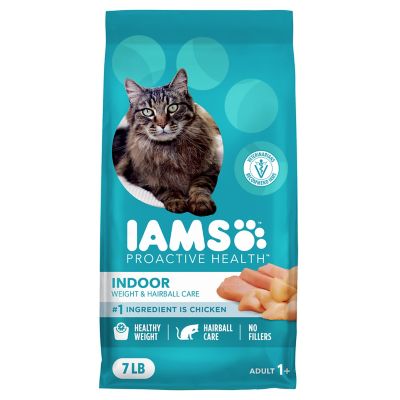
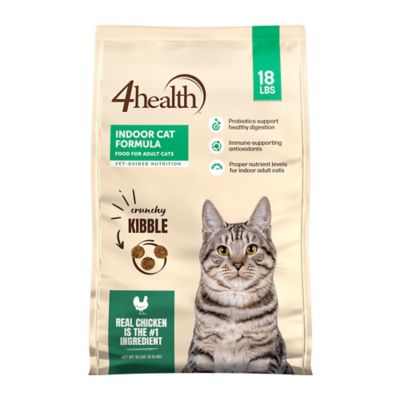
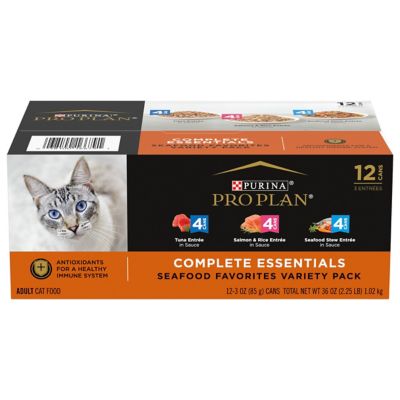
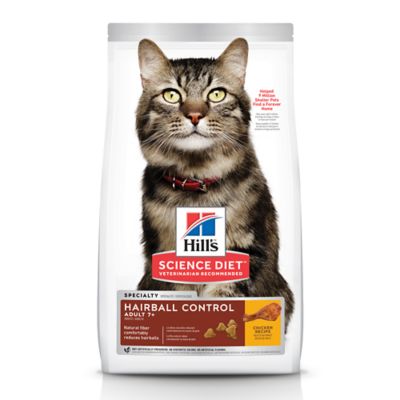
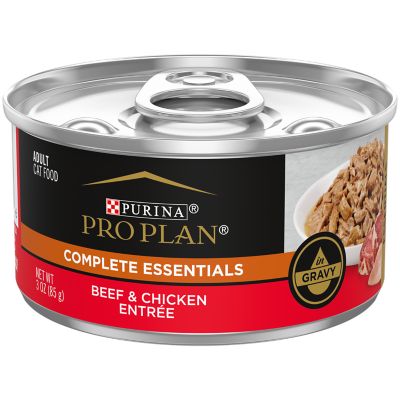
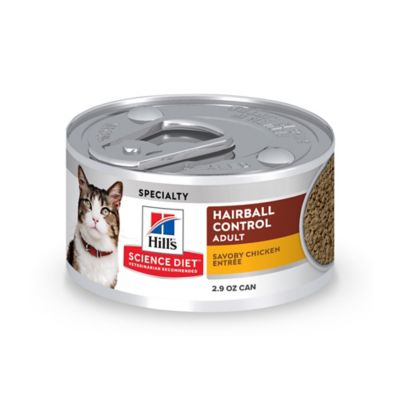
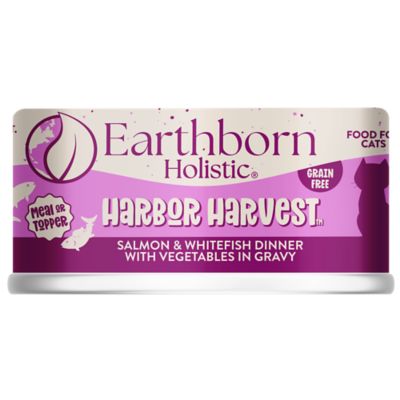
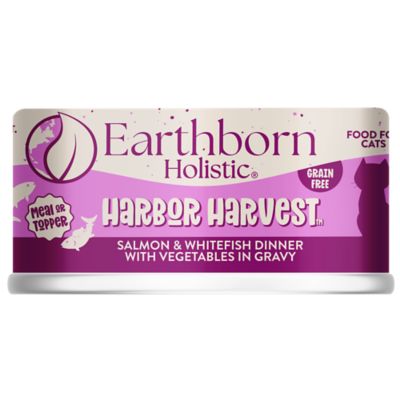
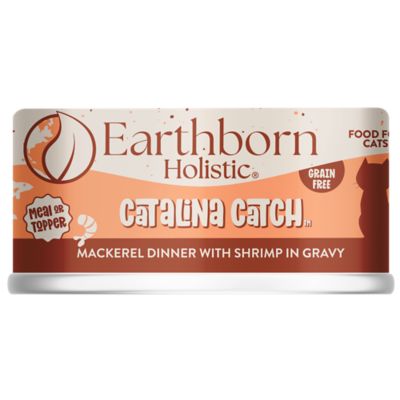
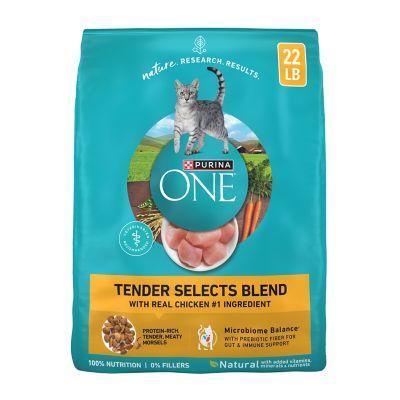
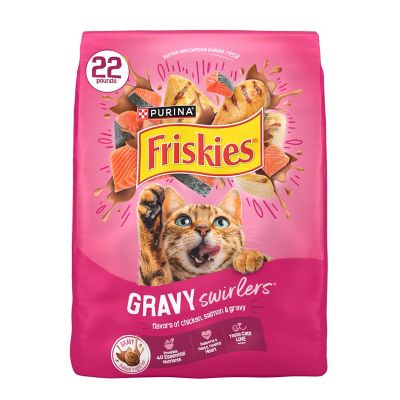
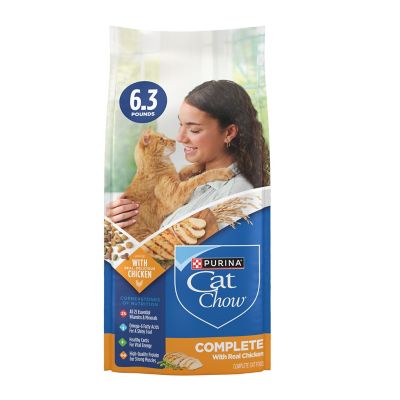
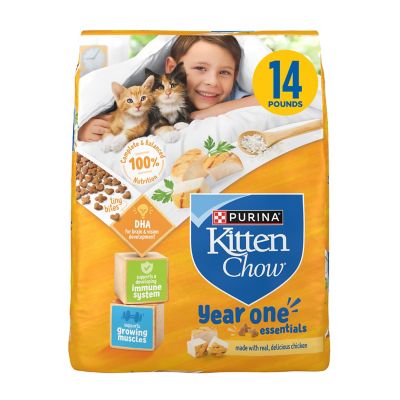
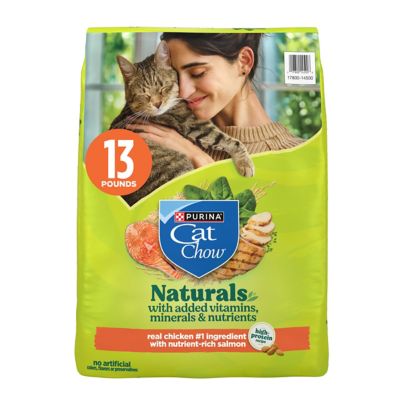
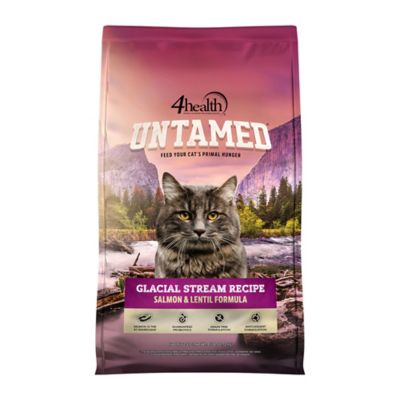
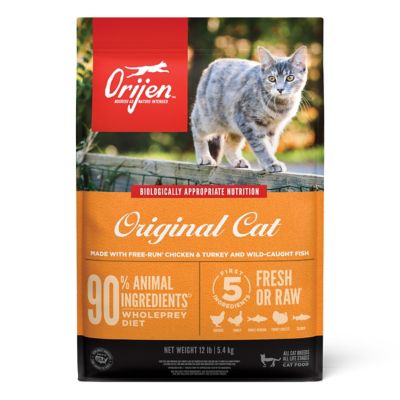
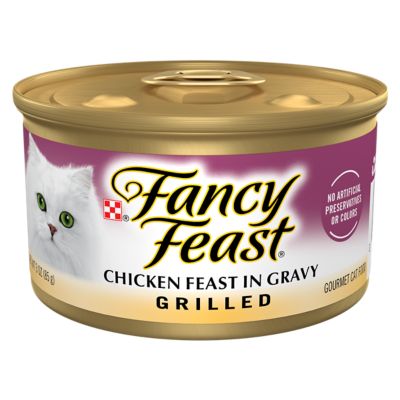
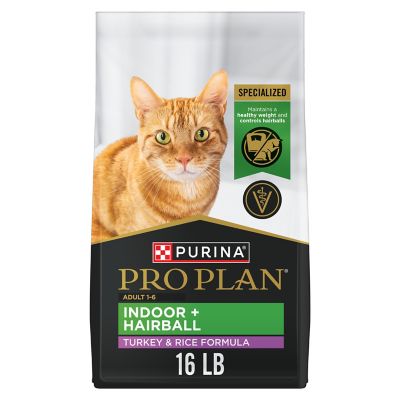
Cat food for healthy skin and coat supports the everyday nutrition behind soft fur, a natural shine, and skin that feels comfortable beneath all that fluff. Whether your cat keeps watch from the kitchen window or follows you out for morning chores, those needs start with a complete and balanced diet suited to their life stage. Protein provides amino acids for hair growth and normal skin renewal, while dietary fats supply energy and essential fatty acids that help maintain the skin’s protective barrier. Chicken, turkey, fish, and other animal ingredients can contribute protein, but the finished food’s nutritional balance matters more than any single ingredient on the label. Omega-6 fatty acids, including linoleic acid, help support normal skin function and moisture retention. Omega-3 fatty acids, including EPA and DHA from marine sources, can also support skin health as part of a properly formulated diet. Fish oil supplies EPA and DHA directly; plant ingredients such as flaxseed supply a different omega-3, ALA, which cats convert only to a limited extent. Vitamin E, zinc, and biotin also play roles in maintaining normal skin and hair, though adding more of these nutrients to an already balanced diet does not necessarily improve a coat. Food labeled for skin and coat support may bring several of these nutritional features together in dry kibble, wet meals, or both. The nutritional adequacy statement helps distinguish a complete daily food from a topper or supplemental food that cannot serve as the whole diet. A glossy coat is not something a bag label can promise overnight, and normal shedding still happens in well-fed cats. The practical goal is steady nourishment that supports healthy hair growth and the skin underneath it, alongside regular brushing, parasite prevention, and routine veterinary care. For a shorthaired lap cat, that might look like smooth fur that lies neatly along the back; for a longhaired companion, it means supporting the coat that needs a little more attention at brushing time.
The right fit depends on the cat at the bowl as much as the nutrients in the recipe. Kittens need food formulated for growth, while most adult cats need a maintenance diet that matches their activity and body condition. A cat that spends much of the day napping on a quilt may need a different daily portion than an active cat making regular rounds of the property. Older cats can have changing appetites, dental concerns, or medical needs, so a skin-and-coat label should not take priority over a veterinarian’s feeding recommendations. Dry cat food offers a crunchy texture and straightforward portioning, while wet cat food supplies more moisture and comes in textures such as smooth pâté, minced pieces, and morsels in gravy. Some cats settle into one texture; others do well with a measured combination of wet and dry food. Either approach can support skin and coat health when the overall diet is complete, balanced, and fed in suitable amounts. A fish-based recipe is not automatically a better match than a poultry-based recipe, and a strong fish aroma does not reveal how much EPA or DHA a serving contains. Ingredient lists, calorie information, feeding directions, and any stated fatty acid levels give a fuller picture. For cats with suspected food sensitivities, the protein source and feeding history deserve attention, but itching alone does not identify a food allergy. Fleas, other parasites, infections, and environmental allergies can cause similar signs. Grain-free food is not automatically better for skin, either, and a limited-ingredient label does not establish that a food will address a particular cat’s symptoms. Persistent scratching, bald patches, scabs, or red skin call for veterinary attention rather than repeated changes at the food bowl. When a food allergy is suspected, a veterinarian may recommend a controlled elimination diet. That approach is different from simply picking another flavor, especially in a household where cats share bowls or help themselves to one another’s meals.
Everyday feeding habits help make skin-and-coat nutrition part of a routine that works around the house and out by the feed room. Package feeding amounts provide a starting point, with portions adjusted for your cat’s weight, body condition, activity, and any guidance from the veterinarian. Measuring meals helps keep extra calories from creeping in, particularly when wet food, dry food, treats, and toppers all land in the same day’s menu. Extra fish oil or vitamin supplements should not be added casually: they can change the diet’s nutrient balance, add calories, cause digestive upset, or interfere with medical care. A gradual transition between foods, often over about a week or longer for a sensitive cat, gives the digestive system time to adjust. Changes in coat appearance take longer to assess than enthusiasm for a new dinner, so consistent feeding and observations during brushing are more useful than expecting an immediate transformation. Notice whether the skin looks comfortable, whether flakes persist, and whether grooming habits change. Nutrition supports the coat, but it does not remove tangles or replace help for a cat that has trouble reaching their back. Food care matters, too. Dry food keeps best in its original bag, tightly closed and placed inside a clean container in a cool, dry space, away from moisture and pests. Follow package directions for refrigerating opened wet food and discarding uneaten portions, and wash food bowls regularly. Fresh drinking water belongs nearby regardless of the meal format. For households considering nutrition beyond the coat,
Cat Food for Heart Health offers a related category to explore, with any diagnosed heart condition best managed through veterinary advice. Skin and coat support fits into that same whole-cat picture: an appropriate daily food, sensible portions, careful storage, and attention to changes that might need more than a different recipe. Those basics help keep mealtime straightforward while supporting the familiar companion curled up on the porch chair or waiting beside the kitchen bowl.