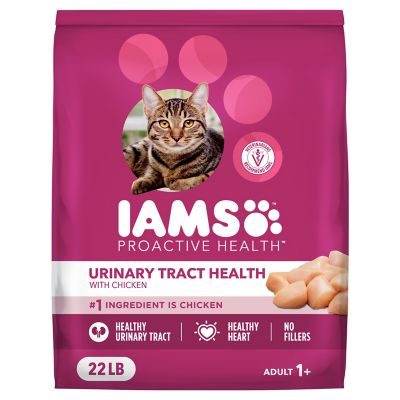
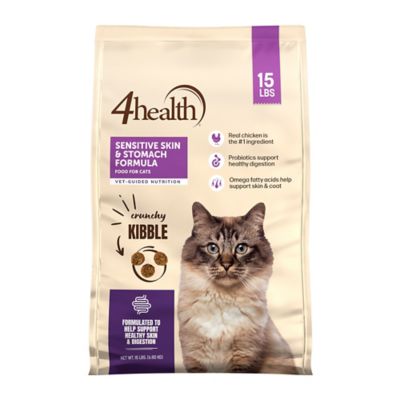
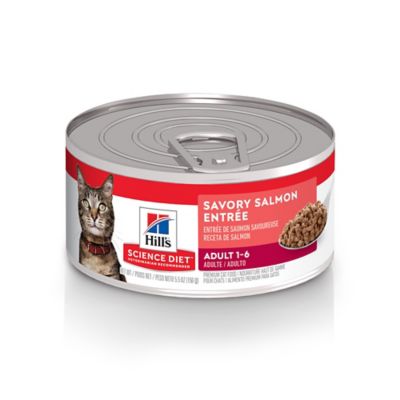
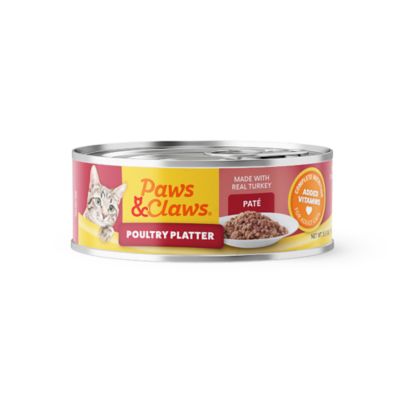
Healthy cat food starts with nutrition that fits the way cats are built. Cats are obligate carnivores, meaning their bodies depend on nutrients found in animal-based ingredients, so a good everyday diet should provide high-quality animal protein along with essential amino acids such as taurine. Taurine helps support normal heart function, healthy vision and reproductive health, while protein helps maintain lean muscle from a kitten’s playful pounce to an older cat’s steady climb onto the windowsill. When comparing cat food, look for a complete and balanced formula made for your cat’s life stage, whether that means kitten, adult or senior. A named meat, poultry or fish ingredient near the top of the ingredient list can be a helpful sign that the recipe is built around animal protein. Healthy fats matter, too. Omega-3 and omega-6 fatty acids help support skin, coat and immune health, and they can make a real difference in the way a cat’s coat feels under your hand. Every cat is a little different, though. A barn cat that spends its days prowling around the feed shed may have different energy needs than a laid-back indoor cat that naps in a sunny patch on the rug. Age, activity level, body condition, health history and feeding preferences all deserve a place in the decision.
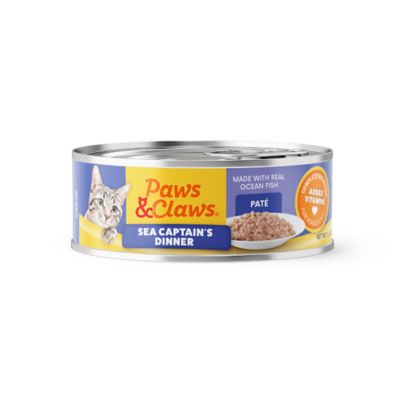
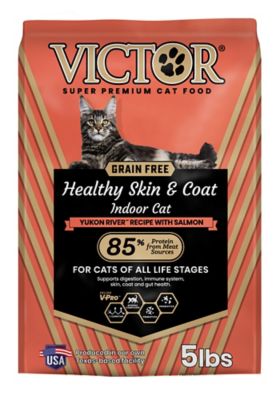
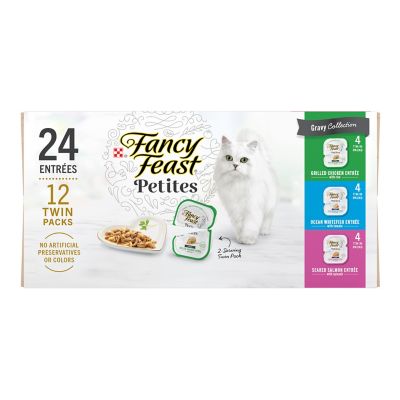
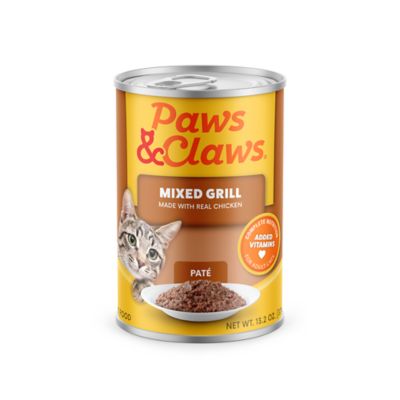
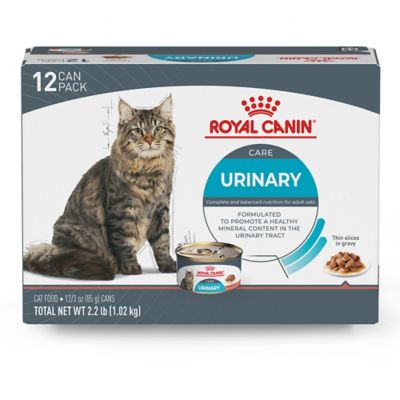
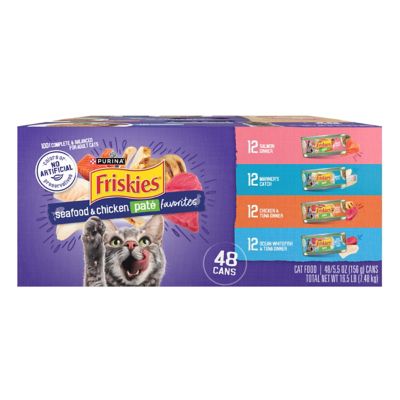
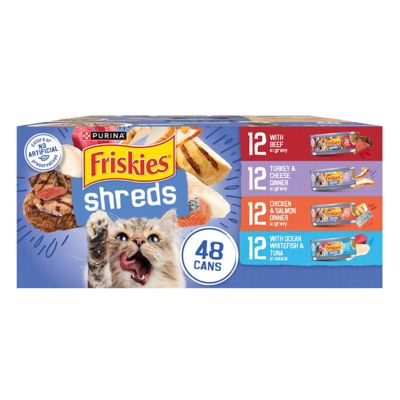
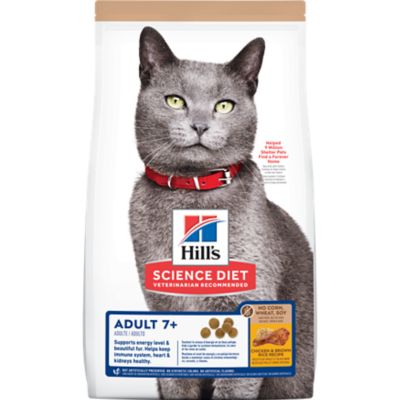
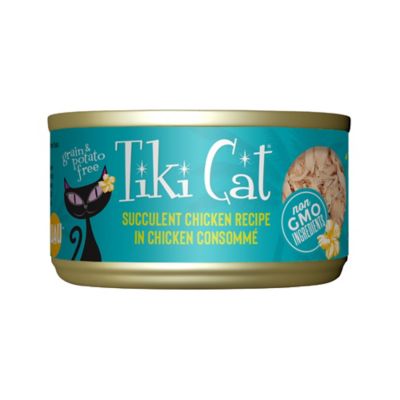
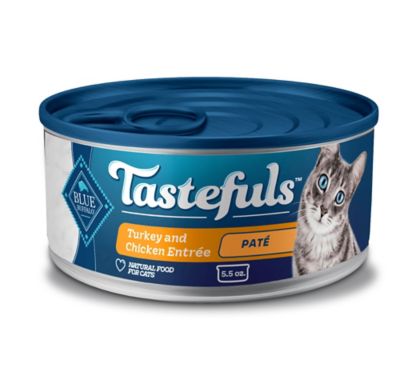
Moisture is another important part of a healthy cat food routine. Many cats do not naturally drink enough water, and wet or canned food can add a useful boost of hydration because it contains a much higher moisture content than dry kibble. That extra moisture may help support normal kidney and urinary tract function, especially for cats that tend to take only a few laps from the water bowl. Dry food can still be a convenient and nourishing choice, particularly for measured meals, puzzle feeders or households where food needs to stay out for short periods. Some families use a combination of wet and dry food to bring together hydration, texture and convenience. Serve portions based on the feeding directions and your cat’s individual needs rather than filling the bowl to the brim and guessing. A kitchen scale, a measuring cup and regular body-condition checks can help keep portions on track. Sudden changes in food may lead to stomach upset, so transition gradually by mixing a small amount of the new food with the old and increasing it over several days. Keep fresh, clean water available in a spot away from the litter box, and wash bowls regularly. If your cat has kidney disease, diabetes, food allergies, urinary concerns or another diagnosed condition, talk with a veterinarian before changing the diet. A veterinarian can also help set a feeding plan for weight loss, weight gain or special life-stage needs. For shoppers comparing formulas with a focus on recognizable ingredients and everyday nourishment, browsing options such as
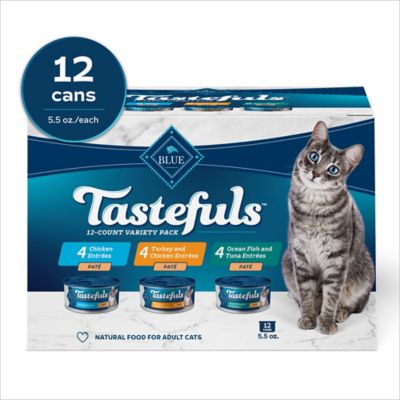
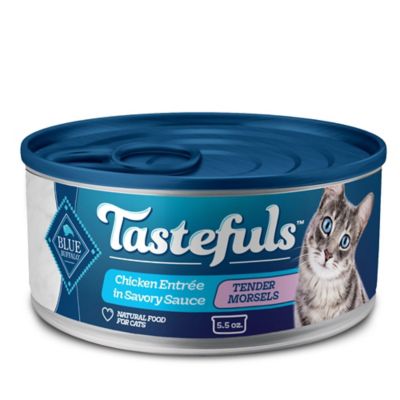
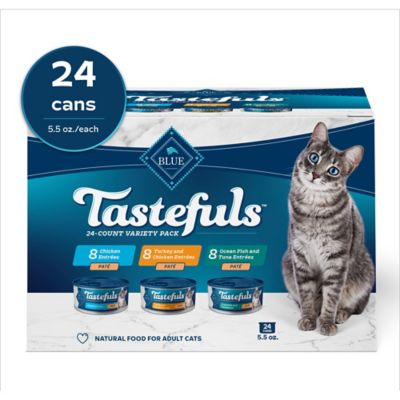
Blue Cat Food can be one part of finding a routine that works for both cat and caretaker.
Healthy cat food can be useful for all kinds of cat households, from a family bringing home a first kitten to a longtime cat owner caring for a faithful porch companion during the cooler months. It also makes a thoughtful, practical gift for a friend, neighbor or relative who has recently adopted a cat, welcomed a new kitten or taken in a stray. A bag or case of food paired with treats, a scoop or fresh bowls can help fill in the basics, though it is wise to check the cat’s current diet and preferences before giving food as a gift. Some cats are devoted to crunchy bites, while others will only eat a smooth pâté or tender morsels with plenty of moisture. Cats may also need time to accept a new texture or recipe, so smaller quantities can be helpful when trying something unfamiliar. Store dry food in a cool, dry place in a tightly sealed container, and follow package guidance for opening and serving wet food. Refrigerate unused wet food and discard leftovers that have been sitting out too long, particularly in a warm room. During seasonal shifts, cats may spend more time indoors, which can mean less exercise and a greater need to watch portions and playtime. A few minutes with a feather toy, a cardboard box or a treat puzzle can help keep an indoor cat moving while meals provide steady fuel. Whether the food goes to a curious kitten, a working farm cat or a soft old tabby curled beside the woodstove, the best choice is one that offers complete nutrition, suits the cat’s health needs and fits naturally into the daily rhythm of the home.