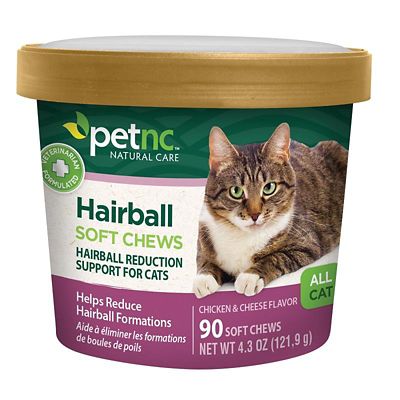
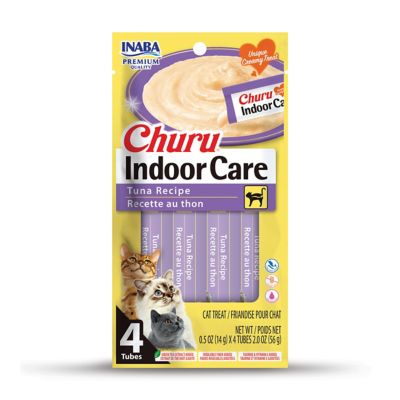
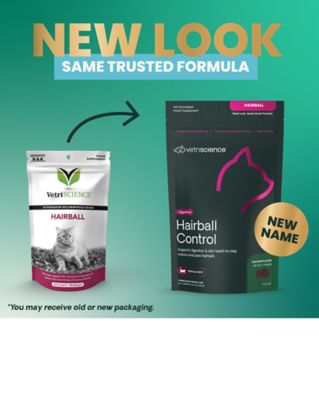
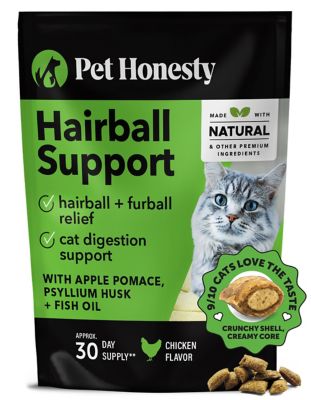
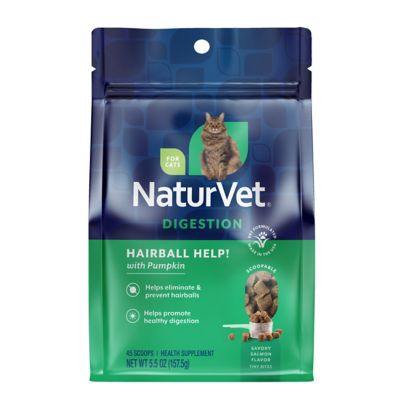
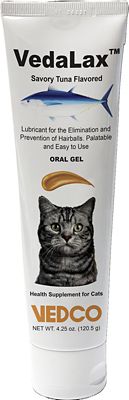
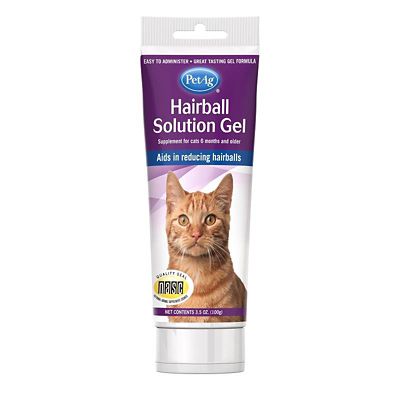
Cat treats for hairball control are supplemental snacks formulated to help swallowed fur move through a cat’s digestive tract, often with added fiber and, in some formulas, gentle lubricating ingredients. Cats swallow loose hair while grooming, whether they spend their days stretched across the couch or keeping watch from a kitchen window. Much of that hair normally passes in the stool, but some can collect in the stomach and form a hairball. Hairball-control treats support the passage of that swallowed fur while giving cats a small reward between meals. Fiber sources can include cellulose, beet pulp, or psyllium, depending on the recipe. Different fibers play different roles in stool formation and digestive function, so the amount and type matter more than the word “fiber” alone. Some formulas also contain lubricating ingredients intended to help hair travel through the digestive tract. Not every treat takes the same approach, and the ingredient list and feeding directions help explain what a formula offers. Texture is another part of the appeal. Crunchy bites, soft chews, and treats with contrasting outer layers and centers give cats different eating experiences. A cat that eagerly crunches a snack may prefer a different texture from one that takes little nibbles before finishing a bite. Size and firmness deserve attention, especially for cats with missing teeth or trouble chewing. A softer texture does not automatically make a treat suitable for every cat, and ongoing chewing difficulty deserves a veterinarian’s attention. Familiar poultry or fish flavors may make a functional treat easier to work into an established routine, although flavor names alone do not tell the whole ingredient story. For a cat that sniffs each offering before deciding, aroma, texture, and an easy-to-manage bite can matter just as much as the recipe’s purpose. The best fit balances that everyday appeal with the cat’s age, feeding needs, and tolerance.
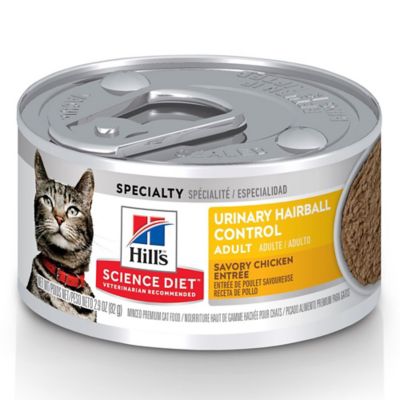
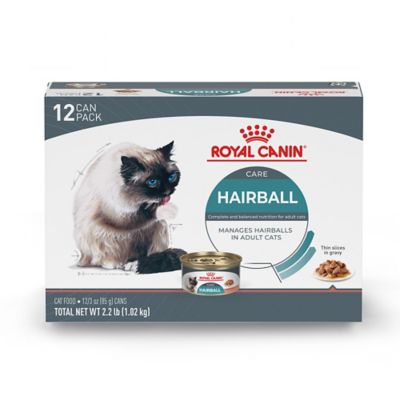
Hairball-control treats belong alongside a complete and balanced diet, not in place of regular meals. Their feeding amounts can vary with body weight, age, and formulation, so a handful is not a useful serving measure. Package directions provide the starting point, while the calorie statement helps show how a serving fits into the day’s food allowance. As a general rule, treats should contribute no more than 10% of a cat’s daily calories unless a veterinarian recommends otherwise. Cats managing their weight or following a therapeutic diet may need a more specific plan. A small-looking chew can still add meaningful calories when several family members each offer a reward. Keeping the daily portion in one designated container can help a busy household avoid doubling up after breakfast, chores, and supper. Age recommendations matter, too, since a treat intended for adult cats may not suit a growing kitten. Cats with food sensitivities need attention to the full ingredient list, including animal proteins and other recipe components, rather than a choice based only on the flavor printed on the front. An uncomplicated ingredient list can be easier to review, but fewer ingredients do not automatically make a treat a better match. Some cats already eat a diet formulated to address swallowed hair, and adding another source of fiber is not always necessary. For a look at meal options with that purpose,
Hairball Cat Food offers a related category to consider alongside treats. The main food and any supplemental snacks should make sense together, particularly when a veterinarian has recommended a specific diet. In a home with several cats, individual portions also help keep an enthusiastic eater from collecting everyone else’s share. A cat that needs hairball support may have different needs from the companion waiting beside the treat jar, even when both come running at the sound of the lid.
Everyday handling and feeding habits help keep hairball treats a practical part of cat care. A resealable pouch or tightly closed container helps protect the intended texture and keeps curious paws out between servings. Storage directions, expiration information, and any instructions after opening deserve a look, since moisture and exposure to air can affect a treat’s condition. Original packaging also keeps the ingredient list, feeding chart, and lot information close at hand. If treats move into a household container, saving that information makes it easier to check details later. Wash hands before handling snacks, keep containers clean and dry, and set aside anything that develops an unexpected smell or appearance. For cats that hesitate over a new texture, offering a small amount within the label’s directions gives them room to investigate without turning snack time into a standoff. Watching how a cat chews and swallows can help show whether the bite size suits its eating habits. Treats work best as one part of a broader routine that includes regular brushing and access to fresh water. Brushing lifts away loose hair before a cat swallows it, which is especially helpful for long coats or cats that groom themselves frequently. Short-coated cats can swallow plenty of fur, too, so coat length alone does not determine whether hairball support makes sense. A few quiet minutes with a brush and a measured reward afterward can fit naturally into the end of a chore-filled day. Still, hairball treats are not a fix for every episode of gagging, coughing, or vomiting. Repeated vomiting, loss of appetite, difficulty passing stool, unusual tiredness, or repeated retching without bringing anything up calls for prompt veterinary attention. A cough can also signal something other than a hairball. For cats that need routine support, a suitable formula, sensible portions, and steady grooming keep the focus where it belongs: a treat the cat enjoys and care that supports everyday digestion.